This audio is voiced by AI and may occasionally mispronounce words.
Share your feedback and help us improve this feature. Read more about how we use AI at SBS here.
Insight explores warning signals in relationships, dating, travel, health and finances. What happens when we heed the warning, and what are the consequences if we don't? Watch Insight episode Red Flags Tuesday 29 September at 8.30pm on SBS or SBS On Demand.
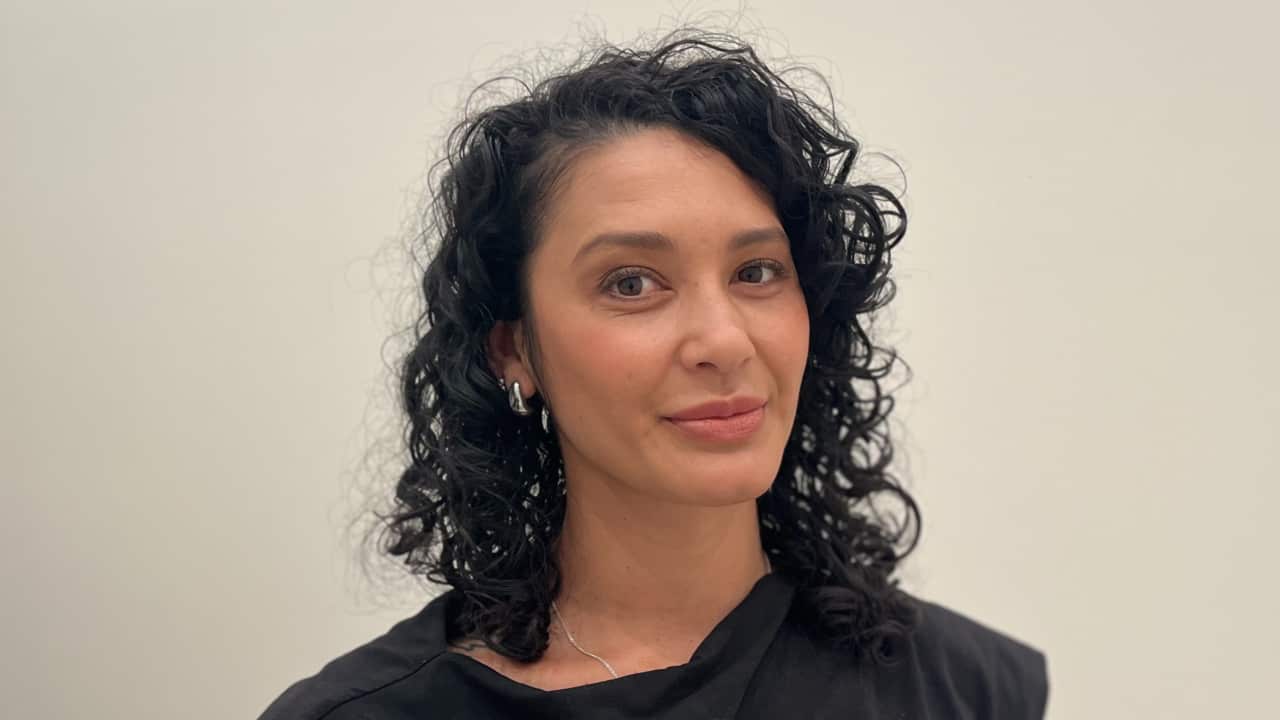
Stella Magnisalis was 24 when she met now-former South Australia Police detective Matthew Thomson on a dating app.
Stella said the then 30-year-old Thomson was "articulate and intelligent" and a respected pillar of the community.
"He quite often came to my family home where I lived with my mum and dad whilst he was on duty as a detective in the family violence unit," she told Insight.
"He made us feel very comfortable and safe."
News that makes sense
Your trusted source for staying up-to-date with the world around you. Get free daily news updates and analysis, straight to your inbox.
But that sense of safety in their relationship was short-lived; Stella said she started seeing red flags in his behaviour three months in.
She said the first thing that made her "uncomfortable" was what she believed to be Thomson's "need for validation with other women".
"I would question why there were ex-partners on his social media ... and why is he reaching out to other females on there?" Stella said.
"And he would brush it off quite subtly."
After seeing unusual messages on his phone one day, she confronted him and he became physically abusive.
"He became quite physical, and he would push me up against the wall and things like that," she said.
Stella said there were "many" red flags when she looks back.
"Whilst you're in it, the subtleties, you don't quite understand just how dangerous they are."
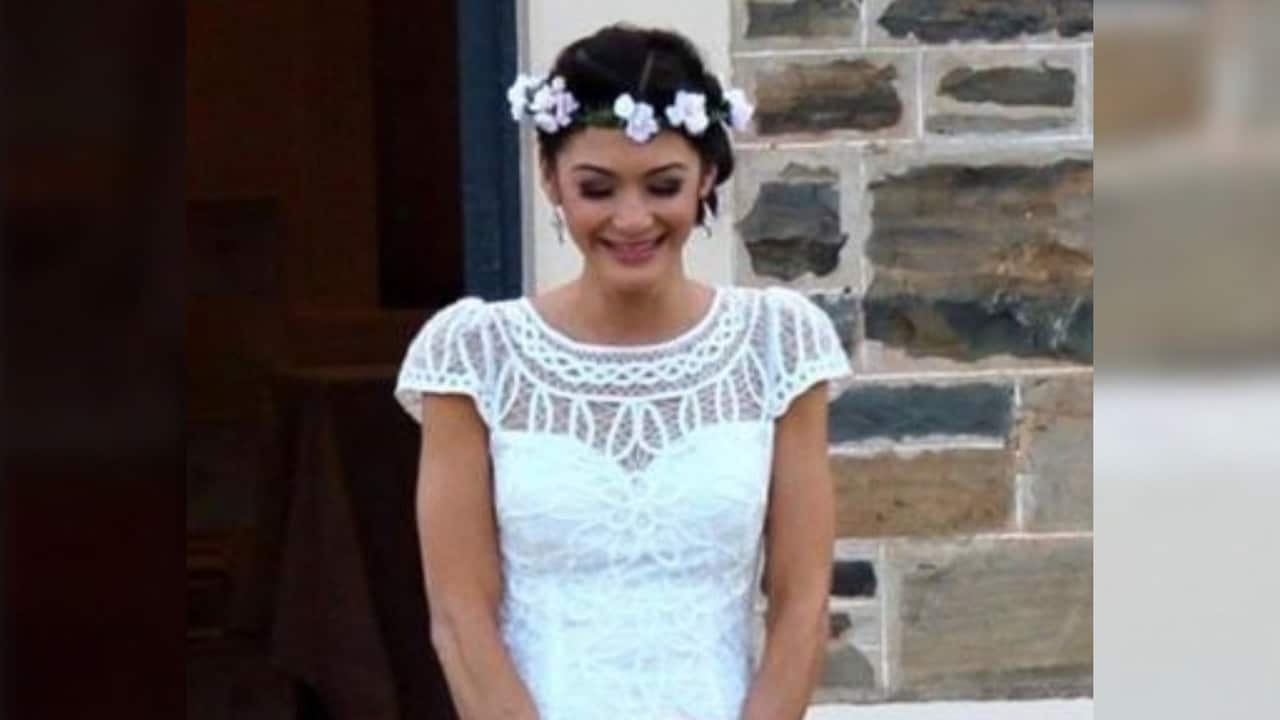
Stella said other red flags soon followed, and she felt slowly isolated from her family and friends.
Thomson also had two children from a previous marriage, and Stella took her role as their stepmother very seriously.
"Everything was really based around him and his needs," she said.
After having a child together three years into their relationship, Stella hoped things might be different, but the violence and abuse continued.
"I got stuck in a web I couldn't leave.
"I think once you have a child with somebody who is a red flag, you're tied to them for life."
What is a red flag?
The term "red flags" has its roots in military and naval customs to signal a warning or danger, and is now often used in discussions about dating and relationships.
"It's really about a warning sign," clinical psychologist and couples therapist Phoebe Rogers told Insight.
"Any behaviour that indicates that something could go wrong, someone's behaviour is toxic, unhealthy — it's going to cause harm."
Although the Sydney-based psychologist hears the term often, she's cautious about how it is applied to certain situations.
"We've got to put it all in a context, actually, and weigh it all up.
"And rather than listening to lists or what people say or 'what my friend thinks', ask 'how am I feeling' and 'what did this mean to me'?"
Rogers said red flags in someone can be difficult to spot and it is often a case of spotting them retroactively.
"I think people can reflect and look back on their past and go, 'Ugh, I knew it then'."
She believes there are many reasons why someone may stay in a situation that might not be healthy for them.
"Sometimes it's because people have grown up with childhood trauma, so they've experienced different forms of abuse.
"And so, they actually don't know what to expect in terms of what a healthy relationship is and 'how should I be treated?'"
'I want to see the best in people'
Melissa Heir has had trouble recognising red flags in friendships — including when she moved from South Africa to Sydney at 19 and had to adjust.
"I literally had to start fresh with making friends ..." Melissa said.
"It really didn't help that with autism, it makes it more difficult to make connections."
So, when an old schoolmate who had also moved to Sydney reached out, Melissa was keen to reconnect.
They spoke over the phone and had plans to meet up but they didn't always eventuate.
"She was a little bit flaky because she'd hit me up and we'd try to organise something, and then she would bail a few times."
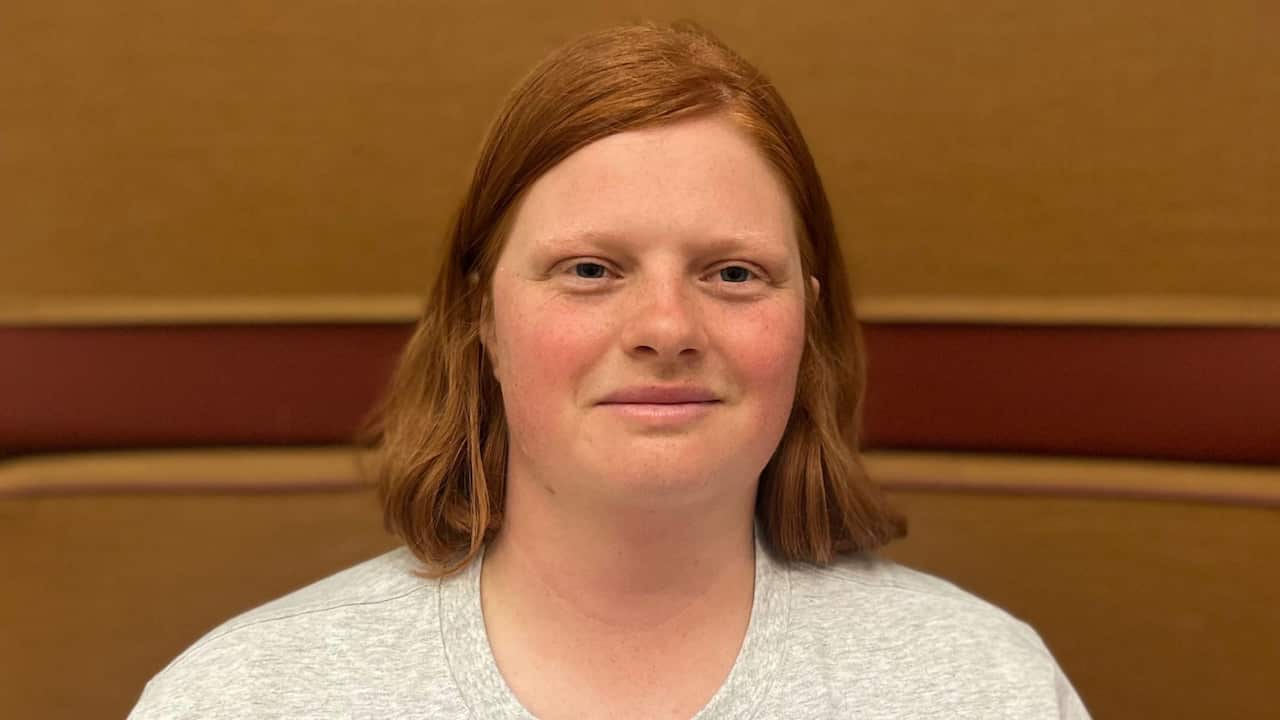
Melissa said the friend started asking her to borrow money for food or medications — always with the promise of repayment, which she said was never fulfilled.
A few months later, when she had no extra money to lend, Melissa tallied that her friend owed her about $500. She said she learnt a very expensive lesson from the experience.
"I was quite trusting; I want to see the best in people, and it was hard for me to really think ill of people.
"With autism ... it's sometimes hard to spot these subtle social cues that could give away someone's intention."
Being called a red flag
Zachary McGrath, who is in his 20s, said he has been on the receiving end of being called a "red flag" by some potential partners and "can understand why".
He says "yes to a lot of things" and has many passions — including his military commitments and pursuit of acting and stand-up comedy. He said his commitments keep him busy, and he often forgets to reply to messages.
"My intent's never to make someone feel like they're not important or I don't care," he said.
"But obviously when that person is experiencing unavailability every time from me, no matter what my intent is, that impact is there."
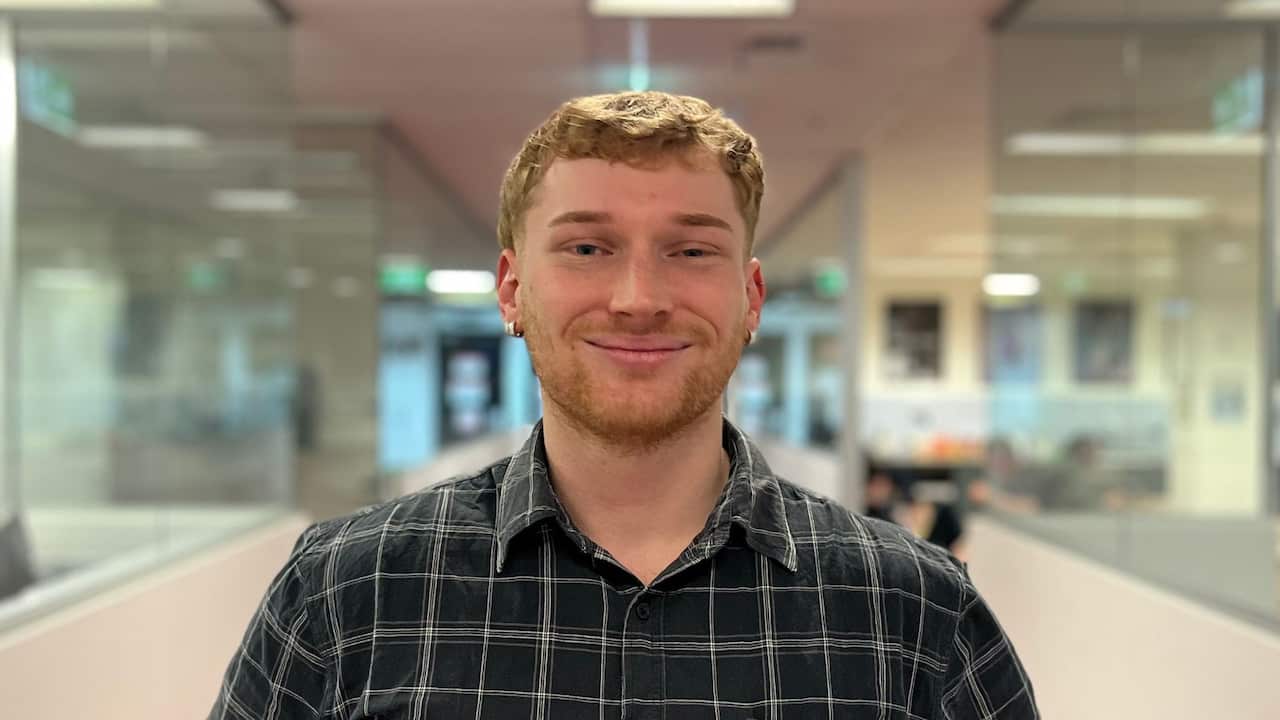
Zachary believes what he considers a red flag is a bit hypocritical as he hates being ghosted by a potential romantic partner.
Ghosting is suddenly ending all communication and avoiding contact with someone without giving any warning or explanation. And Zachary prefers when someone is upfront and honest — even if that might lead to a difficult conversation.
"The other red flag is potential partners who have a big presence with their ex. That's a big one for me," he said.
"I already feel like I'm coming into a relationship and being compared to something I'm not a part of at all."
Are red flags too trivial?
Clinical psychologist Rowan Burckhardt believes that the use of red flags in dating and relationships has become too trivial.
"I actually kind of reject the entire concept of red flags when it comes to relationships and dating," Burckhardt said.
He believes using a checklist of ideal criteria to tick boxes for what one might want in a potential partner gets in the way of listening to "chemistry".
"You could meet someone who ticks all of those boxes, and if you don't feel [the chemistry], I know from my experience working with couples that it just won't be a repairable relationship or ever a healthy one."
Heeding the health warning
Journalist Hannah Vanderheide is grateful she listened to the red flags surrounding her health in her early 20s when she had unusual symptoms.
"I had a very, suddenly very high resting heart rate, couldn't sleep, loss of appetite, weight loss, fatigue, and a real sense of constant adrenaline," she said.
When Hannah saw a GP for these symptoms, they didn't physically examine her and instead prescribed her anti-anxiety medication.
It wasn't until eight months later that another GP took her symptoms seriously, did bloodwork, and diagnosed Hannah with Graves' disease, a common autoimmune condition affecting the thyroid.
She then went straight to hospital as she was at high risk of going into a thyroid storm, a rare, life-threatening condition in which the thyroid makes and releases excess hormones too quickly.
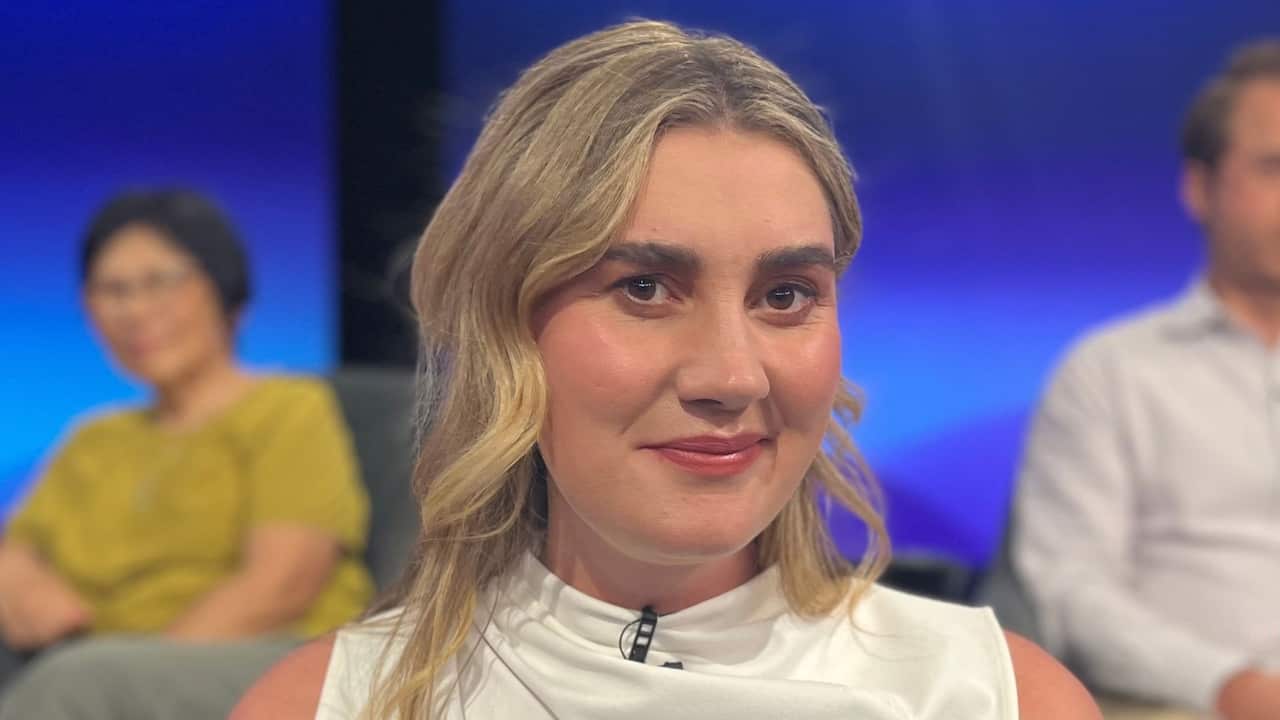
Hannah said it was a relief when the red flags of her health finally had a diagnosis after being initially turned away.
"I had an explanation for what was going on, but there was a lot of anger, and I guess an element of grief because I'd missed a lot of time already — feeling so unwell and deteriorating so quickly.
"And then I was facing a much larger recovery time that wouldn't have been there if I'd been listened to the first time."
Rebuilding a life
After having a baby, Stella's life finally started to change when she went to the police about her husband's abuse.
In 2025, the former police officer and domestic violence investigator was sentenced to two years in prison for six counts of assault against Stella between 2013 and 2018.
"I struggled to reach out to support and just to come to terms with what my reality was," Stella said.
"I was very ashamed of my life."
Now working in advocacy and support work, Stella has rebuilt her life.
"I'm fit, I'm healthy, I have my life, and I have purpose ...
"I have my family and my friends who reflect my love and their love back to me — and I think that's what life is all about."
If you or someone you know is impacted by family and domestic violence, call 1800RESPECT on 1800 737 732 or visit 1800RESPECT.org.au. In an emergency, call 000. The Men's Referral Service provides advice for men on domestic violence and can be contacted on 1300 766 491.
For crisis and mental health support, contact Lifeline (13 11 14), SANE Australia (1800 187 263) or 13Yarn (139 276), a 24/7 Aboriginal & Torres Strait Islanders crisis support line.
Watch your favourite Insight episodes around the clock on SBS On Demand's dedicated Insight channel. For the latest from SBS News, download our app and subscribe to our newsletter.

Insight is Australia's leading forum for debate and powerful first-person stories offering a unique perspective on the way we live. Read more about Insight

Have a story or comment? Contact Us







