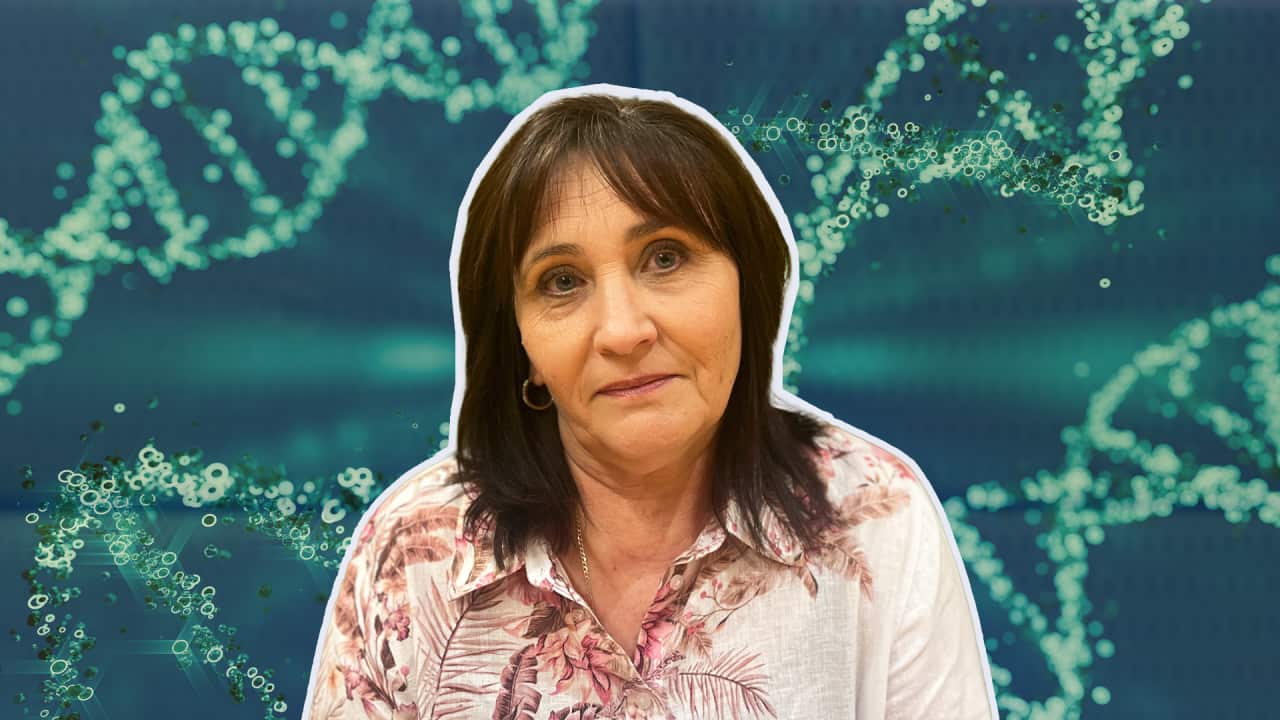
DNA testing technology has become more accessible, affordable and sophisticated, and more than 26 million people worldwide have willingly shared their genetic information with private companies. But are we giving up too much information? As DNA testing becomes commonplace, Insight asks: Can any family secret truly stay hidden?
Growing up, I thought my biological dad was a man named Dennis. He wasn't perfect, but he loved my younger sister and me.
Our mum was in and out of the picture, and she and Dad had an on-and-off-again relationship.
News that makes sense
Your trusted source for staying up-to-date with the world around you. Get free daily news updates and analysis, straight to your inbox.
I was 13 years old when Mum left for the last time. It was almost a relief to me by then.
Dad did his best to raise us, but a man living with his own demons being left to raise two teenage girls by himself was never going to be easy.
I guess I always knew deep down Dad wasn't my 'real' father, but I chose to ignore and push those thoughts aside.
I always felt different to my younger sister growing up. We looked and behaved so differently, and people commented on it all the time.
When I was 14, a cousin asked me if I knew who my real father was; I asked him how he knew.
He just laughed and told me everybody knew.
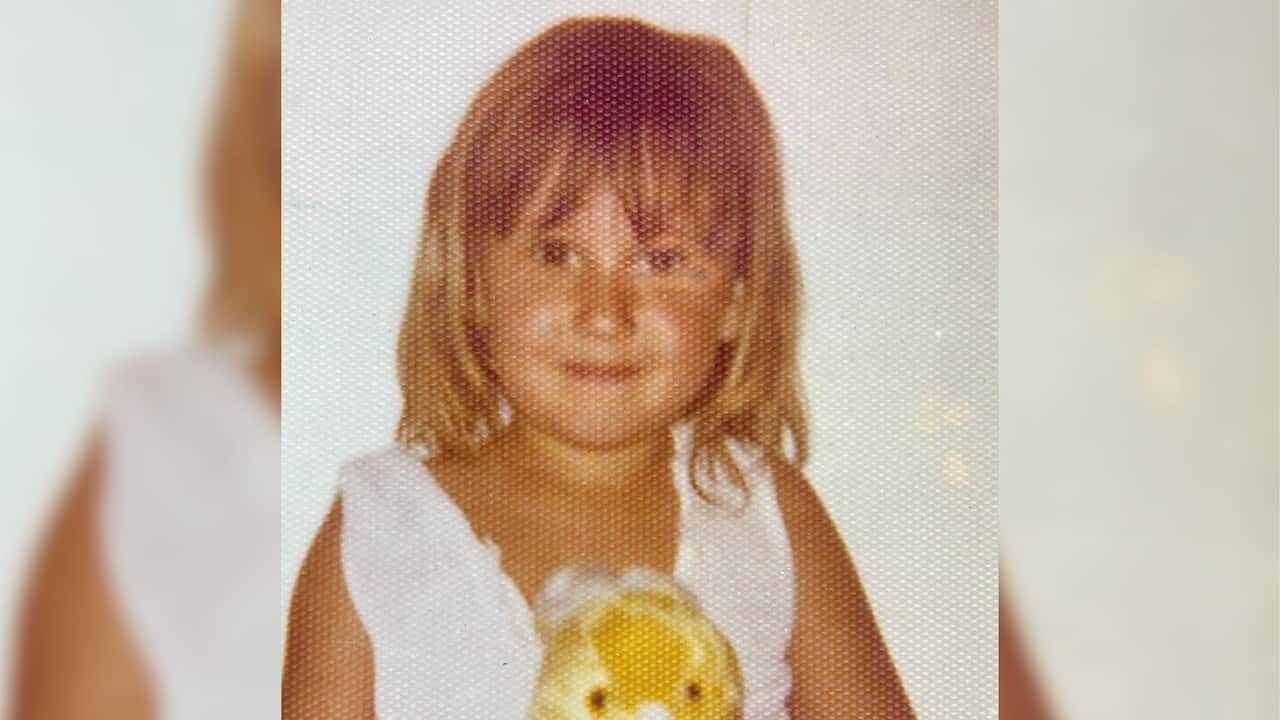
Soon after this, I got in touch with my mother again.
I asked her to tell me who my father was.
She said his name was David and that they had lost contact when she was pregnant with me and he went over to fight in the Vietnam War; and that she met Dad and started a relationship with him soon after.
A few years later when I was 18 and expecting my first child, I decided to contact the Australian Army records division about David and explained my situation.
The records division sent a letter to David who was still alive. He was very quick to reply and said he had been searching for me for a long time.
I never told Dad I was looking for my biological father as I didn't want to hurt him.
David and I spoke on the phone a few times but contact slowly petered out, and we wouldn't speak again for many years later.
I also tried having a relationship with my mother as the years went on but it was difficult due to past trauma.
I stopped all contact with her in 1995 when I was 23 — soon after my third child was born — despite desperately wanting my children to have a grandmother.
Taking the test
Around the year 2000, I received a phone call from a woman from an adoption association.
I had changed my surname when I got married at 21 and had also moved cities; the woman told me David had been trying to get back in contact with me.
But she would not give either of us contact details until we both took a DNA test.
I did the test and waited for the results — thinking it would just be a formality.
When they came back six weeks later, they were negative for a DNA relation with David.
I was shocked, and to say that I was angry was an understatement.
I found my mother's phone number and rang to tell her about the results. The call was neither long nor helpful. That call was the last contact we've had.
David and I spoke once more on the phone after finding this out, and he was sad to know I wasn't his daughter. We haven't spoken again.
I had basically given up on finding family for the next decade and a half; but in 2016 I decided to do an ancestry DNA test — mostly to find out about my genetic heritage.
I had results within weeks, and although I didn't have any close family matches, it was interesting to find out where in the world my ancestors might be from.
Finding a match
In 2018, I received an email from a man called Brett. He had done his DNA test and was a close family match.
I had done some detective work in the years prior and found I had some half-siblings.
Brett was one of these children — born to my mother three years before me.
We've met a couple of times in person and speak over the phone sometimes; we're very similar in so many ways and have a great bond to this day.
Then just over a year ago, I had a new DNA match ... a father.
This came as quite a shock as I'd honestly given up on ever knowing who he was.
But now, I was in my 50s and finally had a name for my biological father.
I mulled over the information for a few weeks before my husband emailed the contact person listed on the test; she is my younger half-sister.
It turns out that she had bought the test for her dad for Christmas to learn more about his heritage.
This man had only had a very brief encounter with my mother and never saw her again.
He nor his family knew I existed — so obviously, it was all a huge shock for them too.
'You don't have to be blood to be family'
I have had some contact with his daughter (my biological half-sister), but he and I have not been in touch yet.
I somewhat feel that I would be intruding on his life with his wife and children, and I don't want them to feel that they are obligated to me in any way.
Today, I've been happily married for over 33 years. I have three children and love spending time with my beautiful grandchildren.
Dennis always remained Dad to me, but sadly he died eight years ago. I don't know if my mother is still alive, nor do I care to know.
But she taught me that you don't have to be blood to be family.
Growing up, not really knowing your family makes you very guarded and very closed off to other people. And you don't really sort of explain your story to anybody because it is, it's so difficult to talk about.
But I have wonderful friends who have stuck by me through all life's ups and downs — and for that, I'm very grateful.
Watch your favourite Insight episodes around the clock on SBS On Demand's dedicated Insight channel. For the latest from SBS News, download our app and subscribe to our newsletter.

Insight is Australia's leading forum for debate and powerful first-person stories offering a unique perspective on the way we live. Read more about Insight

Have a story or comment? Contact Us







