
What does grandparenting look like today? Insight explores whether the demands on modern-day grandparents are keeping them physically fit and mentally well, or if the younger generations’ wants and needs are being prioritised to the detriment of grandparents. Watch Insight episode Grandparenting Tuesday 8 September at 8.30pm on SBS or SBS On Demand.
Veena Gopinath recently became a grandmother to twins. When she found out her daughter was pregnant, Veena was excited for her, but not for herself.
"It wasn't a joyful instant emotion in any way, shape, or form," the 56-year-old told Insight.
"I was like, 'Oh my God, how am I going to do this?'"
The Sydney-based small business owner says her feelings about becoming a grandmother were strange.
News that makes sense
Your trusted source for staying up-to-date with the world around you. Get free daily news updates and analysis, straight to your inbox.
"In my mind, I was still young and our son had just finished school.
"So, life was just becoming more fun for me — I had time and money and resources to look after myself."
When Veena became a mother 32 years ago, her parents put their lives on hold to help her adjust to motherhood.
"Both my parents came from India, and they stayed for 12 months ... I was totally pampered."
"That was the message I was given — to be a grandparent like that — and it was a really tough act to follow ..."
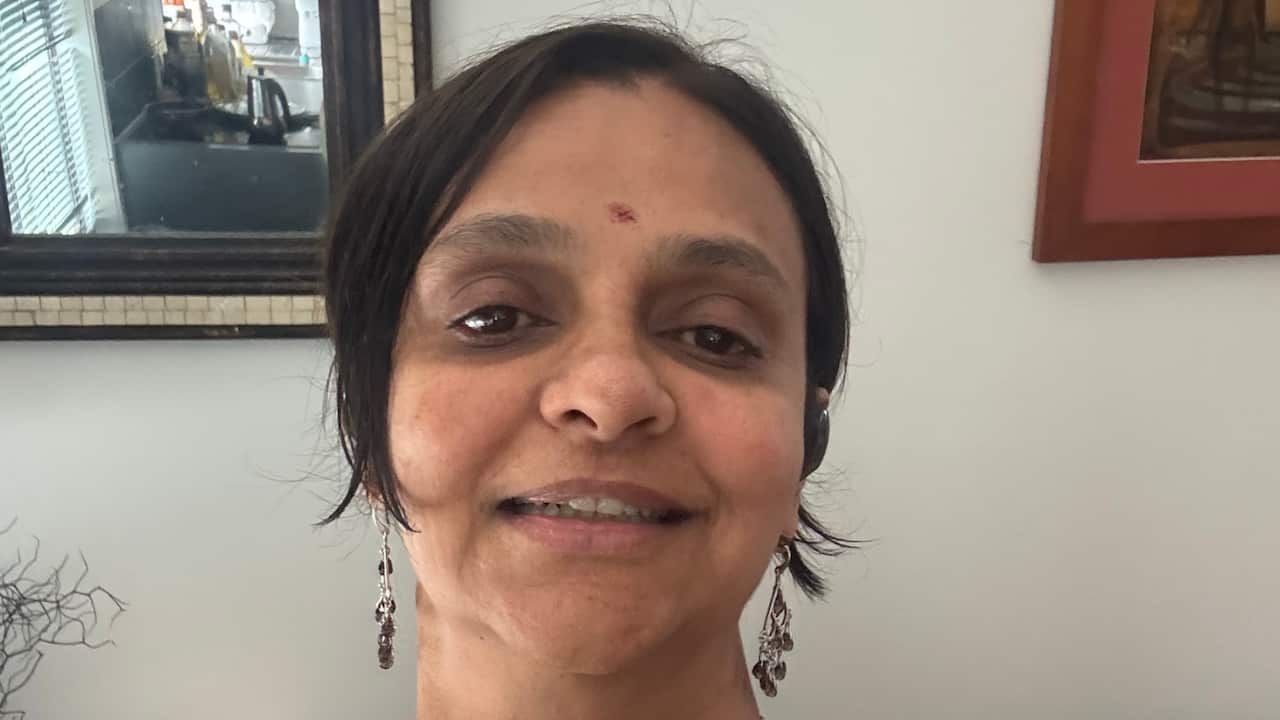
Deciding she didn't want to put herself through the same thing, Veena set clear boundaries with her daughter four months after she gave birth.
"She doesn't expect anything more than what I offer," Veena said.
"I have said that I will never commit to regular babysitting for her."
But there are a few exceptions to this boundary.
"If they want to go on a date night, I'll help them out because that's important for their marriage; and then if there are urgent or emergency things, of course I'll help."
"My view is that they need to find resources and create their own babysitting and money to handle those things. It's not my thing to help them out."
The tipping point
Myra Hamilton is a sociologist at the University of Sydney whose research focuses on gender, work and care.
She says that grandparents who set clear boundaries around what they're willing to do regarding childcare are less likely to experience negative impacts on their health and financial security. She says grandparents providing occasional or regular childcare has its benefits.
"[It] actually can be positive for grandparents' mental health, their mood; it can be positive for their physical health, their fitness or their balance or mobility; and some studies even find that it can be positive for cognitive health ..."
But the sociologist said there is a "tipping point" when it's no longer beneficial.
"Our own research has found what we call a tipping point of about 13 hours of childcare per week ..." she said.
"That's when you started to see things like they were less likely to say they felt they had a choice, they were more likely to feel obligated, they were less likely to enjoy providing the childcare."
Prioritising family
Unlike Veena, Fiona Ninnes has a standing agreement with her daughter, who is a single mother working full-time, for regular childcare.
But prioritising grandparenting responsibilities has meant personal sacrifice for the retired teacher and her husband — including her no longer having time to participate in community theatre and having to relocate.
The couple used to live in the Southern Highlands, 90 minutes' drive from Sydney, but had to downsize to a Sydney apartment when the commute to babysit became too taxing.
"It's affecting our hip pocket, but we don't have the petrol costs ... because we can now jump on a train.
"I don't know if it's exactly balanced, but we're happy with it."
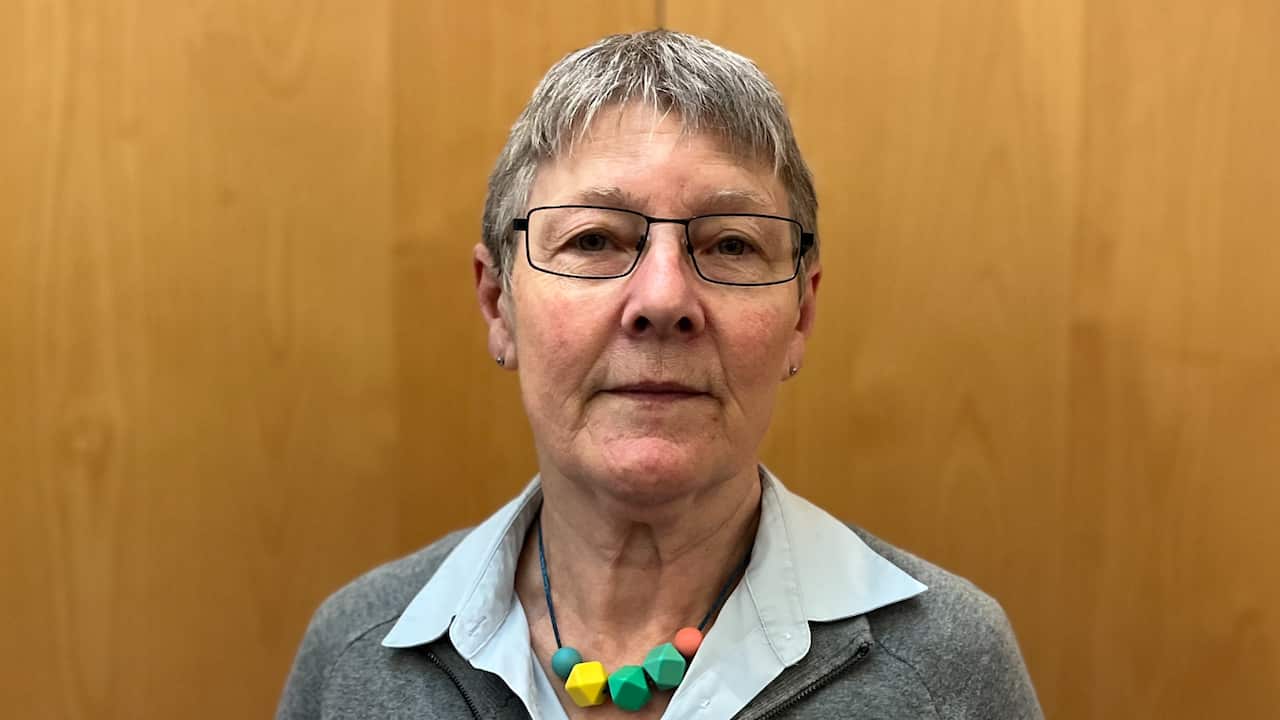
The 67-year-old minds her five-year-old and two-year-old grandchildren every Tuesday afternoon and all day Wednesday.
"Both of them have had a lot of health issues ... They were both going to daycare but had to be withdrawn because of the health issues.
"[My granddaughter] was constantly in hospital. If a child [got] a cold, she would get pneumonia."
When she's not babysitting, the retired teacher likes to spend time with other family members — including her four other grandchildren.
"But if one of our other [grandchildren] is in hospital, then yeah, I can often feel like I'm a piece of string stretched in too many different directions."
When that happens, Fiona knows it's time to take a step back to stave off burnout.
"If I've done 10 days straight and I'm absolutely exhausted because it's 24/7, I have to say, 'Okay, well, you've got a nanny coming in'."
"Even though I absolutely adore spending time with them ... it is exhausting."
'I didn't want to take money from my own daughter'
Like Fiona, Kaaran Moody also provides regular childcare for her daughter Christine, who transfers Kaaran some money each week as a token of appreciation.
"I told her I didn't want money for looking after him because I just love him, and I love her, and I wanted them to get ahead financially.
"But she insisted on paying me whether I wanted it or not."
While Kaaran says she felt very guilty for accepting the money, she says it is helpful.
"I didn't want to take money from my own daughter, especially because we never had a hand when we were young parents, and we wanted to give her what we'd never had.
"But at the same time, I wouldn't have been able to afford petrol. And I was able to take him to activities ... buy him toys, games and books."
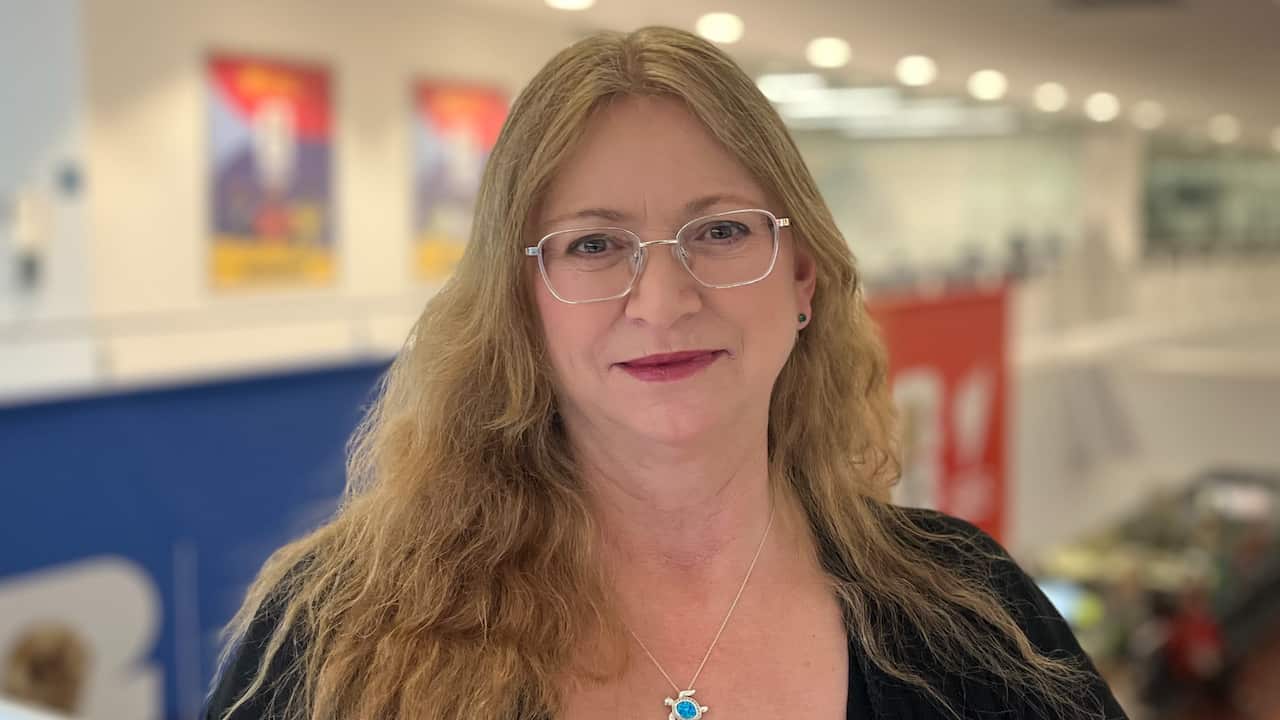
The 56-year-old and her daughter worked together as early childhood educators at an Adelaide childcare centre before Kaaran offered to mind her grandson at home and stopped working.
When Christine returned from maternity leave, she would drop her son off in another class at the daycare and work in the other, which proved difficult.
"He wasn't eating; he wouldn't sleep; and she would come into the room, and he would just be really distressed, wanting her to cuddle him," Kaaran said.
"And she couldn't because she's literally at work."
Grandparenting in Australia
For grandparents who provide regular childcare in Australia, 70 per cent change their working hours, 50 per cent reduce their working hours, and one in five reports changing jobs to accommodate their childcare responsibilities, a 2020 survey by the University of Sydney found.
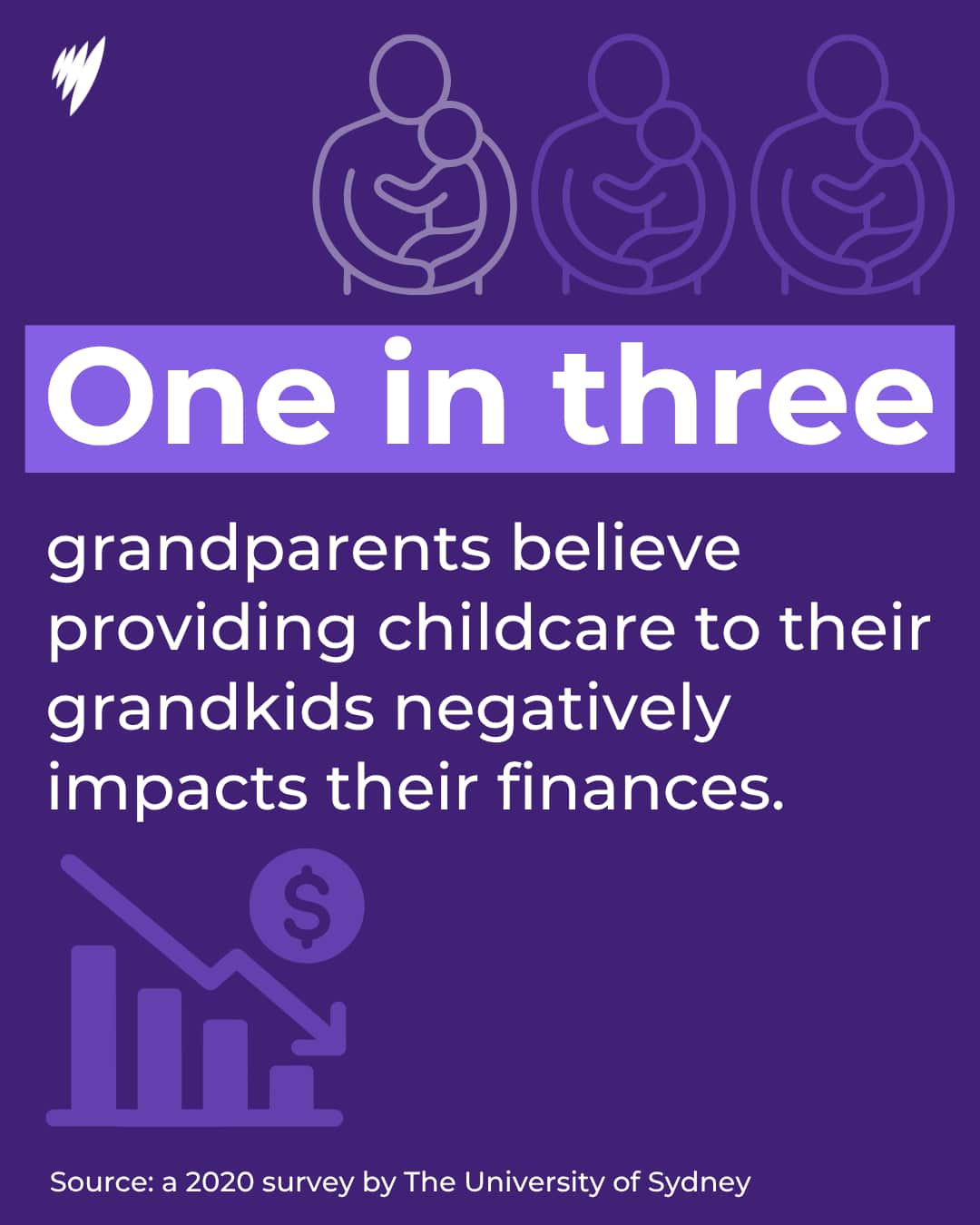
The survey also reported that one in three grandparents believed providing childcare to their grandkids negatively impacted their finances — by working less and earning less super, and through the direct costs of childcare, such as buying nappies and baby food.
Hamilton notes that childcare can be expensive, hard to find a placement, sometimes not culturally appropriate, and often "not flexible enough".
"When you ask grandparents why they're providing regular childcare, the most common reason they provide is to support their adult children in paid work," she told Insight.
"Especially their adult daughters and daughters-in-laws — supporting them to invest in their careers."
Hamilton said that grandparenting is often gendered — with grandmothers being more likely to take on childcare duties. And these duties are often taken on during a time when some older women are also trying to work and save for their financial future.
The sociologist says that men and women often take on different roles in providing care for grandchildren.
"Grandmothers are more likely to provide routine childcare tasks (like bathing, feeding, and putting the child down for a nap) ... Whereas grandfathers are more likely to be involved in things like transporting the grandchild to and from daycare or play-based tasks."
"And we also find that more of the hours that grandfathers spend providing childcare are spent with the grandmother also present, whereas grandmothers are more likely to be providing that care on their own."
'It's probably not a natural role'
Before becoming grandparents, family lawyer Franco Pomare expected that he and his wife would take on traditional grandmother and grandfather roles.
"I would've thought my wife would've taken on the greater role," he said.
"I would eventually slow down at work and I would pick up the slack."
However, Franco's wife, Lydia, had a stroke five years ago, which left her with limited mobility, cognitive impairment and memory loss.
"The heavy lifting I think, is normally done by a grandmother," the 66-year-old said.
"But that hasn't occurred."
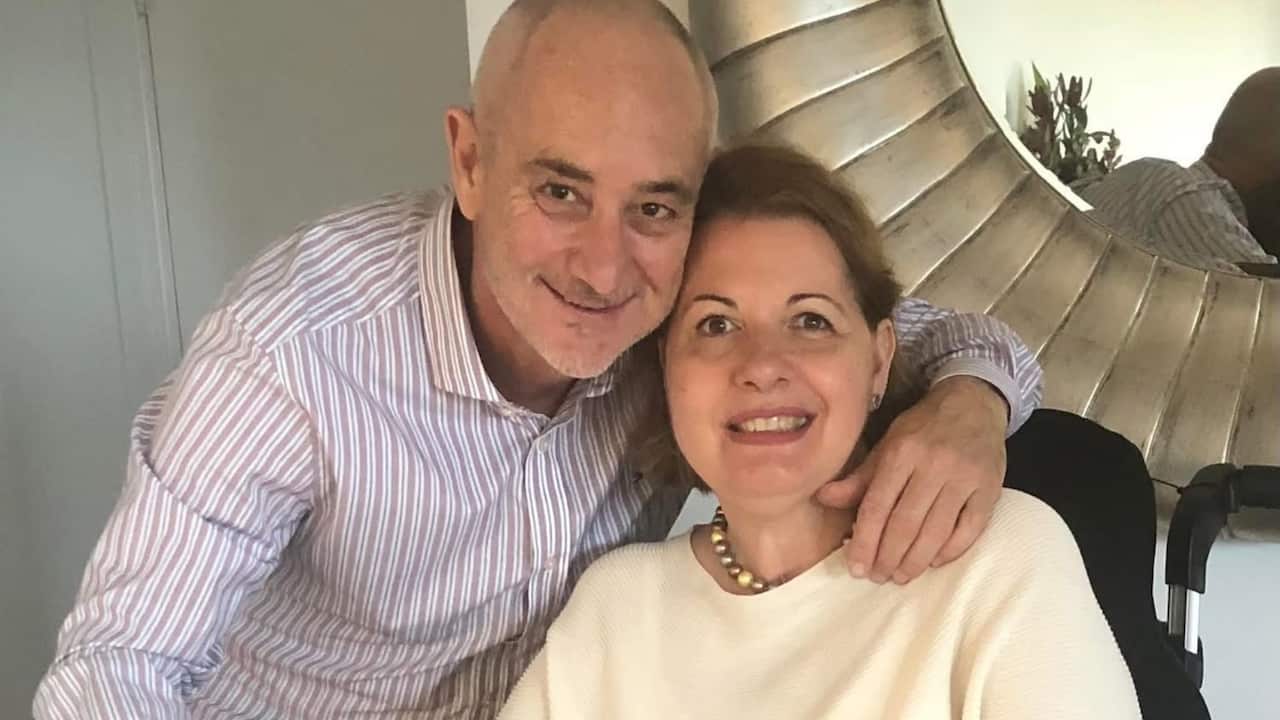
Franco has reduced his hours at his family practice, where he works with his daughter Gabriella, to be a more involved grandfather.
He does school pick-ups for his six-year-old grandson and spends more time at home with his wife and her carer, who look after Gabriella's two-year-old daughter.
"It's probably not a natural role," Franco said.
"But I'm adapting to it."
Watch your favourite Insight episodes around the clock on SBS On Demand's dedicated Insight channel. For the latest from SBS News, download our app and subscribe to our newsletter.

Insight is Australia's leading forum for debate and powerful first-person stories offering a unique perspective on the way we live. Read more about Insight

Have a story or comment? Contact Us







