This audio is voiced by AI and may occasionally mispronounce words.
Share your feedback and help us improve this feature. Read more about how we use AI at SBS here.
Aussies have long held a narrative of the resilient “battler”. But recent history suggests the days of "she'll be right," may be behind us. Insight explores whether the little Aussie battler still exists or whether a culture of complaint has taken over. Watch Insight episode Wired to Whinge on SBS On Demand.
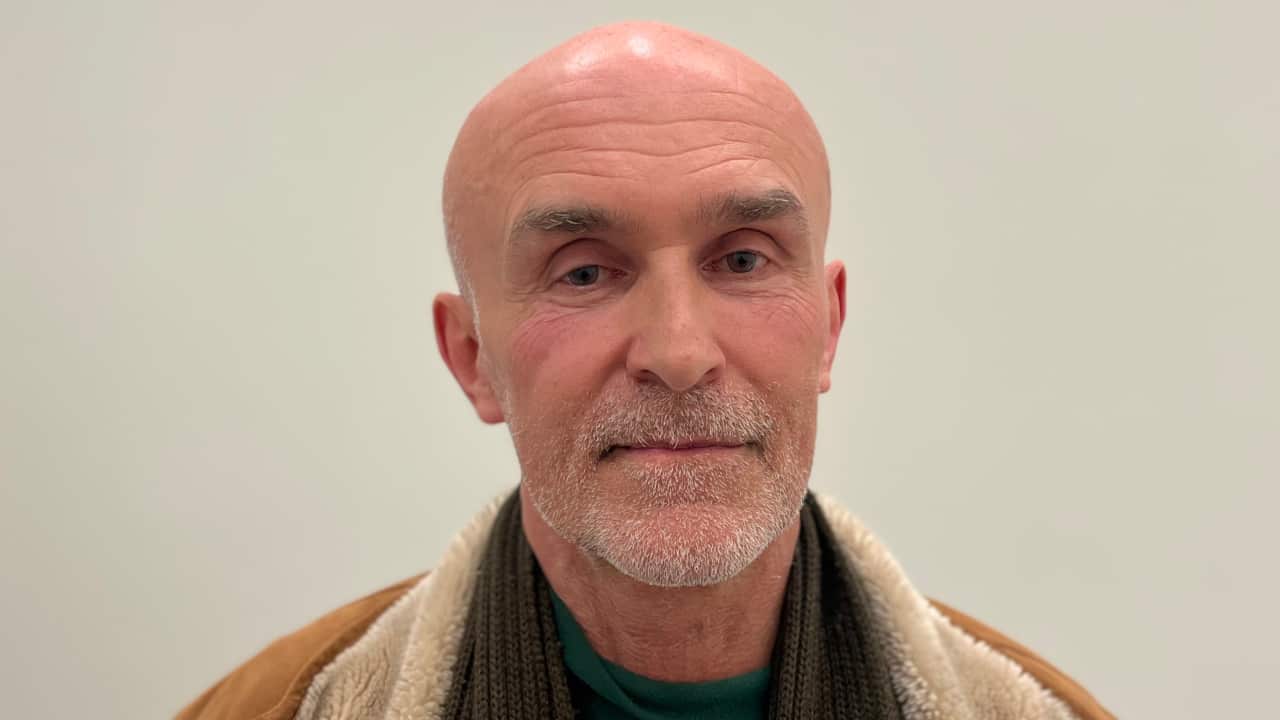
Semi-retired lawyer Walter Bilas says he is not a whinger but has dabbled.
"Whingeing shouldn't be disparaged. I think it's a right in any liberal democracy like Australia," he told Insight.
News that makes sense
Your trusted source for staying up-to-date with the world around you. Get free daily news updates and analysis, straight to your inbox.
"There are laws there which have to be upheld; sometimes those laws don't function. People whinge when they don't function."
Having lived in Sydney's Inner west since immigrating from the UK a few years ago, Walter feels a sense of civic duty to the neighbourhood.
He acted on that sense of duty most acutely a few years, taking issue with what he describes as a "problematic nightclub".
"When the club shuts down in the early hours — or late at night, rather — you've got the antisocial aspects of people slamming car doors, people shouting, people urinating in the street, people leaving bottles, cans, et cetera ... "
He said it was taking a toll on himself and his neighbours.
"People wake up to mess in the morning ... People can't sleep — it stresses people out."
Walter took the neighbourhood's noise complaints, which included a petition signed by more than 150 residents, to the Inner West Council and Liquor & Gaming NSW.
He said there is an "art" to complaining that required one to be organised and to go to the top authorities about the problem.
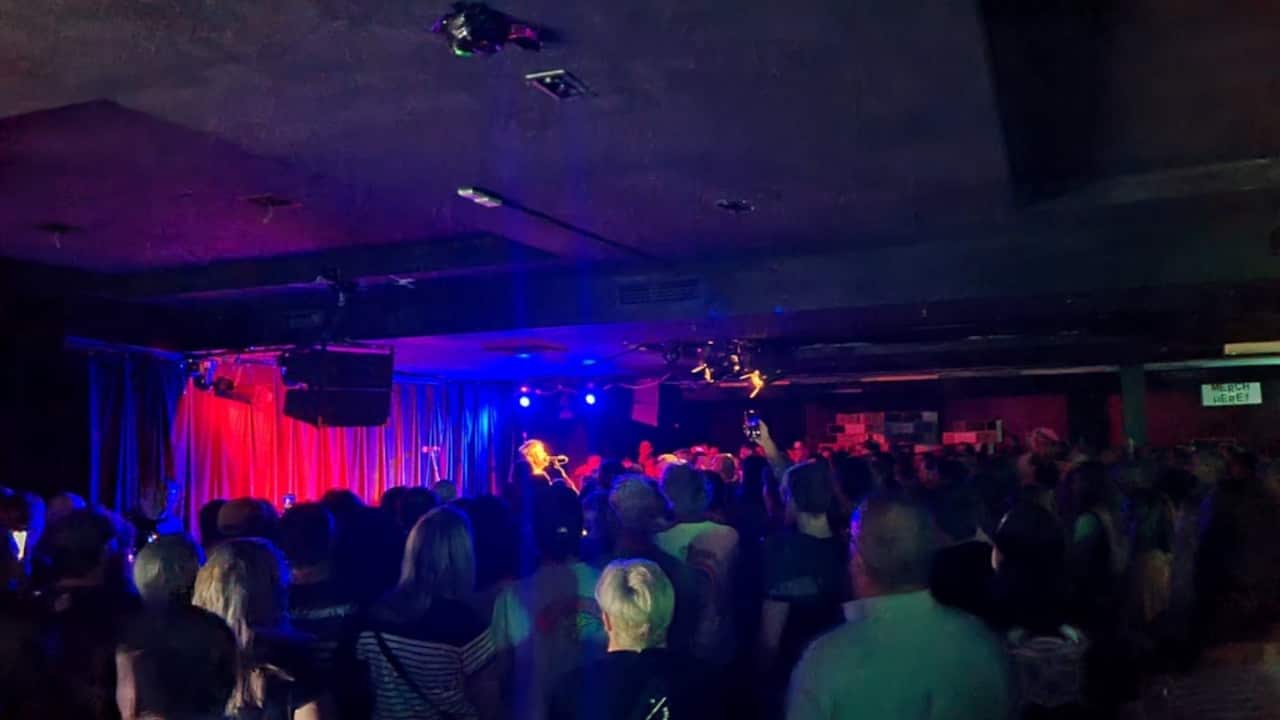
Alison Flett never imagined her live music venue would cause such conflict when it first opened in 2021.
She had experience running similar venues and made sure every aspect was up to standard.
"It was DA-approved. My lawyers, my town planners, my advisers said, 'You'd be mad not to take this place over'," Alison said.
It was when new government-mandated COVID-19 restrictions — including rules around physical distancing — took effect that she says venues like hers were encouraged to make use of their outdoor spaces.
While this allowed Alison's venue to continue operating, it also meant locals were more exposed to noise; and in 2023, the complaints ramped up.
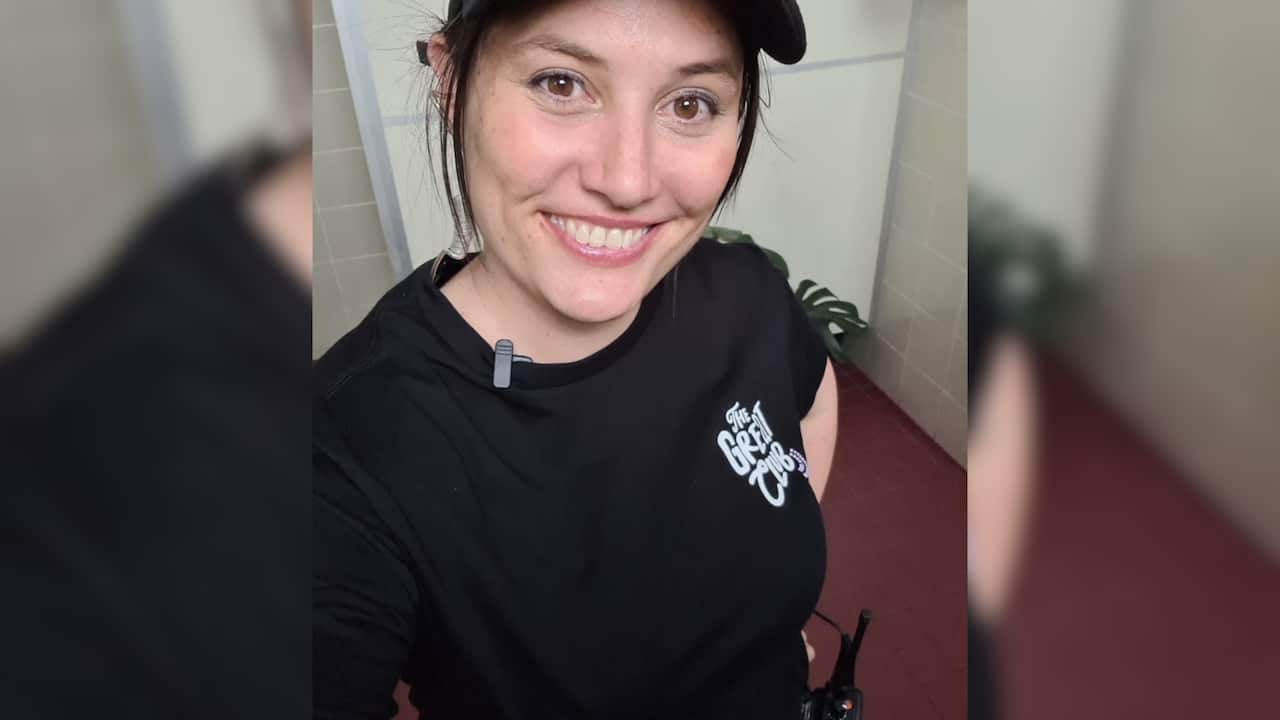
Alison said one letter from the council even informed her she was on criminal notice.
"I didn't really know what the criminal notice was, because as far as I was concerned, I was just running a live music venue — and that scared me as a young entrepreneurial lady."
The complaints triggered an investigation, which led to Alison having to change the venue's licence, install a noise limiter, pay fines and hold monthly meetings with the police.
"I was starting on the back foot [having reopened the business during the COVID-19 pandemic] but then lump in legal fees, fines, putting in noise limiters, investing time and money into making sure that the neighbours wouldn't complain ...
"It left me with no money and no choice but to close [in 2024]."
Complaining to get ahead?
As a retail worker at a Sydney optometrist, Lauren Leung has also been on the receiving end of complaints.
"After working in retail for a substantial amount of time, you get to notice a pattern with customers — and they tend to try to take advantage of your customer service."
She said customers adopted an attitude of, "I really want to get my money's worth out of this complaint" to get new frames or lenses and "they pick a fight or they often stay in the store for quite a long time".

Outside of work, Lauren wears the self-proclaimed title of whinger with smells often being a topic of complaint.
"I have a very good sense of smell. One particular major thing I get irritated by is people's smell on public transport — especially when you're crammed in like sardines."
As an engineering student, she said exam times are particularly difficult.
"You can smell people from across the room who've been cramming for exams ..." she said.
"You've really skipped that shower to get that extra 20 minutes of study time."
But she believes whingeing has its advantages and can be a means of gauging perspective.
"I whinge to see, 'Oh, are my thoughts and opinions within reason? Does everyone else think about this? Or am I out of line?'"
Why do we whinge?
Psychologist Sue Read, who has a neuroscience background, says there's a reason we whinge, and why many find connection in doing so.
"We are wired to whinge; we are wired to look for the negative," Read told Insight.
"We evolved in a time of scarcity; we are social animals. So being able to communicate what was wrong actually did help us survive."
But Read said that there can be "profound impacts" if we are constantly focusing on the negative — and if we're complaining without wanting to have an outcome.
"At one level, it keeps us in a heightened state of threat. So we're flooding our body with adrenaline and cortisol and stress hormones. We feel more defensive. We see more perceived injustices," she said.
"It makes it harder to access the higher-order prefrontal cortex, which is responsible for things like compassion, empathy, nuance and complexity."
We've 'gone soft'
Sydney business owner John Megalli prides himself on not whingeing. In fact, he has very little patience for it.
"I don't put my energy into whinging," he said.
"Because the more I put my energy into that, the more I don't grow."
John built a multi-million-dollar air-conditioning business from the ground up in western Sydney's Mount Druitt and believes whingeing limits our potential.
"You're looking in the rear-view mirror when you've got a massive screen in front of you — that you can move forward through — but you're still looking backwards.
"So, you're not progressing."
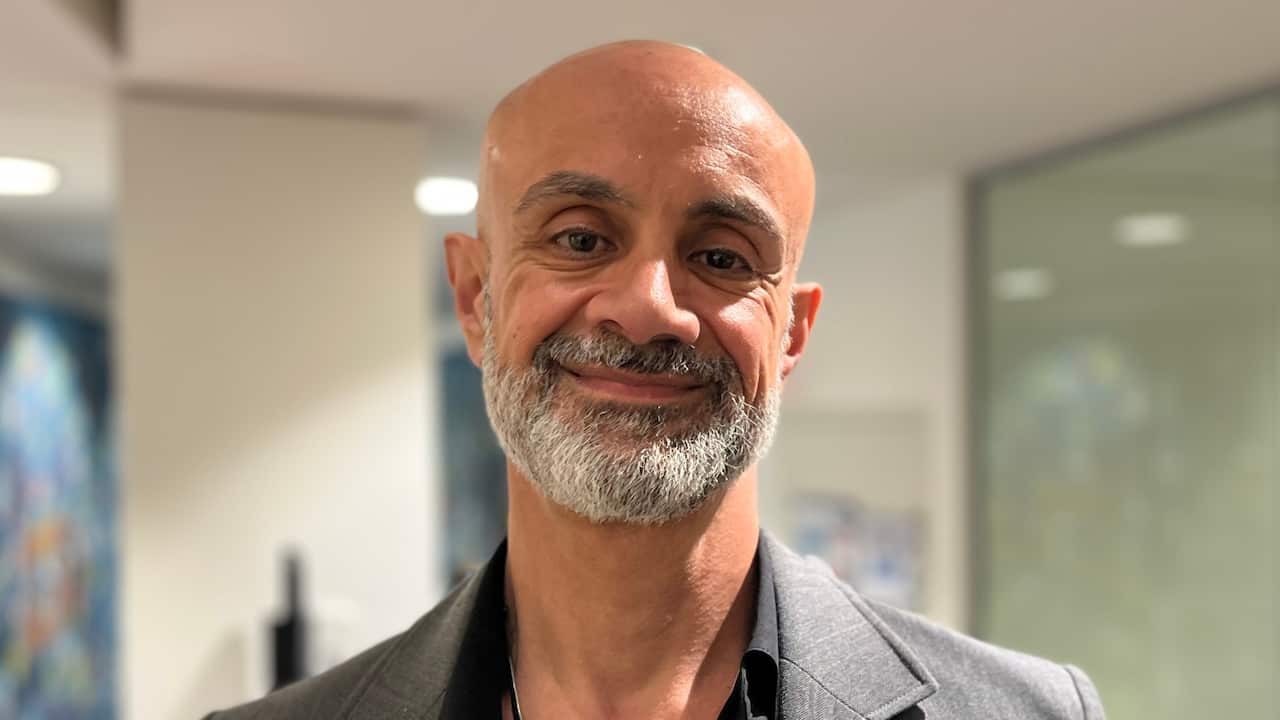
John believes whingeing is culturally common in Australia and we've "gone soft".
He said younger generations complain more due to a sense of entitlement and comparing themselves to others.
"We have it with our apprentices.
"After a year and a half of being an apprentice, they want to be the CFO."
Competitive suffering
When asked if there is more for us to complain about today, Read said it's relative and if we look at previous generations, "the things they really struggled with were often real-life survival".
"The way we live now is like only royalty could live in the past [with the exception of the lowest socioeconomic demographic]," she said.
Although people struggle with different things, the psychologist says we must be careful of "competitive suffering", the act of comparing or ranking one's suffering against others.
"This idea that we hold onto now that 'my pain is worse than anyone's ever in history' becomes a problem ... like I think 1850s for women [was] probably not a great time [neither was wartime in the 1940s] ...
"There is a problem when you think you're the only one who's ever experienced it, because that actually isolates us more."
Read says that constantly focusing on the negative does not make for a better life and that it is important to acknowledge your hardship, have compassion and seek support for it if needed.
'You have to complain to get things changed'
Walter said that after a year of complaining the community was relieved when Alison closed her venue and their "immediate problems had vanished overnight".
But the complaint campaign was only a temporary success as there is a new venue operating in the same space.
"We still occasionally hear rowdy behaviour on a Friday or Saturday night; so, the problem is still there," he said.
Walter still believes in the power of complaining to achieve a "sense of justice" and "fair dinkum" in the community.
"If we don't whinge, well, there's pent-up frustration, and we start taking the law into our own hands ... and that basically is corrosive ...
"You have to complain to get things changed, to get things done, to move the agenda forward effectively."
Alison says the complaints had more than a financial toll on her.
"My mental health had deteriorated so much that I needed to stop ..."
"I don't run that business anymore, and I'm really not in the music industry and not interested at all in going back. I took it very personally."
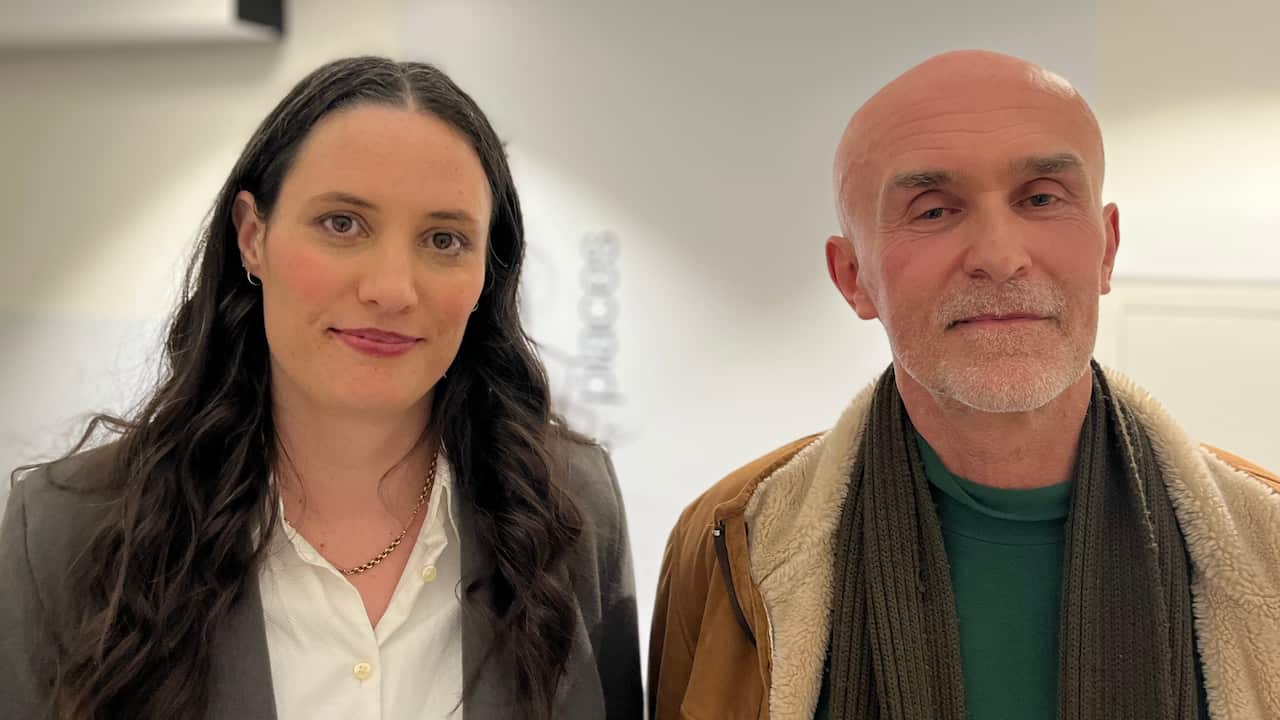
She wrote handwritten apologies to several locals when she closed her business.
Believing this to be a "very noble act of contrition", Walter contacted her to meet, and the pair had coffee where they shared and understood each other's perspectives.
"My eyes opened — I actually saw that it would have been pretty upsetting," Alison said.
Watch your favourite Insight episodes around the clock on SBS On Demand's dedicated Insight channel. For the latest from SBS News, download our app and subscribe to our newsletter.

Insight is Australia's leading forum for debate and powerful first-person stories offering a unique perspective on the way we live. Read more about Insight

Have a story or comment? Contact Us







