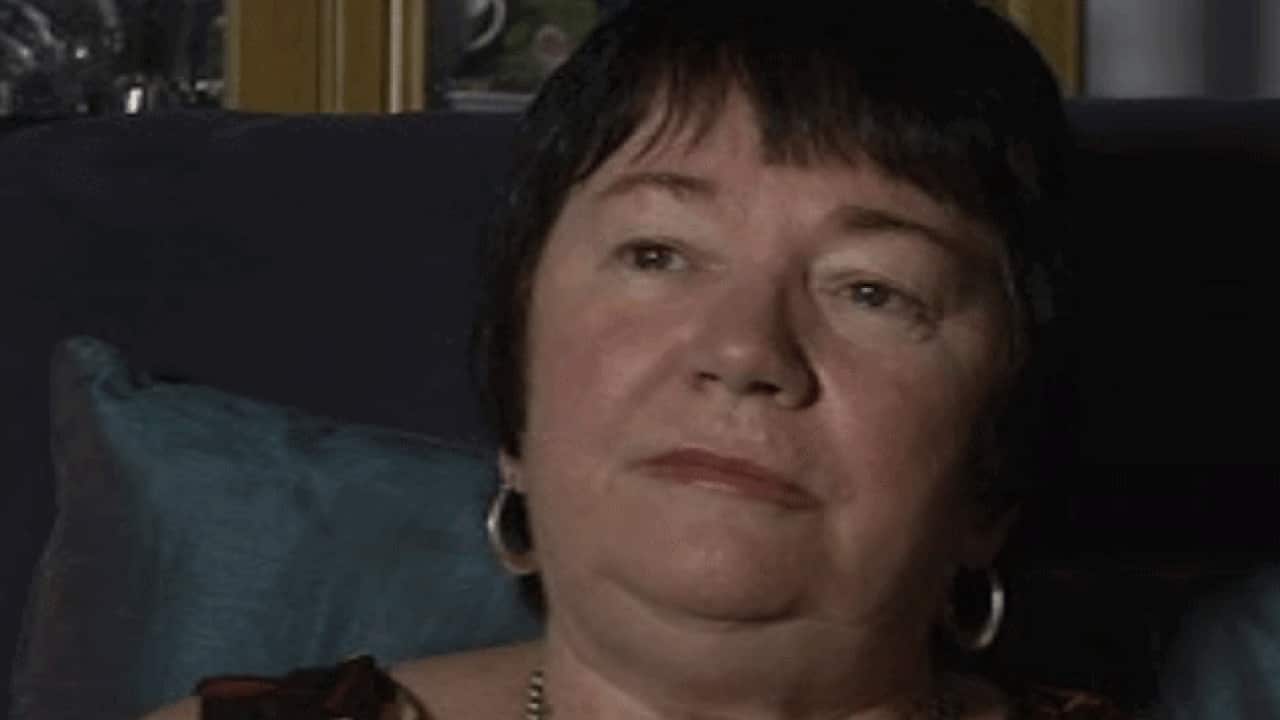
Lily Arthur has spent most of her adult life trying to understand why her child was taken away from her just after she had given birth at a Queensland hospital more than 40 years ago.
A formal apology from the federal government might bring about a sense of relief, she says, but it will never be enough to reverse years of pain.
“I think most of us would find some peace in seeing it actually happening. Most of the mothers I've spoken to over the last few months leading up to it are more curious, I suppose, of how they're going to feel afterwards,” she says.
Lily is concerned the federal apology, which is to be announced by Prime Minister Julia Gillard on March 21, may not go far enough to support parents and children affected by forced adoption.
“I think the [state-based] apologies that have been given so far haven't shown the true sincerity that they should have done,” she says.
News that makes sense
Your trusted source for staying up-to-date with the world around you. Get free daily news updates and analysis, straight to your inbox.
“Very few of them have admitted the unlawful practices that took place in the past. And they haven't acknowledged the mental health damage that they've done to the people affected by past practices.”
The bookcases that line Lily Arthur's small study at her home in Sydney's west are stuffed full of documents. Among them lie government reports, personal accounts and case notes obtained from sources and under freedom of information laws.
They belong to the support organisation Lily runs for mothers of forced adoptions and represent her life's work.
Like others in her situation, the forced adoption of her baby son was something she believes she'll never fully recover from.
“It's devastating to realise that the only child that you had, that carried the family name, has been planted onto a stranger's family tree,” she says.
“I find that so offensive I can barely talk about it. That people thought they had the right to do that.”
For many, it will be an apology that comes too late.
“We've lost an awful lot of mothers in that time, I can tell you,” says Lily. “There have been an awful lot of beautiful, vibrant activist women that have died, you know, with that still unresolved.
“And a lot of their children. That's a lot of adopted people. We've got a lot of wreckage there, as far as their lives are concerned.
“They've been suffering for many, many decades because the system was well aware that children separated from their mothers were going to receive huge traumatic blows.
“That's why we can't forgive them on this. They didn't act with ignorance on this. There was a lot of research.”
INSIGHT: How do you heal after a mass injustice?
Lily will travel to Canberra with her husband and family members, including her son's father, with whom she remains close.
“My son was the result of a loving relationship that I had and I still have very fond memories of his father,” she says.
“We did have a life planned, you know, with each other. And that was stolen away from us. So [my son] wasn't rescued or saved. He was taken. And I suppose at the end of the day I think that my son is still stolen. He still hasn't been given back to me.”







