
Israel and Lebanon have agreed to formally launch direct negotiations with one another after historic talks in Washington, mediated by the United States. The first direct talks between the two countries in more than three decades have been characterised as a diplomatic milestone. But, negotiations have been overshadowed by conflicting agendas, and ongoing fighting.
Listen to Australian and world news, and follow trending topics with SBS News Podcasts.
TRANSCRIPT
Direct talks between Israel and Lebanon have ended in Washington, following more than a month of escalating fighting between Israel and the Iranian-backed Lebanese militant group, Hezbollah.
The meeting comes at a critical juncture of the crisis in the Middle East- one week into a fragile ceasefire between the United States, Israel and Iran.
It's the first time in more than 30 years Israel and Lebanon have held diplomatic talks, and both sides have described the discussions as positive.
US Secretary of State Marco Rubio, who mediated the talks, has praised the conversation as a historic opportunity to build a lasting peace, after decades of tension.
"We understand we are working with decades of history and complexities, that have led us to this unique moment and the opportunity here, I know some of you are shouting questions about ceasefires, this is a lot more than just about that. This is about bringing a permanent end to 20 or 30 years of Hezbollah's influence in this part of the world."
Lebanon's Ambassador to the US, Nada Moawad, who led the Lebanese delegation, has described the meeting as constructive.
Israel’s Ambassador to the US, Yechiel Leiter has called the meeting a wonderful exchange; saying both nations are on the same page in their approach to Hezbollah.
"We are both united in liberating Lebanon from an occupation power dominated by Iran called Hezbollah. Lebanon is under the occupation and we are suffering from their constant barrages of missiles and terror attacks trying to cross the border."
While the rare talks have been deemed a diplomatic milestone, the discussions were overshadowed by ongoing fighting.
The talks were not attended by Hezbollah, who announced renewed rockets had been launched at northern Israel as the discussions began.
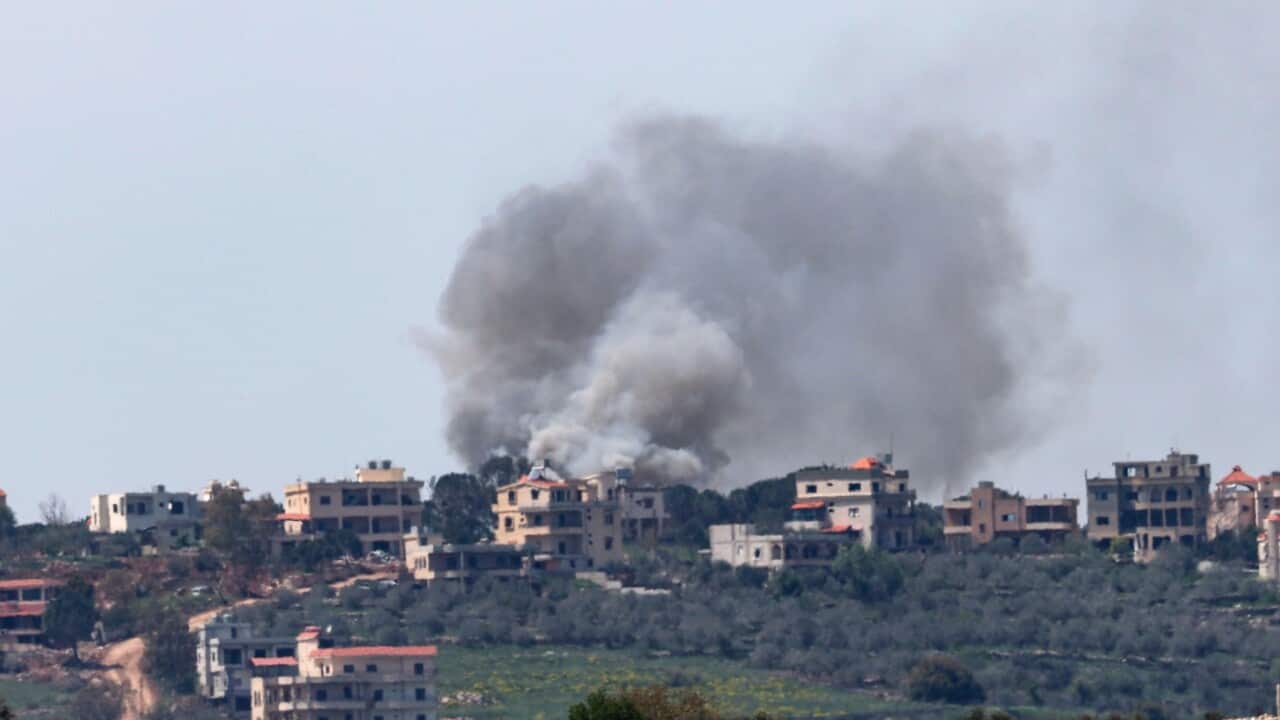
In the days leading up to the talks, Israeli troops escalated attacks in southern Lebanon.
The talks in Washington also revealed conflicting demands, and conflicting expectations of what a peace deal might look like.
Ms Moawad says Lebanon is calling for a ceasefire, the return of displaced people, and concrete measures to ease the humanitarian crisis the country is experiencing.
She has issued a statement on Lebanon's priorities, which in part reads:
“I reiterated the urgent need for the full implementation of the November 2024 cessation of hostilities agreement. I emphasised the integrity of our territory and full sovereignty of the state over all Lebanese land."
Israel meanwhile, has ruled out discussing a ceasefire, Mr Leiter reiterating Israel's calls for the disarmament of Hezbollah and demilitarisation of southern Lebanon as the primary objectives.
"It's imperative that there's a complete delinkage between Lebanon and Iran. Iran is the malign influence in the region and around the world, and Hezbollah is their proxy next to Israel. It's like a front operation of Iran against Israel. And now is the opportunity to push them back because they're as weak as they've never been."
Since the talks, all parties have agreed to formally launch direct negotiations at a time and place mutually agreed upon by Israel and Lebanon.
But, some experts say the absence of Hezbollah, which has become a dominant force in Lebanon's political and military landscape, casts significant doubt on the possibility of reaching an agreement.
Dorothee Schmid is head of the Middle East and Turkiye Department at the French Institute of International Relations.
She says Hezbollah's lack of involvement in talks poses a significant obstacle.
"So these negotiations are between the state of Israel and the state of Lebanon, but the state of Lebanon itself, the present government, seems unable to finally tame Hezbollah and to rein in their influence in Lebanon."
She says while the talks in Washington mark a significant symbolic step, immediate positive results are unlikely.
"Clearly, the Israelis didn't want a ceasefire. They think they have to keep on fighting Hezbollah themselves because they know the Lebanese authorities are unable to disarm Hezbollah. And apparently the Israelis accepted these talks only under very strong pressure from the United States, who don't want the ongoing Israeli military operations in Lebanon to derail the diplomatic process with Iran."
Lebanon's Health ministry says more than 2,000 people have been killed in Lebanon since the fighting escalated in early March.
Israeli officials have reported a dozen Israeli soldiers and two civilians have been killed in the same period.
As hostilities continue unabated, the UN has reported a severe and intensifying humanitarian crisis in Lebanon, with more than one million people displaced.