

There are grave concerns for Australia's seal and sea lion populations after a second suspected case of H-5 bird flu was detected in a mammal along the South Australian coast. With vaccine rollouts underway for bird populations, officials say they're still searching for an available vaccine for mammals.
Listen to Australian and world news and follow trending topics with SBS News Podcasts.
TRANSCRIPT
The devastating H5 bird flu has marked a grim milestone in Australia as the first confirmed transmission between a bird and mammal species signals serious trouble.
With the second case in a dead seal confirmed just days later, experts warn the worst is yet to come.
Doctor of Veterinary Medicine at the University of New South Wales Professor Rachael Gray has seen the spread of bird flu in seals first-hand in the subantarctic region.
"Basically, we were in zodiac boats off the shore of one of the main southern elephant seal sites on South Georgia, and basically you just saw a line of dead animals along the tideline. A few deep and then at other sites we just saw dying animals, dying birds, and we were just collecting samples from around those areas and sending them back to Australia for testing."
Avian influenza, or Bird Flu, is airborne and contracted by birds and other mammals when they breathe or ingest it from another animal.
In 2023, an outbreak of the H5 strain killed more than 17,000 southern elephant seal pups in Argentina and more than 13,500 on Australia's Heard Island last year.
"Based on what we've seen overseas in South America and the subantarctic, we know that seals and sea lions are at very high risk of infection and at risk of mortality. Now that we know that we've got avian transmission in Australia and we've got what looks to be avian-to-mammal transmission, it's very concerning that there might be some mass mortality events and more widespread distribution of this virus."
With two confirmed cases in seals, experts also warn that Australian sea lions could be on the verge of a mass mortality event.
Australia is home to around an estimated 10 to 13,000 Australian sea lions and around 85 per cent of the population are in South Australia, where the first case in a mammal was recorded.
Professor Gray says the already endangered population is at serious risk.
"The population estimates range from less than 10 thousand to upwards of 12 thousand and the problem for the Australian sea lion in terms of if they are actually hit with mass mortality events is that they actually have a low population size and its also quite distributed across the South Australian and Western Australian coast so there is the potential for specific sites to be really heavily impacted by bird flu."
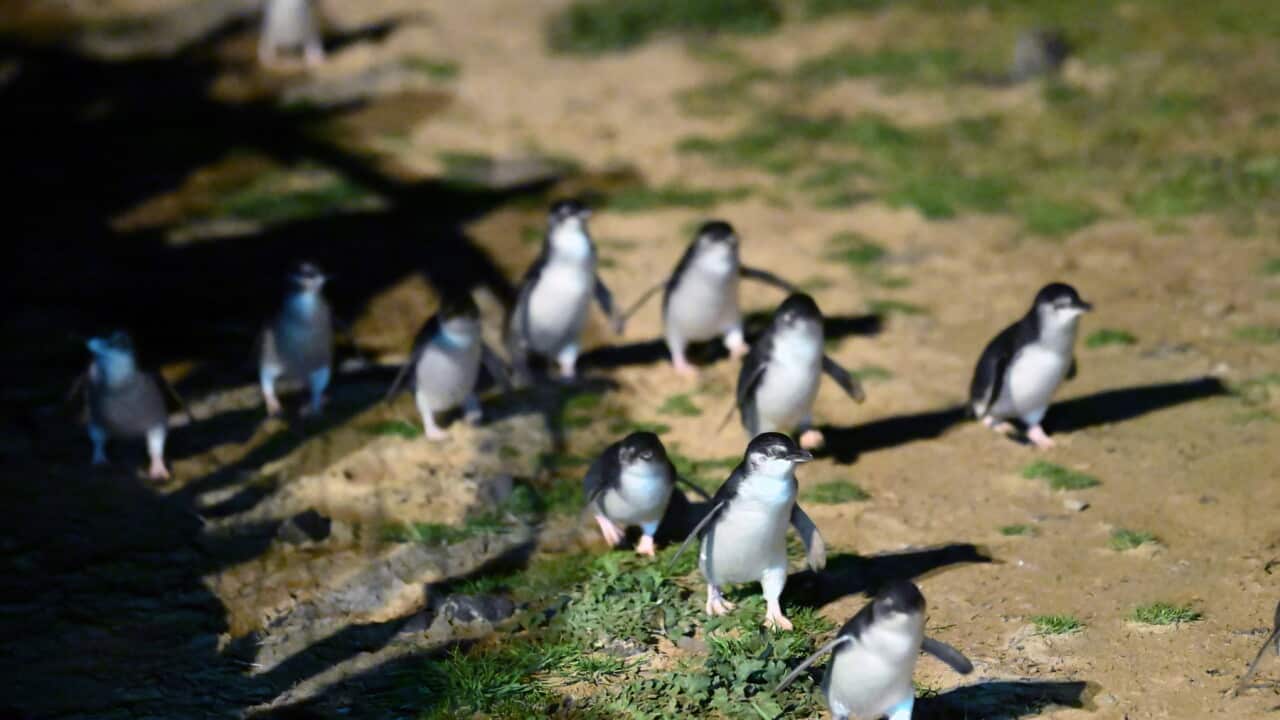
While bird flu vaccinations are underway in specific bird populations, such as little penguins, experts are questioning whether the government is adequately prepared.
Agriculture Minister Julie Collins has said the government is investigating whether bird flu vaccine trials for marine mammals in North America could be used in Australia.
However, she says there is currently nothing commercially available to protect vulnerable native seals and sea lions.
Professor Euan Ritchie from Deakin University says more could have been done to prepare for the virus.
"Australia has had several years to be ready for the arrival of bird flu. We're the last continent to be affected by bird flu. But we've also seen just a lack of funding in general for this response, although the federal government has spent $113 million plus an additional $24 million through state and territories; this is a long way short from what we need."
The South Australian government has announced a boost in vaccinations for native birds and authorities in Victoria are working rapidly to vaccinate the little penguin population.
South Australia Primary Industries and Regional Development Minister Clare Scriven says around 180 birds, across more than 30 species, will be vaccinated under the expanded program.
"So native birds here at Cleland Wildlife Park, including orange-bellied parrots and regent honeyeaters, have now been approved for vaccination as part of our response. Other native bird species that will be included are magpie geese, Australian pelicans, regent parrots, and red-tailed black cockatoos."
With 319 confirmed cases of H5 bird flu as of August 25, the fight to protect Australia's wildlife continues.
Julie Collins says while the risk to humans remains low, any sightings of sick or dead birds should be immediately reported.
"I do want to reiterate that at this time there is no evidence of H5 bird flu in our poultry or agricultural systems, and that the risk to human health remains low. And I continue to put out my pleas: if you see sick or dead birds, do not touch them but please go to birdflu.com.au, and please report them. So record what you see, and report it."
Euan Ritchie says with so many Australian species already at risk, the need for serious action and funding is critical.
"We are seeing bird flu spread to multiple states, spanning WA right across to Queensland, and it's also moving inland north of the Murray River region. So unfortunately I think it's a case of when, not if, that this bird flu outbreak spreads much further across Australia and will start impacting a whole range of different species and ecosystems. We already have mammal, bird and other wildlife species that are in significant risk of extinction, more than 2200 species."