SKIP TO MAIN CONTENT

INTERVIEW: Why has the US Federal Reserve raised interest rates? And what are the effects?

DC: Federal Reserve Raises Interest Rates a Quarter of a Percentage Point as Inflation Rises
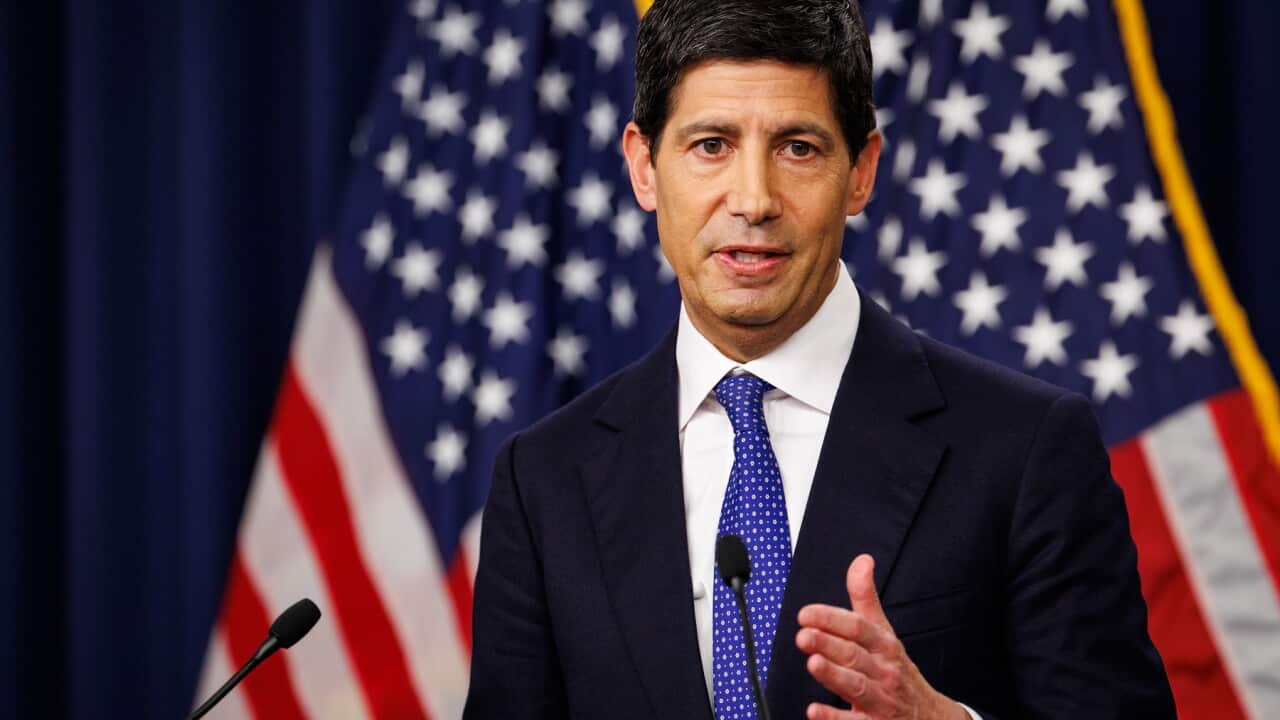
Federal Reserve Chairman Kevin Warsh Source: AAP / Sam Corum/Samuel Corum/Sipa USA

For the first time since 2023, the US Federal Reserve board has voted to raise interest rates. The Fed also flagged further increases in borrowing costs in coming months, with new US central bank chief Kevin Warsh joining a unanimous decision that effectively acknowledges the Trump administration's inability so far to control inflation. While President Donald Trump had promised to lower prices on his watch, the combined impact of his global import tariffs, an energy shock following the start of the US-Israeli war with Iran, and capital spending from the artificial intelligence boom has kept price pressures intense enough that the Fed felt it needed to raise its benchmark overnight interest rate by a quarter of a percentage point, putting it into the 3.75-to-four-per-cent range. Economist Jill Cetina of the Texas A&M University Mays Business School explains this unanimous decision and the impact it can have on the economy.


Published

Source: SBS News


Skip to podcast episode content

For the first time since 2023, the US Federal Reserve board has voted to raise interest rates. The Fed also flagged further increases in borrowing costs in coming months, with new US central bank chief Kevin Warsh joining a unanimous decision that effectively acknowledges the Trump administration's inability so far to control inflation. While President Donald Trump had promised to lower prices on his watch, the combined impact of his global import tariffs, an energy shock following the start of the US-Israeli war with Iran, and capital spending from the artificial intelligence boom has kept price pressures intense enough that the Fed felt it needed to raise its benchmark overnight interest rate by a quarter of a percentage point, putting it into the 3.75-to-four-per-cent range. Economist Jill Cetina of the Texas A&M University Mays Business School explains this unanimous decision and the impact it can have on the economy.


Listen to Australian and world news and follow trending topics with SBS News Podcasts.


Latest podcast episodes

Get SBS News straight to your inbox

Sign up now for daily news from Australia and around the world. You can also subscribe to Insight's weekly newsletter for in-depth features and first-person stories.

By subscribing, you agree to SBS’s terms of service and privacy policy including receiving email updates from SBS.

Follow SBS News

Download our apps

Listen to our podcasts

Get the latest with our News podcasts on your favourite podcast apps.

Watch on SBS

SBS World News

Take a global view with Australia's most comprehensive world news service

Stream now

Watch the latest news videos from Australia and across the world