
Support for One Nation has been on the rise in recent months. But in the electorate of Hunter - a Labor stronghold in New South Wales - the party was the runner up in last year's election, one of only two electorates where that happened. SBS News reporter Kerrin Thomas travelled to Hunter to speak to residents about how they're feeling about the party's latest moves.
TRANSCRIPT
(Sound of cooking in the kitchen)
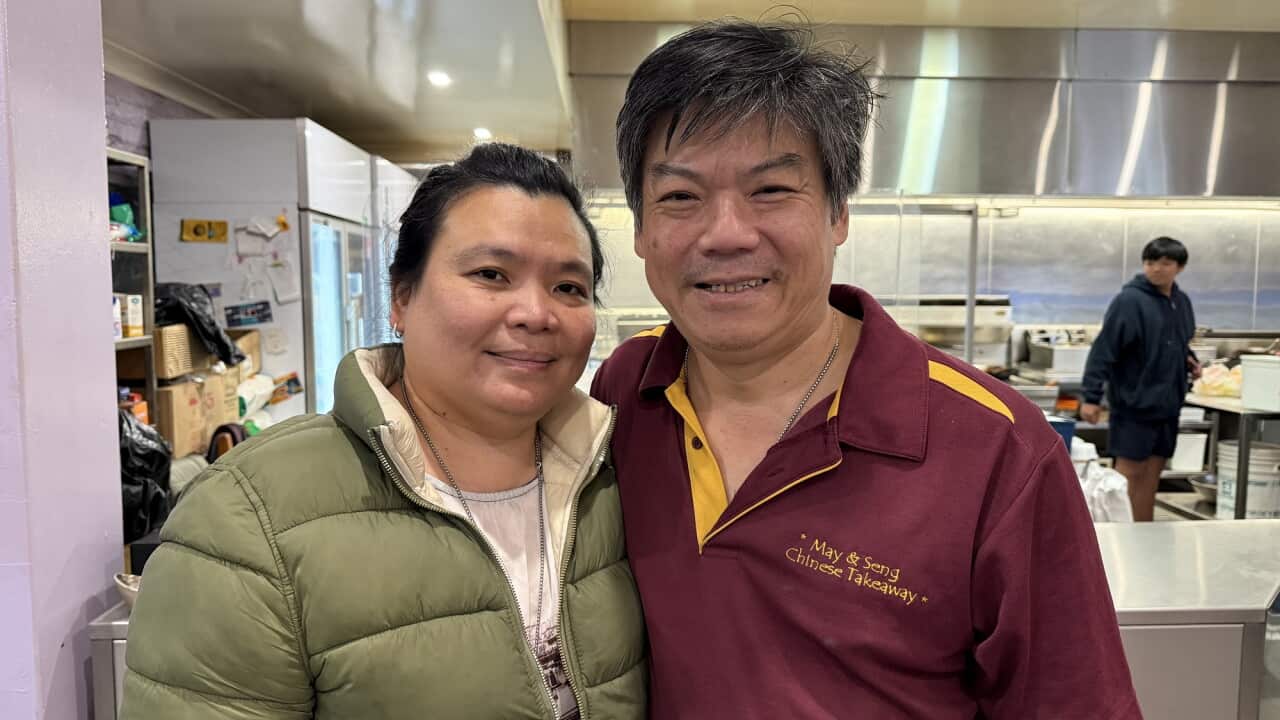
Seng Lim has been serving-up meals in his Chinese restaurant in Heddon Greta for 16 years.
"I'm Malaysian Chinese. When I come here it was 1989. So after I come to here, I decided to stay here because it is the best country in the world. Yeah. So after that, I've been coming here now and then we live here over 38 years."
He recalls a high-profile visitor stopping by a handful of times in the early 2010's.
"My friend bring Pauline Hanson to my shop and I was surprised, I said, "What's going on here? Pauline Hanson is in my shop."
He still remembers her order:
"Always have a satay combination and chicken chow mein."
Two signed photographs with the One Nation leader have yet to be put back on the wall after a recent renovation; but are quick at hand when customers ask to see them, something Seng Lim says happens pretty often.
"I think she's really popular now for sure - because everyone keep asking all the time: Pauline Hanson, when the photo going to get up, put it up!"
His restaurant in Heddon Greta is about a kilometre from the boundary with the Hunter electorate, a seat held by Labor since 1910.
It's an area dominated by coal mining and electricity generation with some of the country's best vineyards.
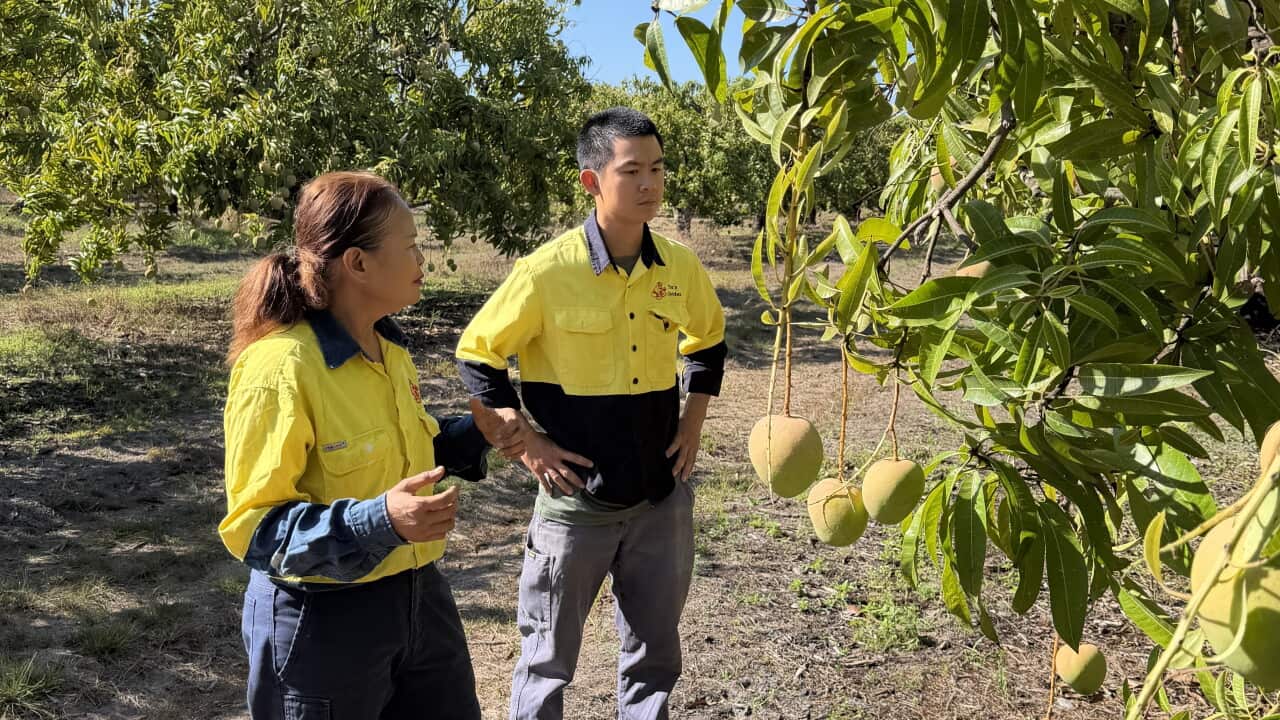
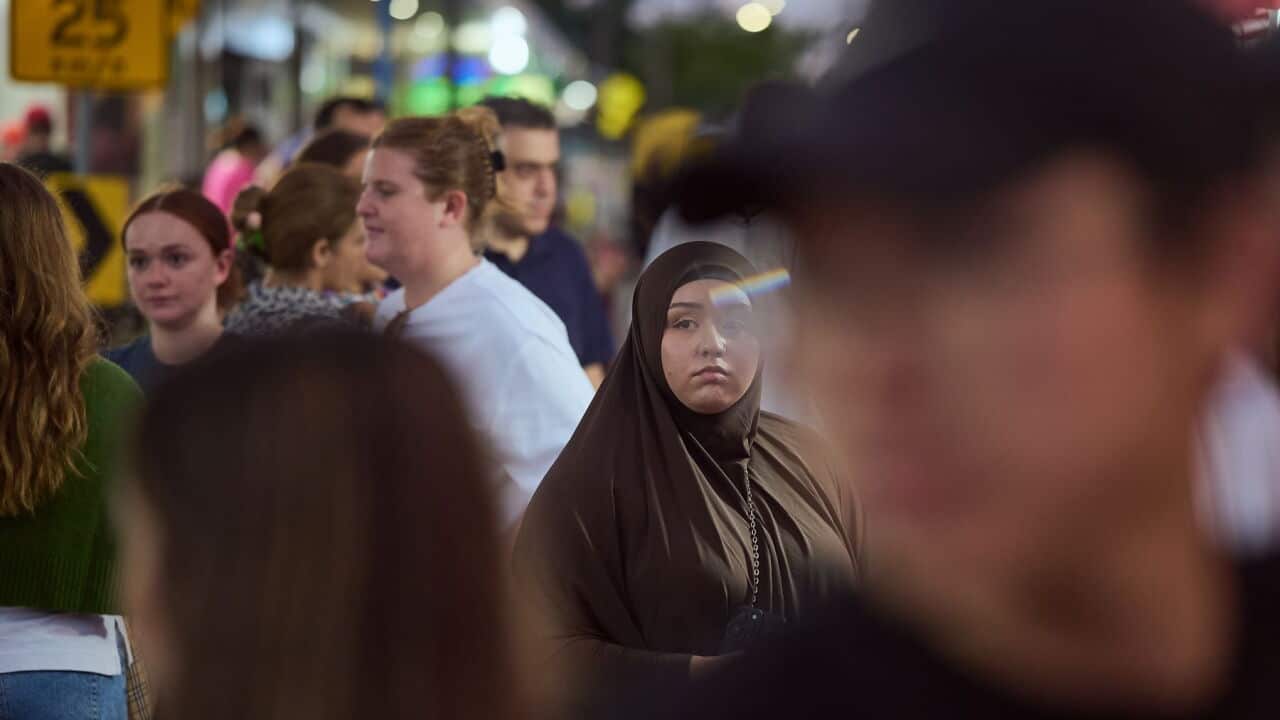
Many voters SBS spoke to on the streets of Morisset, a semi-rural suburb close to Lake Macquarie in the electorate's south-east, were supportive of One Nation but unsure what Pauline Hanson means with her proposal for a monocultural society.
Male voxie 1: "Monocultural - depends what she means by that. If she means white Australia - no, I don't agree with that. But if she means that basically we're people who were assimilated and we're Australian people and we respect the Australian flag, yeah.
Male voxie 2: "We're multicultural anyway. We just need to stop the migration a lot of it because we need to house our own people first, I believe. But yeah, my girlfriend's from East Timor, so yeah, I'm happy for all. If they're prepared to come here and work hard. And that's what Pauline says."
Since announcing her vision for a monocultural Australia at the National Press Club last month, the One Nation leader more recently sought to clarify her comments in the Senate.
"In the past week the far left have naturally taken my comments into the realm of utter fantasy, I was going to ban foreign food and the Socceroos wouldn't have beaten Turkey under my policy. What rubbish, predictable and pathetic. The Socceroos in fact represent my vision of a multicultural - of a monocultural Australia. People from different backgrounds and cultures and nations all wearing green and gold and representing one nation under one flag; and succeeding under the same set of rules. Australian monoculture is not exclusive, it is welcoming. It's an umbrella which covers all manner of difference. It's not a dirty word."
But emeritus professor of sociology at the University of Technology Sydney, Andrew Jakubowicz, says her description of monoculturalism more closely resembles multiculturalism.
"The monoculture that she's referring to is the capacity of people from different backgrounds to work together to solve a common project. That's actually multiculturalism. It's not monoculturalism, right? Monoculturalism is what we've got in North Korea. Monoculturalism is where you have a single head of state or head of, I wouldn't call it government, head of the country dictating how people should behave and act. That’s what monoculture is. Multiculturalism is the capacity of people to work together across differences; to recognise their complimentary strengths; and move forward. And I think that's really what Australians want to see."
Deep in Hunter mining country in Singleton, there are mixed views on One Nation.
Male voxie 1: "I've followed Pauline since she kicked off years ago, I've always been a supporter of her."
Female voxie 1: "I don't support One Nation. I feel like they're a really dangerous party."
Male voxie 2: "I don’t support anybody at the moment, I think quite they’re all opposite sides of a different coin. But I do agree with some of the things they’re going on but that’s the same with the Greens, same with Labor, same with the others. They all have things I agree with and things I very much disagree with.”
Male voxie 3: "I don’t think they’d be capable of doing the job the country's in a bad way and I think all the policies she’s talking about ain’t going to happen."
Female voxie 2:"We've had Liberal and Labor as major parties for a long time, so people are looking for a change. Whether I back One Nation? Hmm, don't think so."
At the most recent election, One Nation's Stuart Bonds secured 41 per cent of the two-party-preferred vote compared to Labor's Dan Repacholi on 59 per cent.
Mr Bonds also ran for One Nation in 2019 and secured more than a fifth of the primary vote (21.6 per cent), a similar turnout to the National Party (23.5 per cent).
Director of research and policy at Redbridge Group, Simon Welsh has been looking at what’s prompted One Nation’s recent surge in the polls.
He says its being driven by a deep sense of disenchantment with the political system and the two major parties, as well as a decline in living standards and rising cost of living.
"It's not about a lurch to the right. It's not that people have suddenly become more right-wing. It's not about even particular policies of One Nation. We see in our polling, a lot of One Nation supporters think immigration is a good thing for Australia. It is really just about this fundamental sort of disconnect between what's happened in their lives, the loss of material standard and a political major party system that they see as not serving those needs. And One Nation has become the vehicle for that. And Pauline, in particular, has become the vehicle for that as kind of this symbol of the outsider."
He says in Hunter, the demographics are favourable for One Nation, at least on paper.
"Hunter is one that One Nation should win, so if you look at the demography of the seat, it's got that blend of reaches into sort of a regional area, it's got that outer suburban fringe. Everything about it screams One Nation. They've done very well there in the past, all of that. And when we look at our modelling, it is a seat that on paper you would say: yeah, yep, One Nation will take this seat."
But he warns the local candidate effect in Hunter is powerful.
"You've got Dan Repacholi there. I think he brings a certain value over and above the Labor brand. Will that be enough? I don't know. I think that's going to be a really fascinating thing to watch."
With an election not due until 2028 and rising voter frustration, Hunter may prove to be a bellwether seat.