
Millions of voters across Great Britain are heading to the polls today, with elections for the Welsh and Scottish parliaments as well as dozens of English councils. It’s seen as a key test for British Prime Minister Keir Starmer, whose leadership could be challenged if the results are as bad for his Labour party as polls predict. To gauge the mood of voters, SBS News has been to the town of Port Talbot on the South coast of Wales, an area which has been a Labour stronghold for decades - but could fall to Welsh Nationalists or Nigel Farage’s hard-right Reform UK.
Listen to Australian and world news and follow trending topics with SBS News Podcasts.
TRANSCRIPT
The steelworks loom large over Port Talbot.
Molten steel has run through its veins for 75 years, providing well paid jobs, and for many , a reason to stay here.
In 2024 the last blast furnace was shut. A new electric furnace will cut emissions - but at least 2 thousand jobs have been lost.
Cassius Walker-Hunt was one of those laid off.
He chose not to leave in search of work, opening a coffee shop instead.
But he says times are getting tougher…
“Initially we had a lot of payouts, the people who did lose their jobs had a lot of money, including myself, there was a lot of government support at the time. That’s all gone now.”
This election, he’s backing the Welsh nationalists, Plaid Cymru.
“They’re for the Welsh people. They’re not looking at Westminster, they’re looking after the Welsh people first and I think that’s very important.”
The party’s ultimate goal is Welsh independence, although its candidate in this seat, Sera Evans says it’s not a key issue at this election.
“We want to see an independent Wales eventually, but we know there are far deeper rooted problems we need to resolve here and now, for example the cost of living crisis. I mean, I’d love to see an independent Wales personally, but that would be a decision for the people of Wales, it’s not for a party for Plaid Cymru to impose on anyone or any other party, it’s for the people of Wales to decide through a referendum whether that’s what they want.”
Labour has held power in Wales since the Senedd - that’s the Welsh Parliament - was established 27 years ago…
On the Port Talbot beachfront, we meet Peter Bevan who had a 50-year career at the steelworks.
He’s always voted Labour and never thought he’d see the day the party would have to fight to control this working class region.
“We’d say you could put a donkey up for Labour and they’d walk in, but the last few years I’ve seen a difference, people are getting more choosy and running Labour down.”
As Peter heads off on his walk, Tom Randall strolls by.
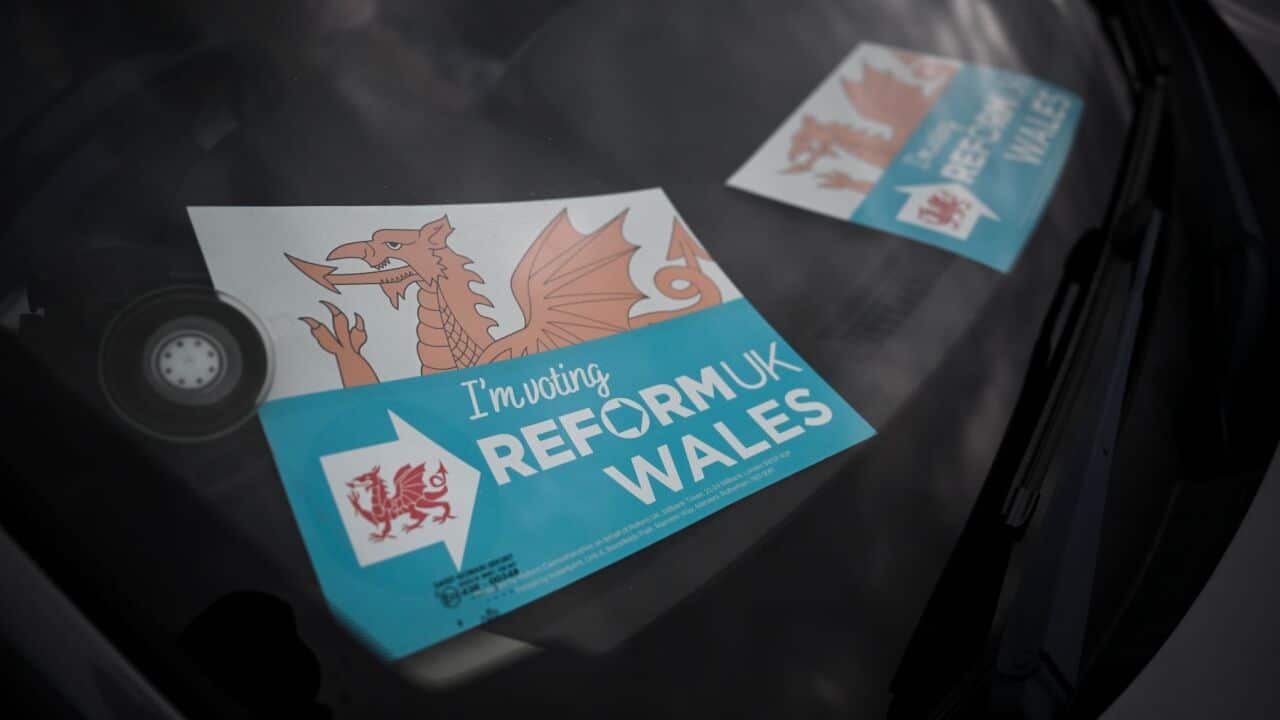
He’s backing Nigel Farage’s Reform UK.
“I think things need a bit of a shakeup. I’m not saying they’re the long term answer, but I think getting them in - I just want to see a bit of a change. I don’t feel want to see the same old thing happening all the time; put British interests first.”
Frustration with the traditional parties is what Reform is banking on, as is anger over immigration, despite the fact this part of Wales is more than 400 kilometres from where most migrants arrive in small boats.
Benjamin McKenna is the party’s lead candidate for this constituency
“It is definitely a concern of a lot of voters I’m speaking to, particularly around illegal migration at the impacts that’s having on local communities.”
Many voters told us they’re basing their decision not on local issues, things the Welsh parliament can control, but on their dissatisfaction with the Labour government in London.
And that’s bad news for Prime Minister Keir Starmer.
Because if Labour’s losses in Wales, Scotland and English Councils are as devastating as predicted it makes a challenge to his leadership much more likely.
Reform, and its leader Nigel Farage, have turned the prospect into a campaign slogan.
“Vote reform, get Starmer out. If you want real change in national government and in the approach to local government, we are the change option. And I think you're going to be surprised how much enthusiasm there is for our message.”
The PM’s largely been kept off the campaign trail, leaving others like Labour’s party chair Anna Turley to speak for him.
“It is always worrying when you're an incumbent because people want change quickly. We feel the sense of urgency, of course we do, because we all want change and we want to deliver as quickly as possible. Sometimes the frustration with that pace of change means that people aren't quite seeing and feeling it.”
Many in Wales would agree with that, like Scott Perkins, who is planning to vote for Plaid Cymru for the first time.
“My dad was a coal miner, so it was entrenched in us really in the valleys. We’re working class, so Labour were the party of the working class people, or we thought of it that way. But I’m a little disillusioned with it all at the moment.”
In an area so defined by its industrial history, and its rapid decline, there’s a clear desire for change.