
Donald Trump’s decision to exclude CNN, MS NOW and Politico from the White House is raising fresh questions about press freedom in the United States. The three outlets are suing the administration, while major television networks have rallied behind them. Could the case help define how far a president can go in restricting media access?
Listen to Australian and world news and follow trending topics with SBS News Podcasts.
TRANSCRIPT
Donald Trump says three media outlets were barred from White House grounds because of the way they report on him and his administration.
"Because they're fake news. You get so tired of reading and seeing fake news. When you look at CNN it's just fake. That's why their ratings are no good."
Reporters from CNN, MS NOW and Politico have since been shut out, with their press credentials deactivated.
The outlets are now suing the administration saying the ban has already “severely impeded the ability of” the three outlets to cover Trump and his administration.
Vice President JD Vance rejects the suggestion they’ve been banned, saying they’ve instead lost what he calls “special access”.
"So he's not banning media outlets. What he's doing is saying: 'We're not going to give you special access to the White House if you engage in what is effectively propaganda.' We have to remember those three outlets account about 92% of the stories that they have on the president of the United States on the administration are negative."
“White House access is a privilege — not a right,” the administration posted on X.
Major television networks have since closed ranks behind CNN.
ABC, CBS, NBC and Fox have refused to replace it in the rotating White House television pool.
Former White House spokesperson Pete Seat says the networks tend to stand together when one of them is singled out.
"Well, these networks tend to stand together when they are being targeted, selectively targeted in this way. And that's a problem for the White House. President Trump did an event on the South Lawn earlier today. There was no audio. There were no microphones. There was no sound because the press pool was not on hand to carry that event."
Mr Trump has played down the significance of the move.
"They said, well, they were going to boycott me, but they never boycotted me, so I wasn't very worried about that. Look at all that press."
Beyond the disruption to coverage lies a broader question over the limits of presidential power and protections for a free press.
Pete Seat believes the three outlets should succeed in court.
"They should win this case, because a White House cannot refuse access based on coverage. If they want to make the case that it's based on security or capacity of the White House briefing room, the Oval Office, other spaces within the White House, that's another thing. But to say that it's based on their coverage will likely not stand up to constitutional or legal scrutiny."
The outlets say the restrictions violate their First Amendment rights to freedom of speech and a free press, and are seeking an emergency order restoring their access.
But US media lawyer Ken Turkel says the issue is not so clear cut.
"I don't know that I would make it that dramatic. At the end of the day - there's no constitutional legal right that requires you to allow any specific reporter in the press room. As a matter of practice, in this country we've allowed the press in whether they agree, whether they disagree. It hasn't mattered. Is it a threat to free press? I don't think so. I don't know how far the lawsuit will go. He's done things like this before, and I don't think it's about threatening free press. I think he wants to draw a line with the press."
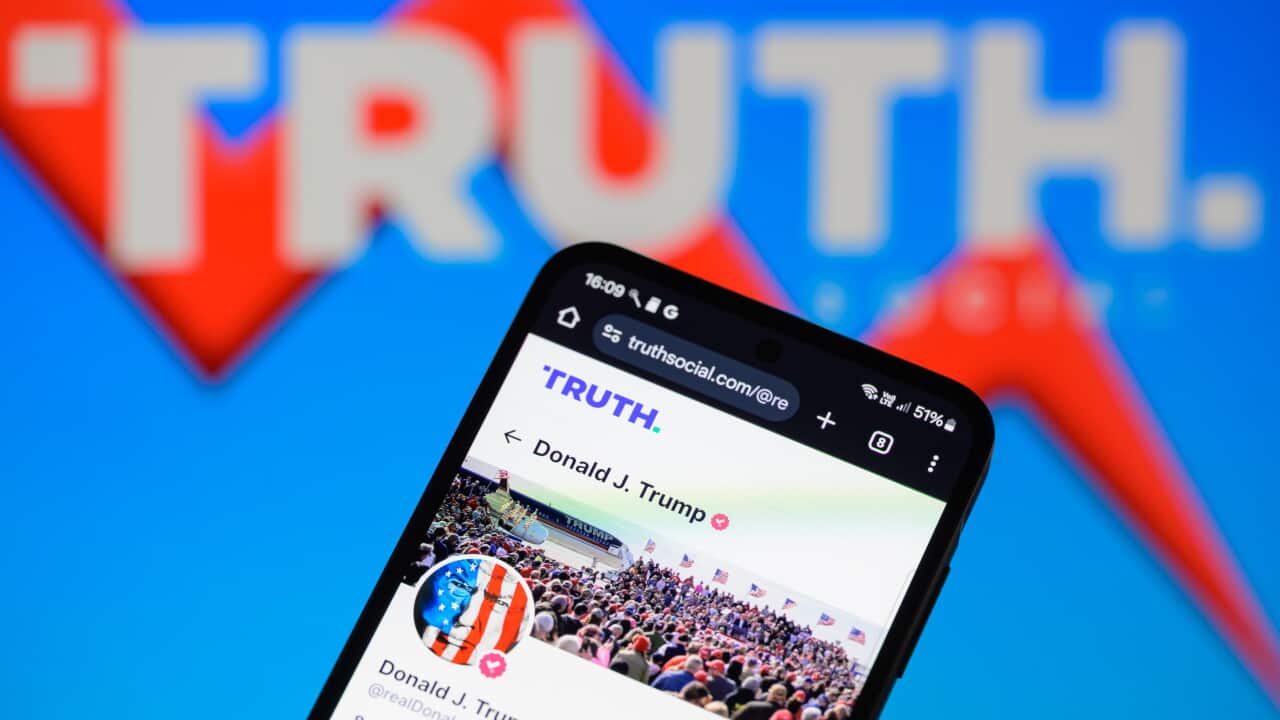
President Trump instead doubling down saying on Truth Social “the White House is not instituting an assault on the Free Press, something which I cherish... it is instituting an assault on the FAKE NEWS."
The debate has also reached the United Nations.
Its spokesperson Stephane Dujarric says journalists should be free to do their job.
“We do not believe in putting any restrictions on which journalists can attend this briefing. It gets adversarial by nature. We will never do anything that will limit the press freedom to report in this building."
The immediate question of access is now before the courts this week.
But the wider debate over who gets to decide which journalists can question those in power is unlikely to end there.