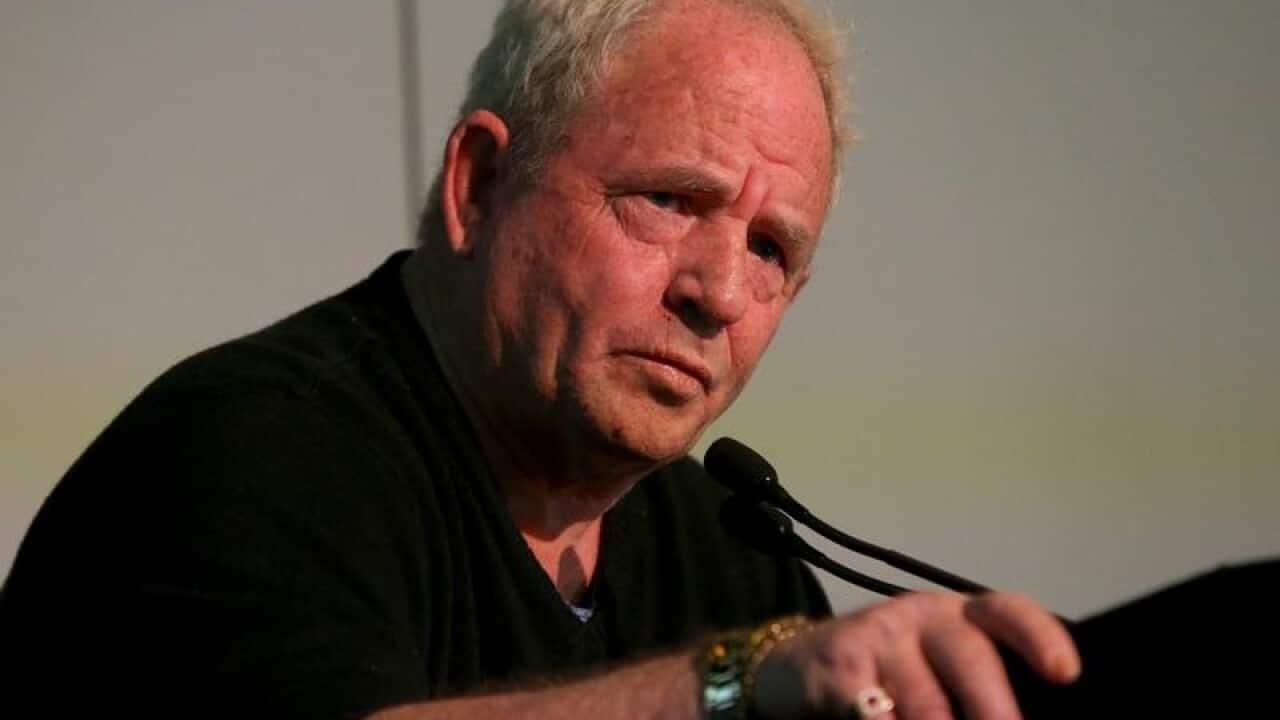
As a vulnerable child in a boys' home in Adelaide in the 1960s, Robert Sherriff felt fear every day.
The abuse, both physical and sexual, started almost immediately and was unrelenting, he says
"It was non-stop, 24/7," Mr Sherriff told AAP.
"I felt fear, I felt fear, I felt fear and I felt fear every day I was in that home."
What he and other boys had to endure was nothing less than appalling, he said, and yet nobody wanted to know or do anything about it.
News that makes sense
Your trusted source for staying up-to-date with the world around you. Get free daily news updates and analysis, straight to your inbox.
Now 64, it's something he's had to deal with for the past 57 years.
But in some sense, he's one of the lucky ones. He's still here, something he credits to a great medical support team and a decision he took himself.
"I got to a stage in my life where I said nobody is ever going to hurt me again," he said.
"My attitude is, 'you'll never hurt me again, it doesn't matter what you do'."
Mr Sherriff was among a number of survivors on hand in Adelaide on Monday as Prime Minister Scott Morrison delivered an apology in federal parliament to those subjected to abuse in government, non-government and religious institutions.
At the same time, the South Australian government delivered its own apology with Premier Steven Marshall saying the victims deserved recognition and justice.
"You were failed and many people who were abused will carry the psychological, physical and emotional scars for the rest of their lives," the premier said.
"While we can't undo the past we can shape the future to ensure that these failures are never repeated.
"We must and we will do better."
Another survivor said she and her seven siblings were placed in institutional care and later foster homes where the abuse occurred.
She said the national apology offered survivors the chance to be heard and more properly acknowledged what had happened in the past.
The focus now, she said, must be on what will happen in the future, what governments and others do, such as better background checks or extra funding for home visits, to ensure such abuse never happens again.
"For our generation, it was a huge thing, so now as parents and grandparents we want to make sure the future of every child is happy, that they don't have to worry about this stuff happening to them," she said.
"I'm hopeful things will change.
"But it comes down to what they do next. Not what they say, but what they do."







