
The phones are ringing at a not-for-profit in Sydney's west, as those distressed by conflict seek expert help.
Zikra Al-Nuzaili is specially trained to take their calls.
"Most are from women who are experiencing panic and fear, and they long for someone to listen to them," she said.
"They also miss the close-knit community they had in their home countries."
Among the callers is Mona Galal, 50, originally from Syria, who remains haunted by memories of violence. War even ruined her nuptials.
News that makes sense
Your trusted source for staying up-to-date with the world around you. Get free daily news updates and analysis, straight to your inbox.
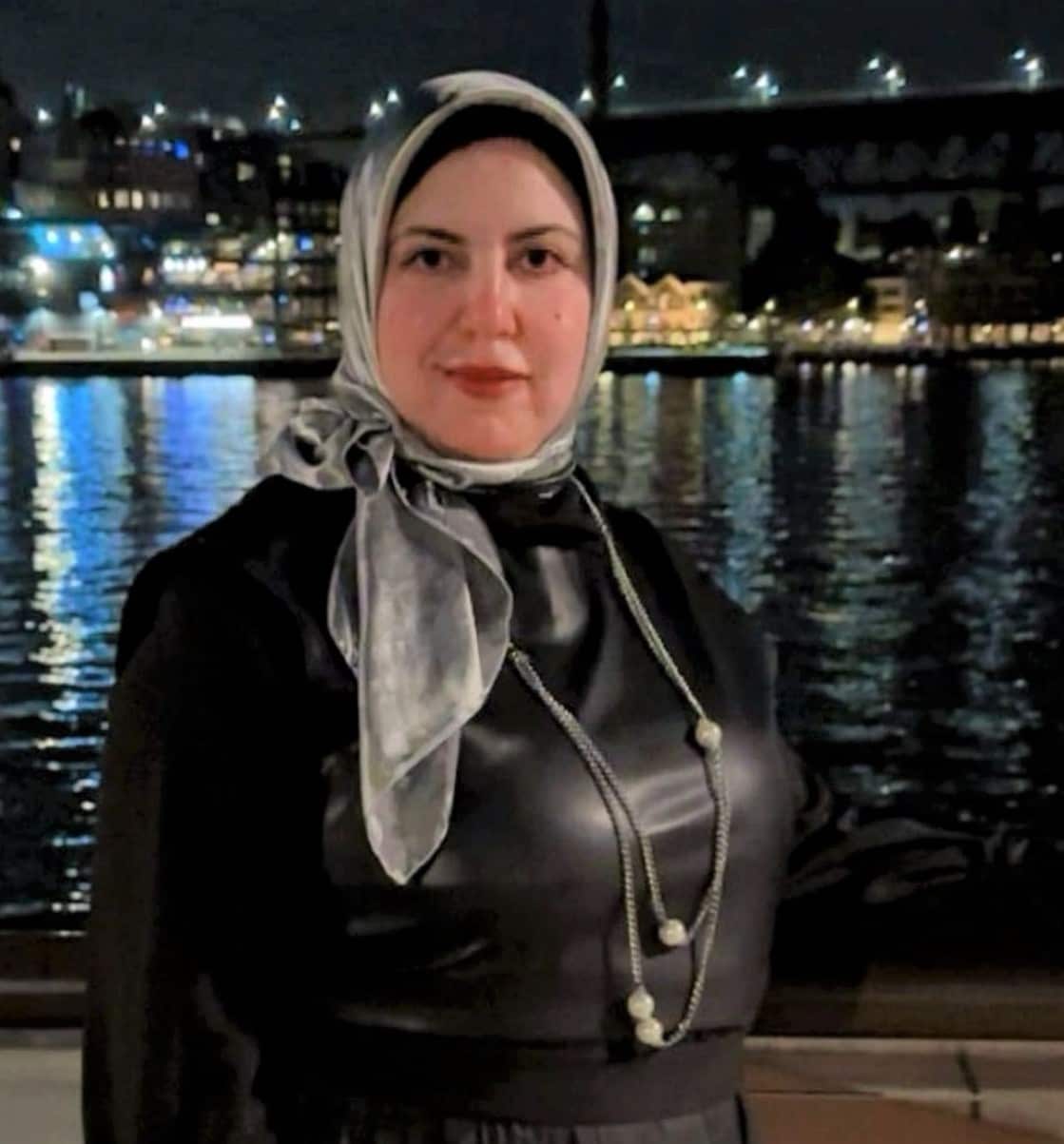
"I was at my wedding, and then there were bombs falling and exploding," she said.
"Later, we saw people running in the streets, others had their heads cut off."
Her trauma is exacerbated by recent violent events, including last December's terror attack at Sydney's iconic Bondi Beach.
"You become afraid when you see these scenes. You feel there is no safety. You feel terrified, like during the days in Syria," she said.
Other callers include Ghada Farahat, 70, a Palestinian displaced by conflict, who later fled to Syria.
She recalls being trapped in an elevator when a plane flew into a building.
"To this day I cannot go into an elevator, I am too scared," she said.
Like many supported by the Witness to War hotline, Farahat is grateful for support in her own language.
"When I'm upset, I call the hotline and they help me a lot," she said.
"They speak to me in Arabic, and it puts me at ease in an indescribable way.
"I feel safe, I feel reassured," she said.
The Witness to War hotline is run by not-for profit STARTTS, set up to help refugees recover from war, torture and violence.
The hotline has taken 5,000 calls since it started in 2023, many from refugees with limited English.
"The hotline allows people to share their experiences in their language, which is critically important to them," STARTTS CEO Jorge Aroche said.
"Also, people can speak with someone who understands their culture."
Trained counsellors offer support in six languages, with the option of an interpreter.
However, answering calls for help requires complex skills, Al-Nuzaili said.
"It is not just listening to their worries and problems but understanding the impact of the conflict they experienced in their home countries and how it affects their mental health in Australia.
"We also try to connect callers with local services they may need."
Trauma expert Susan Rees from the UNSW is studying the mental health impacts of violent conflicts in the Middle East on people living in Australia.
"Evidence suggests that the number of people needing support is definitely increasing," Rees said.
"When there are [global conflicts] one after another it has a compounding mental health effect.
"And the risk is higher for those whose family members are killed, harmed or missing, and for those with previous exposure to war.
"The level of stress is exacerbated by factors including systematic oppression, economic hardship, violence, human rights violations and national struggle."
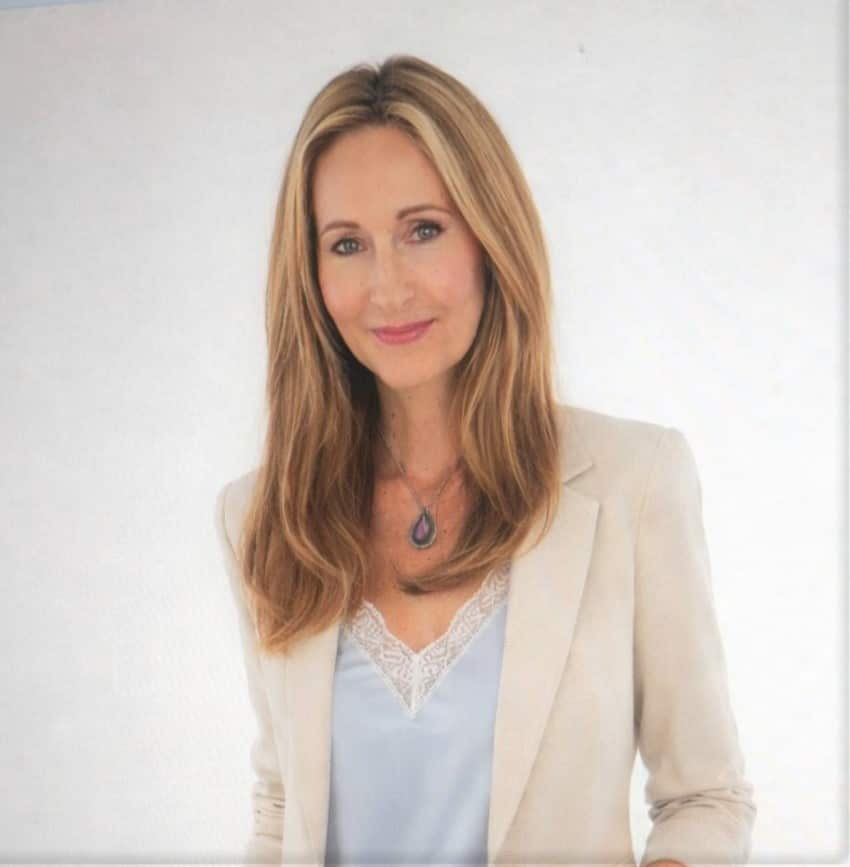
Rees said symptoms can include intrusive memories and nightmares, sleep disturbances and avoidance and hyper arousal symptoms.
"Some people can enter a depressive state, or feel their functioning isn't like it was, they're distracted, they're thinking too much about what's going on over there and it's interfering with their day-to-day life here," she said.
Obsessively watching news reports about conflict, reading articles or scrolling clips on social media can lead to further distress.
"Those most severely affected are people who have family members overseas who are directly at risk," she said.
"Some people are on the phone all night talking to their relatives, reliving day by day, minute by minute, some of the horrors that they are experiencing."
Rees cites a paper she co-authored last year on the psychological impact of ongoing conflict in the Middle East on Australian communities.
The mental health study assessed 410 Australian women directly connected by birth or family to three conflict-affected regions: Lebanon, Gaza and other Palestinian territories.
It compared outcomes with other migrants not from the region, and Australian-born women with no connection to the region.
The study found panic disorder symptoms, poorer quality of life and other psychosocial stress increased only in the group connected by migration to the conflict-affected region.
Rees says practitioners should be specifically trained to screen and treat panic symptoms in women with personal or familial ties to conflict zones.
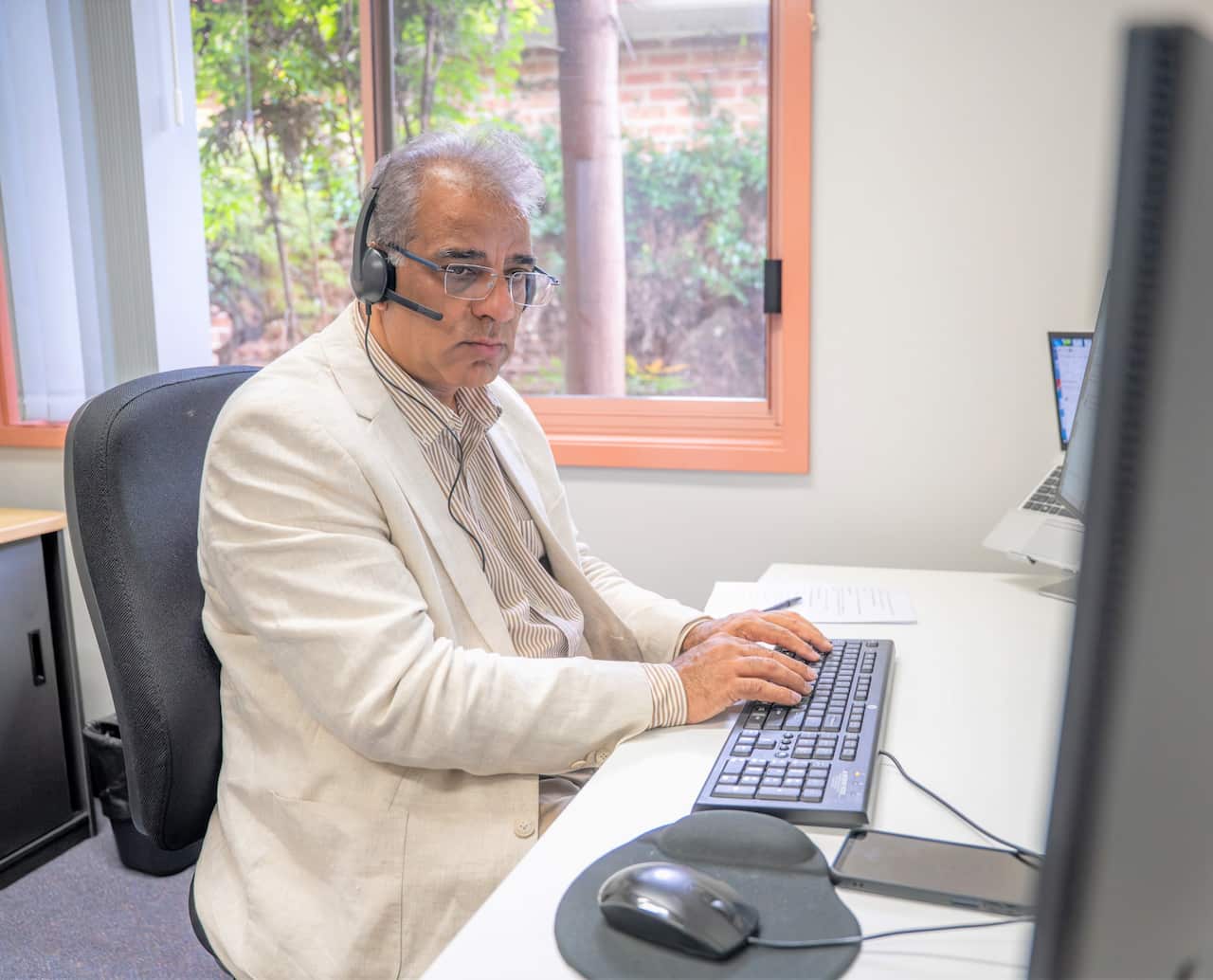
Aroche agrees that demand for mental health support is rising.
"Recent years have been horrific from a human rights point of view," he said.
"There are multiple crises around the world, some which have been quite well portrayed in the media and some we very seldom hear about."
A federal government funding boost of $3.6 million, has enabled the Witness to War hotline to expand nationwide and help meet this rising demand.
"The service is particularly important for the increasing number of refugees that have settled in rural and regional areas in Australia," Aroche said.
"Many have even less access to services that can assist them in their own language and understand their experiences."
After living in Australia for eight years, Farahat is among those grateful that help is just a phone call away.
"Calling the hotline makes you feel much better. They give you psychological support, you feel better emotionally and mentally.
"It is like having another family."
This story was produced in collaboration with SBS Arabic.
For the latest from SBS News, download our app and subscribe to our newsletter.

Sharing business secrets of inspiring entrepreneurs & tips on starting up in Australia's diverse small business sector. Read more about Small Business Secrets

Have a story or comment? Contact Us







