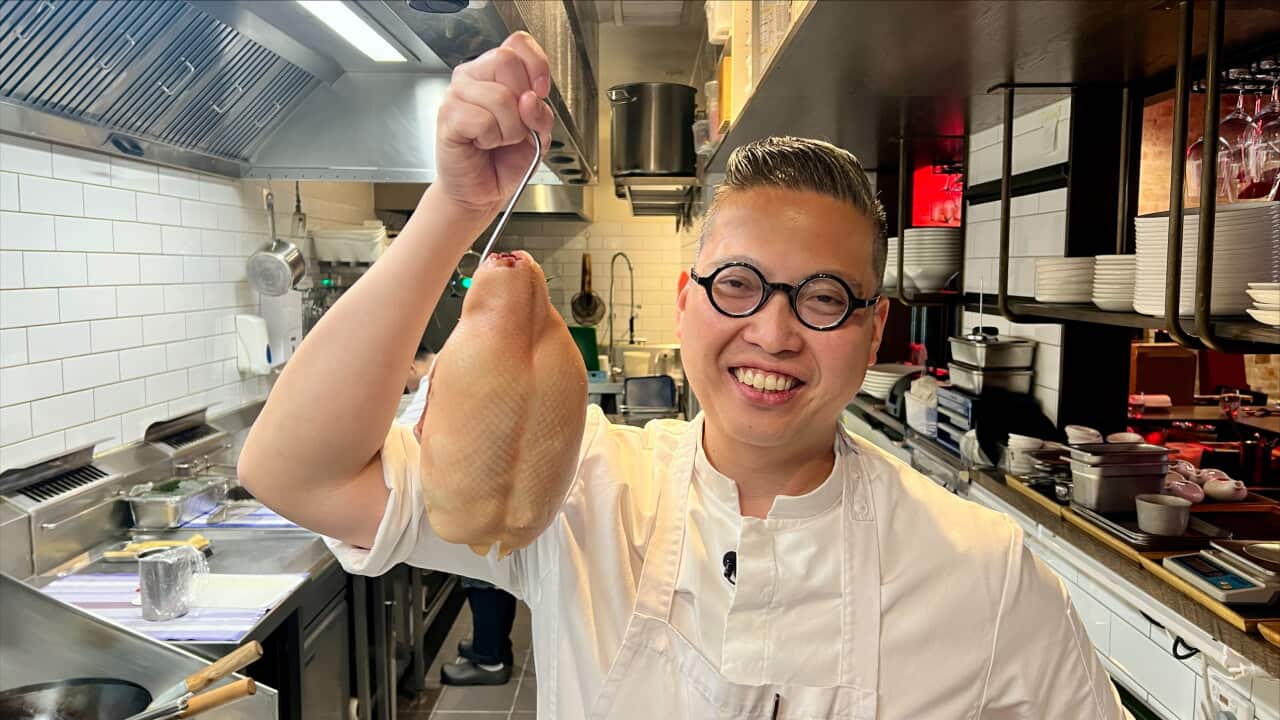
Food has always held a fascination for chef Victor Liong — and the deeper he dug into his Chinese heritage, the more he realised there was a missing ingredient.
After training in some of Australia's leading European-style kitchens, the 41-year-old realised he knew surprisingly little about the cuisine that had flavoured his childhood.
His Chinese family left Malaysia and settled in Brunei before migrating to Australia in the early 1990s, when Liong was six years old.
"As a chef, I realised the food that I loved and grew up eating, I had no connection with in terms of technical ability," he tells SBS News.
So, Liong set out to discover the flavours of China, travelling through different regions and exploring cuisines firsthand. The journey helped crystallise his culinary identity.
News that makes sense
Your trusted source for staying up-to-date with the world around you. Get free daily news updates and analysis, straight to your inbox.
"My style is based around a flavour memory of my childhood and my cultural heritage and then trying to interpret that in a modern Australian dining and cultural context," he says.
Liong's search for these flavours reflects a broader evolution in Chinese Australian food. From gold rush cooks adapting recipes for hungry miners to a new generation of chefs reimagining regional dishes with local produce, reinvention has long been part of the cuisine's story.
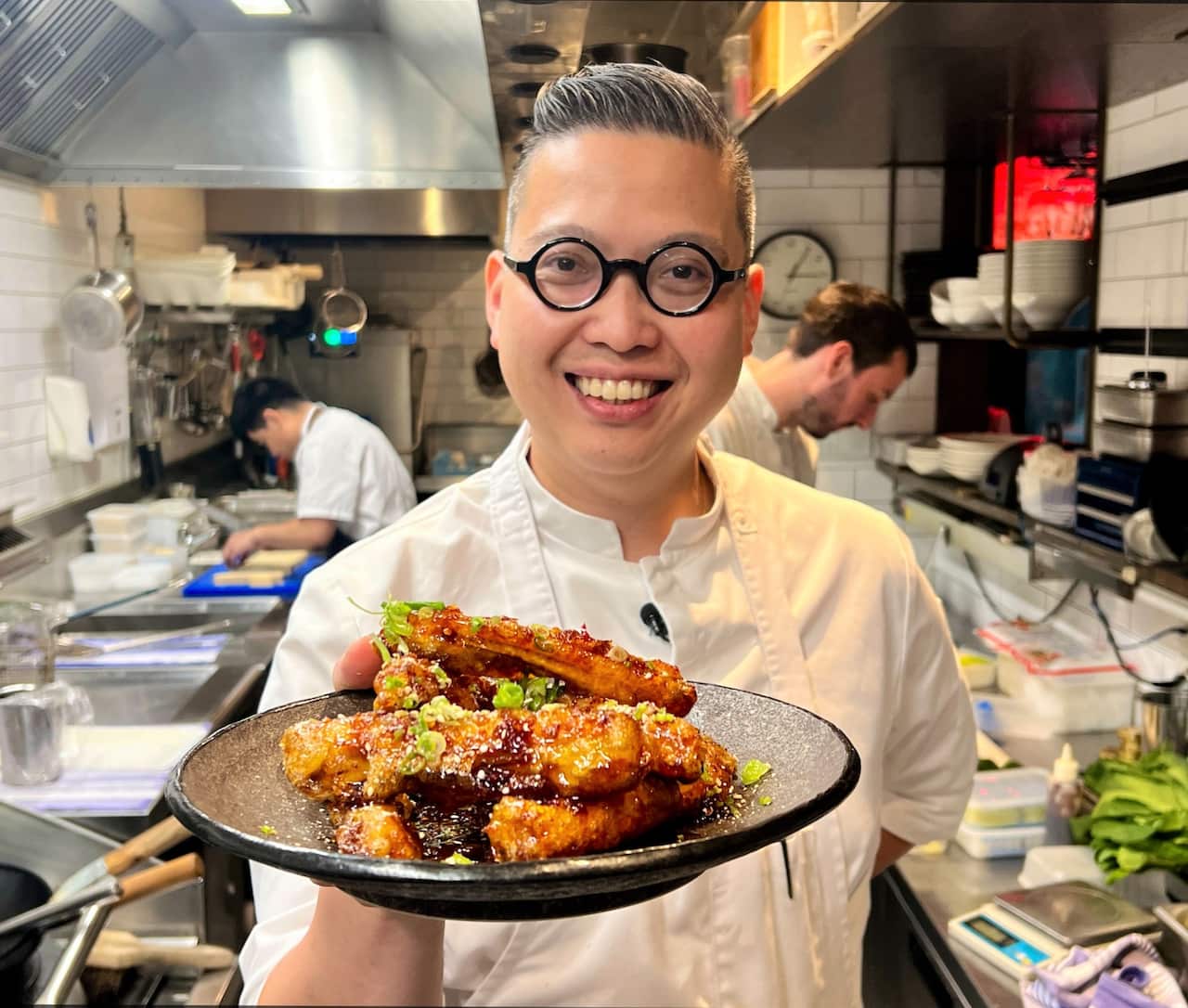
Now, as rising costs force some long-standing restaurants to close and diners seek new experiences, industry insiders say Chinese food in Australia is entering another period of transformation.
A cuisine in transition
Chefs like Liong are adapting dishes to entice a new generation of diners, fusing European techniques with local produce while preserving traditional Chinese flavours.
The shift comes as Australia's Chinese restaurant sector faces significant challenges.
In recent years, several high-profile Chinese restaurants have closed, including in Sydney and Melbourne.
New data from CreditorWatch highlights the pressure facing the industry. Cafes, restaurants and privately owned takeaway outlets recorded a closure rate of 12.2 per cent in the year to 31 May — roughly one in eight businesses — compared with the national average of 6.7 per cent.
According to the fintech, the sector has been hit by rising wages, energy bills, rents, insurance premiums, interest rates and food and beverage costs. At the same time, the cost of living pressures are prompting many consumers to cut back on dining out or stop altogether.
"We expect conditions in the food services sector to remain challenging until consumers begin to feel relief from cost of living pressures, which is nowhere in sight at this stage," CreditorWatch said in a statement to SBS News.
Sophie Loy-Wilson is a senior lecturer at the University of Sydney's Faculty of Arts and Social Sciences and a historian of Chinese Australian communities. She says tastes are also changing, as well-travelled modern diners seek "something new and different".
"Customers want food that is more upmarket, more experimental, more unique, combining European techniques with Asian techniques. I do think that's the future," she tells SBS News.
Liong says his hatted Melbourne restaurant has spent the past 13 years exploring different interpretations of Chinese cuisine.
Celebrating local produce is one way to stand out in a crowded hospitality market while offering diners something distinctive.
In the kitchen, Liong explains a fresh take on traditional Peking Duck.
"The challenge is to keep the skin crisp without drying out the meat. So, we use a wet brine that keeps some of the moisture in the breast. Then we dunk it in a maltose and vinegar glaze to keep it crispy as it roasts."
Reinventing tradition
Liong may be a culinary innovator, but he is far from the first.
For almost two centuries, Chinese chefs have adapted traditional dishes for Australian tastes. The process began when migrants from Hong Kong
and the Guangdong province of southern China arrived in Australia during the 1850s gold rushes and started feeding hungry miners.
"They grew and cooked fresh vegetables for malnourished European miners who were living on a diet of mutton and damper," Loy-Wilson says.
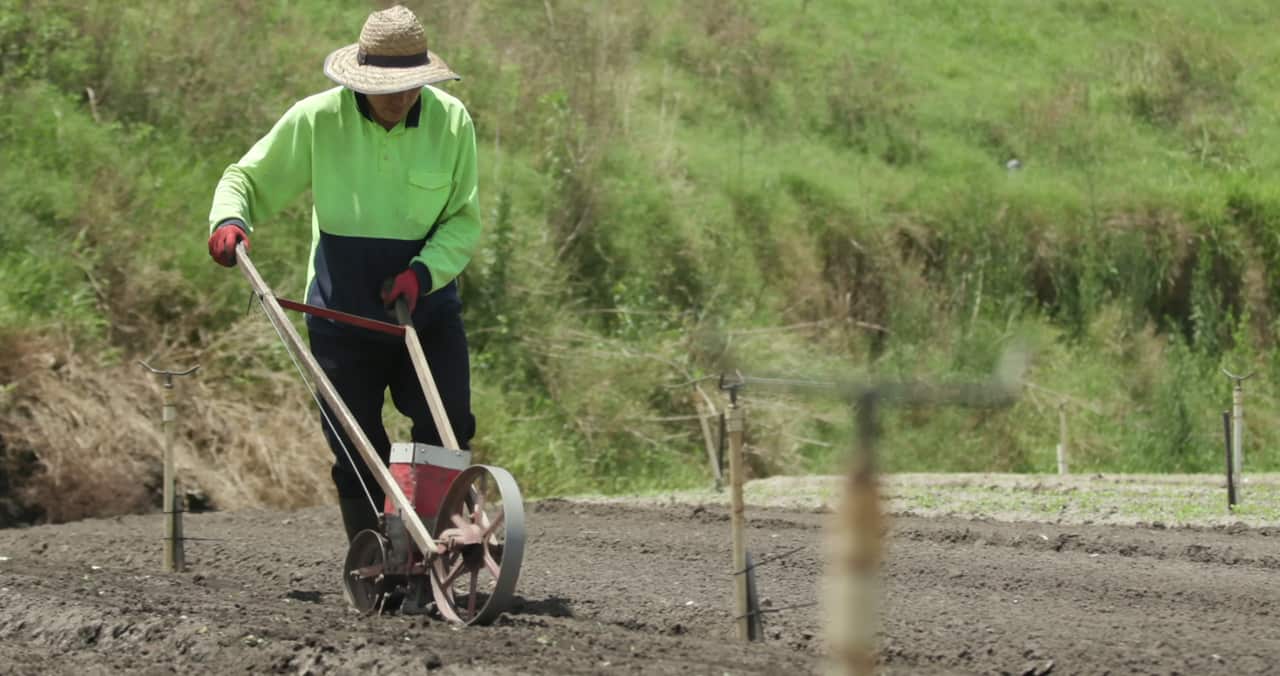
"Chinese chefs found really clever ways to take cheaper meat and cook it to retain moisture and keep it succulent and fresh," Loy-Wilson says.
"They adapted to local customs. For example, sizzling beef is like an Australian barbecue, but it's on a little plate."
She says the early Chinese diaspora "was not elite".
"They were working men mostly, some women, and some were indentured labourers," Loy-Wilson says.
"They built working-class communities and cooked food efficiently, serving up all parts of the animal with rice and home-grown vegetables."
Loy-Wilson says market gardens and restaurants also became cultural refuges for Chinese migrants, some of whom were facing discrimination.
A restaurant became a 'safe haven' where culture could be displayed, families felt protected and were able to keep things private from the surveillance of white Australia.
Adapting food was also a survival strategy employed by generations of Chinese cooks.
Knowing that Europeans liked sugar in their tea, many made "sweet sauces to make meat more tasty", Loy-Wilson says.
What Australians want to eat
More than 60 years after his grandfather opened a restaurant in Canberra, Gavin Chan is still navigating the same question: how much should a dish change to suit Australian tastes?
"Honey chicken is still our bestseller, by a long way," the restaurateur tells SBS News.
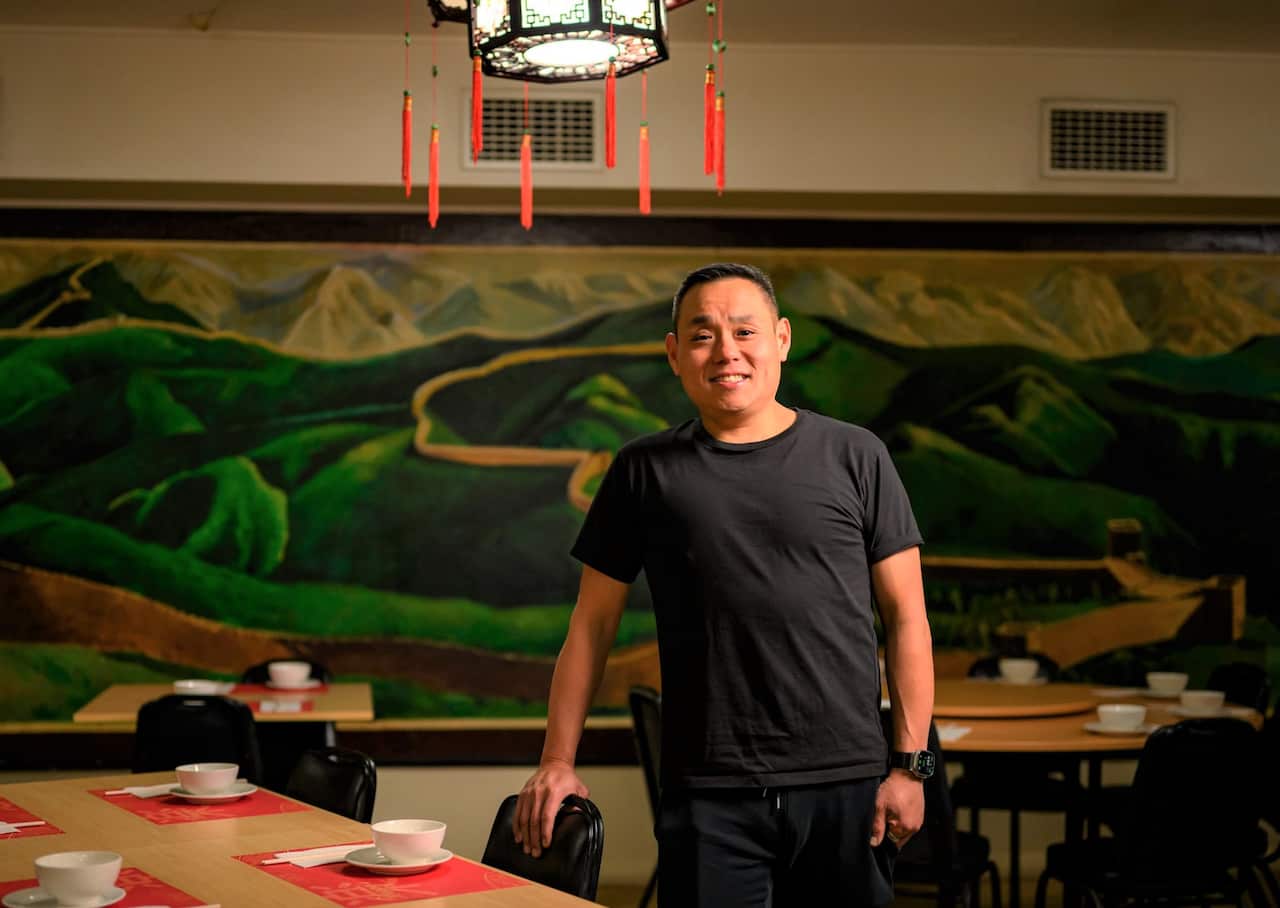
"However, we have students who come here from China to attend university, and they would never order honey chicken because they find it way too sweet," Chan says.
When you live in another country, then [local] customers dictate what works and what you sell as a business to survive and evolve.
Chan's grandfather opened the restaurant in 1962, and he is proud to continue serving some of the original dishes.
"The Chinese Australian cuisine we know is authentic to Australia. It came from China but was changed for the Australian palate."
It's a process that continues today, Liong says: "The way we ate 20 years ago is different to the way we eat now, and it's still moving.
"Historically, sweet and sour pork was a northern Chinese classic that was reinterpreted. Many traditional vegetables and fruits were swapped out for what was locally available, such as pineapple or strawberries."
As Chinese Australian cuisine continues to evolve, Liong believes the possibilities are only expanding.
"Australian produce is one of the best in the world. I am proud to highlight what's in season.
"The Australian dining scene remains very exciting and really does deserve its place on the world stage."
This story was produced in collaboration with SBS Chinese.
For the latest from SBS News, download our app and subscribe to our newsletter.

Sharing business secrets of inspiring entrepreneurs & tips on starting up in Australia's diverse small business sector. Read more about Small Business Secrets

Have a story or comment? Contact Us







