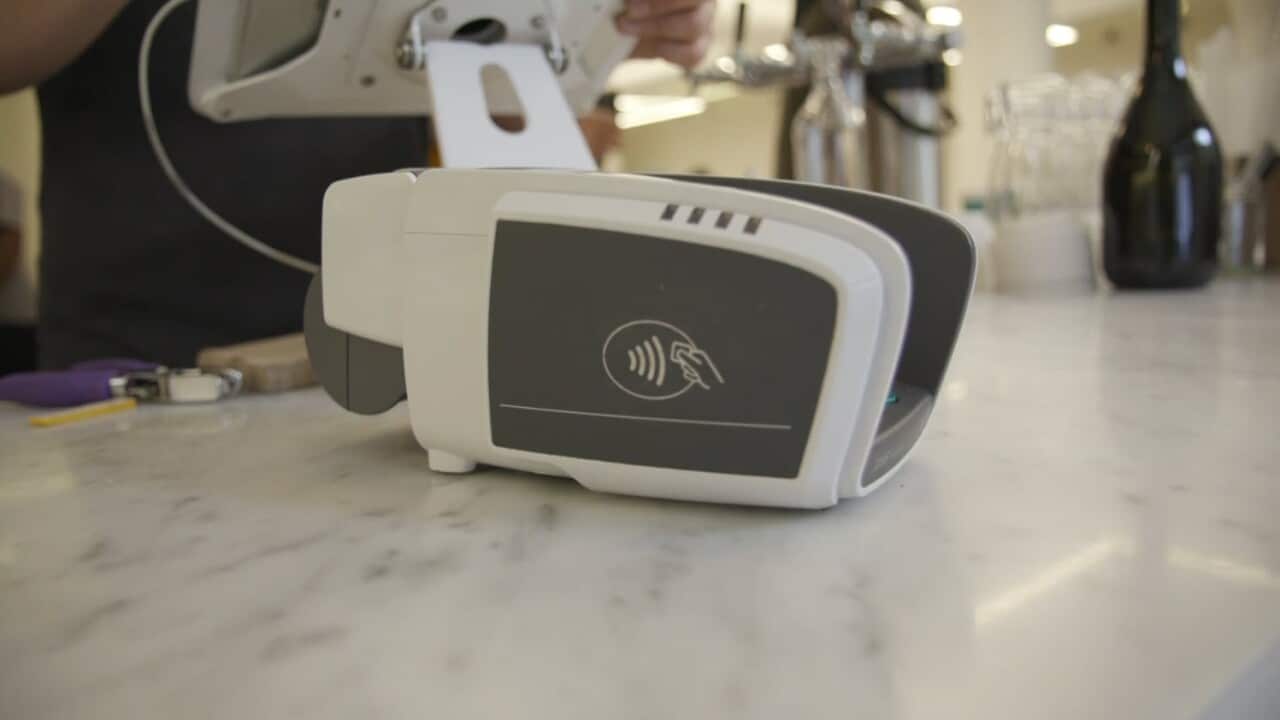
When you shop or eat out, how do you pay? It's likely you're increasingly tapping your card, rather than inserting it or paying by cash.
Australians are some of the biggest adopters of tap-and-go (or contactless) payment technology.
While it’s easy and convenient, it’s also expensive for businesses. That's because such payments incur a higher merchant fee, compared to payments where a card is inserted or swiped.
“It’s always been one the big expenses,” says Andrew Thomas, owner of popular Sydney pub, The Oaks.

News that makes sense
Your trusted source for staying up-to-date with the world around you. Get free daily news updates and analysis, straight to your inbox.
Tap-and-go has become the pub's most popular payment method.
“Normally our monthly [merchant fee] is around $10,000 a month," Andrew says.
Multiply that by twelve and it's a steep price to pay, just to get paid.
Pricey payment
But why are tap-and-go fees so expensive?
“If you think about tap-and-go coming into the industry three or four years ago, it was really the MasterCard and Visa card infrastructure that enabled the contactless to work. EFTPOS was not there yet,” explains Bronwyn Yam, the Director of Product at business-only bank Tyro.
“And [Visa and MasterCard’s] pricing is more expensive than EFTPOS' price point."
That meant regardless if you tapped a debit or credit card, it would be routed through the more expensive Visa or MasterCard infrastructure.
But the payment processing landscape is starting to shift.
EFTPOS upgraded its infrastructure last year, allowing it to process tap-and-go payments for the first time.
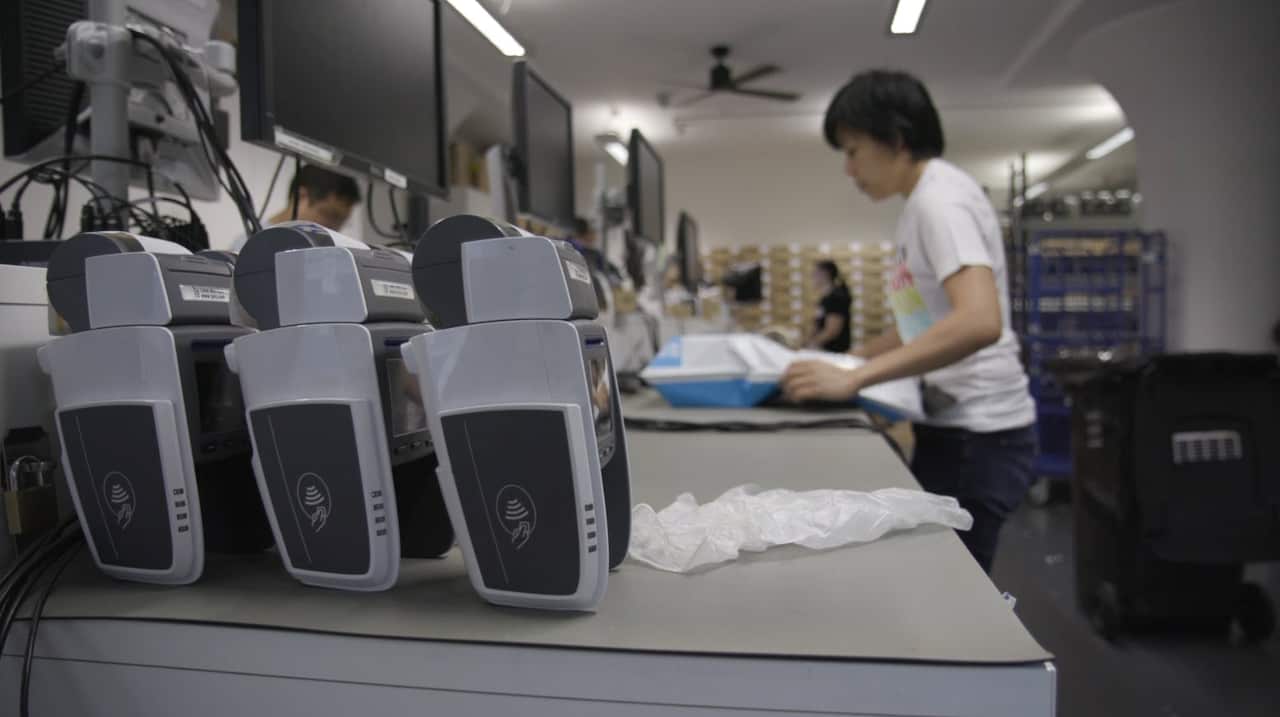
And business-only bank Tyro has been the first to bring the updated technology to market in its terminals.
“In general what we're looking at is approximately 5% savings every month on merchant services fee [for businesses]," Bronwyn says.
And the big banks are starting to follow suit.
Westpac says it'll enable debit contactless payments to be routed through the cheaper EFTPOS network by 2019, while NAB and ANZ are planning to start rolling out the changes this year.
CBA has also committed to the changes, but it hasn't given a timeline yet.
It’s all a result of pressure from the government, which recommended banks offer businesses the choice of cheaper debit contactless fees by April this year.
“The big banks, they have actually two sides of the business - not only are they issuing cards, they also have card acceptance business. So for any infrastructure changes or technology changes, they will probably need to do a lot more analysis and a lot more time to get that to market,” Bronwyn explains.
“For Tyro, we're differently placed in the market because for us, our service is for SME's and our business is only card acceptance.”
Cutting Costs
Back at The Oaks, owner Andrew Thomas has been trialling Tyro's updated card terminal since late last year. He says he's seen a big difference in his bottom line.
“Over a month we saved $1600 in merchant fees. Multiply that over a twelve month period and its a lot of money to save."
Watch this story at the top of the page, or catch the full episode on SBS On Demand.

Sharing business secrets of inspiring entrepreneurs & tips on starting up in Australia's diverse small business sector. Read more about Small Business Secrets

Have a story or comment? Contact Us







