
Protesters in g-string swimwear recently gathered on Queensland's Gold Coast to express their disapproval of suggestions of banning the garment.
It's not the first time the Australian public has defended its right to show skin on the beach.

In October 1907 hundreds of men in skirts ran into the surf at Sydney's Bondi, Manly and Coogee beaches, thrashed about and pretended to drown.
They were trying to prove a point — that the local council's proposal they had to swim in "skirt-like tunics" was absurd.
News that makes sense
Your trusted source for staying up-to-date with the world around you. Get free daily news updates and analysis, straight to your inbox.
Swimming had been banned at certain Sydney beaches during daylight hours (6am to 8pm) since 1833, under the Sydney Police Act, which laid out tough morality laws.
The thought of immodest or immoral behaviour at the beach was enough for the state to shut down the option of swimming.
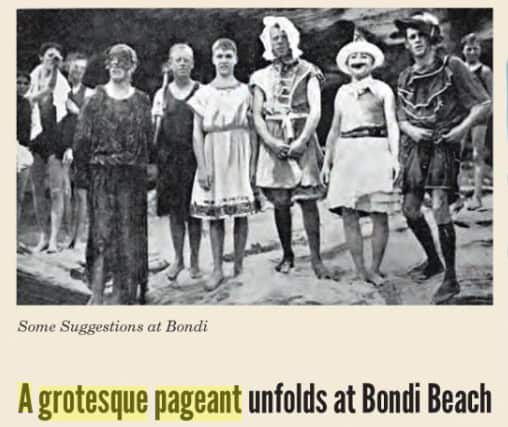
Clothing was the big issue — authorities thought the available options weren't modest enough.
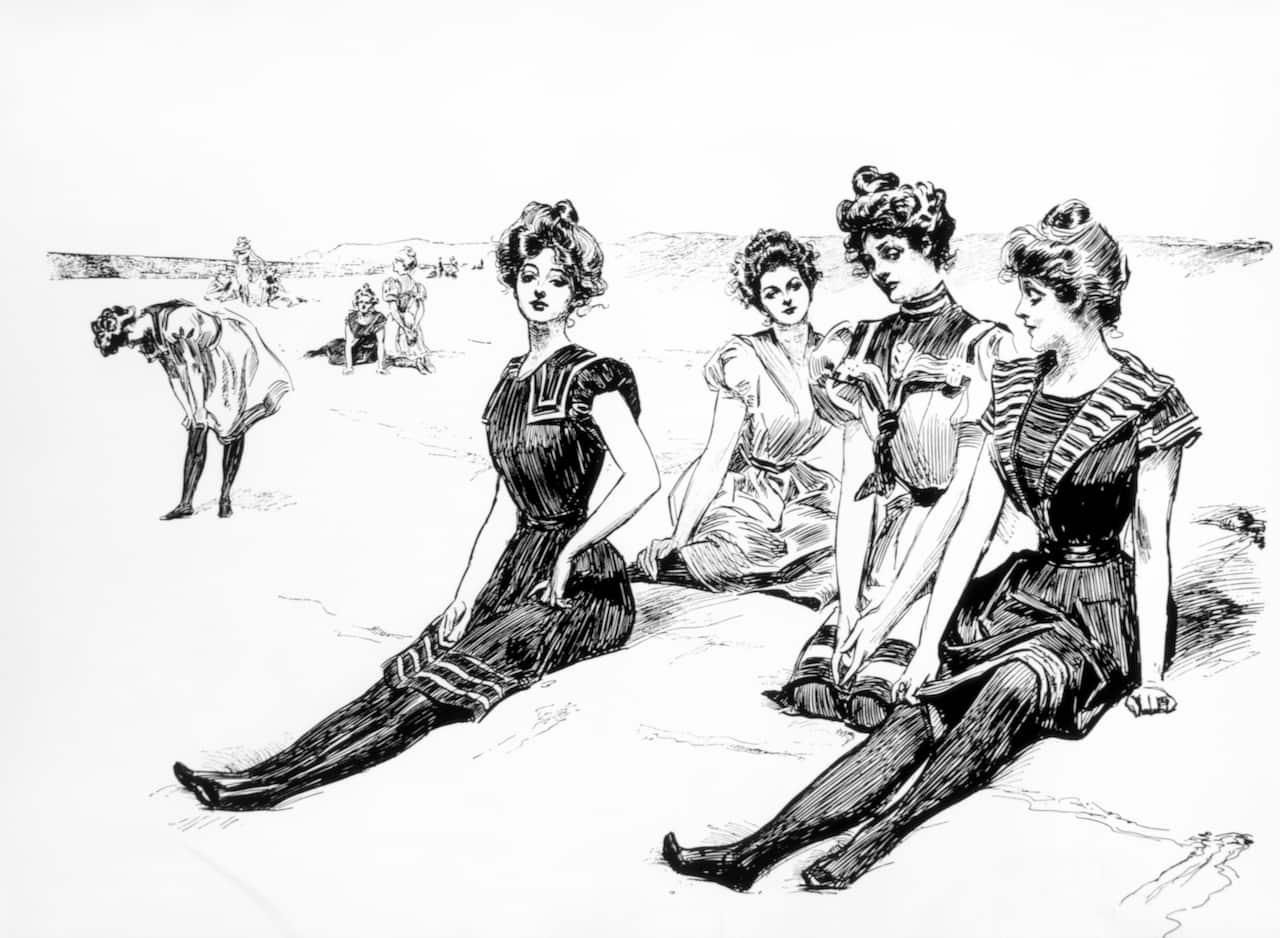
Australian fashion historian Lorinda Cramer said what was available was very heavy and dangerous for swimming in and had the issue of falling down and becoming revealing.
"Men were wearing what's called Canadian style swimsuits, and they kind of looked like a long t-shirt, with a pair of almost bicycle shorts ... often made of wool or cotton," she said.
Women wore bathing gowns, and these were often loose but belted to keep them in place. They would also wear knitted hosiery and shoes into the water.

Waverley Council, which incorporated Bondi and Coogee, suggested that men should be just as covered up as the women and a proposal was drafted requiring men to wear a skirt to the knee and be covered to the elbow, which newspapers called the "saltwater kilt."
Newspaper reports from the time describe the suggestion as "a hysterical proposal" and "a comic opera that was worthy of Gilbert and Sullivan".
Skirt-wearing in the water never became law and the councillor who initially proposed the idea tried to backtrack and denied ever using the word skirt.
But the public debate had largely been lost.
A short time later the first state-wide surf lifesaving association was started and many councils relaxed some rules at the beach. In many places swimmers could bathe at any time, however they still needed to be modestly clothed.
Sutherland Shire was more conservative and in 1920 took a man to court for reclining on the sand at Cronulla Beach wearing only his swimmers. He was imprisoned for 14 days.
G-string ban
G-strings have been the topic of furious national debate since 2022 Gold Coast Volunteer of the Year Ian Grace said women who wear the bikini bottoms to the beach are "cheapening themselves".
Earlier this month, he said g-strings forced him to "inadvertently" look at the women wearing them, adding that while it was "a pleasant view", it sent the "wrong message".
Instagram influencer and reality TV star Abbie Chatfield said Grace had revealed himself to be "a misogynist".
"This absolute loser twerp who obviously has some sort of power complex … it’s a bit weird the amount of times he mentions being ‘forced’ to look at women’s arses and bosoms," she said in a video.
Gold Coast mayor Tom Tate immediately dismissed the idea of a ban.
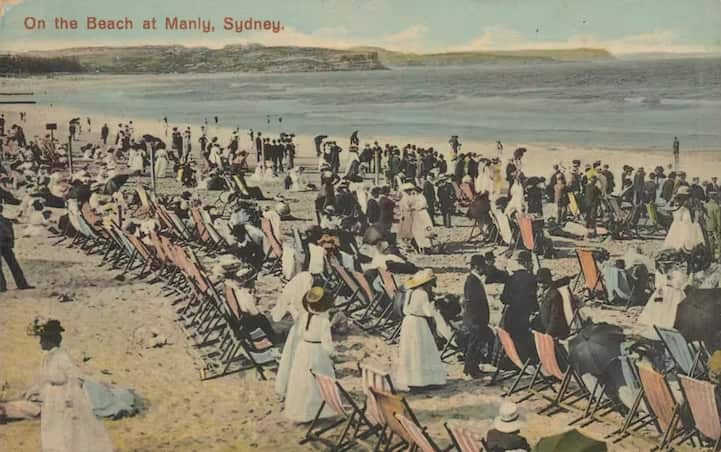
Beach inspectors
To enforce rules around swimwear from the 1900s on, beach inspectors measured people's outfits and issued fines and other punishments for swimming costumes deemed too short.
The first generation of wetsuits were woollen one-piece bathing costumes, National Surfing Museum curator Craig Baird told the Feed.
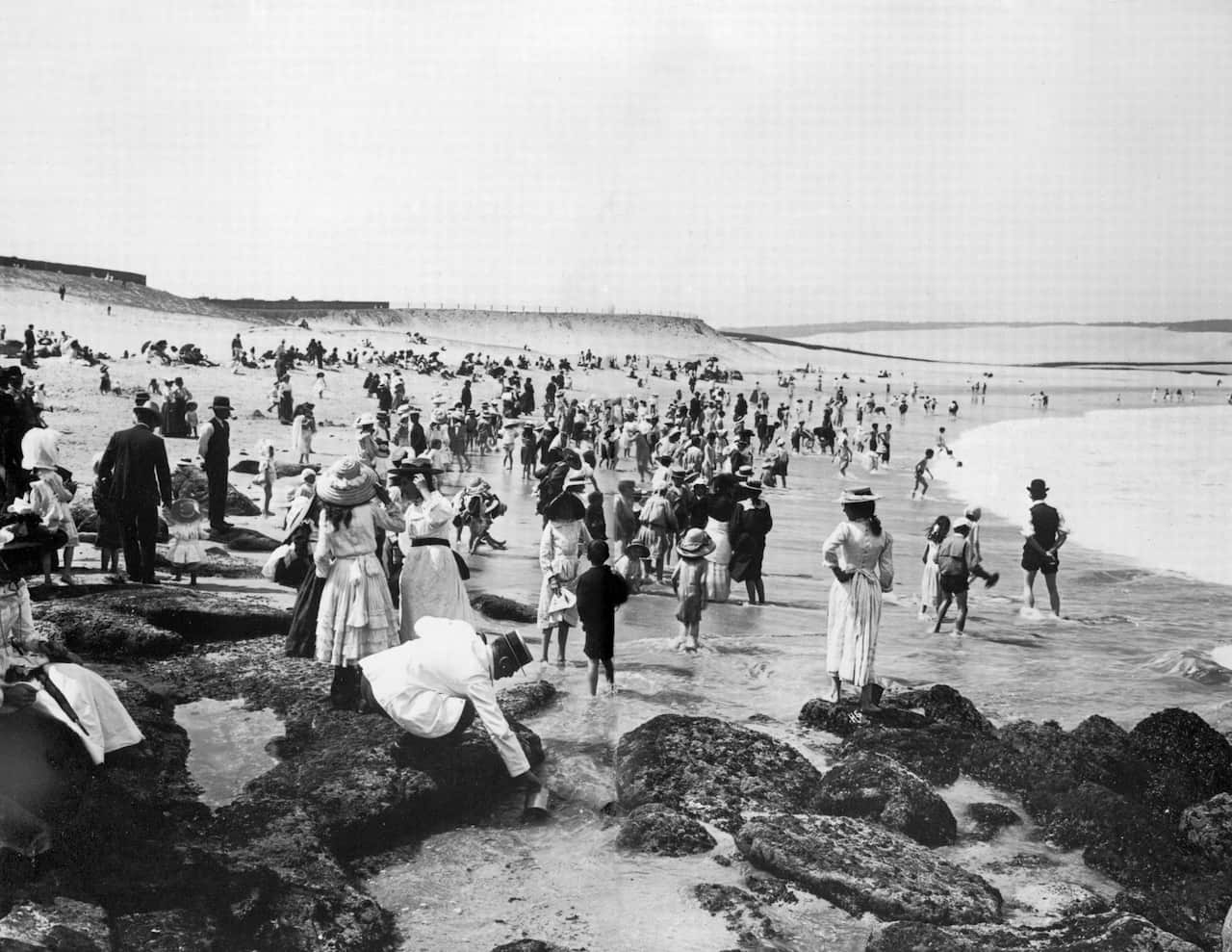
"It was a big thing for people not to have their chest exposed.
"In the 1920s they had things called neck to knees, which was basically covering from your wrists to your neck and from your neck to your knees.
"But a lot of the people would peel the top off, so effectively they were just surfing in shorts, and then there were beach inspectors that would go crazy about that."

The beach inspectors later set their sights on bikinis which arrived in Australia in the 1950s.
A woman in Sydney was arrested for a bikini deemed too small, as late as the 1960s.
Others were sent home or forced to change.
The bikini wasn't allowed on the Gold Coast until 1959, but the area soon came to love the garment and used women in bikinis to promote tourism in the 1960s and 1970s.
Support for the #freethepeach hashtag shows many Australians don't want to go back to banning g-strings.

Through award winning storytelling, The Feed continues to break new ground with its compelling mix of current affairs, comedy, profiles and investigations. See Different. Know Better. Laugh Harder. Read more about The Feed

Have a story or comment? Contact Us







