
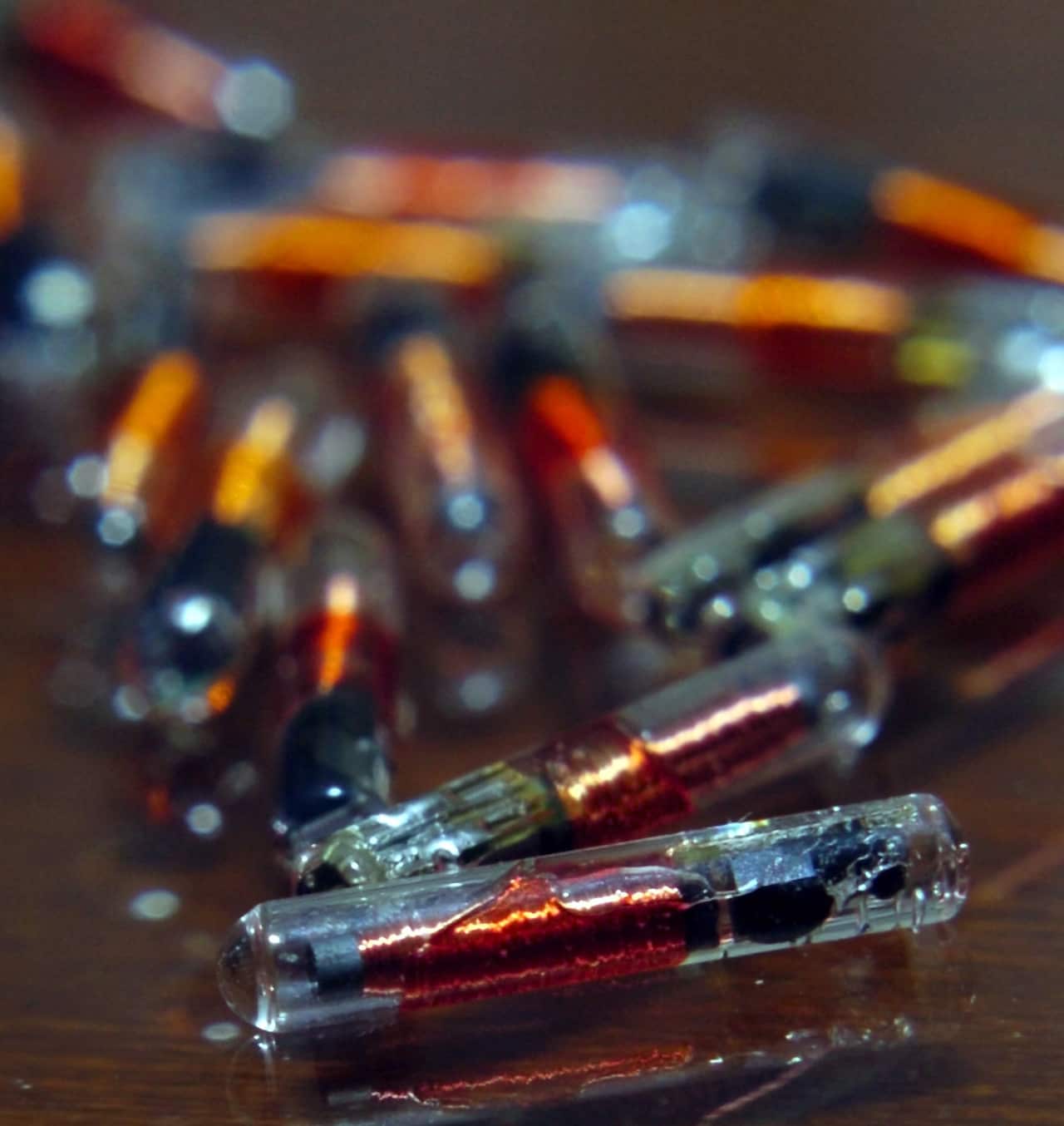
A new draft law aimed at deterring people from committing sex crimes against children has received the unofficial thumbs up from Indonesian president Joko Widodo. The law outlines measures to not only chemically-castrate child sex offenders, but to microchip them in order to keep them monitored.
Under current Indonesian law, child child sex offenders face a maximum jail term of 15 years if convicted. However, following the rape and murder of a 14-year-old girl in Sumatra last April, the Indonesian public as well as several political lobby groups called for harsher laws to be put in place for child sex offenders.
"The microchip will be fitted before the criminals are released from prison, and is needed to monitor and locate them after they are freed.The decree could be signed in the coming days. Chemical castration and heavier jail terms for child rapists are also among new measures that could be introduced," said the head of the National Commission for Child Protection, Asrorun Niam Sholeh, who was involved in drafting this new bill.
News that makes sense
Your trusted source for staying up-to-date with the world around you. Get free daily news updates and analysis, straight to your inbox.
A move to adopt severe measures such as micro-chipping and chemical castration, the latter which has potentially dangerous side effects, doesn't come without backlash. Chemical castration is viewed by some groups in Indonesian as a form of "sexual torture" as it can have the same effects as female hormone therapy on those subjected to it.
Unlike surgical castration which physically removes the testes, chemical castration keeps the sex organs intact while halting testosterone production.
Chemical castration uses hormone therapy to block signals from the brain to the testicles to produce testosterone, the largest contributor to sexual urges. The process can cause serious damage, which raises issues of the medical ethics.
CNN reports chemical castration has been adopted by many governments across the world as a punishment against sex crimes, either as a forcible sentence, or as a way to reduce a perpetrator's jail time. These countries include Argentina, Estonia, Israel, Moldova, Poland, Russia, New Zealand, and even Australia.
Chemical castration as an enforceable punishment was also considered early this year by the Indian Supreme Court. Ultimately, the Indian Supreme Court decided against the punishment.
But most recently, the Karolinska Institute in Sweden hopes to conduct a chemical castration trial for non-offending paedophiles (people who are aroused by to children, but have never acted upon their urge) of which more that 60 men have volunteered to join, despite the potentially harmful side effects.
Micro-chipping of sex offenders, however, is a less frequently adopted measure. Most countries, including our own, monitor convicted child sex offenders by placing their names and finger prints on an official registry database.
The Indonesian law still sits in draft form; it is yet to be determined whether the bill will be passed, enforced, or prove effective in diminishing sex attacks on children.
Tune in to #TheFeedSBS at 7.30pm Monday - Friday on SBS 2, stream live, or follow us on Facebook, Twitter, Instagram,Tumblr, or Vine.

Through award winning storytelling, The Feed continues to break new ground with its compelling mix of current affairs, comedy, profiles and investigations. See Different. Know Better. Laugh Harder. Read more about The Feed

Have a story or comment? Contact Us







