
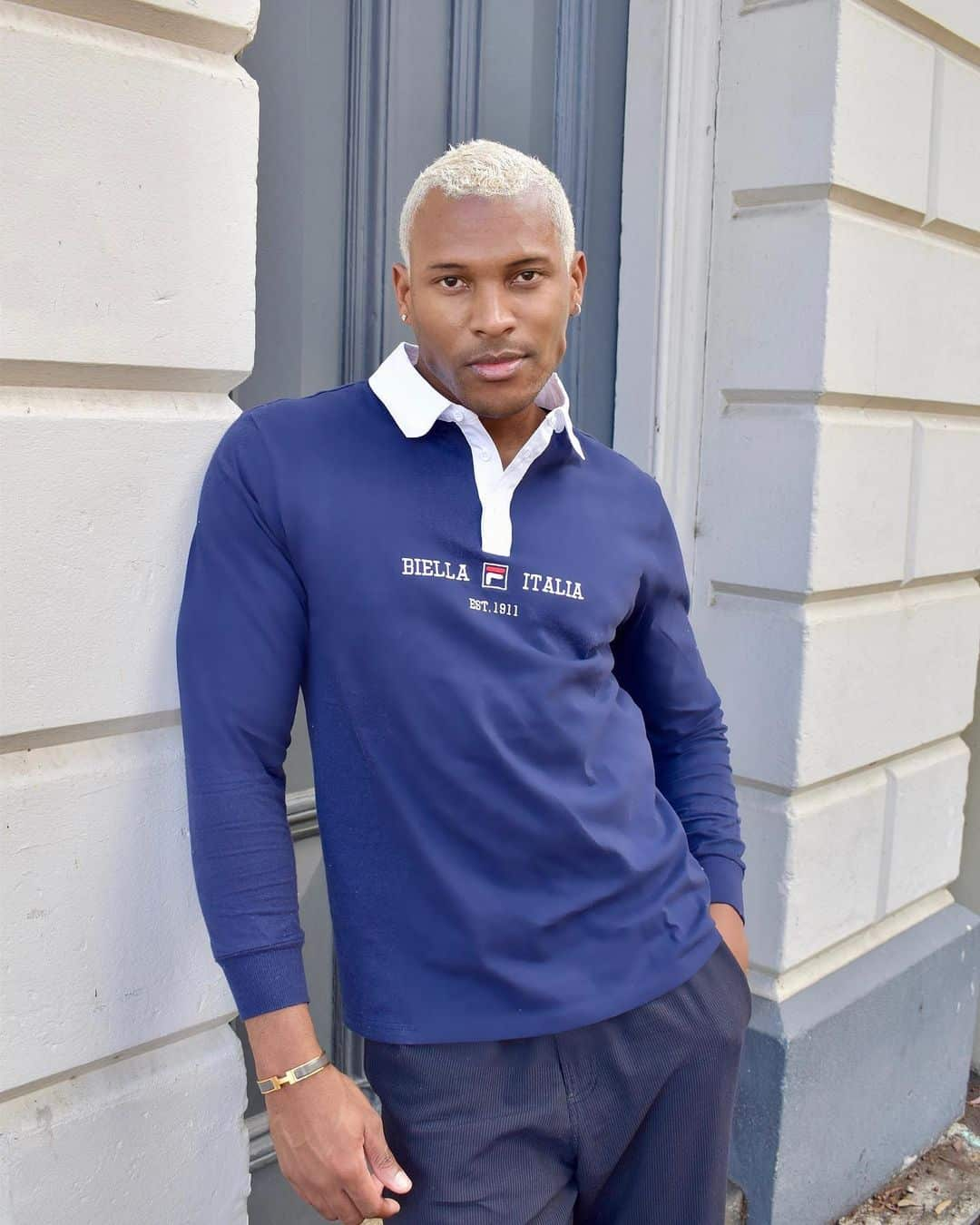
Jeff Kissubi says that as a black model in the Australian fashion industry, the racism he’s experienced in his career has taken a toll on his self-worth.
“I’ve had some bad experiences on set. People being racially insensitive, saying racially inappropriate things, prejudice, ignorance,” he said.
The Seychellois-Australian man is one of thirteen models who are boycotting Melbourne Fashion Week (MFW), as reported by the Sydney Morning Herald. Their aim: to call out the discrimination they say runs rife in the industry.
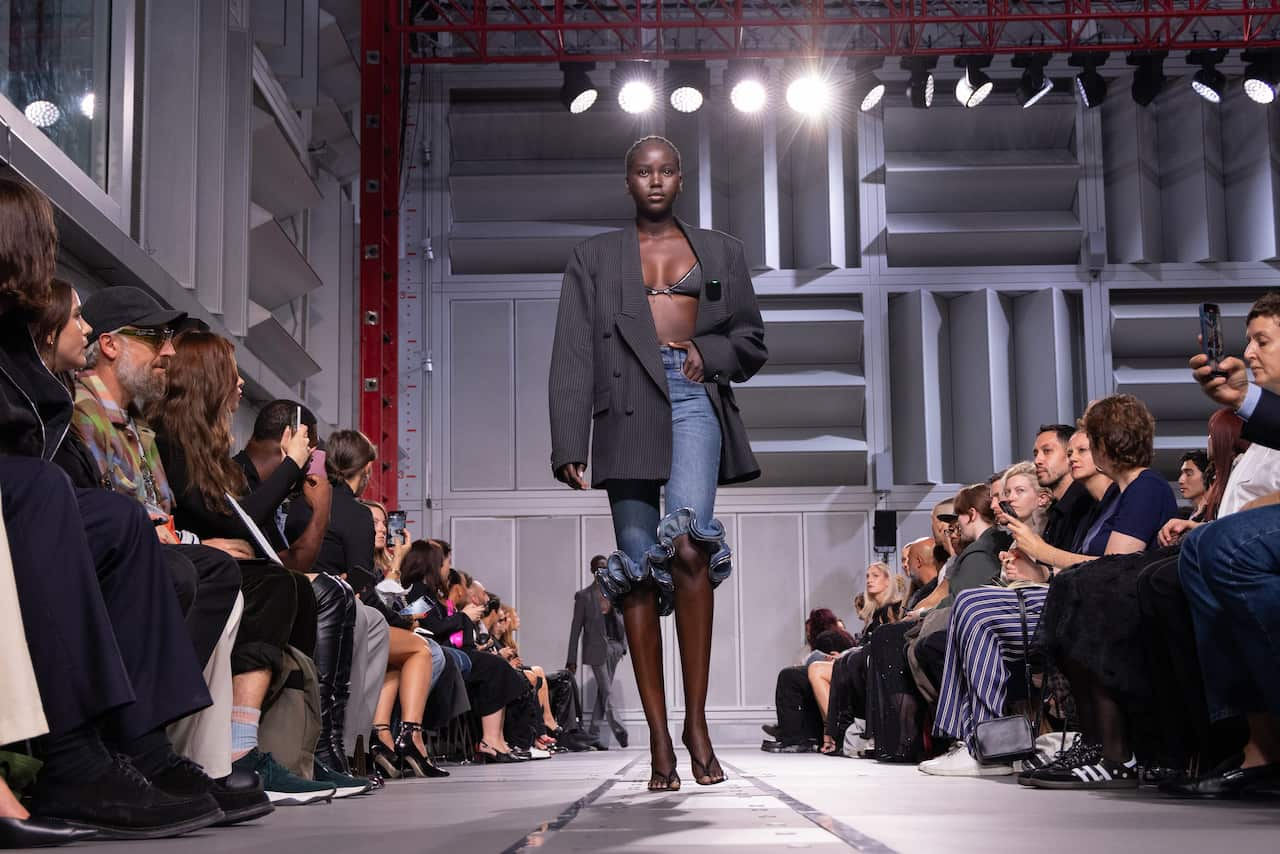
Kicking off today, Melbourne Fashion Week is an annual event where Australian designers hold runway shows to exhibit their latest clothing collections. The selection of models is done by the fashion labels, not by the organisers of the event.
News that makes sense
Your trusted source for staying up-to-date with the world around you. Get free daily news updates and analysis, straight to your inbox.
“For years I’ve been silent to not speak out about the fashion industry in Australia cause I [sic] been scared of retaliation or the fear of being dropped or not booked (Cause apparently speaking out against such things in this country makes you a villain),” he wrote on Instagram.
Jeff said he has already experienced backlash from people who are accusing the models of looking for attention or complaining.
“The irony if you say something you’re the angry black ungrateful person.”
Former model quit because of racism
Anyier Yuol worked as a model for five years, until the lack of diversity in Australia’s fashion scene caused her to resign.
“I do believe there is an element of racism within the industry…those who are in a position to make a change might turn a blind eye on the issue,” she said.
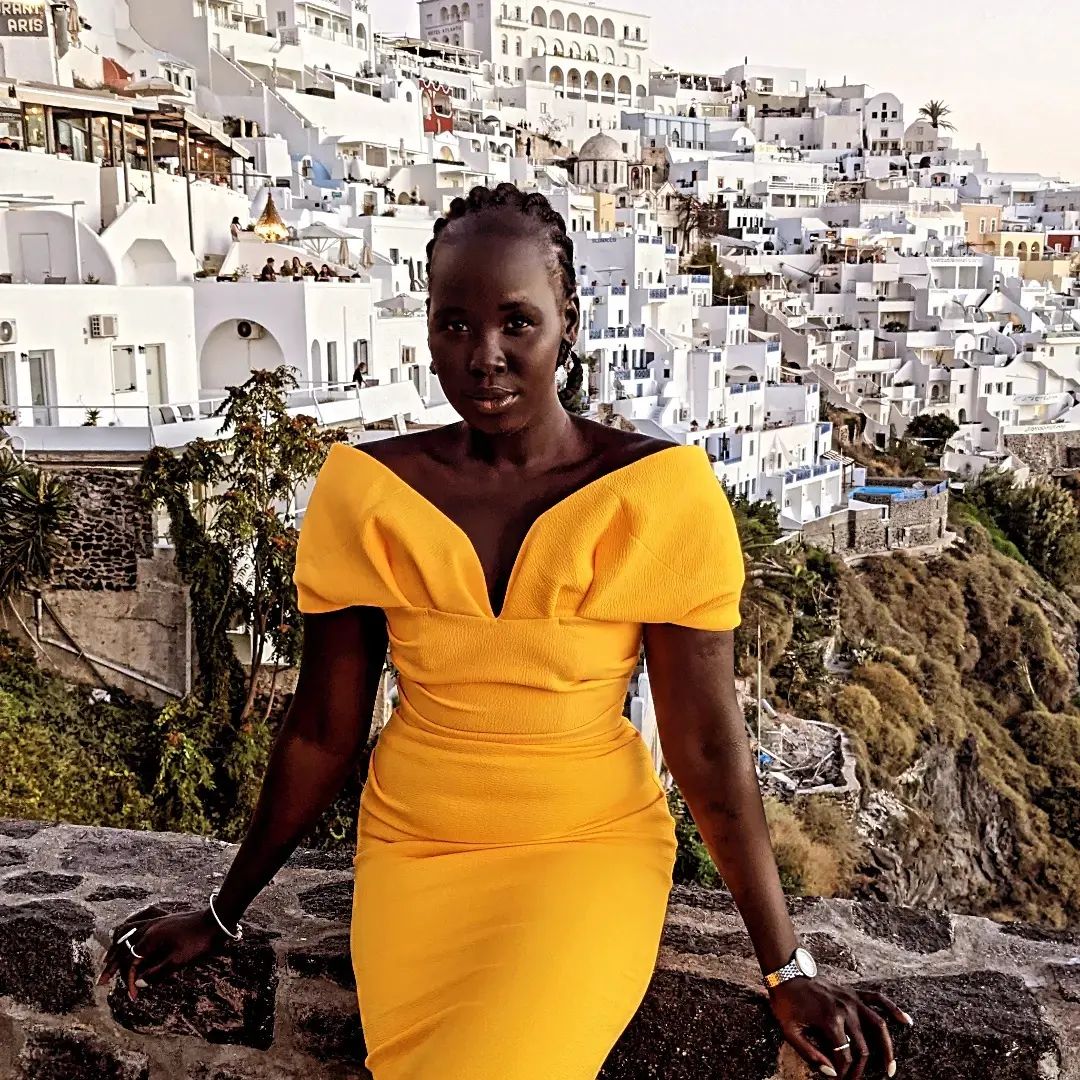
The former South Sudanese refugee struggled to make it in the industry – she once went to six castings in a month without landing a single job.
“Casting members will always choose the white models,” she said.
“You decide not to even want to participate anymore because you start to question yourself, how come you're not getting job opportunity?”
Anyier said she often carried around her own cosmetics and made sure to get her hair done before jobs, because hair and makeup staff at fashion labels weren’t used to working with black hair texture and darker skin tones.
“I always had to make sure that I was really looking after myself, because I knew that the whole industry was not equipped enough to make a black model feel inclusive,” she said.
Complaints she’s heard from other black models include struggling to be signed to major modelling agencies, as well as being paid significantly less than their colleagues.
Anyier advises other models to go overseas if they want to find success. Some Australian models, including supermodel Adut Akech, have made it big in Europe and the United States.
“The problem is in Australia, if you want to make it as a black model, you don't have the space to succeed, because we are still a small country and we are still a small industry that we are not very inclusive,” Anyier said.
Designers and organisers defend Melbourne Fashion Week
Fatuma Ndenzako is one of the founders of Collective Closets, an African-inspired fashion label that has appeared at Melbourne Fashion Week for several years.
“As a designer, it really means a lot for us for all the shows to be inclusive,” she said.
She said the allegations made by the boycotting models are concerning, and has spoken to other women of colour and Melbourne Fashion Week about the issue.
“There’s lots of other African and people of colour showing [at Melbourne Fashion Week],” she said.
“Every year, I feel more and more inclusive and I feel like they’re doing a lot more each year.”
The mayor of the City of Melbourne (which organises MFW), Sally Capp, has also defended inclusion and cultural diversity at the event.


“I think Melbourne Fashion Week has made genuine and real progress on issues of diversity, equality and equity,” she said.
Jeff said while Melbourne Fashion Week is one of the most culturally diverse fashion events in Australia, employing models from different backgrounds – that diversity is not reflected behind the scenes, or in the rest of the industry.
“Producers, casting, agents, there is no diversity within those spaces, and unfortunately the majority of those spaces have majority people who don’t understand what it feels like to be a person of colour in this industry,” he said.
Creating opportunities for diverse models
After quitting her job as a model, Anyier founded her own modelling agency, Anyier Model Management, to create job opportunities for models from diverse backgrounds.
She signs not only black models, but also refugees, Muslims, Indigenous people and other underrepresented communities.
“For me, it was a passion that turned into a fight to make sure that other minority groups were well represented in the modelling agency,” she said.
She’d like to see a shake-up of the entire industry – as well as everyday Australians speaking out about diversity issues in the brands they’re buying.
“One of the things that I got told was that we are [not] catering to the wide Australian community, as if that we're not part of the wide Australian community. And so this conversation needs to be pursued and pushed to the consumers as well.”
Jeff is calling for other major fashion organisations to speak up on the issue.
“I’ve yet to see any other bodies of fashion within Australia address what we brought forward cause this is important and we won’t stop until it’s addressed.”

Through award winning storytelling, The Feed continues to break new ground with its compelling mix of current affairs, comedy, profiles and investigations. See Different. Know Better. Laugh Harder. Read more about The Feed

Have a story or comment? Contact Us







