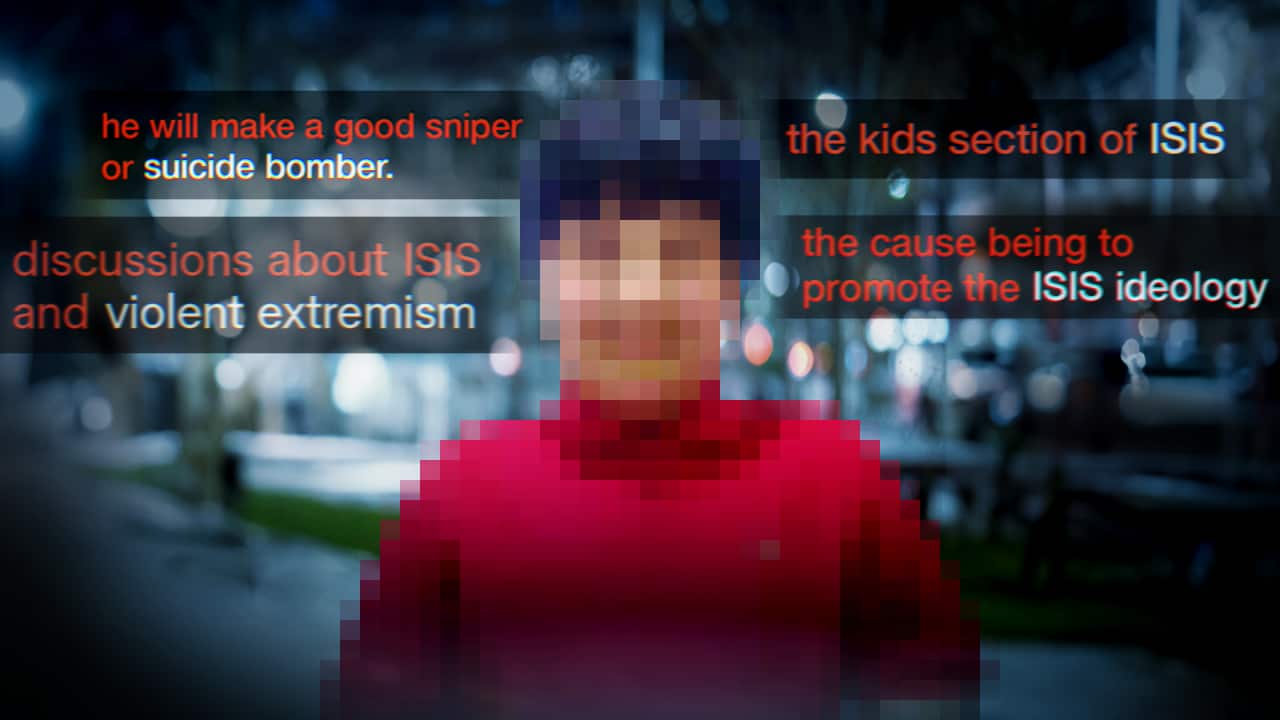
Watch the full documentary 'Autism, Extremism and Recruitment' on our YouTube channel.
This article contains distressing content
In many ways, Thomas Carrick (the pseudonym he was later given in court) was an extremist recruiter’s dream.
He was young, just 13 at the time, vulnerable, with autism and a cognitive disability, and like many kids his age, he was searching for acceptance.
Bullied and 'isolated'
News that makes sense
Your trusted source for staying up-to-date with the world around you. Get free daily news updates and analysis, straight to your inbox.
Court documents say he was bullied at school for his 'weird and awkward behaviour'. His parents say it began with name-calling and exclusion, before it took a turn.
"The kids started calling him a Muslim and a terrorist and Osama bin Laden," his mother said.
But Carrick knew little about the religion, or the extremist groups his classmates were talking about. His father said he went online looking for answers.
"He started searching. Who are Taliban? Who is Osama [Bin Laden]?".
Not long after, his parents say he started using extremist language to frighten the other students and protect himself.
School staff viewed him as "a sweet boy" whose behaviour was a product of his disability and special needs. His psychologist and his school staff agreed the behaviour was an attempt to get attention, shock his classmates and fit in.
But what had started as searches was becoming a fixation.
From interest to fixation
Thomas was viewing material associated with the self-proclaimed Islamic State (IS) group on school computers and had sent a female student an image of a decapitated body.
He had also taken his mother’s phone to post IS group material on TikTok. To a student who knew what he had done, he threatened: "If you tell the teacher about this I will rip your organs out," a court document read.
His parents said they looked for help, seeking the guidance of his paediatrician, and engaged a psychologist and his school, but his behaviour was escalating.
They saw him as vulnerable and feared he could be exploited. They worried his search for acceptance was taking him somewhere increasingly dangerous.
"He is very vulnerable and he can be misused. His vulnerability can be exploited to the extent that it may cause irreversible harm to him and to others," his father said.
And one day, he came home talking about how to make a bomb — the tipping point for his parents, according to the court document.
“He came back home and he says, 'Okay, mama, I know how you make a bomb.’ And he was laughing. He was telling me in a very casual way because he was a child," his mother told The Feed.
His parents went looking for help
Searching for a way forward, his parents tried something they hadn't before. They walked into a Melbourne police station and asked for help. A court document says his father told police he was "prepared to sacrifice my son for the safety of the Australian community".
"We went to the police station, not with a criminal, but with our child with disabilities who needed help," his father said.

Victoria Police agreed to manage him therapeutically, and he was referred to the Countering Violent Extremism (CVE) Unit.
There was a plan to rehabilitate Thomas; he was assigned a case worker, an imam was meant to offer him an outlet for his questions and a psychologist remained part of the picture.
A psychologist from the program who assessed Thomas said his actions need to be viewed in the context of his Autism Spectrum Disorder (ASD).
She said, "One of the key diagnostic criteria for ASD is highly restricted, fixated interests that are abnormal in intensity or focus", and that it appeared to be an autistic fixation, not evidence of an ideology.
The parents gave the CVE program what a magistrate described as "unlimited access" to their lives and son.
The AFP covert operation begins
Three months after the rehabilitation began, the Australian Federal Police (AFP) entered his life with one officer acting under two covert online personas.
The family and the boy had no idea, with Thomas telling his mother he had made some friends online.
"My son, he started telling me that I just met few friends online and they are my very good friends and they understand me," his mother said.
Across 71 days, the AFP officer communicated with Thomas on 55 of them, sometimes several times a day.
"He got so engaged," his father said. "He didn't want to lose that person at any cost because that was the only person [friend]."
His parents began to notice a change in his behaviour. Eventually, they decided to look at his computer to see what was happening.
The conversations he was having with the AFP officer spoke about things that were expected for a boy his age — food, school, his family — but they were also being repeatedly returned to violent extremism.
"Started with our child telling that person, 'I'm 13-year-old. I have autism.' In the other response, he will track him back to, 'Hey, what do you think that we blow up Flinders Street?'" his father said.
During the covert operation, Thomas was encouraged to make a bomb and told he would make "a good suicide bomber or sniper", court documents would later show.
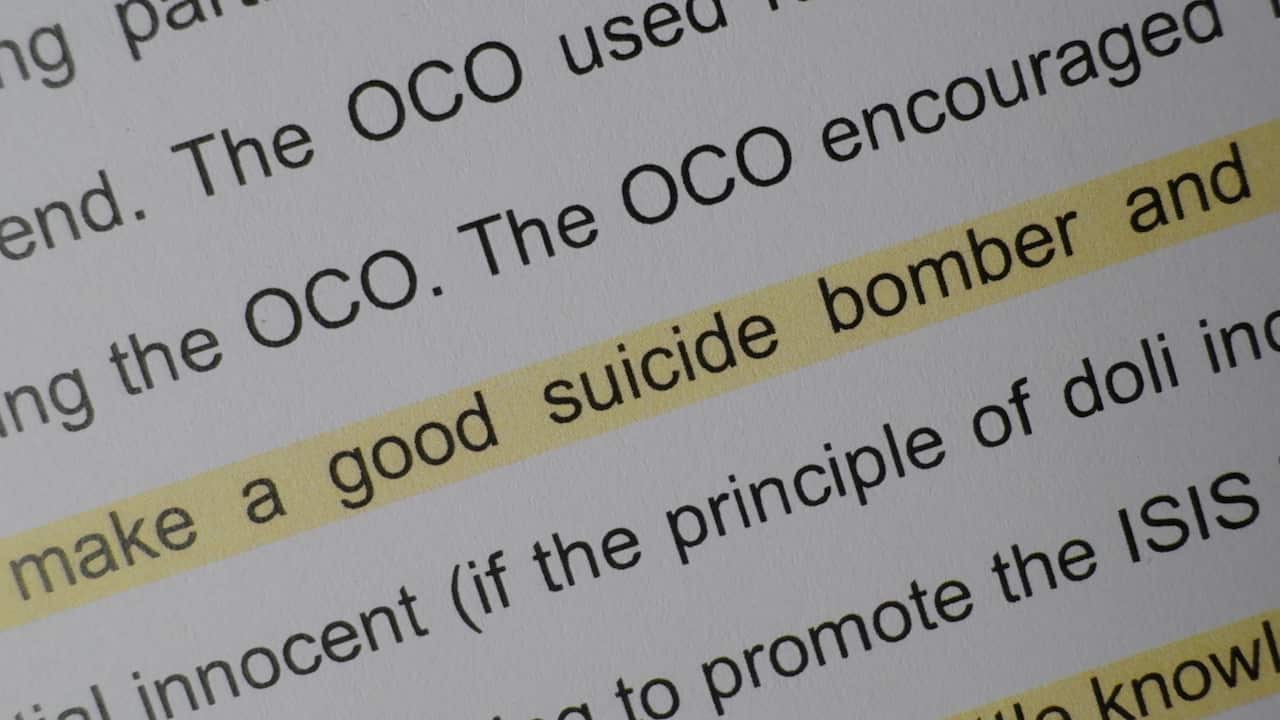
In another exchange, he asked whether the IS group had a "kid section". He was directed to reports of overseas attacks and sent information about an 11-year-old who had committed murder.
His mother has still not read all of the messages, which span 1,400 pages.
"I haven't been able to see all the chats because it's quite distressing for me," she said.
Believing their son had encountered an extremist online, his parents contacted the intervention program he was already participating in and raised the alarm.
What they didn’t know was the person they feared was recruiting their son was actually the police.
The conversations with their son continued.
Thomas later sent a photograph of himself in his school uniform, holding a knife with the word ISIS written on it.
Then came his 14th birthday. Victoria Police officers visited the family with presents and a cake, three months into his intervention.
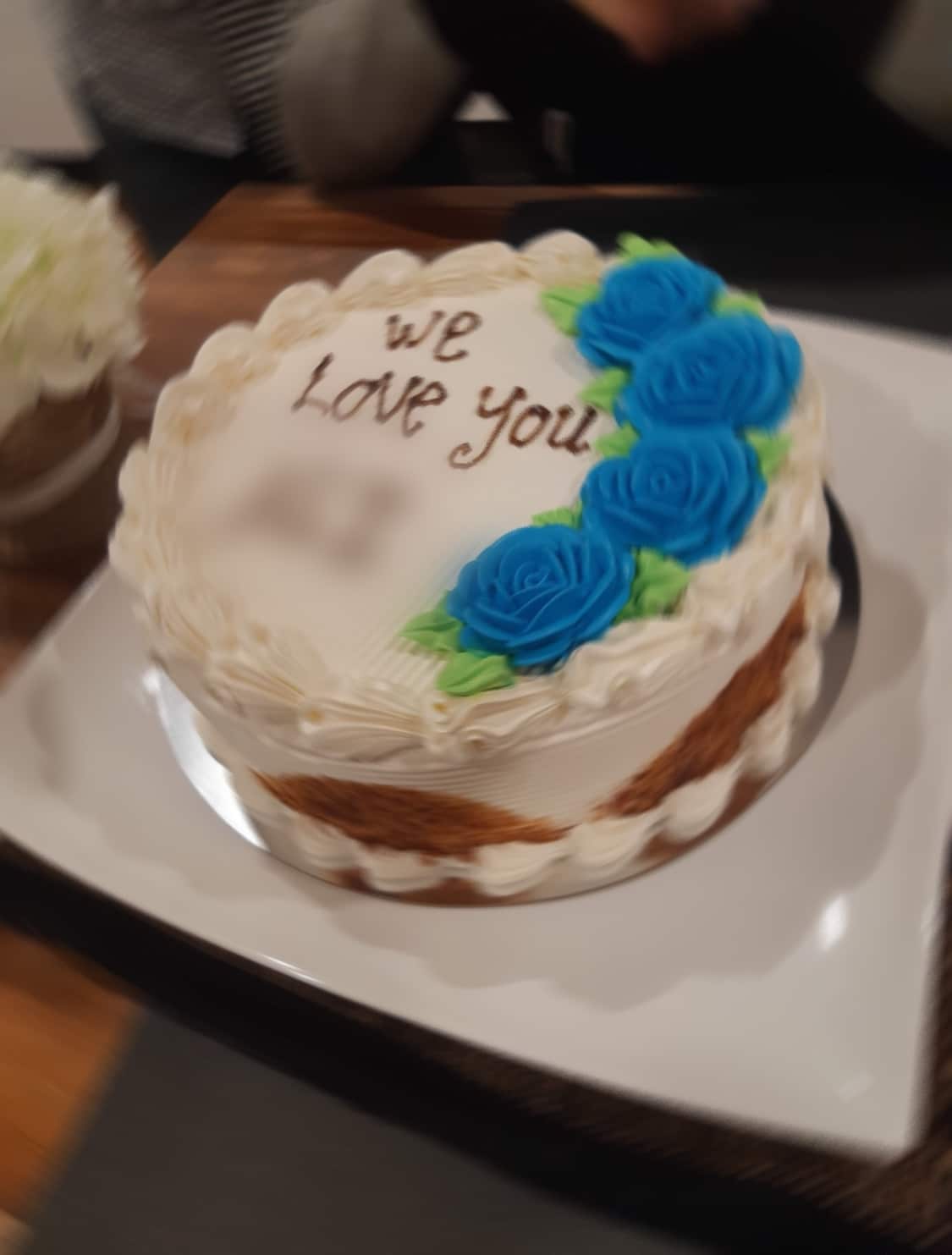
But days later, AFP officers came to make an arrest.
"Turned out to be like in a nightmare," his mother said. "They came, they arrested him, and he was handcuffed."
Only later did the family learn that the person Thomas had come to regard as his closest online friend was an AFP officer.
"What ISIS [IS group] do is they do the thing that AFP has done in this instant," his father said. "They groom children, right? ISIS, AFP groom children."
The case reaches the Children's Court
When the case reached court, after he was charged with advocating terrorism and membership of a terrorist organisation, the magistrate was damning of the AFP’s operation and threw the case out.
She found the undercover officer had "fed" Thomas’ fixation, "groomed" him and given him new terminology and boundaries for what was a partial fantasy world.
The worst thing they have done is that they gave him a feeling of belonging. They filled his isolation.Thomas' mother.
The magistrate found Thomas’ rehabilitation was "doomed" once the undercover operation began, and that he was redirected, often back to violent extremism.
For his parents, one aspect of the relationship was particularly difficult to reconcile.
"The worst thing they have done is that they gave him a feeling of belonging. They filled his isolation."
'Played into that vulnerability'
In recent years, the AFP has identified a range of factors that can make some young people more vulnerable to radicalisation.
"These include social dislocation, peer influence, mental health challenges, neurodiversity factors, active online engagement with extremists, and triggering or traumatic events," the AFP said in a submission during a statutory review of the Online Safety Act in 2024.
Nicole Rogerson, CEO of Autism Australia, says there are characteristics associated with autism that, for some people, can create vulnerabilities online.
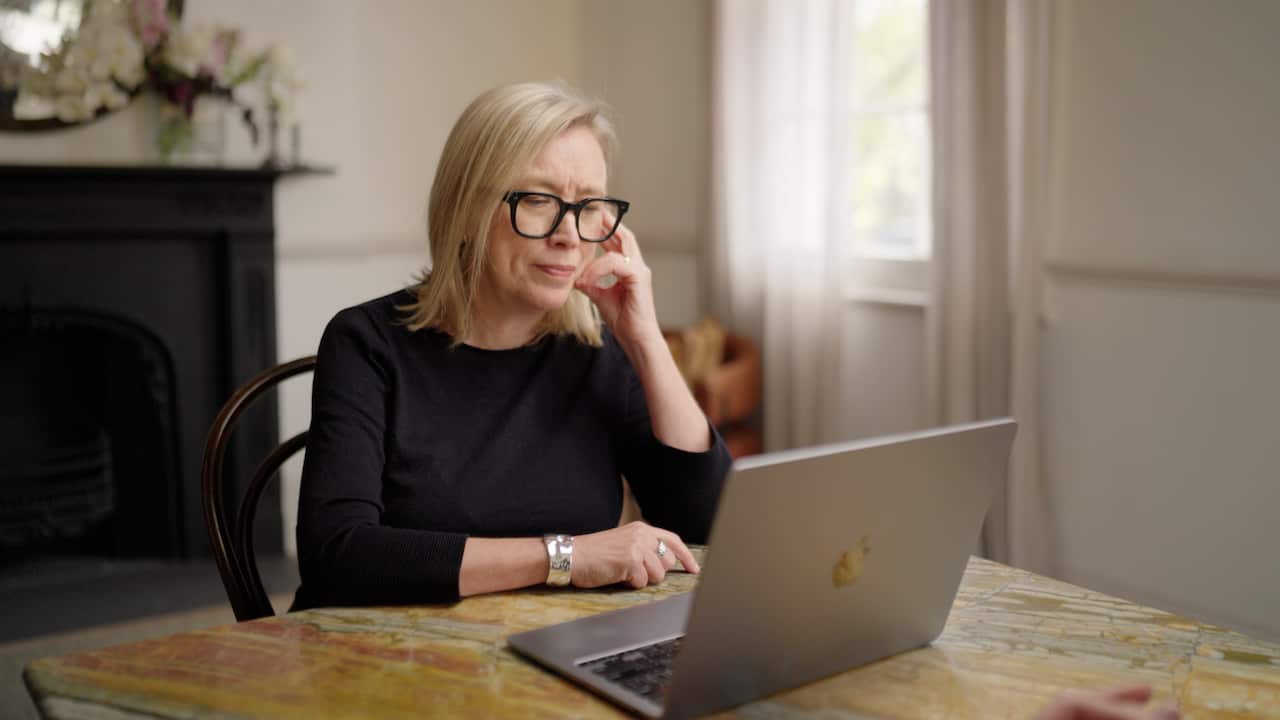
"Things such as an immense interest or focus on something. It can be a misinterpretation. It can be a literal interpretation," she told The Feed.
"The reality is we know that for some people with autism, they do have problems with communication. Communication is fundamentally the disorder that underpins autism spectrum disorder."
Criminal defence lawyer Nick Jane, who has represented Thomas for about five years, said the operation is an example of the AFP playing into the very vulnerabilities it has identified.

"To intervene in a way that completely plays into that vulnerability, it is incongruous with their position," Jane told The Feed.
"In the Carrick case … it was someone who recognised the vulnerability and preyed on it rather than helping him."
Jane said if public safety was the priority, the operation instead steered Thomas towards attacks.
It was someone who recognised the vulnerability and preyed on it rather than helping him.Nick Jane, Lawyer
The AFP declined multiple interview requests and did not respond to the Feed's extensive list of questions. But, when questioned about the case at a Senate inquiry in 2024, then-deputy commissioner Ian McCartney said he would authorise the operation again in the same circumstances.
"It was obviously a decision that we didn't take lightly," he said. "The decision to approve the controlled operation was due to the escalation of threat, the need to protect the community, but at the same time, taking into account the age of the individual."
A missing middle?
Peta Lowe, who spent years leading the NSW government’s Countering Violent Extremism program for young people, believes the Carrick case exposes a gap in Australia’s response.
Lowe believes Thomas' intense interest in the IS group could look remarkably similar to radicalisation, but that his age, autism and intellectual disability affected his capacity to translate that interest into a genuine threat.
She also believes the intervention from Victoria Police was not given enough time before the AFP covert operation began.
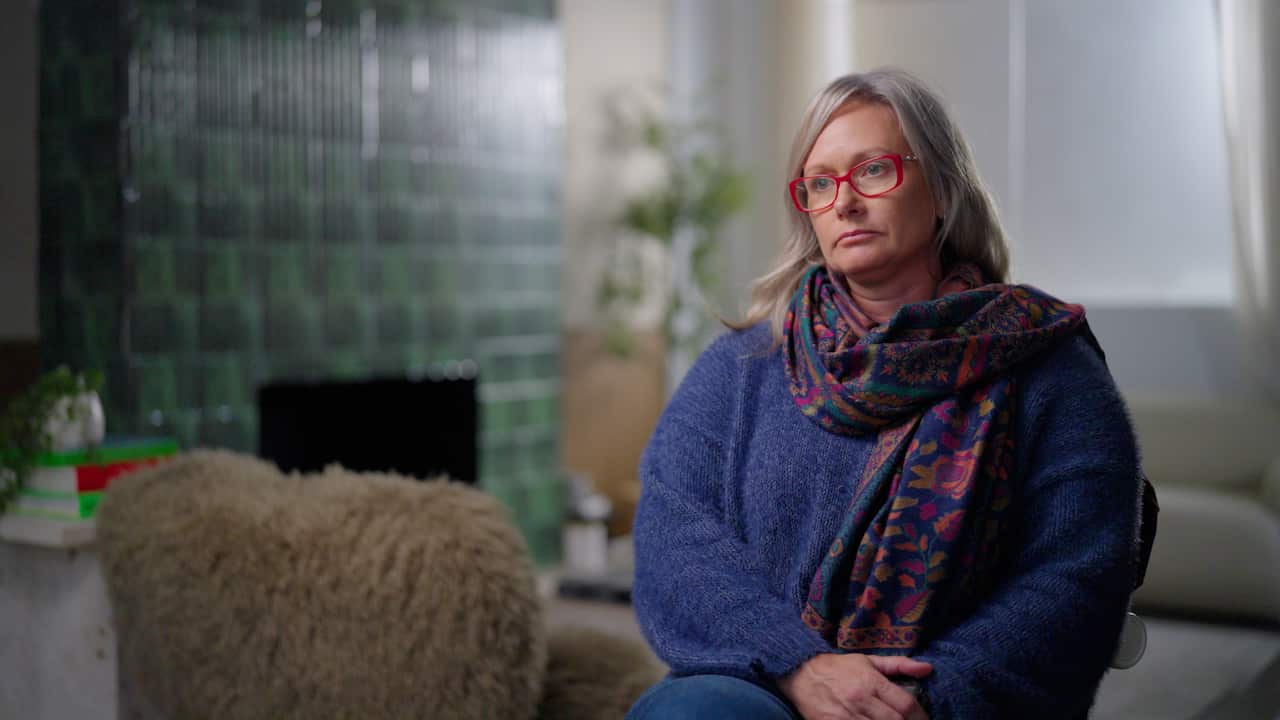
"I think he had four years of developing those behaviours and they expected an autistic, intellectually disabled young person to change them in a month," she said. "I think that shows a lack of understanding about neurodivergence and adolescent behaviour."
For Lowe, cases like Thomas' need another option between intervention and prosecution, particularly where age, disability or other vulnerabilities complicate the circumstances.
"There should be some way of diversion before prosecution when we understand that there are some extenuating vulnerabilities," she said.
The former extremist working in prevention
Mubin Shaikh knows something about the appeal of violent extremism because he once felt it himself.
As an 18-year-old, he travelled to remote areas of Pakistan, where a chance encounter with the Taliban left him, as he puts it, "enamoured" by them.
He got so deep into the pull of violent jihad when the September 11 attacks happened, he initially celebrated.
"After that attack happened, I realised that this is not right," he said. "How did I come to a place where the group that I supported, this is what they produced?"
Today, from his home in Toronto, Canada, Shaikh spends much of his time trying to pull others away from extremism.
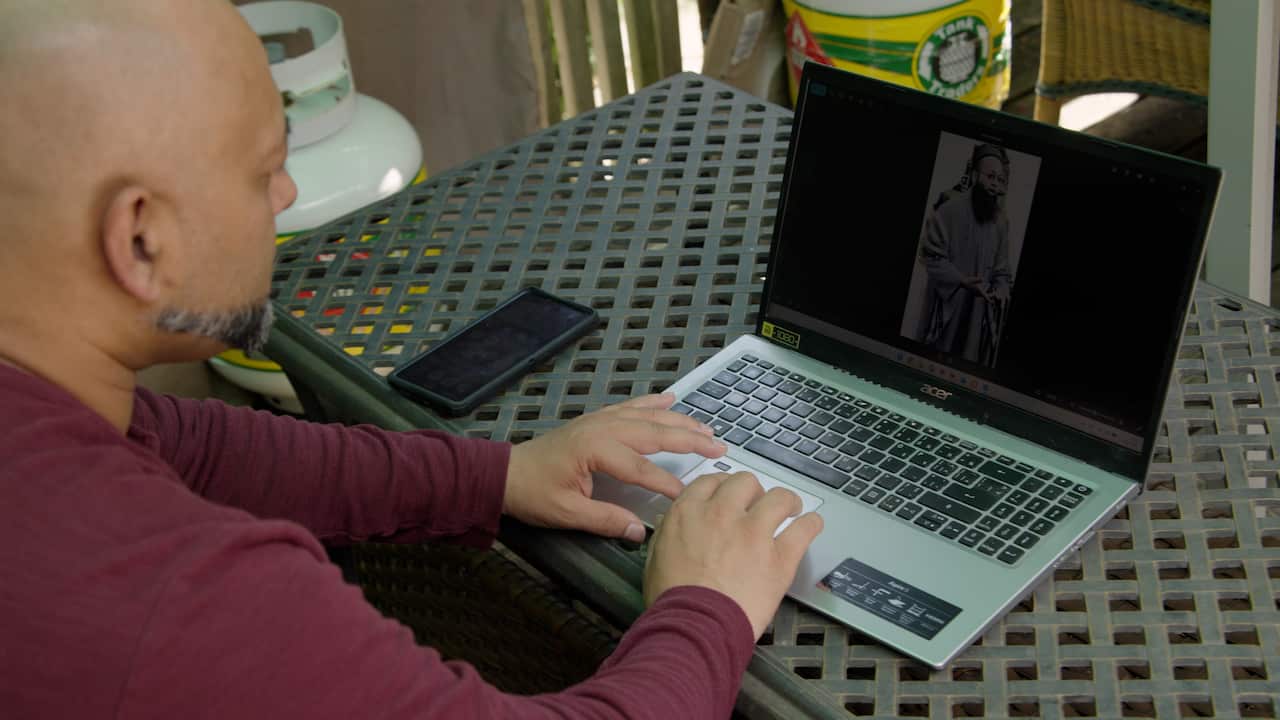
He works with Parents for Peace, an independent organisation that intervenes with people involved in extremism and their families, drawing on former extremists such as Shaikh to help build trust.
That independence from law enforcement is important, he says, particularly for parents trying to decide where to turn when they become concerned about their child.
"Parents are obviously mortified to even consider the option of, 'do I call the police on my child?'" Shaikh told the Feed. "Because what do police do? Police come and they arrest, and then your kid's going to go to prison."
But Shaikh does not argue police should be removed from the equation. Where someone poses a risk, he says law enforcement has a role to play.
Sometimes, the prospect of prosecution can provide the "stick" needed to push someone towards intervention.
His preferred approach is a co-response model: police are there to manage risk, while an independent organisation can occupy the space between law enforcement and the family. This, he said, would get more families to reach out.
Australia has no model like this.
Shaikh says neurodivergence comes up frequently in his work, particularly among young people. In the program, he estimates about 65 per cent of cases involve some form of neurodivergence, with autism making up the majority of those cases.
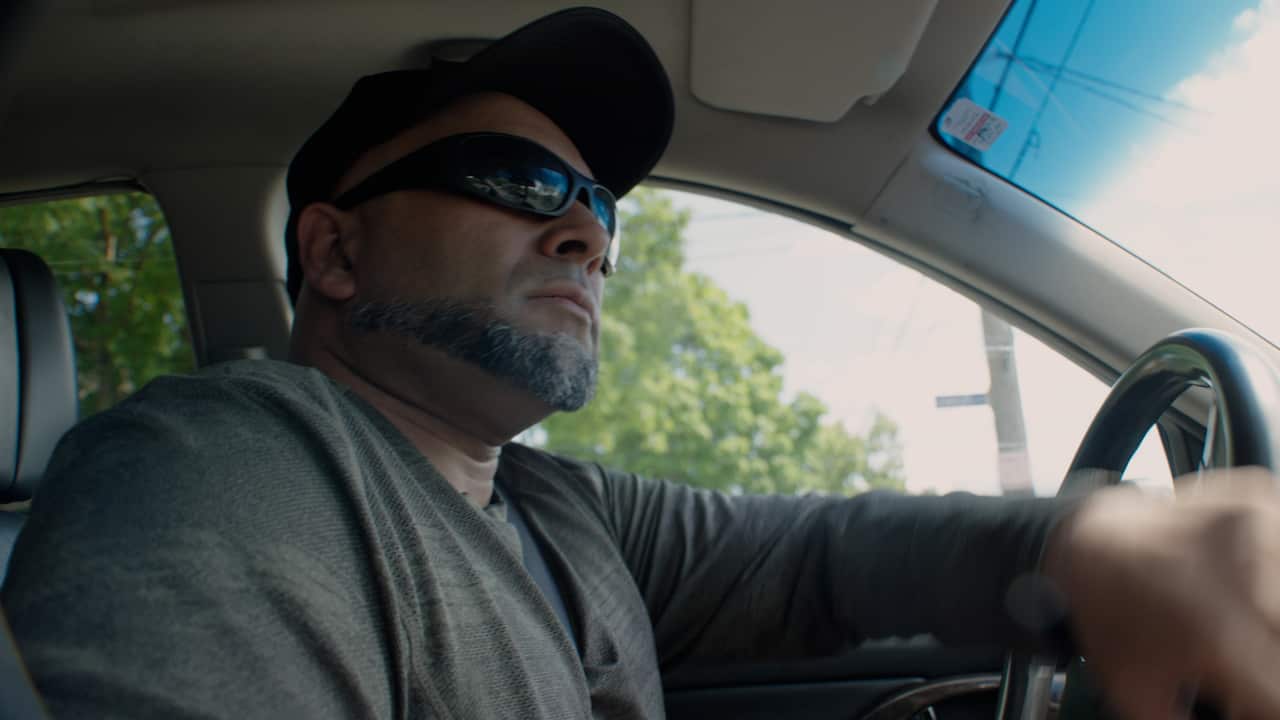
Working with neurodivergent young people can require patience and repetition, he says.
Shaikh describes a pattern he calls "looping", where weeks of apparent progress can be followed by a return to radical ideas.
"I have spent weeks and weeks up to months developing this genuine relationship with this individual," he said. "And we've hit on some topics and it's going really well. And then for whatever reason, we'll come back and it was like we didn't have that conversation at all."
At first, Shaikh said, he found it frustrating but said this can be the nature of working on disengaging a young, neurodivergent person.
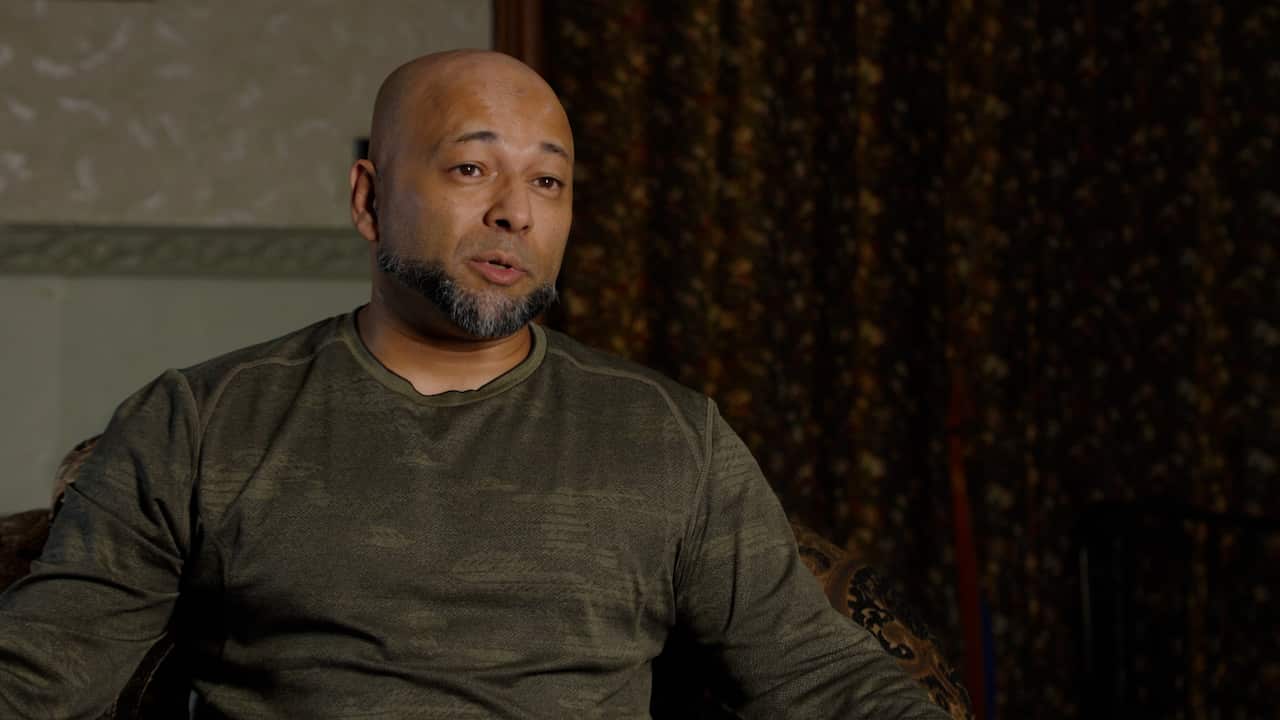
Counterterrorism expert Peta Lowe believes Australia needs an independent service similar to Parents for Peace and is in the process of bringing it to Australia.
Part of the problem, Lowe argues, is distinguishing between an intense fixation and an intention. Doing that with neurodivergent young people, she says, requires specialist expertise.
"[Police] are not trained to understand this stuff," she said. "They might understand autism broadly, but unless they've done specialised training, they're not going to understand how to work with neurodivergent kids."
Thomas Carrick returns to court
But the court’s decision in 2023 did not mark the end of Thomas' involvement with extremism. When he was 17, in 2025, Thomas published violent extremist material online.
The following month, he sent a threatening email to the Melbourne Hebrew Congregation under the name "Adolf Hitler".
"There will be a shooter coming in at night and shooting everyone of you," the email read and he said ISIS members would "burn and slaughter" all Jewish people.
Thomas later pleaded guilty to those offences, and he spent about a year in youth detention.
"Yes, he must be held accountable for his wrongdoings," his father said.
But his parents continue to blame the earlier AFP operation for intensifying the fixation they had originally sought help to address.
In a statement to the Feed, Victoria Police said its CVE program continues to provide early intervention for people assessed as "vulnerable to, or holding, violent extremist beliefs" and said that case management can include connecting people with mentors, psychological counselling and education or employment support.
The AFP is also examining the role neurodivergence and other vulnerabilities may play in youth radicalisation.
In an address to the National Press Club in 2025, AFP commissioner Krissy Barrett said a number of youth cases will be assessed for trends, looking at their networks and vulnerabilities, and "any prevalence of mental health issues and neurodiversity".
"This will help better understand how youth are being influenced and radicalised, and so importantly, how we can prevent it as early as possible," Barrett said.
Thomas’ mother says the family has been left in a more difficult position than when they first approached police for help.
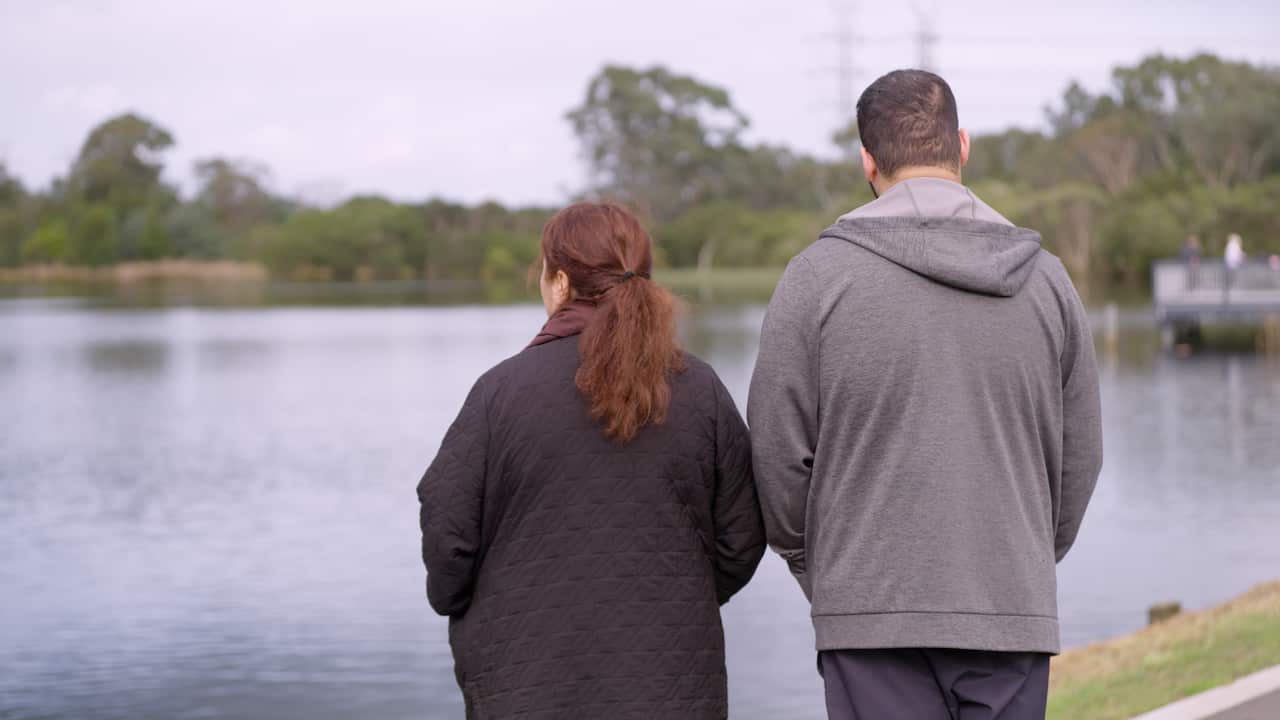
With Thomas now back home, his parents say they are hopeful he will not offend again under their watch. But their trust in authorities has vanished.
The family is now suing the AFP, alleging age and disability discrimination, saying authorities need to better understand how to handle cases like theirs and so the same is not repeated with others.
"They just left us with a much tougher job," his mother said. "But we as parents, we will not give up and we will not lose our hope."
"What I want for my son is the same what I wanted in 2021. I want him to live a good and normal life."

Through award winning storytelling, The Feed continues to break new ground with its compelling mix of current affairs, comedy, profiles and investigations. See Different. Know Better. Laugh Harder. Read more about The Feed

Have a story or comment? Contact Us







