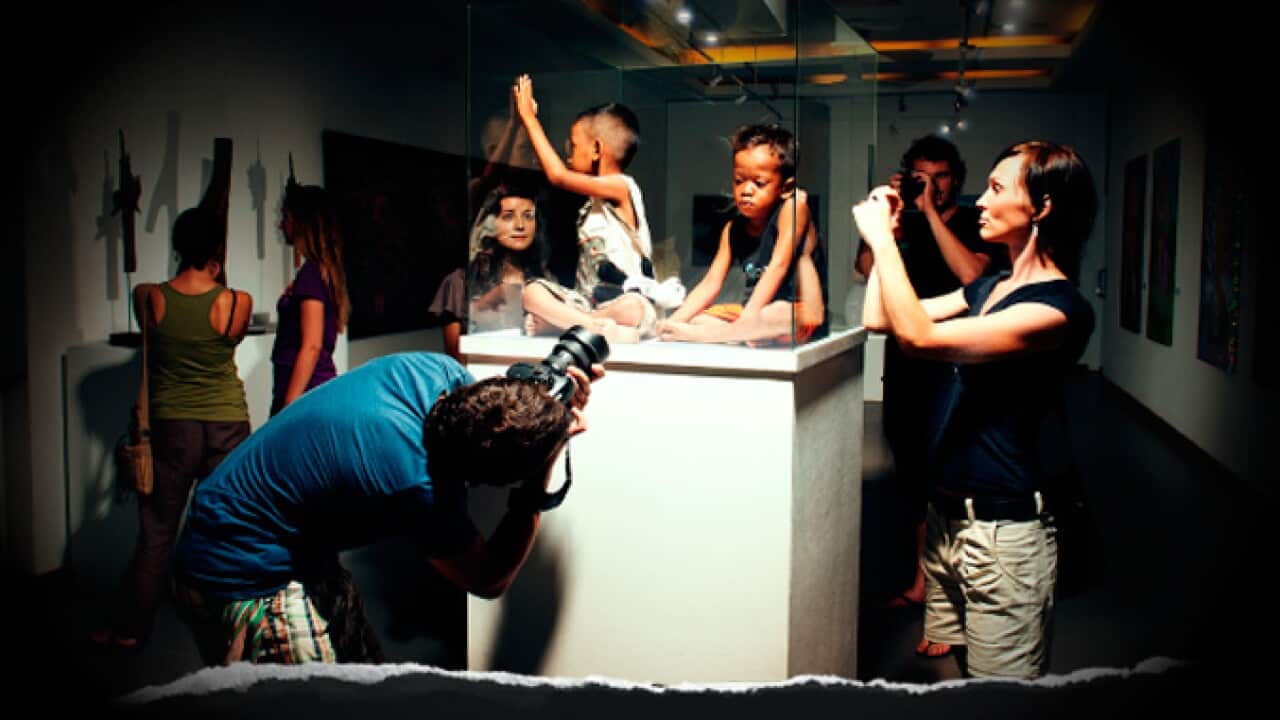
Tara Winkler felt odd holidaying in Cambodia, a county suffering from widespread poverty. So, like many Western tourists, she decided to volunteer.
"I thought I was doing a really good thing," she said in a Sydney TEDx talk on Wednesday 25 May.
Winkler says spent some time with an orphanage, teaching kids English and raising money, but then discovered some shocking things about the institution she was volunteering for.
The manager of the orphanage was embezzling money and sexual abuse went unchecked.
News that makes sense
Your trusted source for staying up-to-date with the world around you. Get free daily news updates and analysis, straight to your inbox.
She left, starting her own orphanage. She learnt Cambodian so she could speak with staff and children in their own language, but it was then that she discovered another hard truth.
Many of the 27 'orphans' in her orphanage, and in other institutions around the country, were not orphans at all. They had parents.
UNICEF estimates that this is the case for 75% of children in Cambodian orphanages.
“Most have families that could be caring for them if they had the right support,” Winkler said. Up to 8 million children around the world are in orphanages, despite many not being orphans, she said.
Winkler shut down her orphanage and changed the focus of her foundation to support family-based care for vulnerable children.
She says there’s a good reason we don’t have orphanages in Australia, the US and the UK – they don’t provide the proper environment for raising a child.
A stream of volunteers coming and going only dredges up the feelings of abandonment, Winkler says, denying children the stability of a family environment.
She's not alone. UNICEF in Cambodia is unequivocal, "institutions are not - ever - a better environment for children than a loving family," they said in a statement.
"UNICEF advocates strongly with relevant ministries and local authorities that no more residential institutions for children be permitted to open in Cambodia," they said.
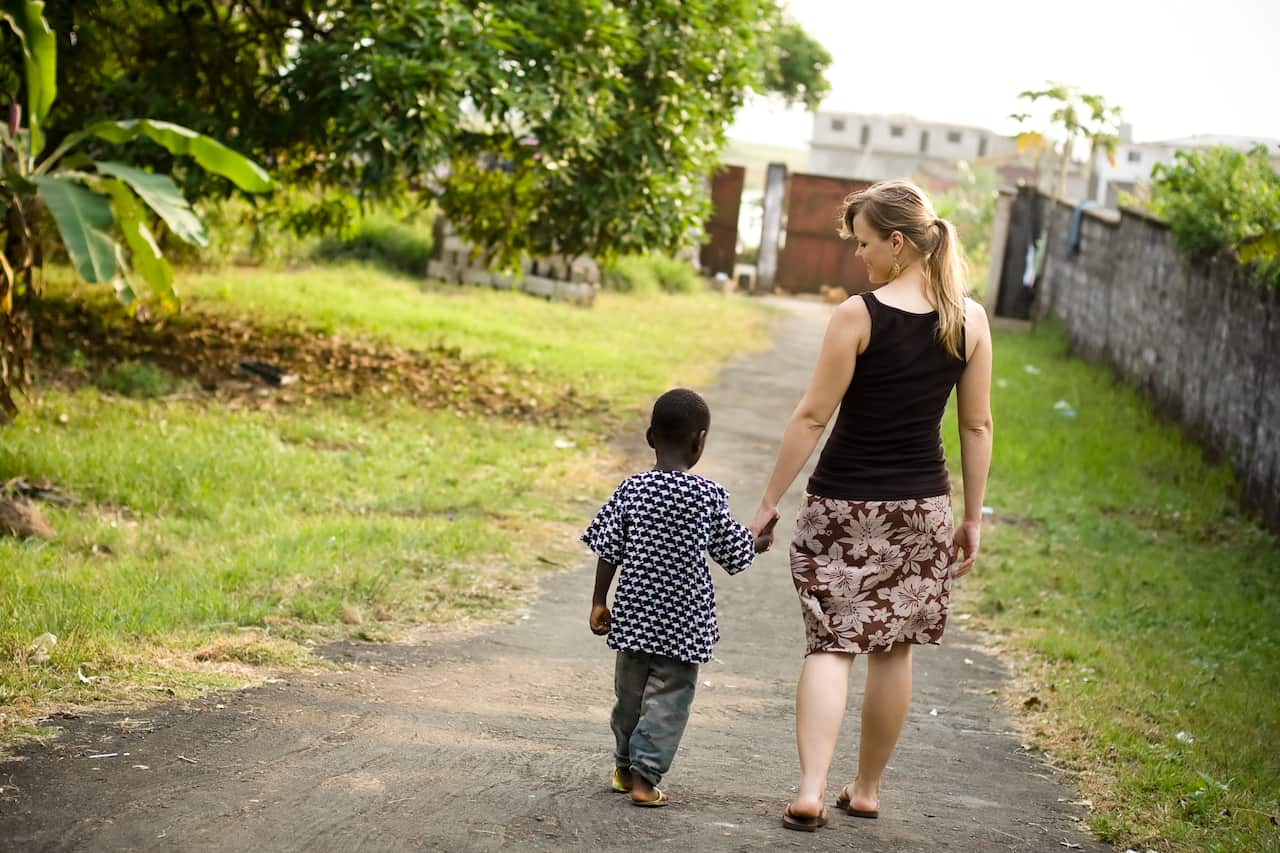
Sexual abuse is also a risk in such institutions, UNICEF said. Australia's Royal Commission into Institutional Responses to Child Sexual Abuse has repeatedly unearthed shocking cases abuse in Australian institutional care since its establishment in 2013.
Winkler is damning on who to blame for the growth of institutionalised care organisations around the world.
“It’s us - the tourists, the volunteer, and the donors - it’s the well-meaning support from people like me back in 2006 who visit these children, and volunteer and donate, who are unwittingly fueling an industry that exploits children and tears families apart,” she said.
UNICEF says volunteers who teach foreign languages in orphanages do great harm, as this encourages more parents to send their children to institutions.
"Volunteers are strongly encouraged to work only with organisations that have shifted their focus to community-based support and not institutional care," they said.
Tune in to #TheFeedSBS at 7.30pm Monday - Friday on SBS 2, stream live, or follow us on Facebook, Twitter, Instagram,Tumblr, or Vine.

Through award winning storytelling, The Feed continues to break new ground with its compelling mix of current affairs, comedy, profiles and investigations. See Different. Know Better. Laugh Harder. Read more about The Feed

Have a story or comment? Contact Us







