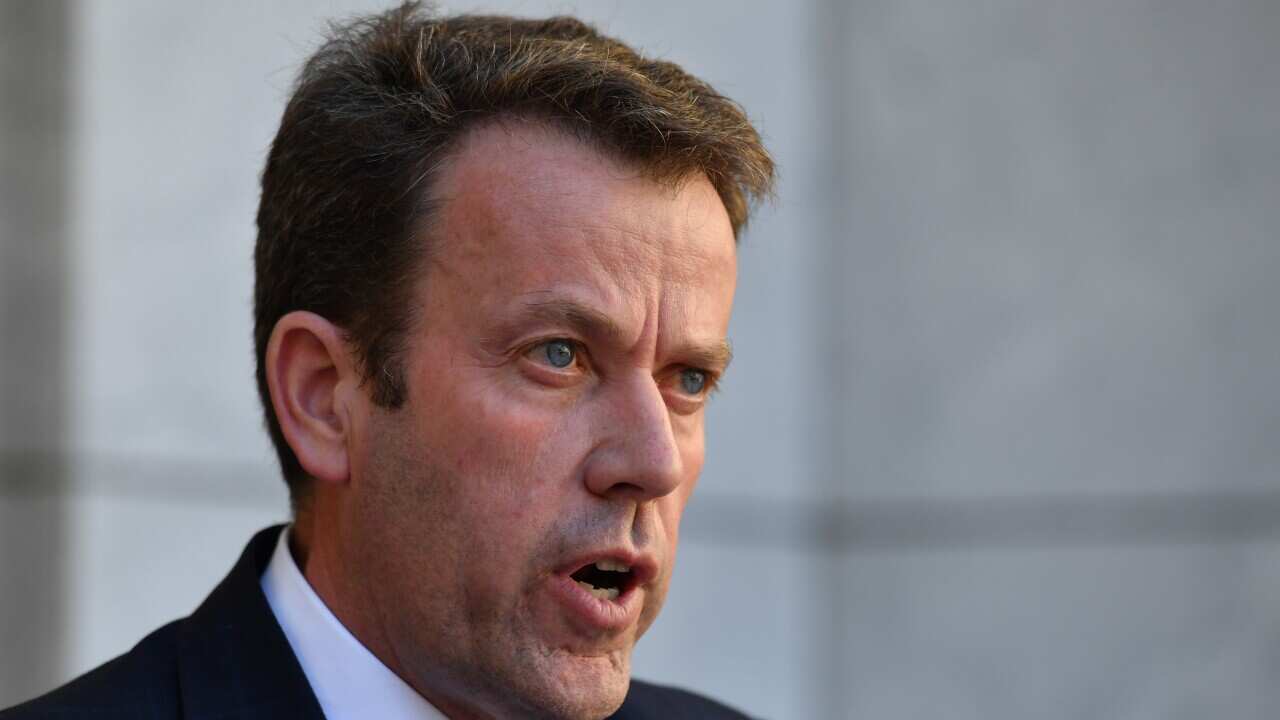
Australian universities will adopt new guidelines to try to combat an “unprecedented” threat of foreign interference targeting the higher education sector.
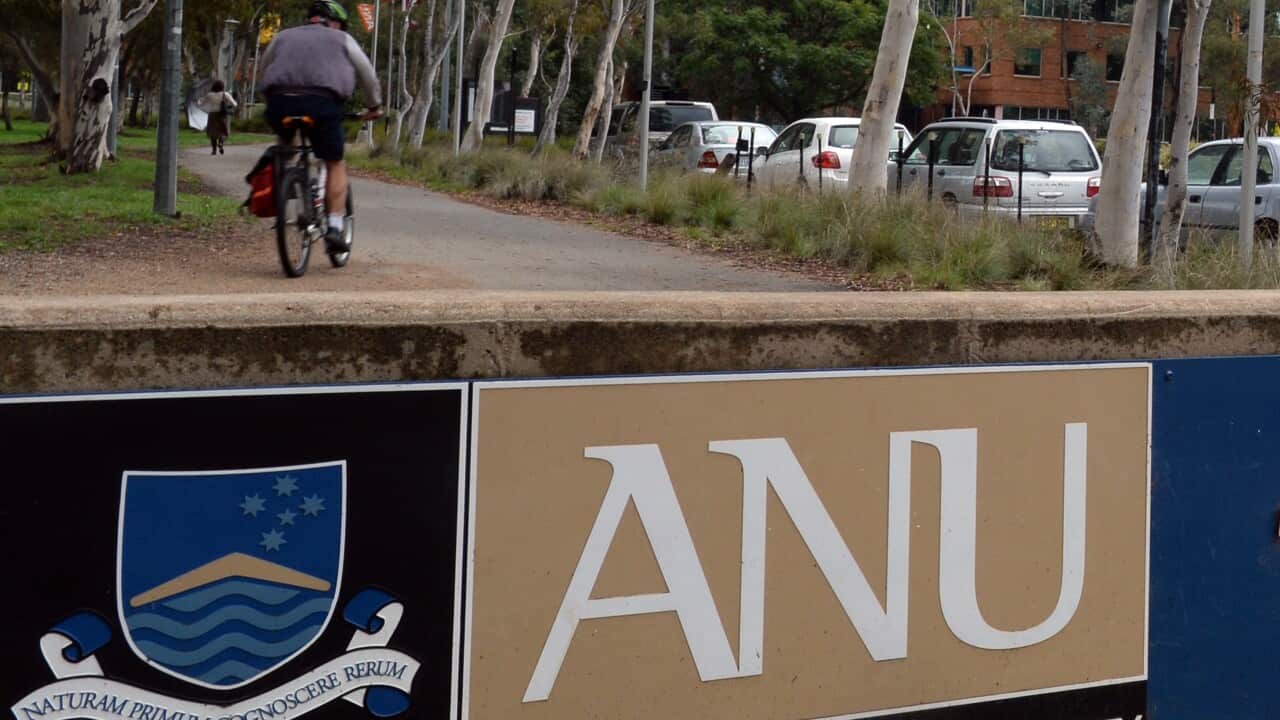
The federal government directive follows concerns about China's influence in Australia and a 2018 cyberattack on the Australian National University.
Political ties of research collaborators, the end goal of the research and the objectives of foreign governments will all be scrutinised under the changes.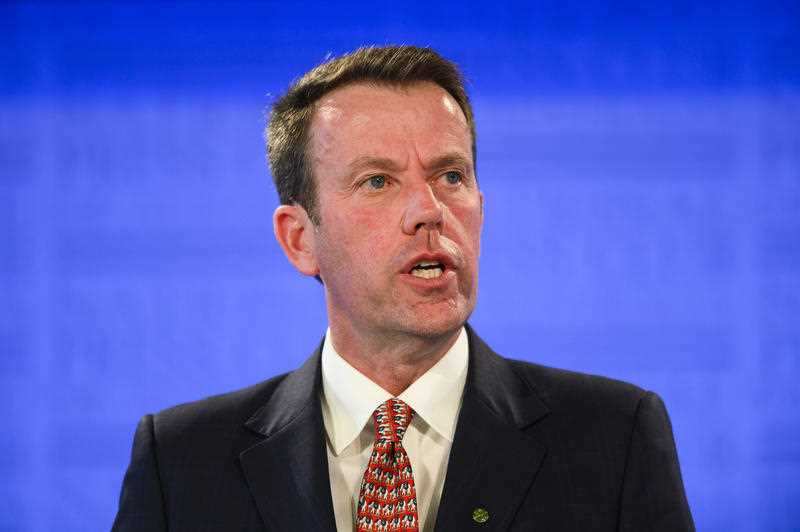 Education Minister Dan Tehan said the guidelines would provide universities with a framework towards boosting cybersecurity protections through stronger cooperation with security agencies.
Education Minister Dan Tehan says the guidelines will help universities respond to an 'unprecedented threat of foreign interference. Source: AAP
“The hack that occurred at the ANU was a wake-up call I think for all of us but in particular for the higher education sector of this level of threat,” he said.
“These guidelines are about setting out the framework that we want our universities to be adopting to ensure that they are dealing with this foreign threat.”
Universities would also have to review intellectual property rights and whether foreign military organisations might benefit.
The new rules were drawn up by universities and intelligence experts from the Department of Home Affairs and the Australian Security Intelligence Organisation.
Under the voluntary guidelines, universities will have to consider the "dual-use" of their research.
“They set out clear responsibilities that our universities are happy to take on board to deal with the threat,” Mr Tehan said.
“It also sets out methods for our intelligence agencies, government agencies, to cooperate with our higher education.”

The guidelines paper doesn't specifically name China and Mr Tehan has refused to specify the threat of foreign interference as coming from any particular state actor.
“We do not single any country out when it comes to whose interfering in Australia,” he said.
“What we’re dealing with is putting a framework in place so we know if it comes from any country we are in the best position … to deal with this.”  Earlier this year, University of Queensland researchers were found to be collaborating on facial recognition technology used by the Chinese government to surveil ethnic Uighurs.
Dan Tehan says the hack of ANU was a 'wake-up call' about the threat of foreign interference. Source: AAP
The paper detailing the new guidelines also does not list any penalties for universities found to be breaching the new rules.
READ MORE

Hackers access 19 years of ANU data
Federal Education Minister Dan Tehan said they were about universities doing their due diligence, with a presentation on the ANU hack reaffirming the need to take more action in this area.
“Everyone in the room … knew that we had to do something and that’s why we have moved so quickly to put this framework in place,” he said.
The paper says foreign actors may be trying to influence Australian researchers through economic pressure, hacking or recruitment.
But Mr Tehan said he was not aware of active spying going inside Australian universities.
“I’m the education minister so what I’ve been dealing with is making sure that our university sector and our intelligence agencies are working collaboratively and cooperatively together,” he said.
The guidelines aren't just aimed at staff, with universities asked to remind students of the risks of foreign interference.
Intelligence agencies would also work with universities to help them identify risks and respond.
Universities would also be required to list collaborators
With additional reporting from AAP
Share


