It all started back in 997 AD in Lazio, southern Italy when some guy flattened his focaccia and spread it with passata.
Or does pizza belong to kosher Roman Jews who ate hararah, flatbreads made of matzo meal that translates to four simple Hebrew letters: peh, yud, tzadi and heh?
Or further back with the Trojans, as documented by Virgil in the Aeneid when Aeneas and his men eat round cakes topped with cooked vegetables?
Or is pizza actually of German origin and we should all be calling it flammkuchen?
Wait, no, it's got to be Lebanese man'oushe, right? Turkish pide or gözleme? French tarte flambée or pissaladière?
It's little wonder that so many cultures want to claim pizza as their own. Pizza is life. It's also fast, cheap, nutritious and so yummy you'd probably sell your firstborn for another slice.
Everyone wants a piece of its history, however, if you want to get entirely technical about what we generally know as 'pizza' today, it's hard to go past Raffeale Esposito in Naples in 1889. He's the guy that first layered tomato sauce, basil and mozzarella cheese (the colours of the Italian flag) on a pizza to honour Queen Margherita with the world's first Pizza Margherita.
With such a rich history, it feels like rounding up all the ways to pizza is the 'yeast' we can do (see what we did there!?)
L'originale
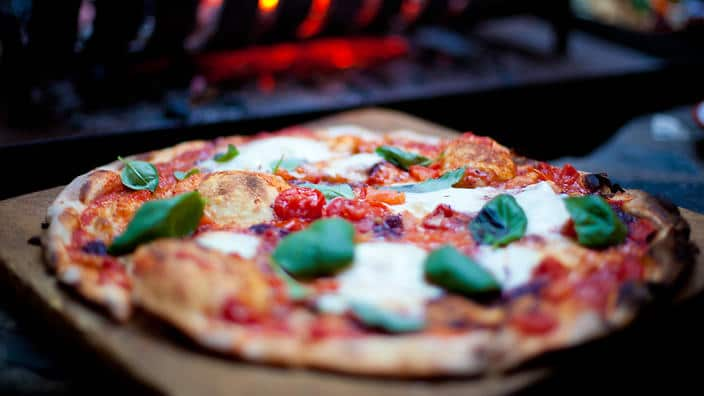
As we've established above, the use of 'original' is tenuous, however, the margherita is where so much of pizza joy began. So let's start there.
French-ish
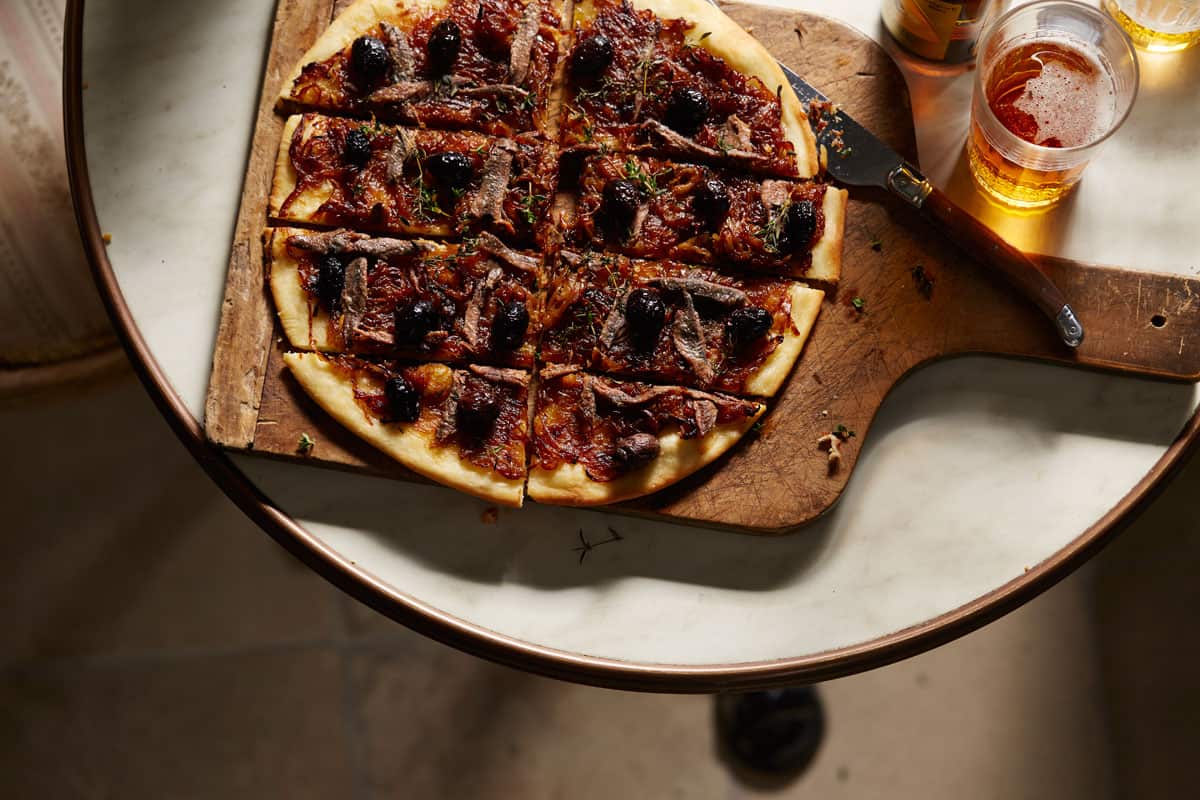
Pissaladière originated in Nice, which was actually part of Italy at the time. So both cultures can happily claim this style of olive pizza with extra, extra anchovies as their own. And often do.
Spanish style
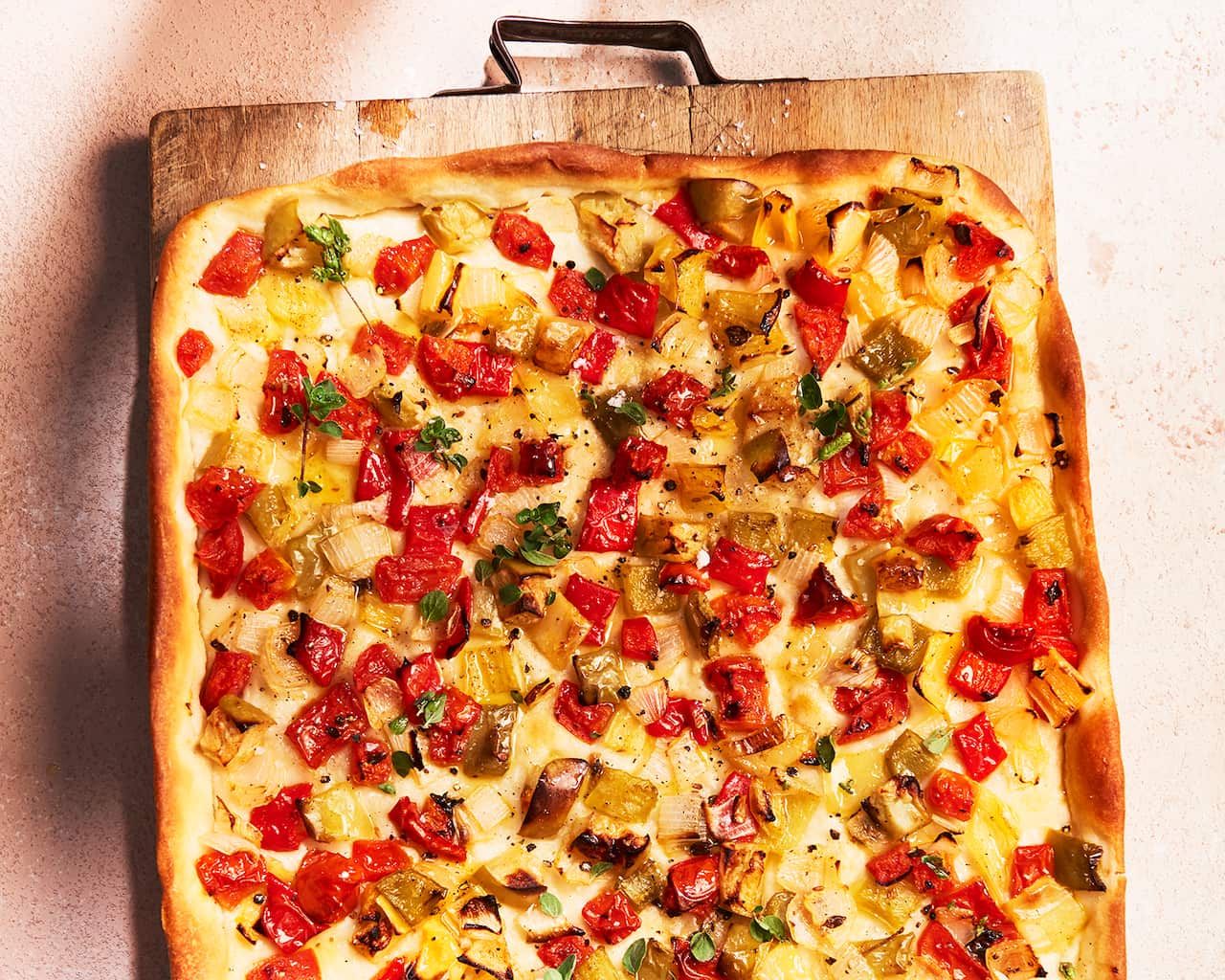
Not to be outdone by either the Italians or the French, the Spanish have their coca trempó. Cocas were and are traditionally made in Mallorca and the Balearics once a week on bread-making day to use up any excess dough. Delicious AND practical.
Shaped for sharing
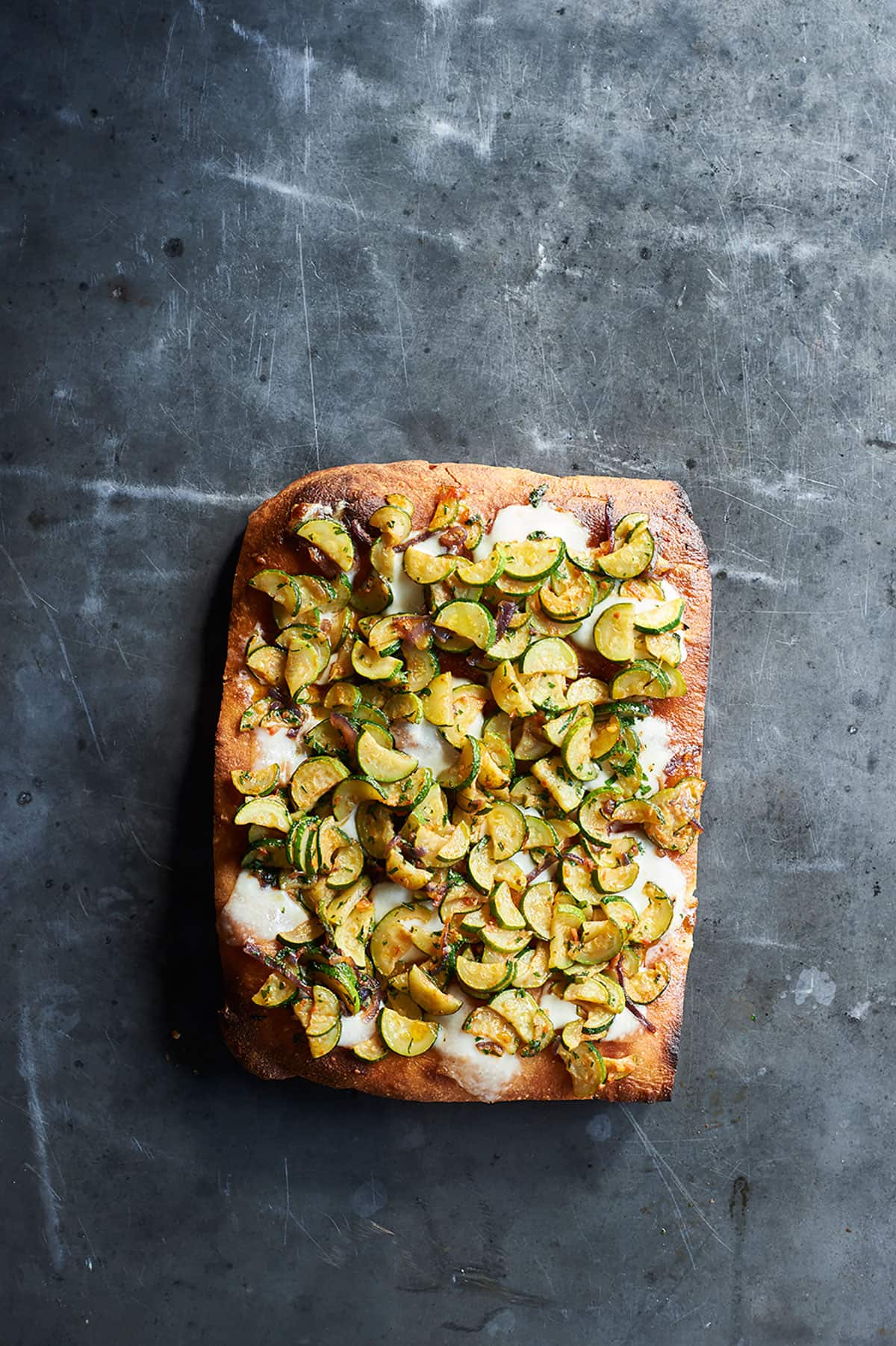
But back to the Italians for a moment. Roman pizza is pizza made in a rectangular shape (as opposed to Sicilian pizza which is square and all other pizzas which are round). It's generally bought by the slice when you're out and about, but you can keep this whole pizza for yourself if you want.
Pine for this
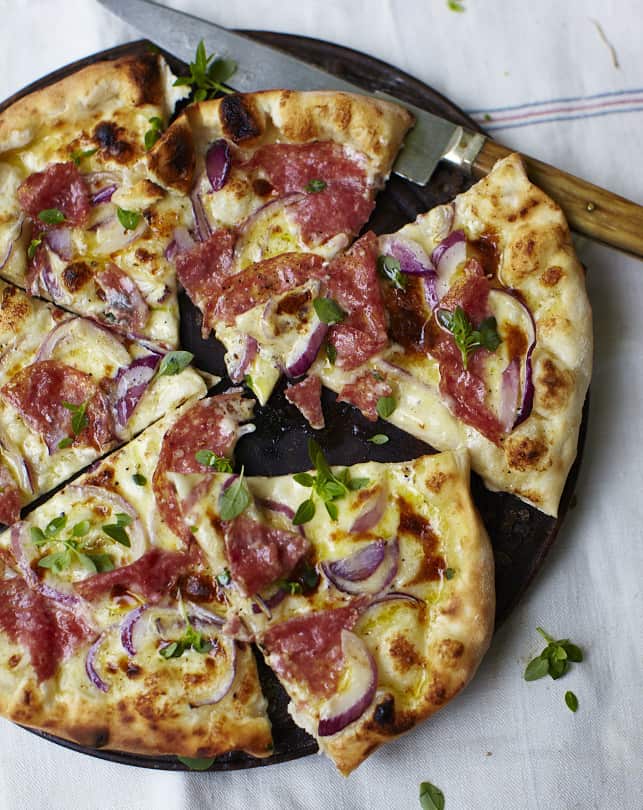
Ah, the joy that is the alpine pizza. Not a trace of tomato sauce here, a little crème fraiche, then gruyère cheese and sliced salami on top. Proof once again that when food crosses cultures, it's so often a journey worth making.
Do the fugazza
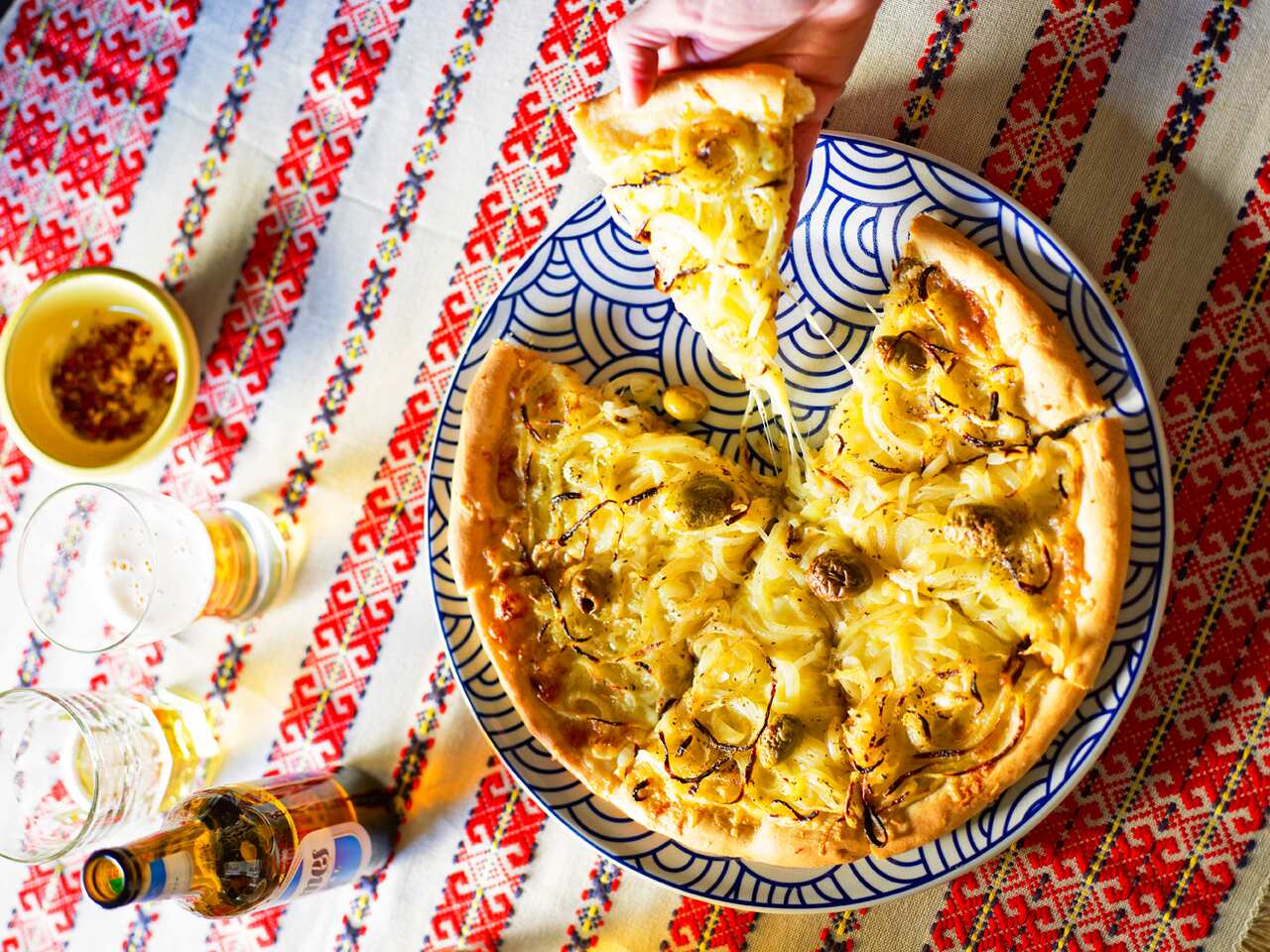
The Argentinian version of pizza is derived from Argentina's strong Italian descent. Basically, focaccia got squashed and cheese and onion got piled and the whole thing gets devoured in seconds because that's what happens when something tastes amazing.
Manakish on the lips
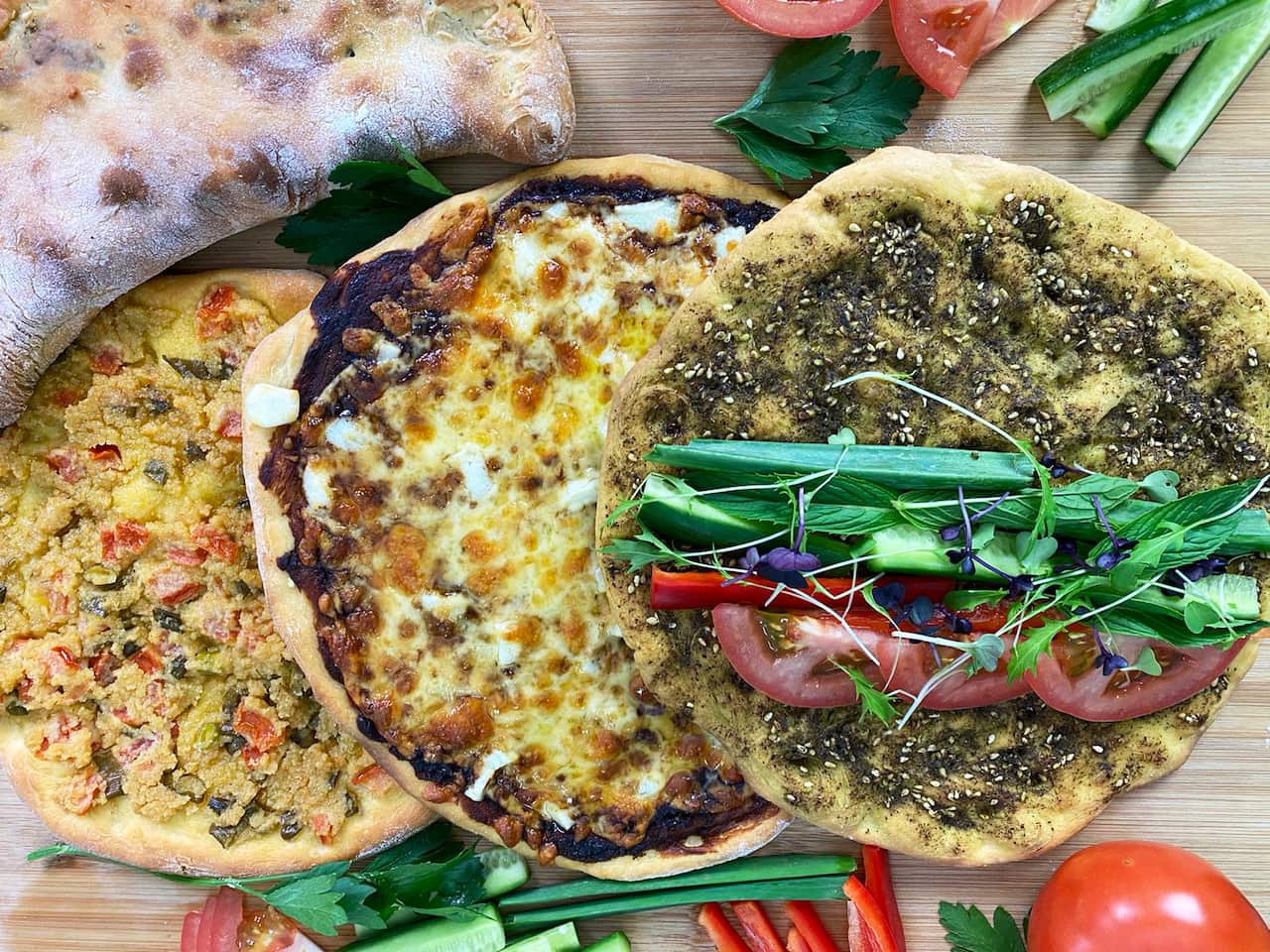
Man'oushe (plural manakish) is how the middle east gets its pizza on. Get excited because za'atar is generally involved and, in Hoda Kobeissi's case, Vegemite and cheese.
Argentinian barbecue
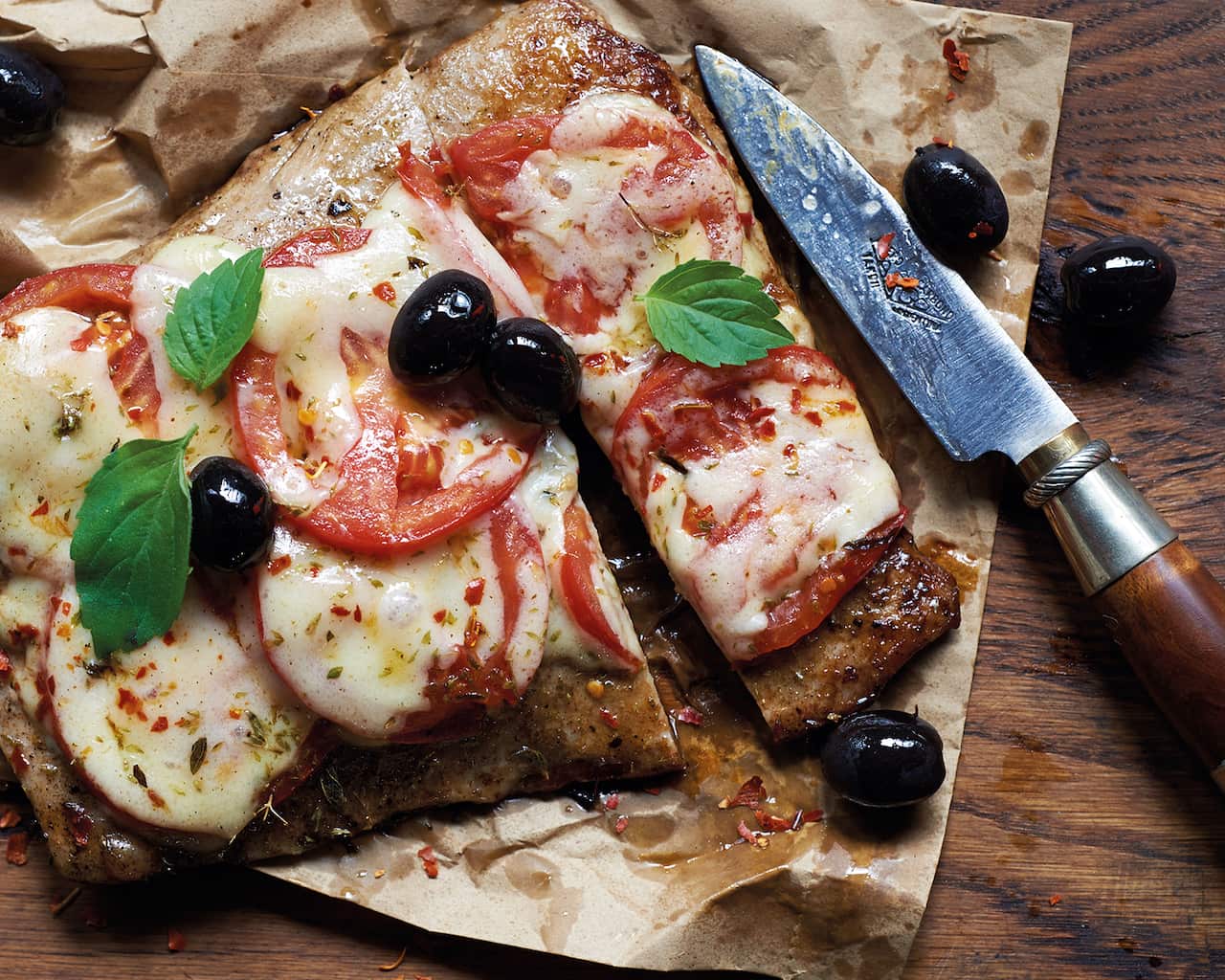
Yes, you can cook pizza on the barbecue. No surprise that the Argentines have it down to a fine art. It's especially good when topped with their famous matambre - barbecued flank steak.
Bella vita
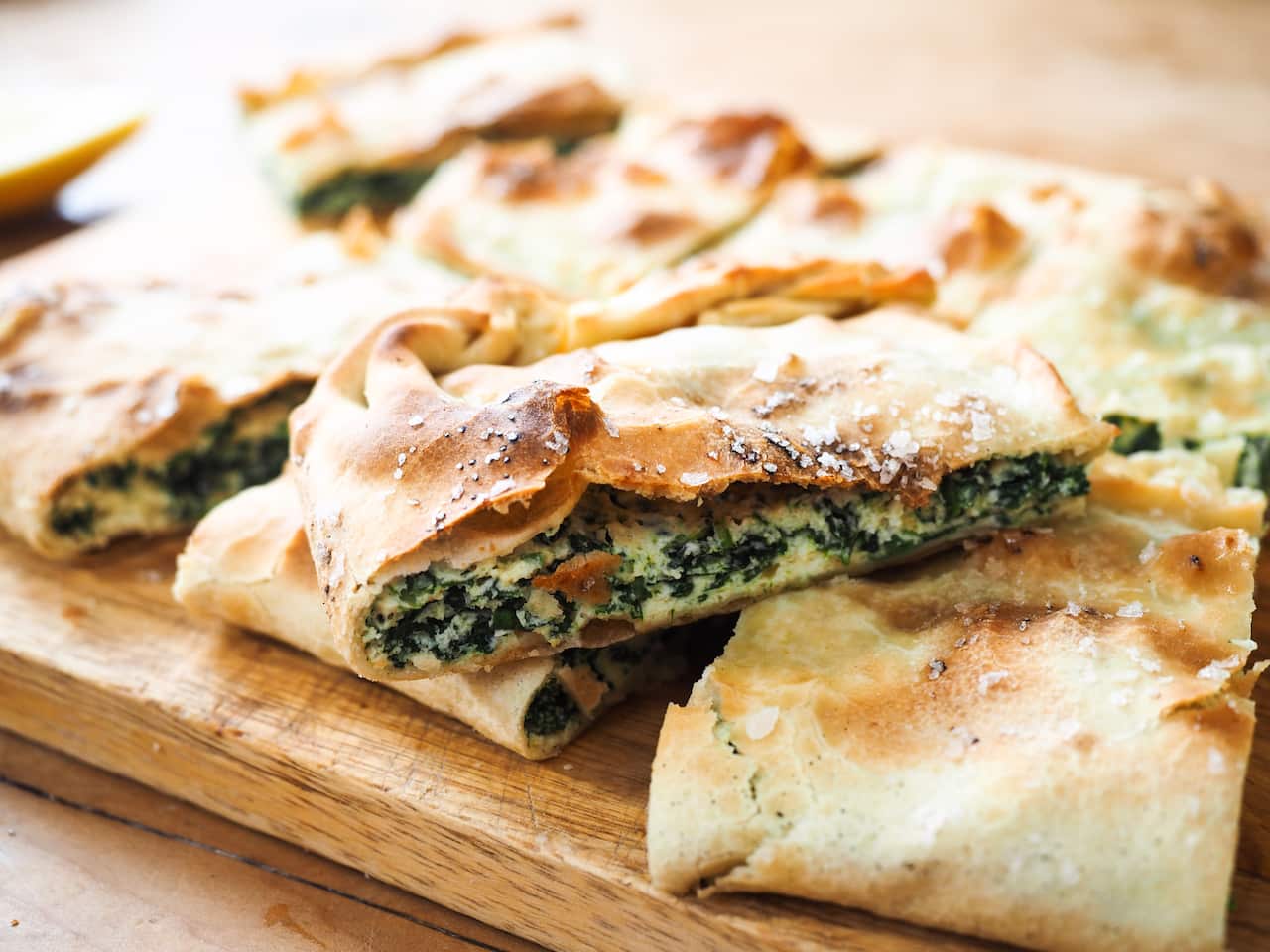
Back to the Italians because you need to try this pizza rustica. It's when pizza met an olive oil calzone and they had spinach and ricotta babies and life was good.
Grandma pizza
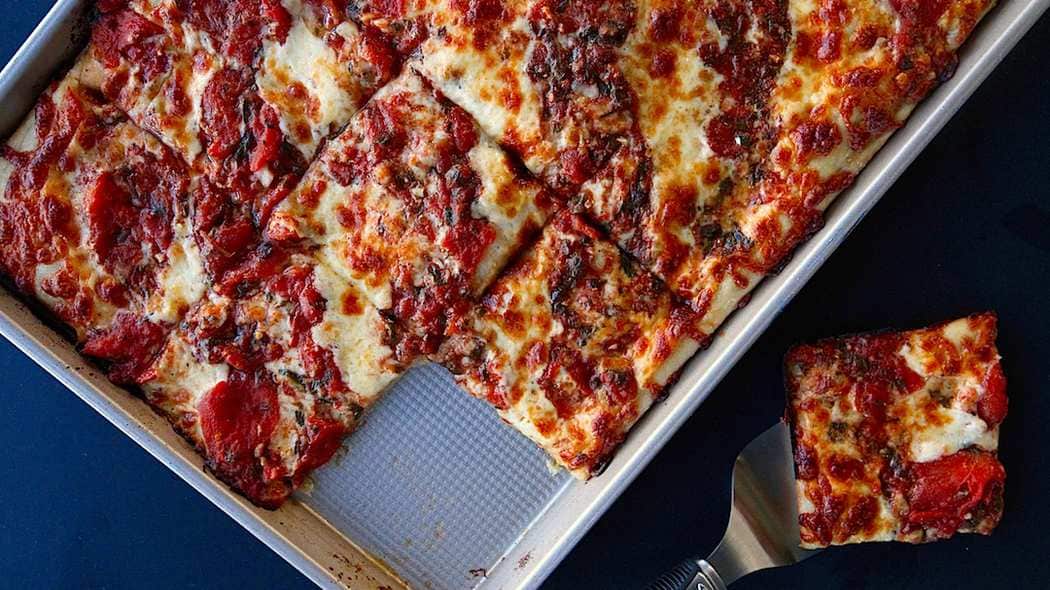
This pizza originated with Italian-American grandmothers in Long Island, New York in the late 60s. It's a Sicilian-style square pie, but with a much thinner, crispier crust. It's also got cheese right to the very edges of the crust - which seems like the kind of thing your grandma would do for you, doesn't it?
Kinda pizza
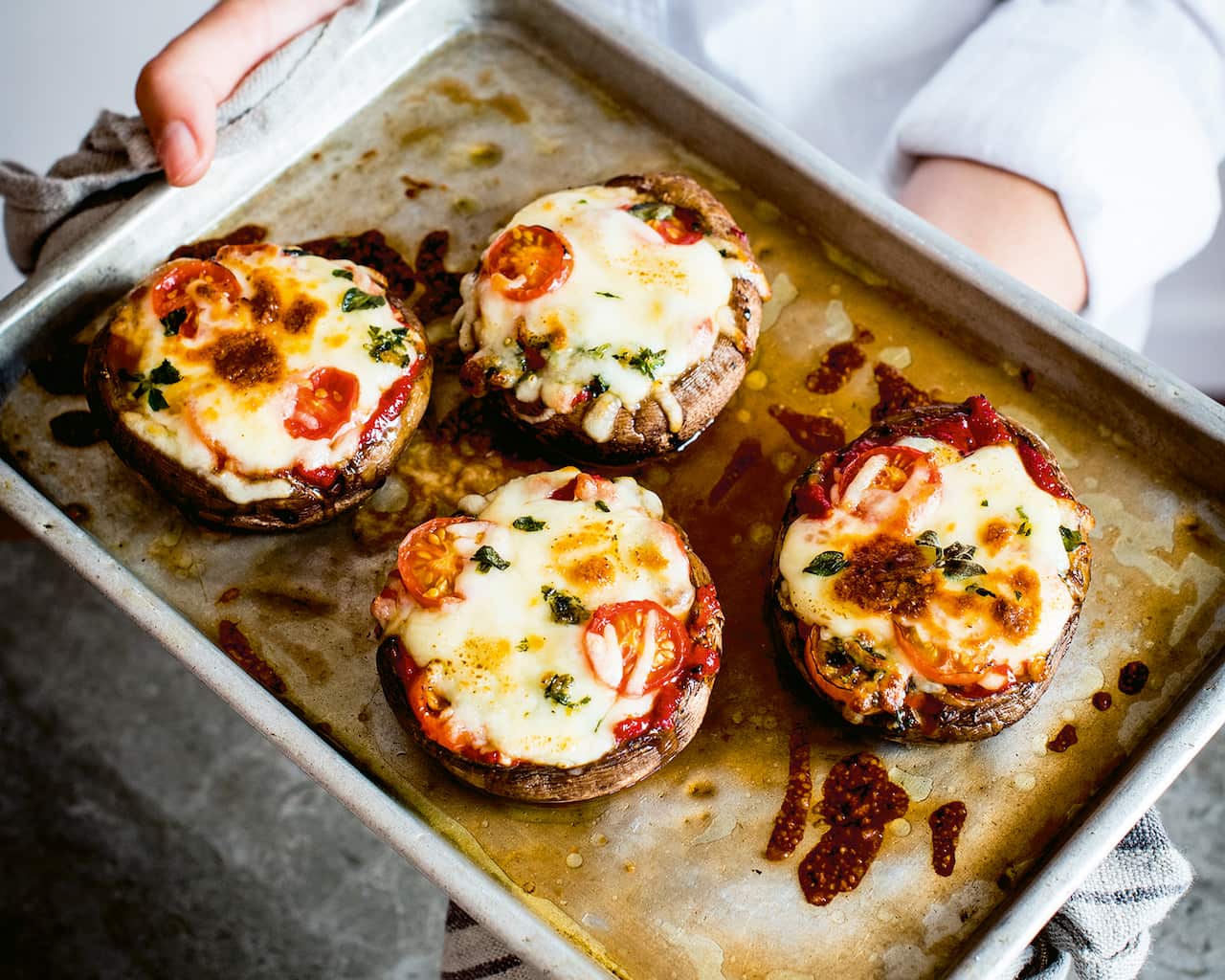
Is it pizza if there's no dough? Hmmm... let's assume it is because this mushroom-based version brings all the pizza flavour without the pizza carbs.
Frico good
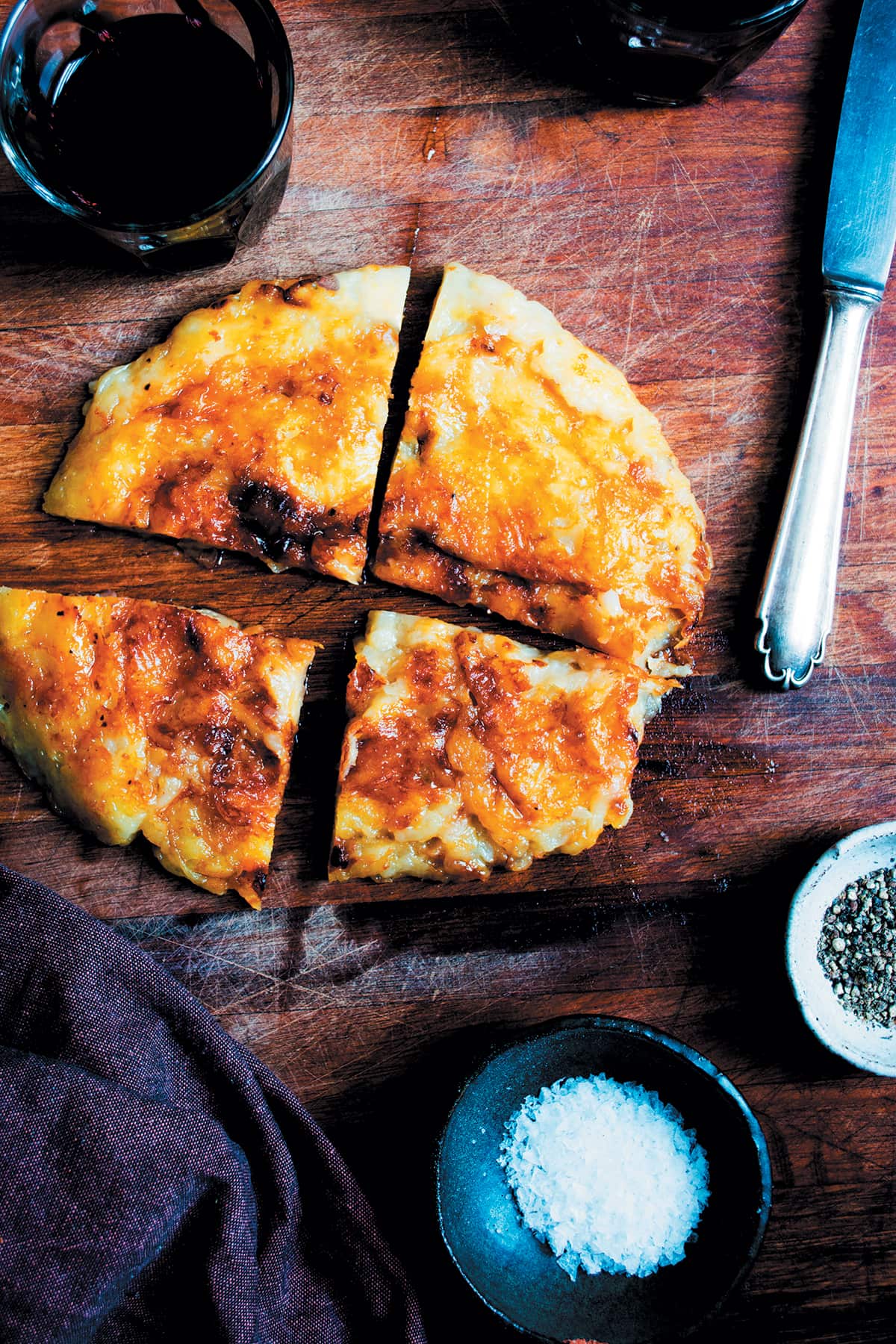
But back to the Italians and this time we're visiting frico. It's made with potatoes, onion and cheese, cooked and flattened into fried pancake-meets-pizza form. It's usually eaten with a glass of red, which seems like a very sensible way to enjoy pizza.
Göod-leme
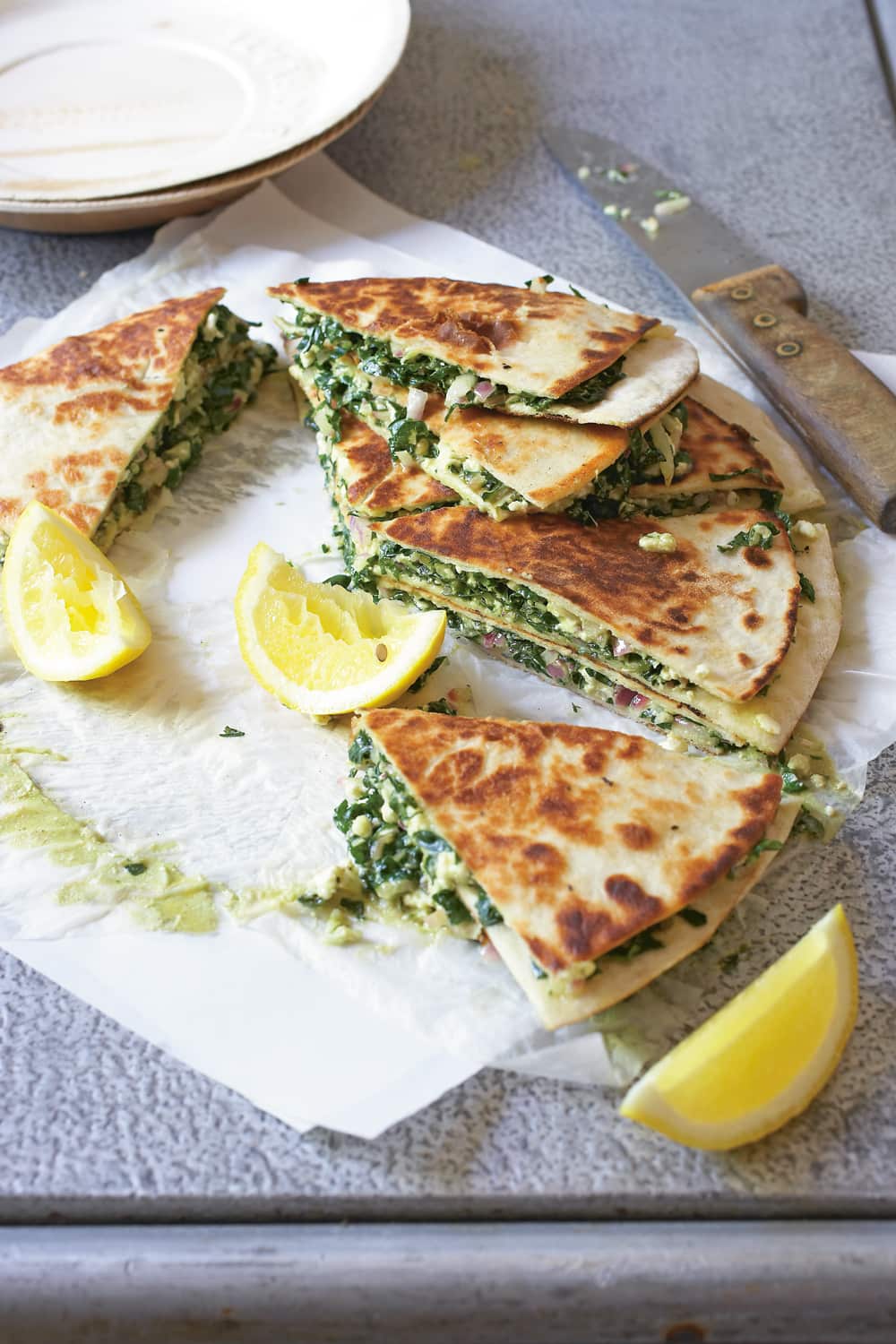
Perhaps the last word here should be the Italians, but we feel the Turkish have also earned a say. Gözleme has made breakfast, lunch, dinner and in-betweener so much better for so many. The Turkish version of pizza is right up there as the definitive version. Just don't tell the Italians we said that... shhh.

SBS Food is a 24/7 foodie channel for all Australians, with a focus on simple, authentic and everyday food inspiration from cultures everywhere. NSW stream only. Read more about SBS Food

Have a story or comment? Contact Us