The food scenes of Mexico's host cities of the FIFA World Cup 2026 differ in ways that go far beyond their tacos. A few things do hold everywhere: cups of watermelon, mango and jicama doused in lime and chilli; tamales steaming from pots in the back of trucks; colourful aguas frescas (fruit and herb-flavoured waters) to accompany a meal, if not a cerveza. But the dishes that truly belong to each city stay distinctly local, and so does the loyalty they command.
Mexico City
Built on the ruins of Tenochtitlán, Mexico City's food maps directly onto its history – pre-Hispanic preparations like tlacoyos and tamales sit alongside tacos al pastor, which arrived with Lebanese immigrants in the early 20th century. As the national capital, it absorbed waves of migration and trade that made it the most culinarily layered city in the country. What ties it together is the street – CDMX's food culture was built around markets and vendors, and still runs that way.
Tlacoyos
Tlacoyos go back seven centuries – people were griddling these in the Valley of Mexico when the city was still Tenochtitlán, and on the streets that replaced it they're still at it. With a tlacoyo you build: choose your filling like beans, cheese, mushrooms or zucchini flowers; over the top, salsa, crema (Mexican sour cream), nopales (cactus), shredded lettuce, crumbled queso fresco.
At Maiz in Newtown, the standout is the tlacoyo divorciado: black beans inside the masa, eggs and two salsas (red and green – the 'divorce' that names it) over the top, crema and chilli oil.
Sopa de tortilla (Sopa Azteca)
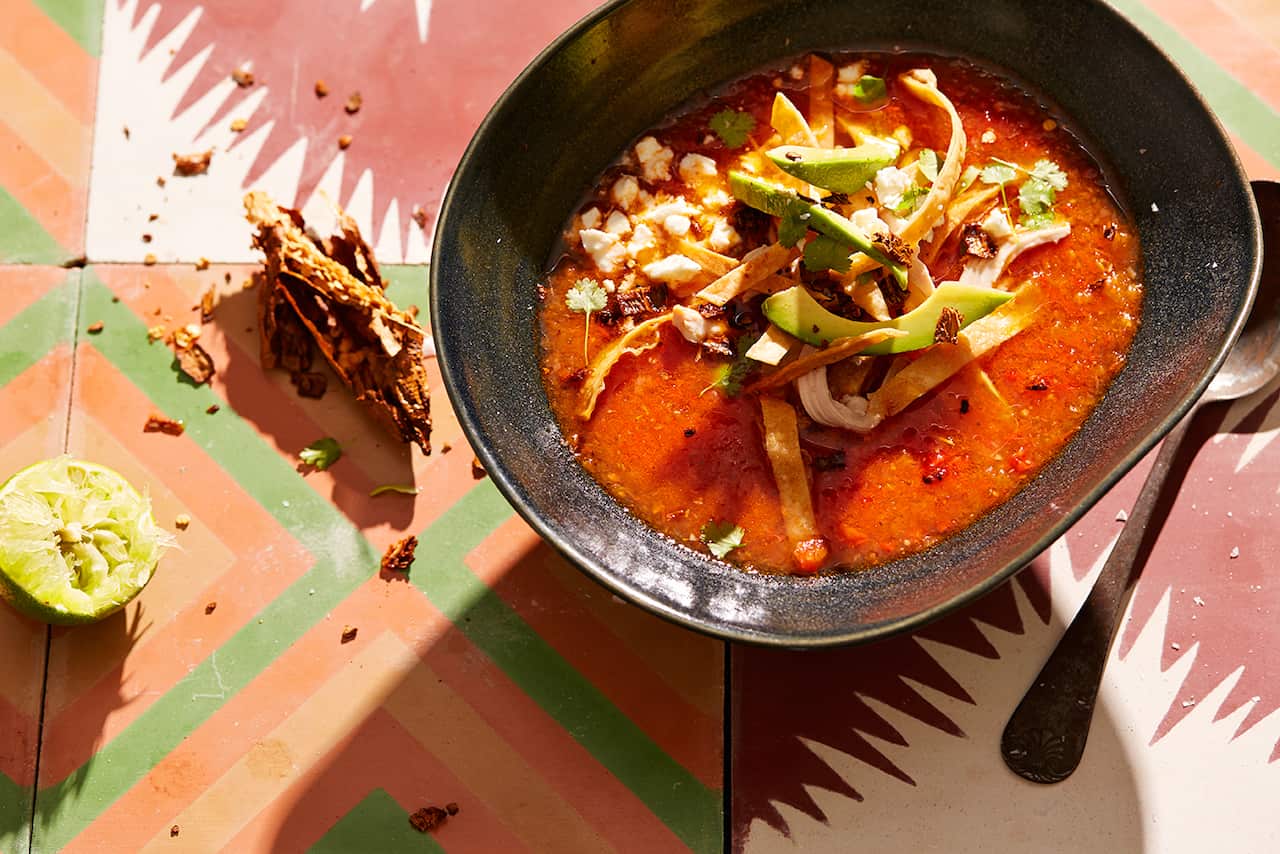
A gentle tomato broth with a smoky chipotle edge, crisp tortilla strips and toppings you add yourself: avocado, crema, diced onion, wedges of lime. Every household has a version, every fonda serves one, and it's the dish most likely to appear when someone says 'I need something warm and comforting'.
Tacos al pastor
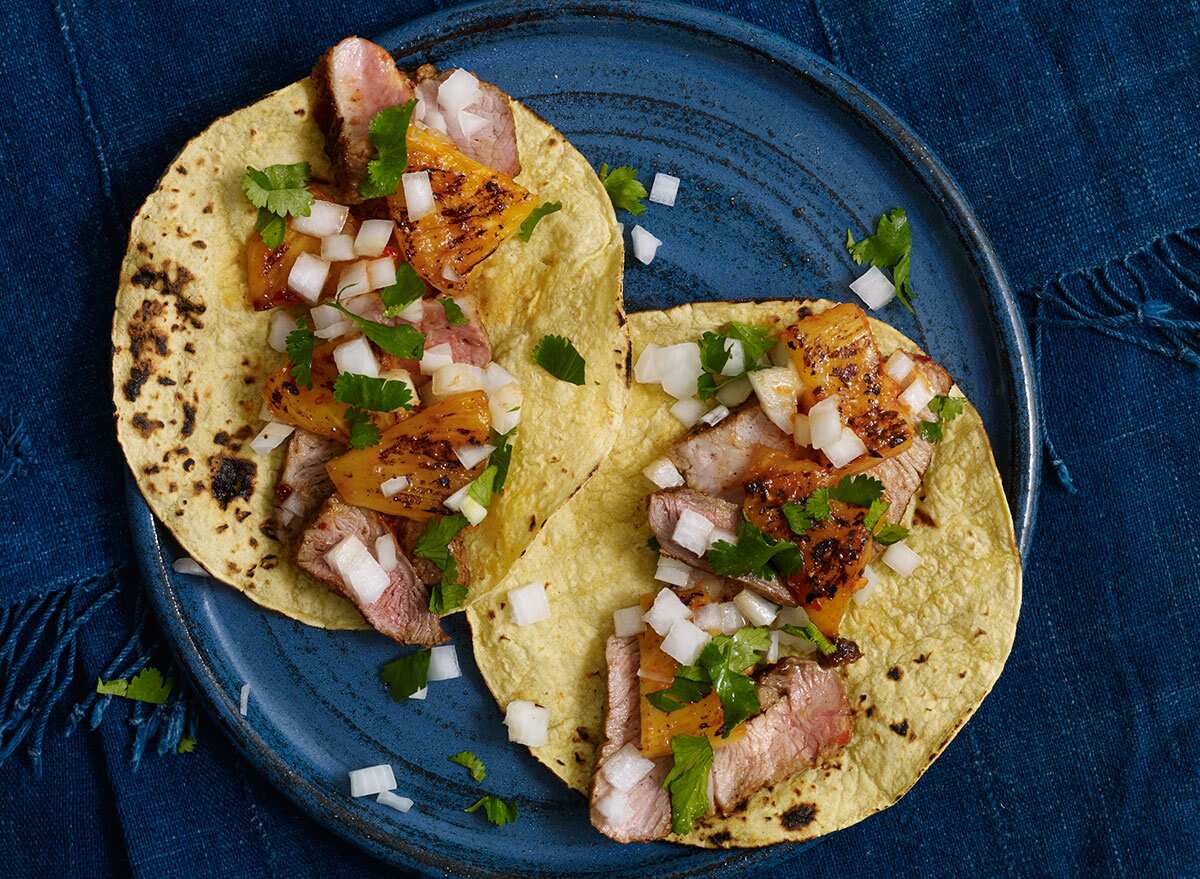
One of the country's most iconic dishes hails from the capital. Al pastor means 'shepherd style' – you can spot a shop the way you'd spot a kebab shop in Australia: look for the vertical rotisserie. This method for cooking marinated pork, shaved from a vertical spit, is a technique borrowed from Lebanese immigrants who brought the shawarma tradition to Mexico in the early 20th century. Served on small corn tortillas with pineapple, onion and coriander, it hits every flavour note, which is the key to its cult following.
Tacos de canasta
This less familiar version of tacos outside of Mexico is a favourite for breakfast and brunch – or any meal before 2pm. Corn tortillas with various fillings are steamed inside a canasta, a cane basket, resulting in a fluffy, melt-in-your-mouth casing that contrasts with the filling – often potato and chorizo, deshebrada or beans. Find them on street corners: choose your flavours, pile on the condiments – freshly made tomatillo or tomato salsa, shaved white cabbage, pickled vegetables and chillies – and eat standing at the stall, perched on a plastic stool, or para llevar – to go.
Quesadillas (with or without cheese)
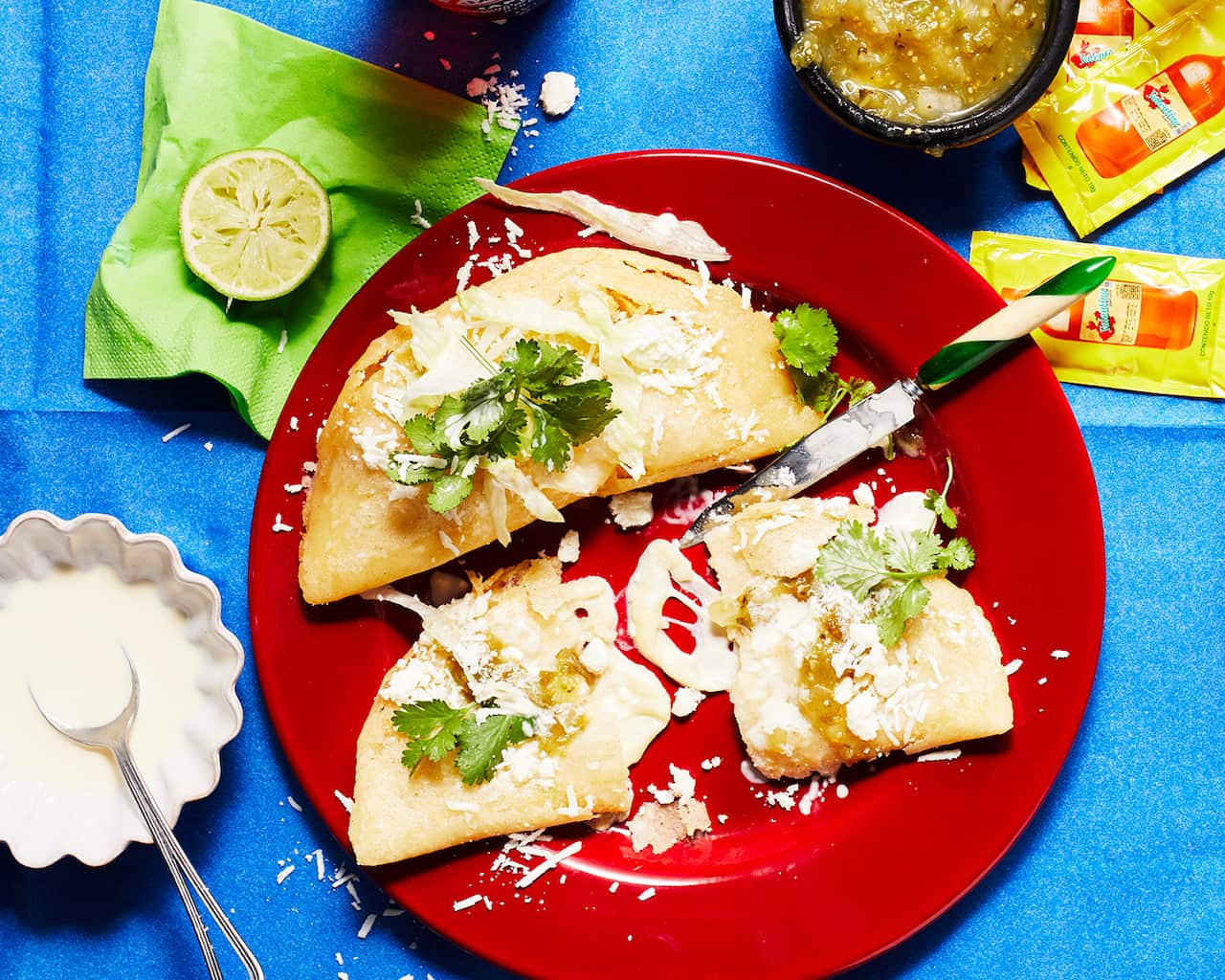
Few food debates in Mexico run hotter: must a quesadilla contain cheese? Queso (cheese) is right there in the name, so most of the country considers it settled. Mexico City disagrees, which is why you'll need to specify whether you want yours con queso. Order a potato quesadilla without it and much of the rest of Mexico will insist you've just described a taco de papa.
In Rosa Cienfuegos's recipe the richness comes from a shallow fry until crisp and a generous hand with the toppings.
Guadalajara
Jalisco is home to many icons – tequila (sipped, not sunk in shots), mariachi, and charrería, the national sport born in this state. Its capital, Guadalajara, hosts four World Cup matches and sits in a fertile valley where agave, corn, and livestock have shaped the culture for centuries. The UNESCO-listed agave landscape surrounding the town of Tequila is just one expression of a state that takes its land and traditions seriously – Jalisco often considers itself the most Mexican of all the states, and the food reflects this. What you eat here is tied to what grows here, and the kitchen hasn't strayed far from its roots.
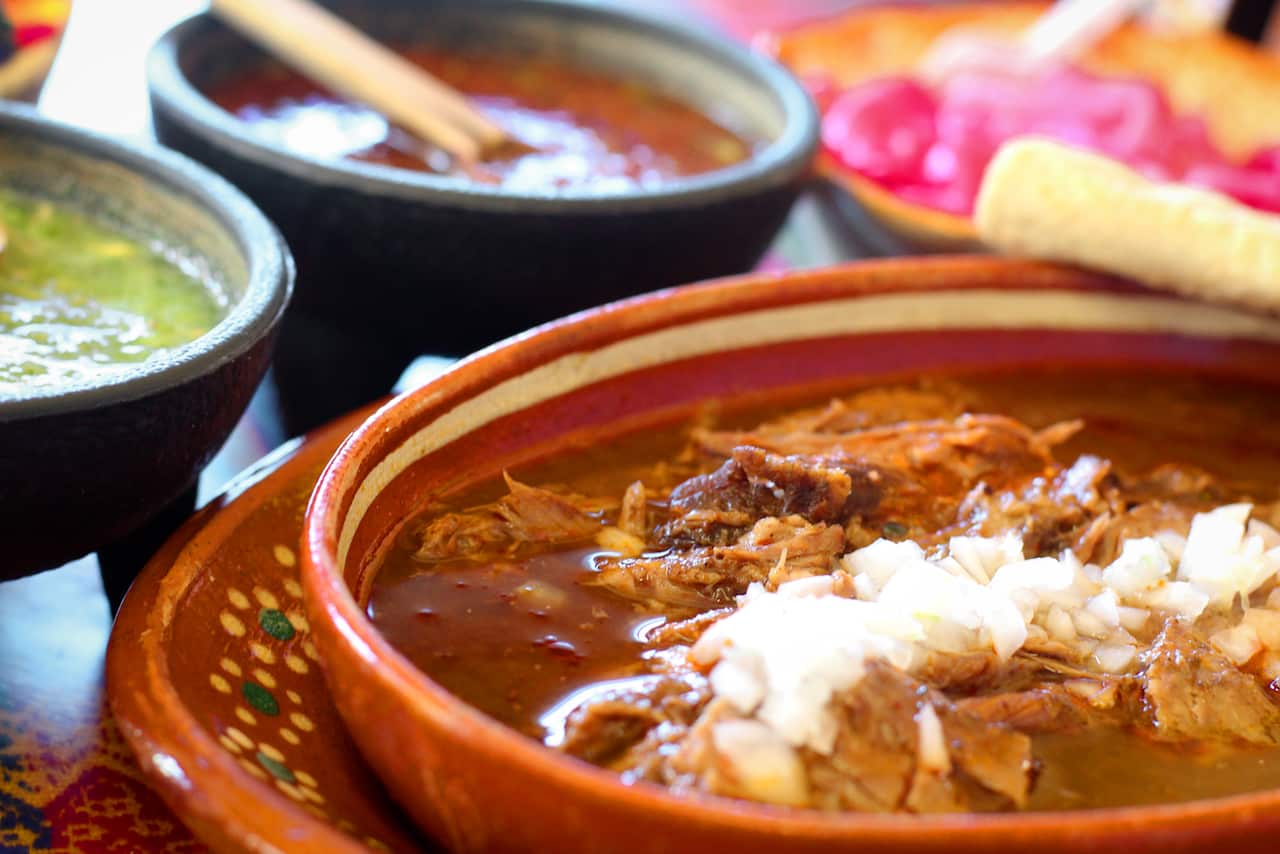
Birria
Traditionally made with goat, slow-braised in a rich, deeply spiced chilli broth, the meat is pulled and served in tacos, consomé, or both. The birria taco trend (dipped in the consomé and griddled until crispy) has gone global, but in Jalisco, the original is still a weekend morning ritual.
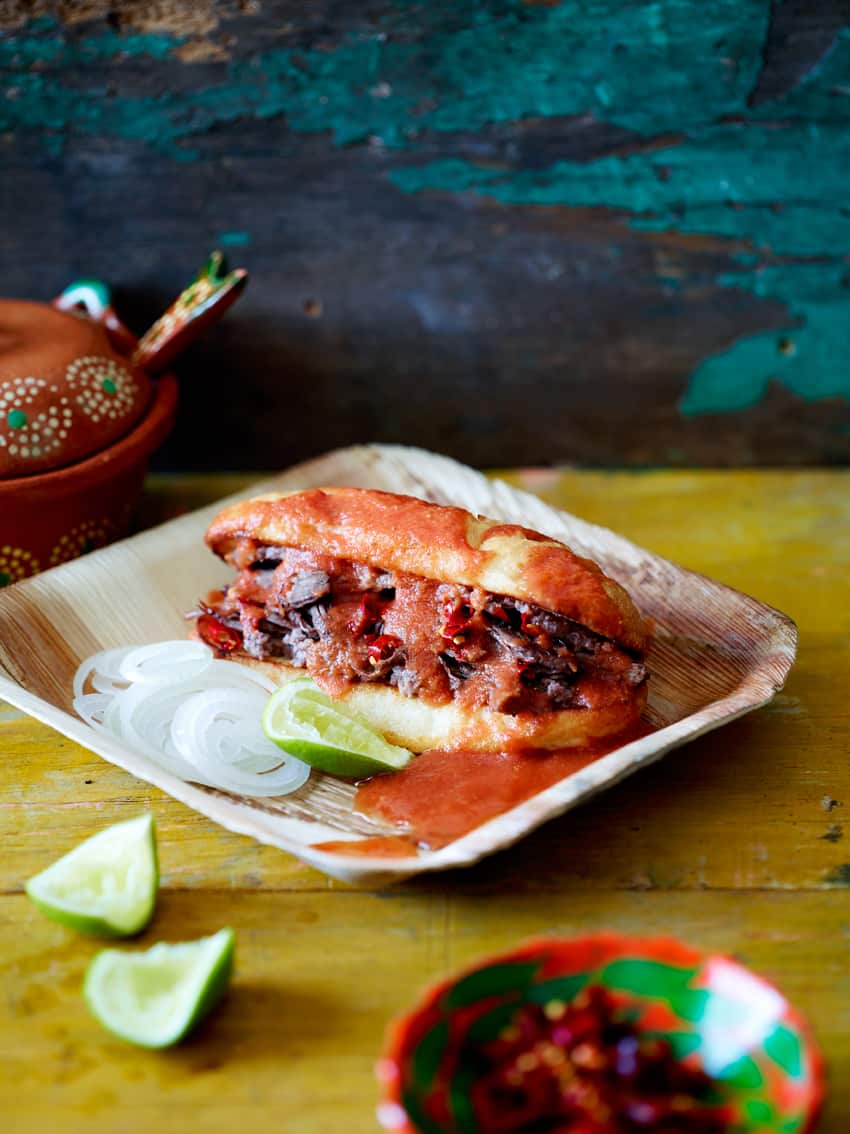
Tortas ahogadas (“Drowned” spicy shredded beef or pork rolls)
This may be the one exception where soggy bread is a feature, not a bug. Literally 'drowned rolls' – a crusty birote (a Guadalajara-specific bread, a Parisian baguette meets sourdough) stuffed with shredded beef or pork, then completely submerged in two sauces: a mild tomato and a fiery chile de árbol.
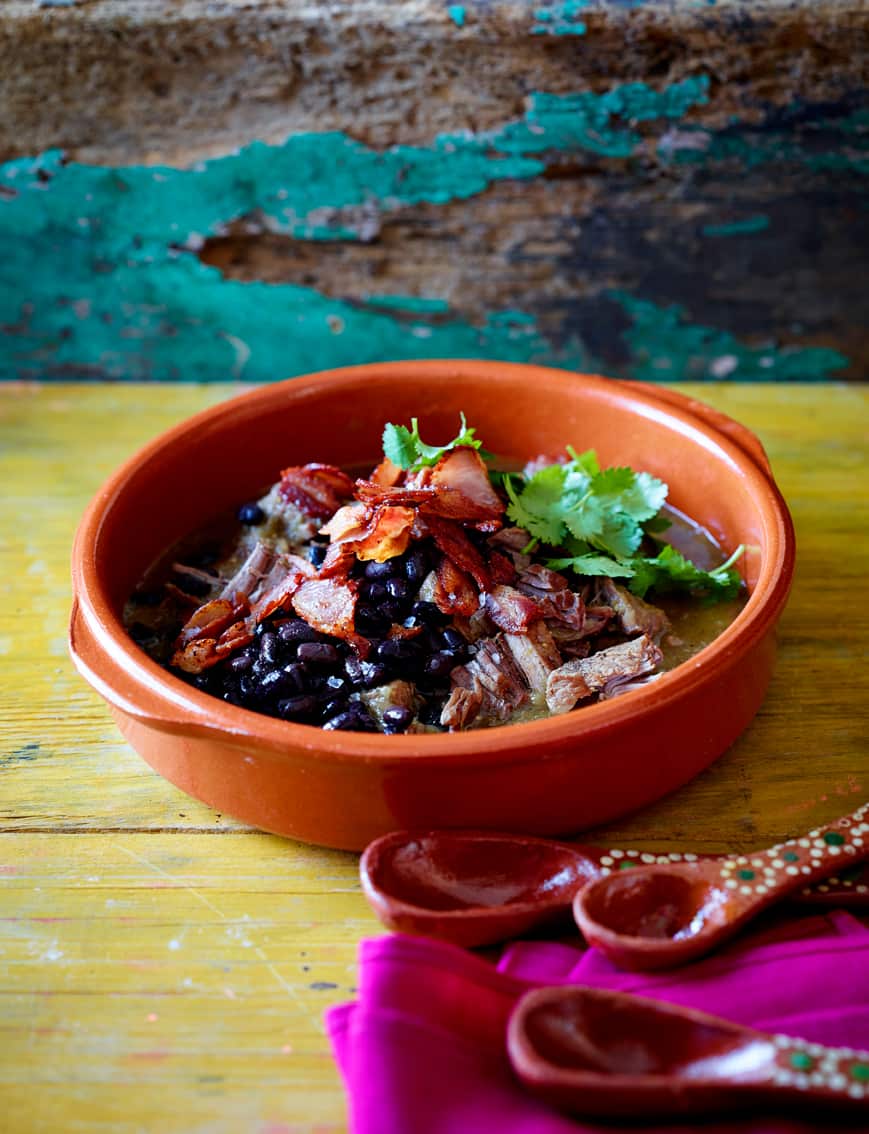
Carne en su jugo (“Meat in its juices”)
When something soothing calls – maybe it's minestrone in Italy, tonjiru in Japan – it's carne en su jugo in Mexico. Finely sliced beef simmered with beans and a tomatillo broth into a restorative, savoury bowl that's somewhere between a stew and a consomé. It comes with all the fixings – avocado, onion, coriander, tortillas – so you can tailor it to your needs in that moment. It's the kind of dish you have once and crave forever.
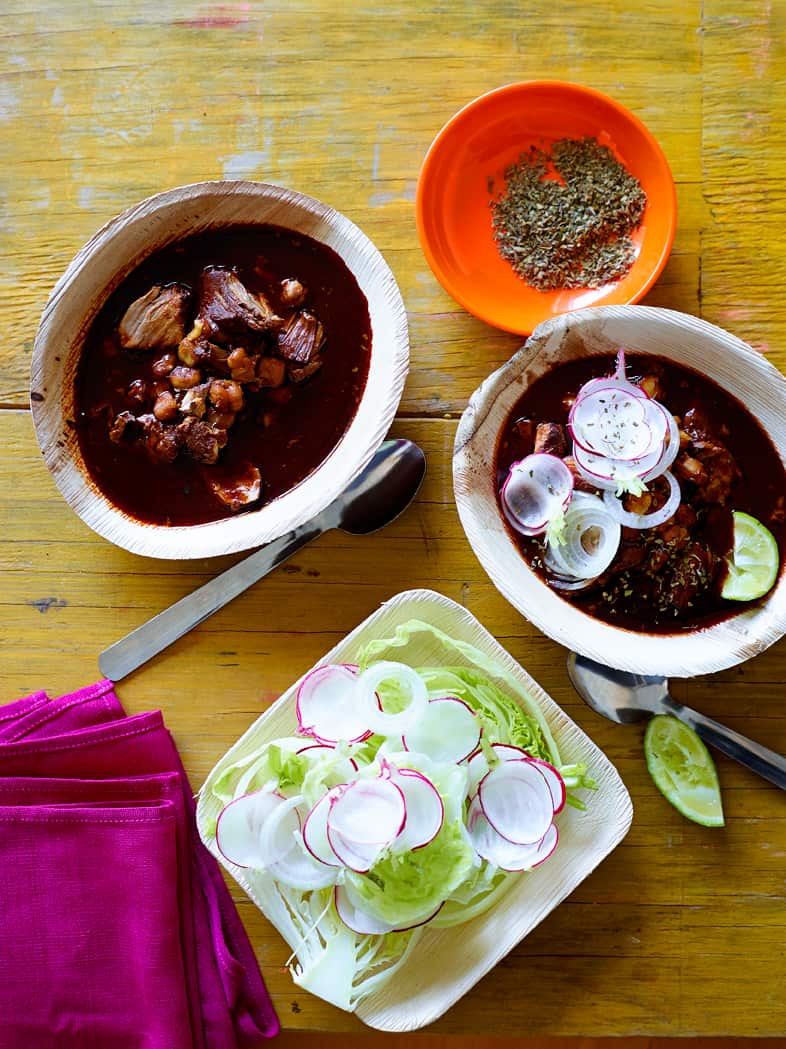
White hominy soup with braised pork (Pozole rojo de Jalisco)
A dish that takes hours tells you through its layers of flavour the hours that went into making it. Generally eaten at a cenaduria or fonda – small home-style restaurants where it feels like you're eating in your neighbour's living room – or made at home on weekends, pozole is one of the dishes locals miss most living abroad. Giant white hominy kernels simmered in a deep red chilli broth with braised pork until everything is tender and the broth has turned brick red. It arrives at the table as a base – you build from there with shredded cabbage, sliced radish, dried oregano, tostadas, and as much lime as you can squeeze.
Lamb barbacoa with consomé, salsa verde and tortillas
Long before barbecue meant a backyard grill, barbacoa meant wrapping meat in maguey leaves – the thick, fleshy leaves of the agave plant – and slow-cooking it underground in a pit, sometimes overnight. The lamb emerges fall-apart tender, rich with smoke and earth, and is served with the consomé (the concentrated cooking juices), salsa verde, and warm tortillas. It's a weekend morning tradition – arrive early to the market stall or it'll be gone by noon.
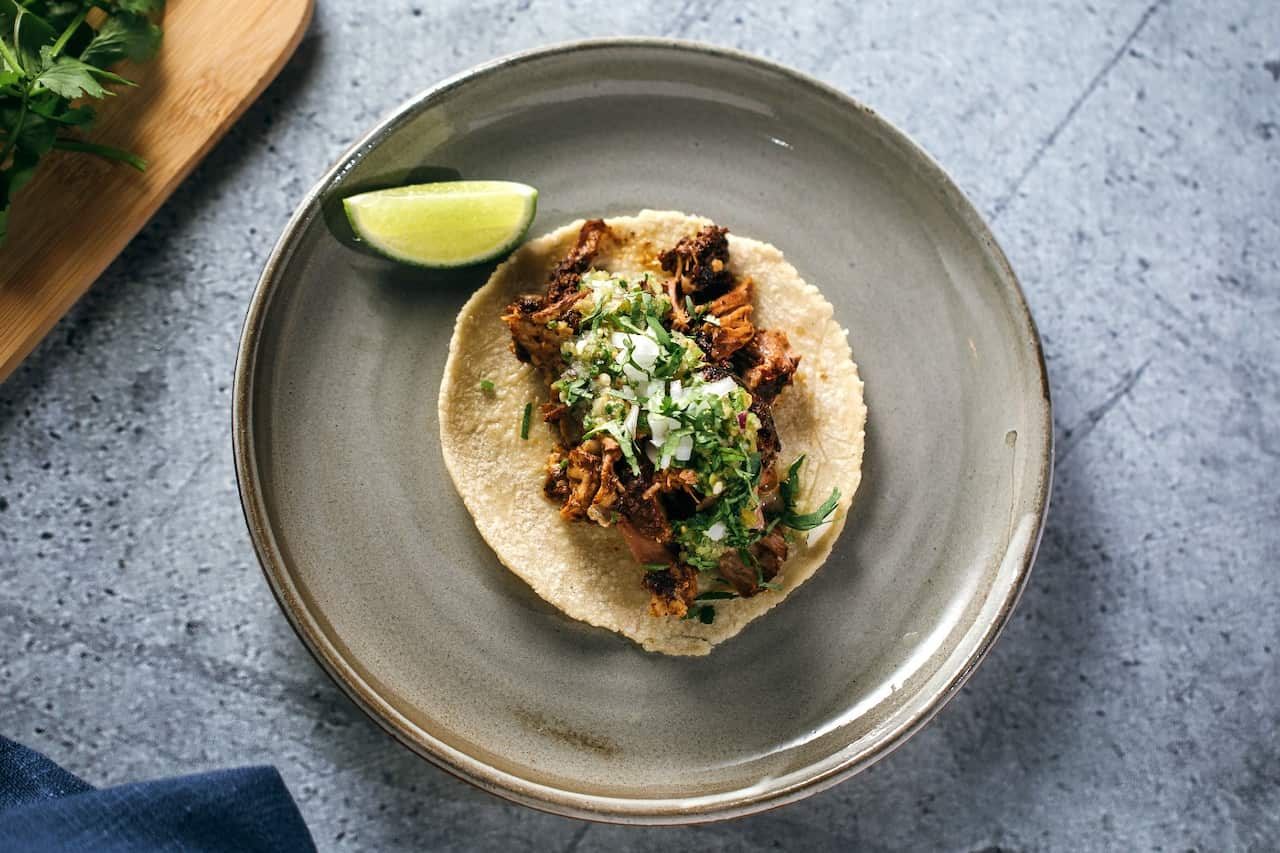
Jericalla
Part of the baked custard family – think fancy flans and crème brûlée's more rustic, less fussy cousin. Egg, milk, vanilla, sugar, and cinnamon, baked until the top blisters and blackens slightly. At a taqueria in Guadalajara, you'll find them in the fridge near the cervezas and agua mineral, served in small clay ramekins or plastic containers. Deceptively simple, surprisingly comforting and the perfect neutral finish to a complex-flavoured meal.
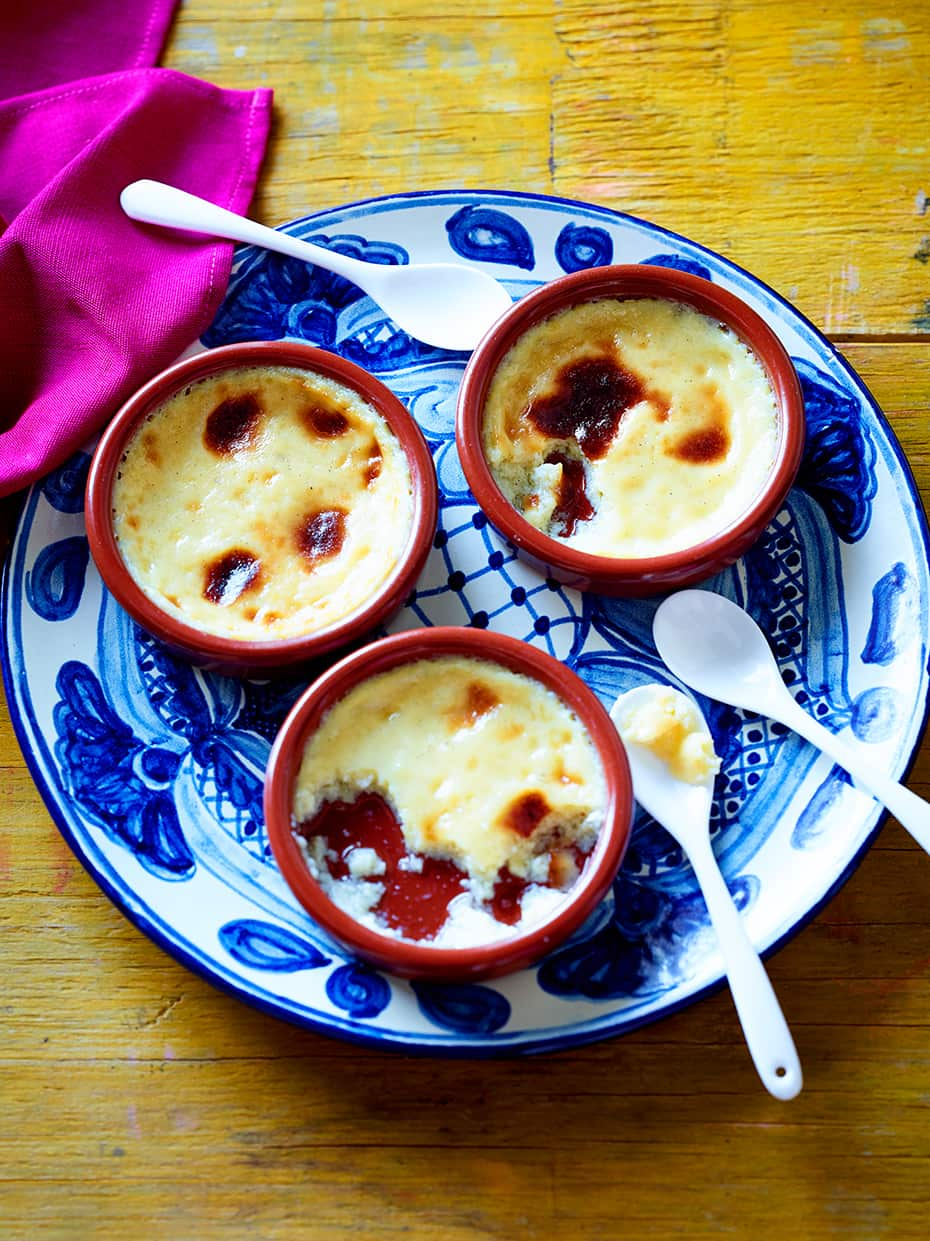
Cantarito
Guadalajara's signature drink – and one you're unlikely to find anywhere else done properly. Tequila, fresh grapefruit, lime, and orange juice, topped with grapefruit soda, served in a small clay pot (the cantarito it's named after). The clay keeps it cold and adds a faint mineral earthiness. You'll find them at ferias, markets and roadside stalls across Jalisco – order one and you'll understand why Guadalajara doesn't bother with margaritas.
Monterrey
Mexico's industrial capital grew on cattle ranching, and the food reflects it – shaped by arid geography, distance from central Mexico, and generations of families gathering around the grill. Where the rest of Mexico reaches for corn tortillas, Monterrey reaches for flour – enormous, pillowy, made with lard. Monterrey's food culture is direct, protein-heavy, and built around the weekend carne asada – a social institution as much as a meal.
Carne asada (Grilled meat tacos)
In Monterrey, carne asada isn't just a dish – it's a social institution. Weekends revolve around the grill, with families and friends gathering around charcoal-fired cuts of beef, served in flour tortillas with guacamole, grilled onions, and salsa. The northern cattle-ranching culture runs deep here, and the quality of the beef reflects it. If Guadalajara is broth country, Monterrey is fire and smoke.
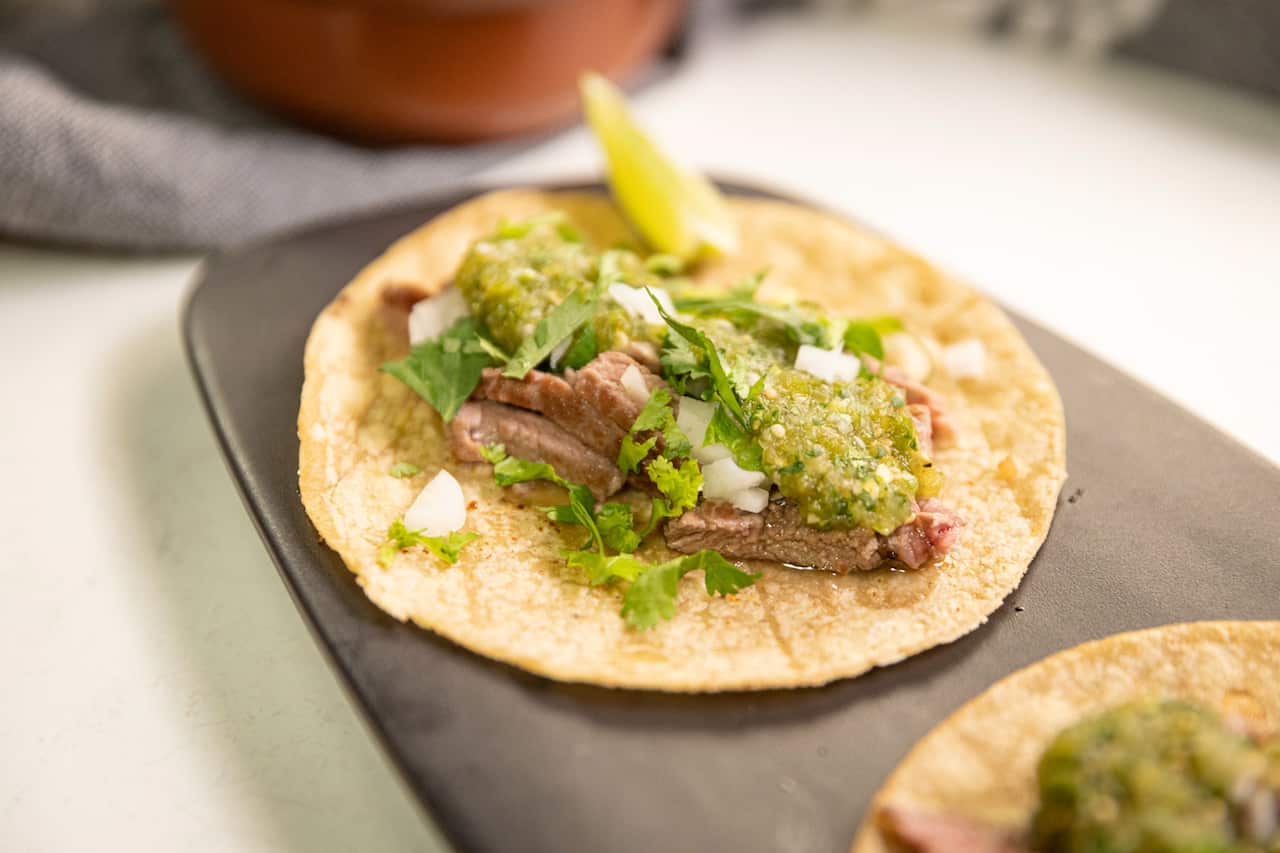
Poison beans (Frijoles con veneno)
The name is the warning – and the selling point. Northern-style pinto beans simmered low and slow with beer, bacon, chilli, and whatever else the cook decides to throw in. The "poison" (veneno) is the beer, or the heat, or both – depending on who you ask. They're the essential side dish at any Monterrey carne asada, spooned onto flour tortillas or eaten straight from the pot. Simple, dangerous, and impossible to stop eating.
Flour tortillas
While corn tortillas dominate most of Mexico, the north belongs to flour. Monterrey's flour tortillas are soft, pillowy, and enormous – sometimes the size of a dinner plate – made with lard for that distinctive richness. The wheat-growing tradition of the northern states shaped this preference, and once you've had a fresh flour tortilla straight from a comal in Monterrey, the corn vs flour debate becomes a lot more nuanced.
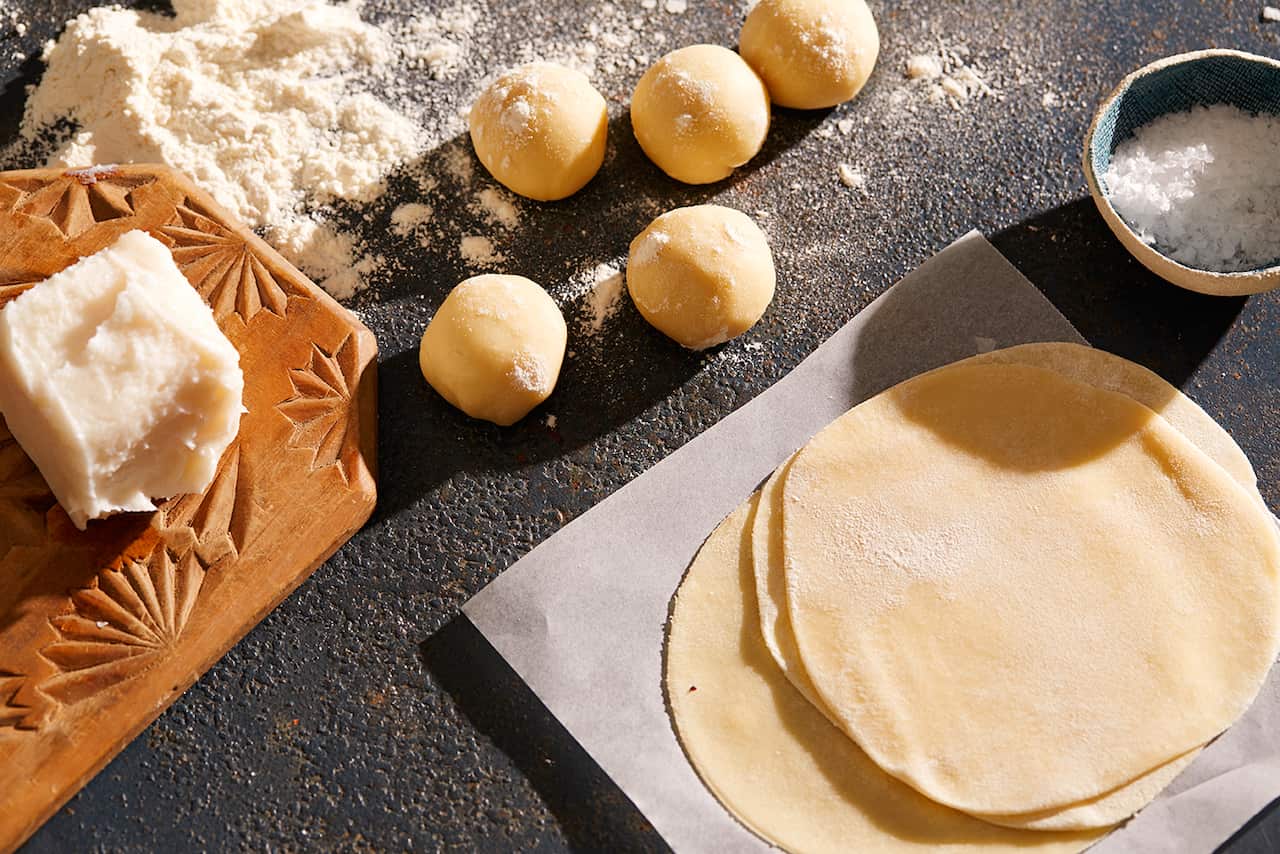
Glorias (Glory bites)
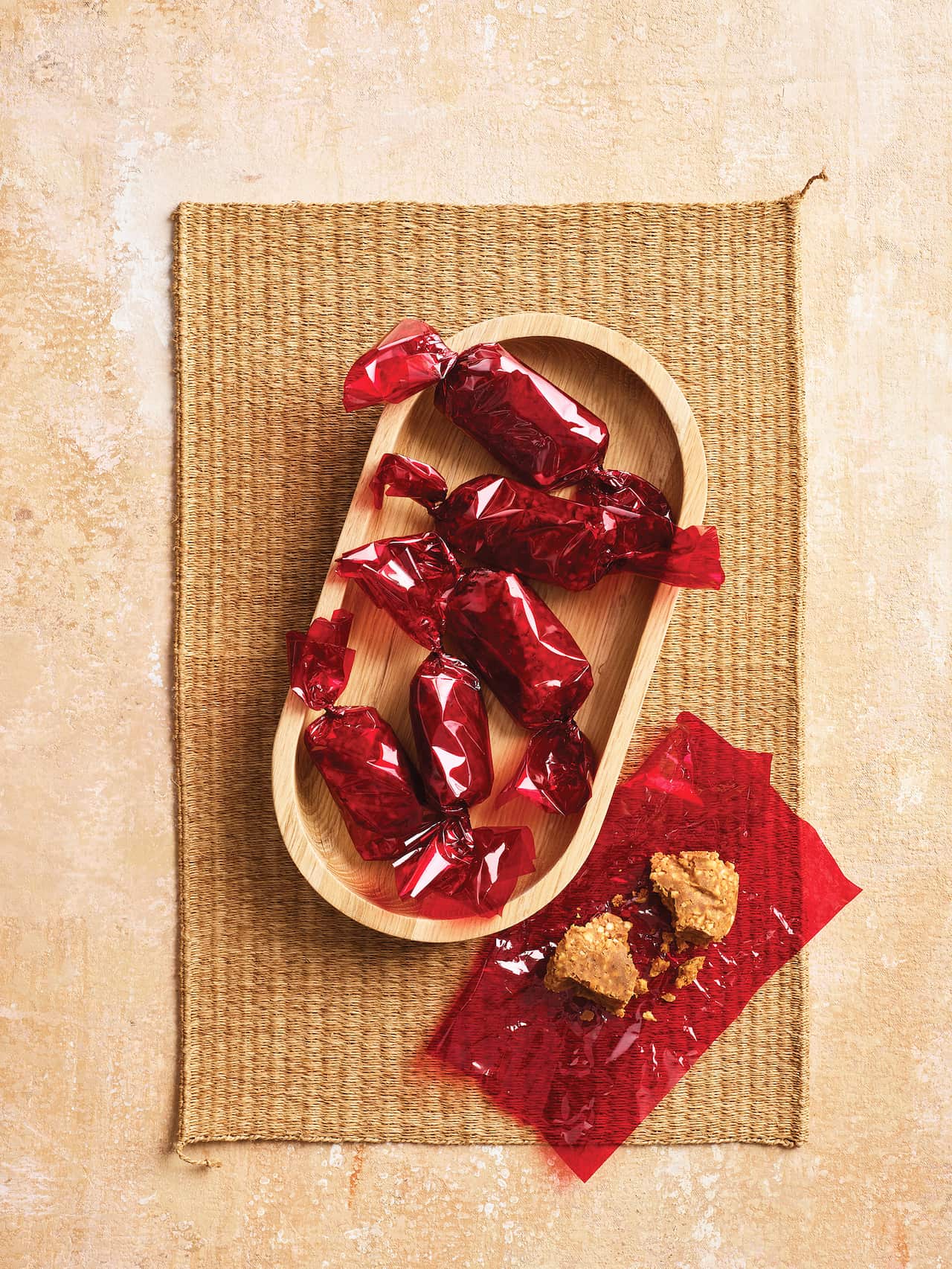
Monterrey's most famous sweet – small, chewy cylinders of caramelised goat's milk (cajeta) rolled with pecans, wrapped in cellophane like old-fashioned lollies. You'll find them at every bus station, airport, and corner shop in Nuevo León. Sweet, sticky, and deeply nostalgic – the kind of thing norteños bring home by the box.
Strawberry meringue cake (mostachón de fresa)
Monterrey's favourite celebration cake – and lighter than anything else on this list. A crisp, chewy meringue base piled with whipped cream and fresh strawberries, found in pastelerías across Nuevo León. It's the cake that appears at birthdays, quinceañeras, and Sunday family lunches – sweet without being heavy, and best eaten the day it's made before the meringue softens. If glorias are Monterrey's nostalgia sweet, mostachón is its party dress.


SBS Food is a 24/7 foodie channel for all Australians, with a focus on simple, authentic and everyday food inspiration from cultures everywhere. NSW stream only. Read more about SBS Food

Have a story or comment? Contact Us