Melbourne’s dining scene has long been defined by migration, but a new generation of restaurants is moving beyond nostalgia into something more intimate and deeply personal. These are not places built on trend or technique alone, but on memory — kitchens shaped by grandmothers, village rituals, supper clubs and homes left behind. From cult fine-dining tables with thousand-person waitlists to modest neighbourhood rooms where food is still eaten by hand, these migrant-inspired restaurants invite diners into lived stories of arrival, resilience and belonging. Each one offers more than a meal: they offer a seat at the family table, where culture is shared generously and identity is preserved through flavour, ritual and hospitality.
Enter Via Laundry
Indian-origin supper club gone cult fine-dining
At Enter Via Laundry, Indian dining unfolds the way it once did in Chef Helly Raichura’s home kitchen: intimate, personal and deeply rooted in memory. Born in Ahmedabad and now based in Melbourne, Helly began Enter Via Laundry as an at-home supper club, inviting strangers into her dining room to experience regional Indian cooking shaped by family, place and intuition. Today, it has evolved into a 20-seat Carlton North restaurant with a waitlist in the thousands, yet the mood remains unmistakably domestic.
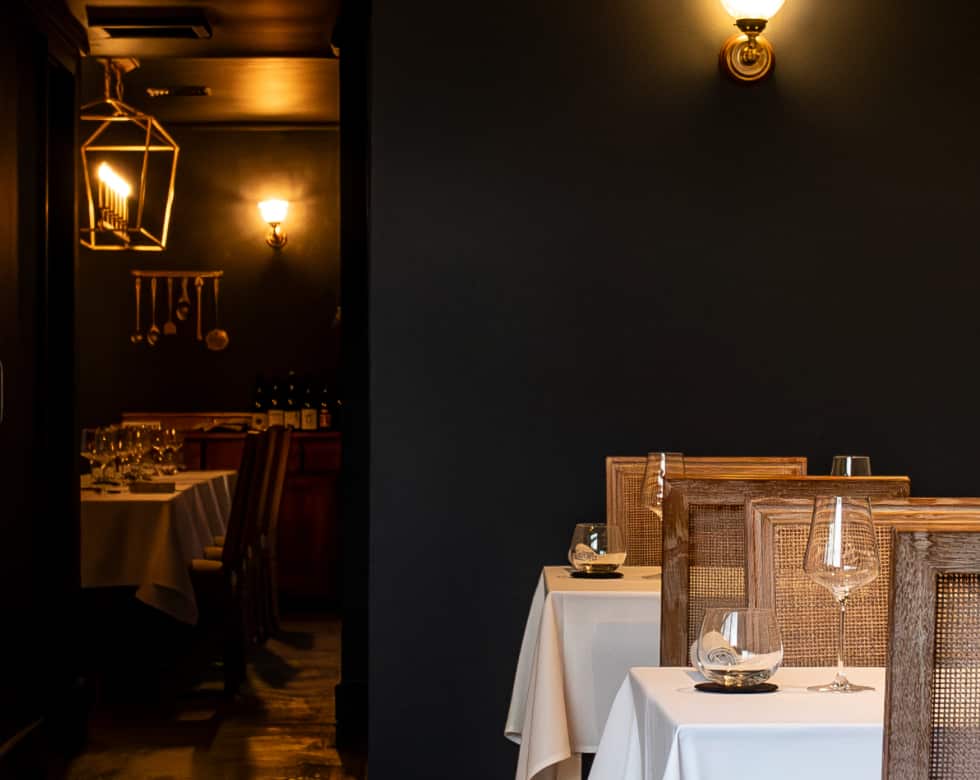
The tasting menu reads like a diaspora diary. Gujarati favourites such as patra poda, khandavi and shikampuri kebabsit alongside Helly’s Australian life, with dishes like marron with kodi and okra, duck roast with pathiri, and desserts including chenna poda and bebinca. Native ingredients like lemon gum, Davidson plum and warrigal greens are folded in quietly, never shouting. It’s fine dining without formality, where courses arrive as conversations, and migrant home cooking, honoured rather than diluted, becomes one of Melbourne’s most sought-after tables.
ZAREH
Armenian-Lebanese fire cooking as family memoir
Named after Tom Sarafian’s grandfather, ZAREH is a deeply personal continuation of a migrant story that began generations ago. Zareh, an Armenian from Egypt, arrived in Melbourne in the 1970s and built a life through food, teaching himself classical techniques and passing down a love of hospitality that still anchors the restaurant today. “Food became his way of connecting and building a life in a new country,” Tom says.
That lineage runs through a menu where Armenian and Lebanese traditions intertwine, from cheese ma’amoul inspired by Beirut’s Armenian quarter to bastourma recalling meals eaten in Bourj Hammoud, and fire-grilled khorovats, where lamb is marinated with Lebanese baharat and served with Armenian jajik. “ZAREH reflects that - it’s rooted in heritage but informed by everything I’ve learned, lived and loved along the way.”
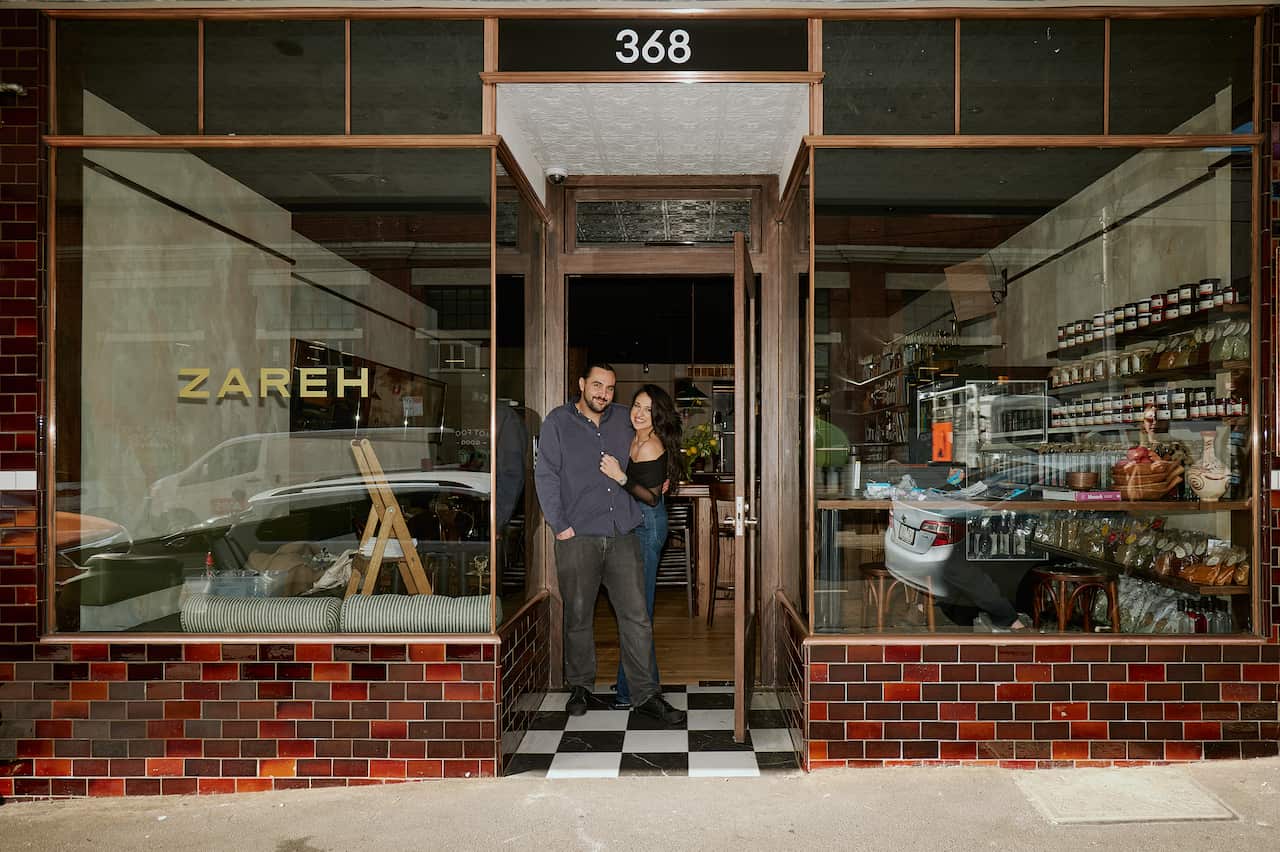
With just 40 seats and an open kitchen built around charcoal and wood fire, ZAREH feels less like a restaurant and more like being welcomed into someone’s home. Victorian produce is paired with Lebanese mouneh, za’atar, sumac, pomegranate molasses, grounding the food in both place and provenance. Dishes like Tom’s grandmother’s ful medames carry emotion and history, creating a space where diasporic communities recognise themselves, newcomers discover unfamiliar flavours, and stories overlap around the fire.
We’ve put who we are into ZAREH… you can feel it in the energy and soul of the room.Tom Sarafian
Otakoi
Ukrainian Cooking as Memory, Wrapped by Hand
At Otakoï, food is memory made tangible. Co-founder Hanna Kachura’s favourite childhood dish, holubtsi (cabbage rolls), sits at the heart of the menu and her story. “I remember watching my mother and grandmother wrap each one so gently, as if they were tucking a child into bed,” she says. “The house would fill with the smell of cabbage, tomato and garlic, and you just knew a celebration was coming.” What once felt simple now carries deeper meaning. “Holubtsi are patience, care, family and home rolled into one,” Hanna explains. “When we serve them at Otakoï, it’s not just a recipe, it’s that exact memory translated into food.”
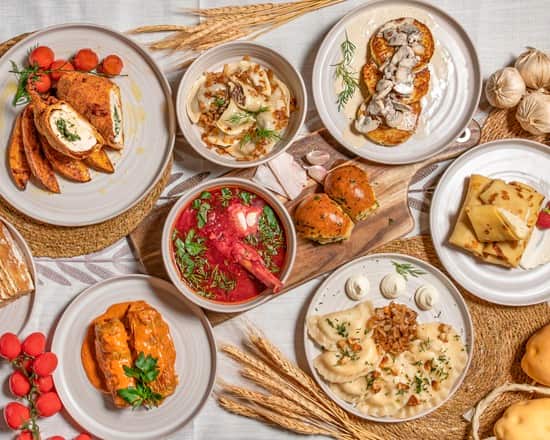
After arriving in Melbourne, Hanna struggled to find a place that captured the warmth and generosity of Ukrainian culture. Cooking for her Australian chef partner became the turning point. “He was amazed by how soulful our food is,” she says. “That’s when I knew Ukrainian cuisine had a story Melbourne needed to hear.”
Teta Mona
A Lebanese grandmother’s kitchen reborn
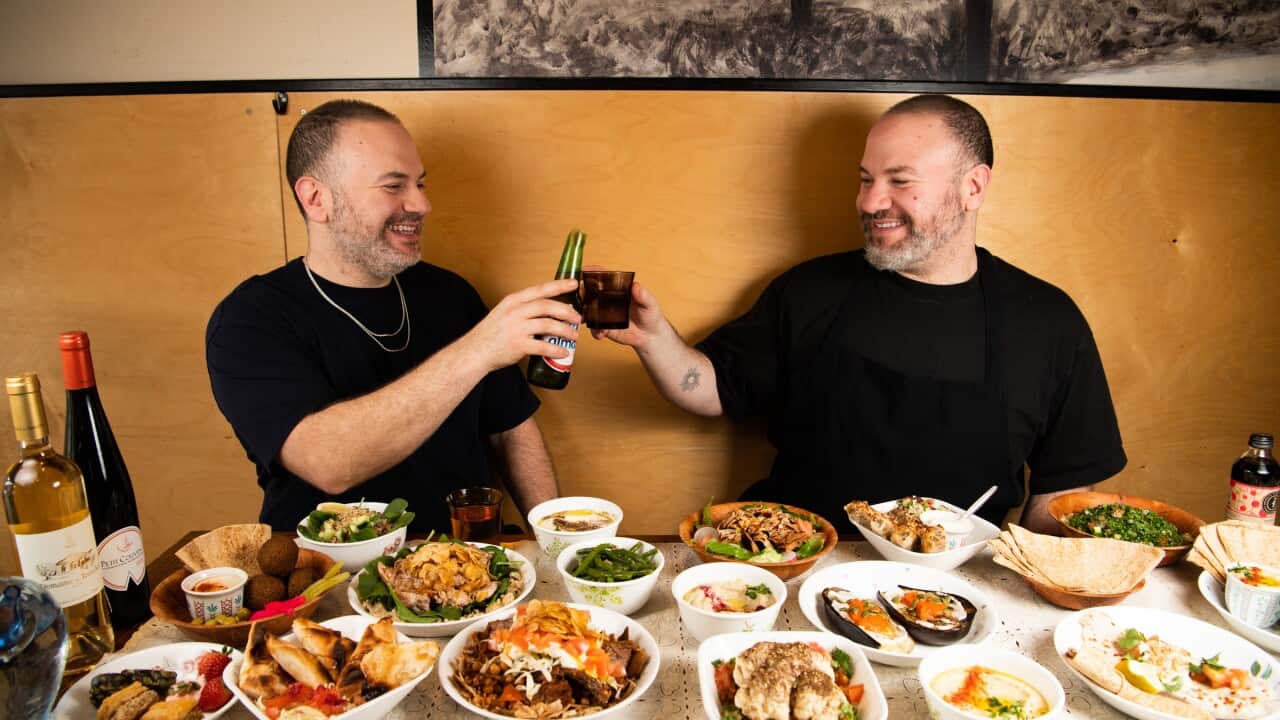
Named for their grandmother, Tèta Mona is both a restaurant and a living archive of Lebanese migration. Mona’s immigration portrait, the logo on the front window, tells the story of her journey from Lebanon to Australia in the 1950s, when she arrived as part of the first wave of Lebanese migrants, working factory and cleaning jobs while raising four children and opening her home to newly arrived families from her village of Bsharri.
“Food became the way she cared for everyone,” say twin-brothers Antoine & Bechara who run the restaurant, and that legacy shapes every dish. The menu draws directly from Mona’s kitchen: kafta meatballs, tabouli, stuffed vegetables and long-cooked beans are the dishes that simmered all day and anchored family life. “Some recipes are sacred,” they explain. “Our Tèta’s kafta and tabouli will never change. To alter them would break something in the story.”
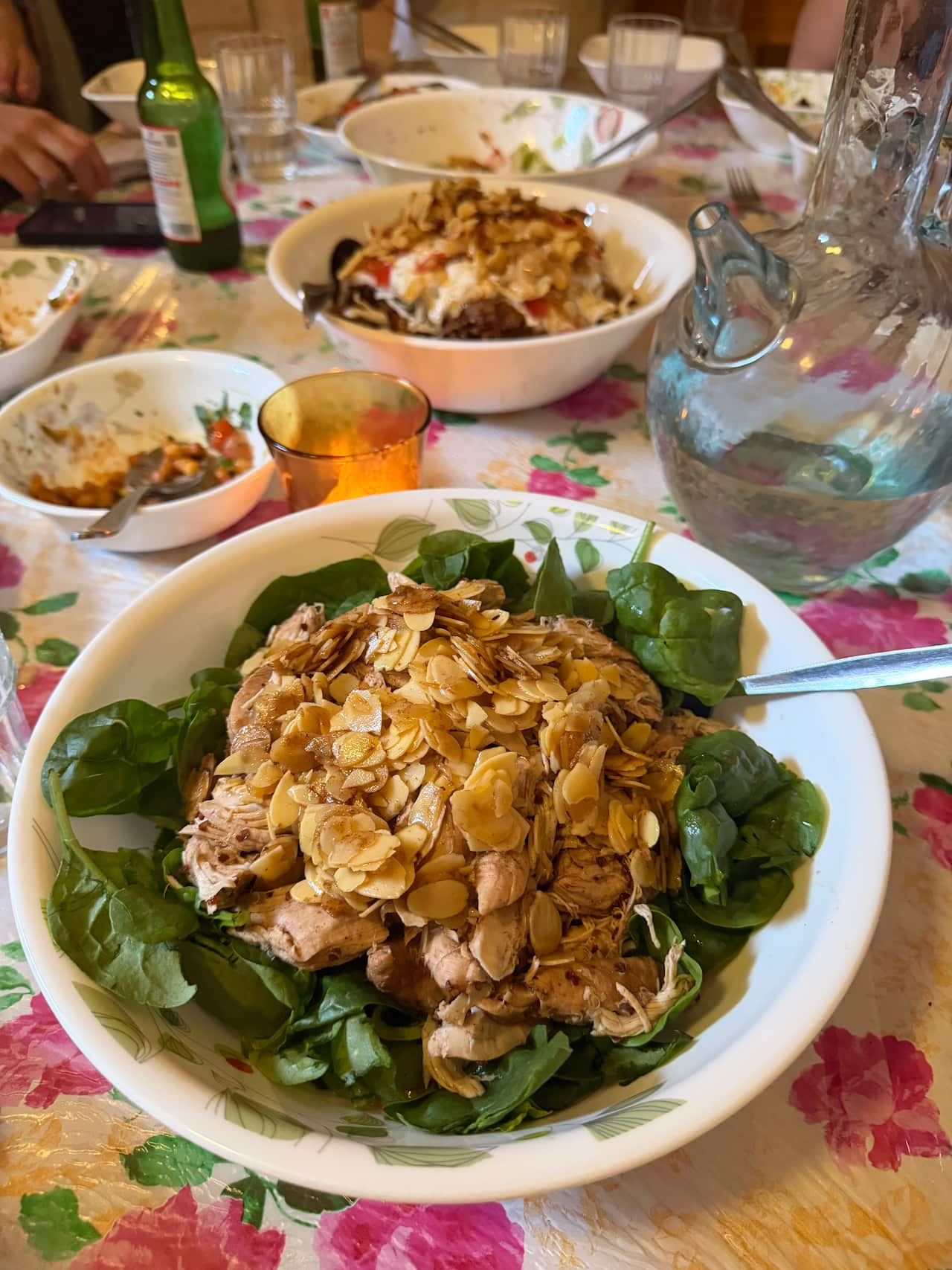
With just 40 seats inside and another 40 in the courtyard, Tèta Mona is deliberately designed to feel like stepping into a Lebanese grandmother’s home, with lace curtains, mismatched tablecloths and family photos. “Generosity isn’t about big portions,” they say. “It’s about care, feeding whoever walks through the door and making them feel they belong.” In a neighbourhood better known for Italian dining, Tèta Mona carves out a deeply personal Lebanese space, grounded in village “soul food” rather than restaurant polish. Diners often tell the family the food reminds them of their own grandmothers, sometimes bringing tears. “That’s when we know why we built this place,” they say.
Mesob
Ethiopian generosity in Northcote
For Dawit Kebede, born in Ethiopia, and Naz Mahari, born in Kuwait to Ethiopian-Eritrean parents, opening Mesob was about building a future without losing the past. “When we came to Australia, it was about creating a new life while preserving who we are,” they say. Food became the bridge and a way to stay connected to home, culture and family.
Named after the traditional woven basket used for communal meals, Mesob is designed for sharing. “The mesob is a circle,” Dawit explains. “There was always room, the circle just got bigger.” Guests eat with their hands, scoop richly spiced stews with injera, and experience traditions like gursha, the act of feeding one another as a sign of love and respect.
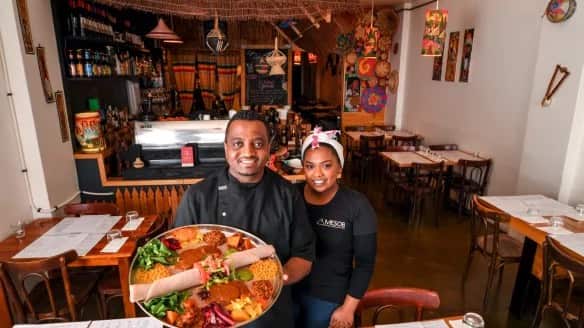
“Our food is generosity,” Naz says. From vegan fasting dishes to doro wot, Ethiopia’s most symbolic celebration dish, Mesob invites diners to do more than eat - “we want people to feel it, not just taste it.”
Eat Pierogi Make Love!
Polish pierogi bar as love letter to “home”
At Eat Pierogi Make Love!, food is memory, migration and invitation rolled into dough. For owner Dominika Sikorska, the decision to bring pierogi to Melbourne came from a deep homesickness, not just for flavour, but for togetherness. “Pierogi are not just food, they’re an activity that brings people together,” she says. “At home they’re made in big amounts for the whole family, especially around Christmas. Everyone joins in. I was missing that spirit.”
That longing led Dominika and her husband Guy to host pierogi-making nights at home, inviting people from all cultures to cook and eat together. “Everybody loves dumplings,” she laughs, “so we treat pierogi as the perfect gateway to Polish food, culture, music and way of life.”
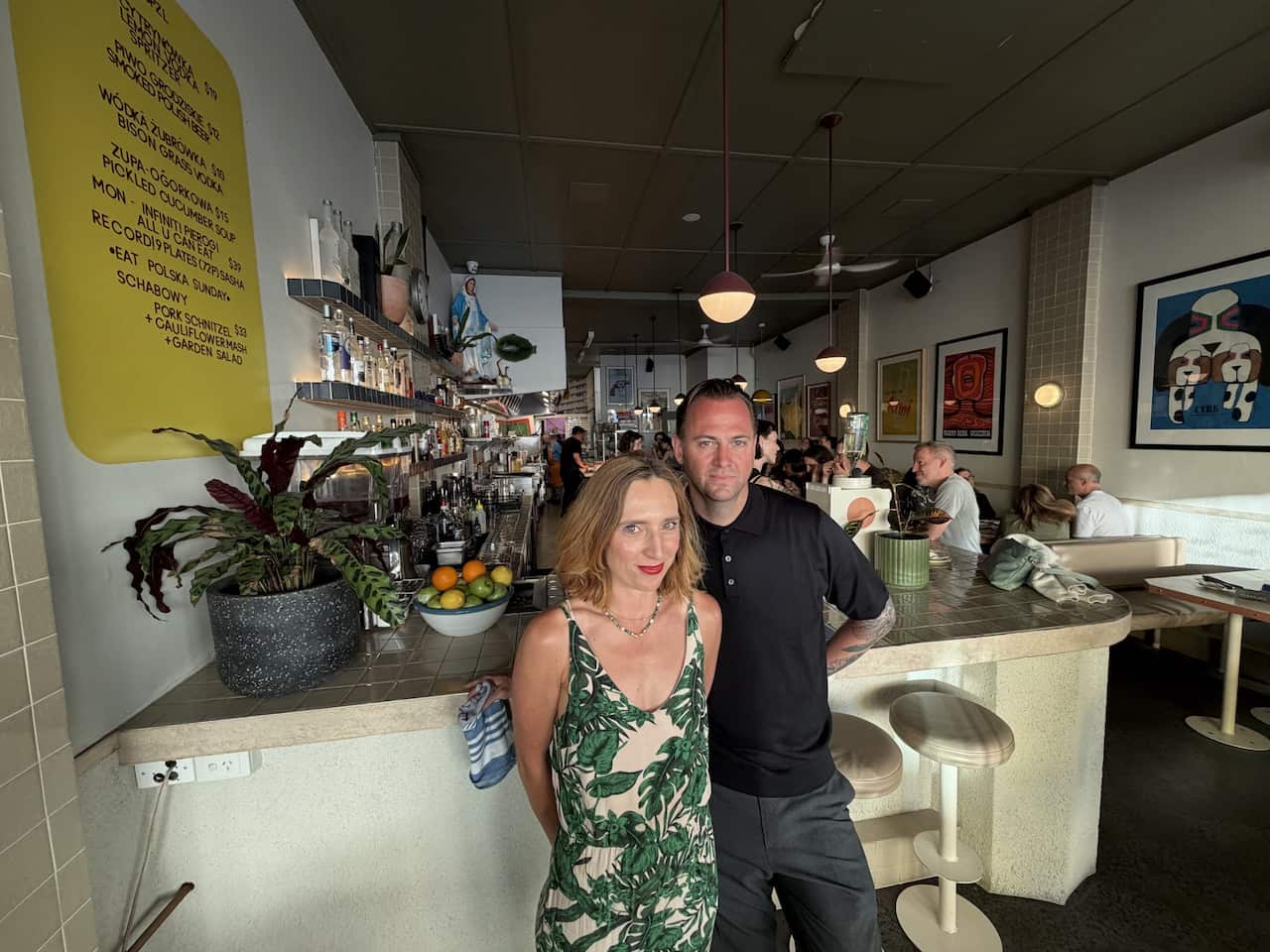
The menu reflects a modern migrant story rather than strict tradition. “We’re not trying to recreate a frozen version of Polish food,” Dominika explains. “We grew up after communism, with new ideas, freedom and access to ingredients our parents didn’t have.” Dishes are served in smaller, shareable plates to encourage exploration rather than intimidation. Pierogi remain central, nostalgic, seasonal and deeply personal.
They [pierogi] represent home and community. They were always made to be shared.Dominika Sikorska
Together, these restaurants reveal the true strength of Melbourne’s food culture, not as a melting pot, but as a gathering place. In these dining rooms, culture isn’t curated for effect, it’s lived, generous and ongoing. And in a city built on migration, these kitchens remind us that the most meaningful meals are the ones that make us feel welcome, understood and, if only for a moment, at home.

SBS Food is a 24/7 foodie channel for all Australians, with a focus on simple, authentic and everyday food inspiration from cultures everywhere. NSW stream only. Read more about SBS Food

Have a story or comment? Contact Us