I absolutely love gardens. After all these years I am still in awe of their mysteries and complexities. I marvel at the life cycle of a seed as it grows and responds to the iciness of winter and the heat of the sun; the deep understanding of the gardener, waging constant battle against winged insects, caterpillars, furry creatures, blight or mildew; and the extraordinary rhythm of the seasons, which mirrors and defines our own lives and has always been at the heart of my cooking.
As human beings have done for millions of years, we long for the first pale sunlight of spring, warming the earth, encouraging the first shoots to come through, giving us beautiful, delicate flavours, colours and blossoms and the first asparagus, radish or pea shoots. Next, the ripeness of summer with its triumph of full-flavoured abundance, so that the cook is totally spoilt. Then autumn, rude and ripe with the big, rich colours of plums and apples and pumpkins. And afterwards comes the slow decay and collapse into winter with its black earth, seemingly barren, but in reality full of the seeds of new life, while through the frosts and snow the cabbages and leeks and Brussels sprouts come surging defiantly through the soil.
I gained a deep affinity with the seasons, the garden and of terroir from my father, and a love, care and understanding of cooking and preserving food from my mother. We lived in the most rugged, wooded part of France with mountains, rivers and lakes; warm in summer but freezing in winter. It is a terrain where intensive farming cannot thrive, so there is still purity in the fruits and vegetables that are grown, and the organic values I have always embraced were instilled in me early on in life. My father created a huge garden where we grew enough food for our family of seven. While my friends were playing football, me and my two sisters and two brothers were digging the soil and turning the compost, watering and harvesting food for my mother to cook, bottle or pickle to store for the winter. So although I cannot say I am a gardener, I certainly served my apprenticeship.
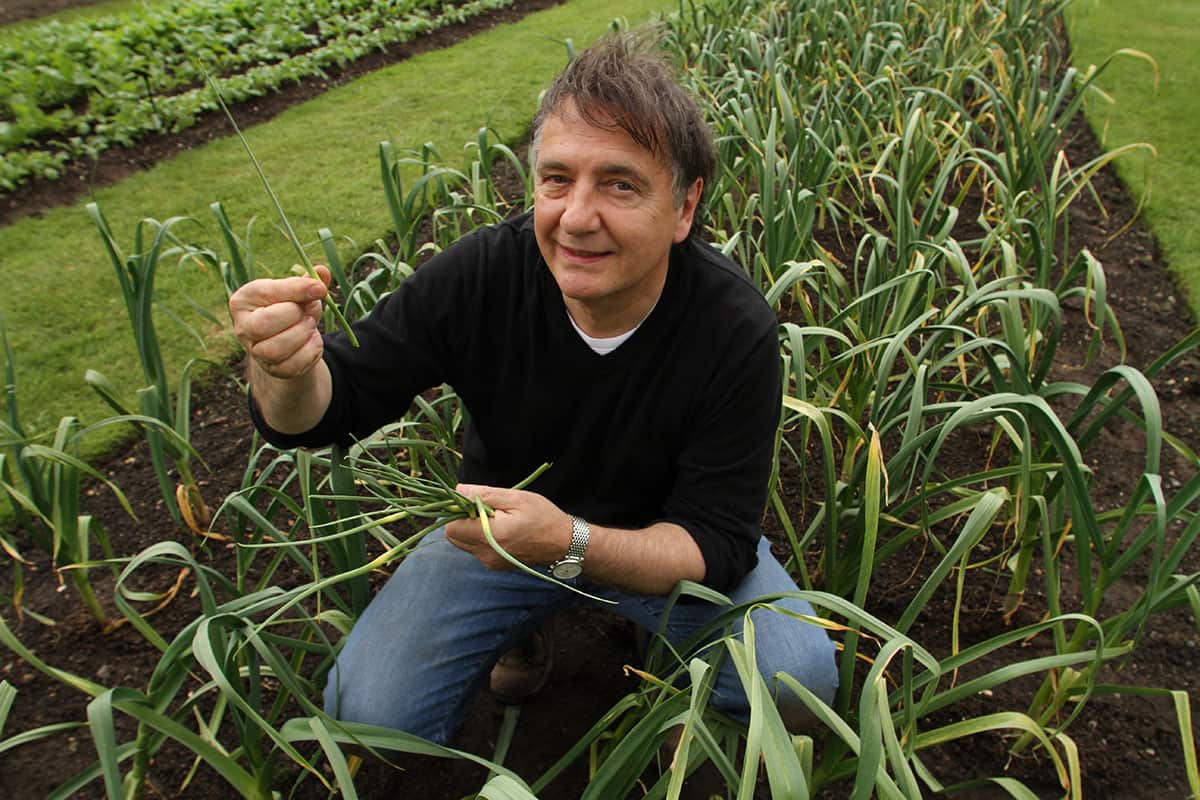
When I arrived at Belmond Le Manoir aux Quat’Saisons, the first thing I did was to create the vegetable garden, even before I worried about the house, the foundations, the roof or the decor – and now we have 11 different gardens and orchards, inspired by my travels, my own terroir, books I have read and marvellous people I have met. So why did I want to make another garden at Kew? Well, of course I relished the idea of a French Republican laying a new garden of 250-strong varieties over a former royal plot! But seriously, what is beautiful is that after a gap of more than 150 years since the last royal kitchen garden was given up in Victorian times, vegetables are being grown again in this part of Kew. It has been an amazing chance to show that there is a real connection between rediscovering, valuing and growing traditional varieties of fruits and vegetables on a local scale and the much bigger, complex and challenging question of what the world is going to eat tomorrow. This is where the great work that is being done by the scientists at Kew, the pinnacle of plant research, is so very important.
When we talk about heritage or ‘heirloom’ varieties we mean plants that have been grown and their seeds saved and replanted for centuries. Each has its own individuality of flavour and character and over time the plants have naturally adapted themselves to local conditions. Modern hybrid seeds, which are known as F1, on the other hand, have usually been developed for their enormous yield, resistance to disease, shelf life and perfect colour, shape and uniformity. Many certainly grow bigger, but they have less and less taste. And they are designed to be used once only. If you were to try to harvest their seeds and grow them the next year, the crop wouldn’t be the same, so you will always have to buy more. And if an entire crop should fail, what are you left with when these hybrids have replaced so many alternative heritage varieties? I am not saying that heritage varieties are necessarily best, but many are, and it is vital that we don’t lose them – not only for their flavour and character, but for the biodiversity they bring, which is so important to our future food security. We believe that plenty is going to be forever, but our world is so vulnerable and our food supplies so fragile.
I have a deep respect for science, especially as a self-taught and curious cook; I always wanted the mysteries of the kitchen explained to me. I needed to know why my soufflés rose beautifully or why colours, textures and flavours denatured through the appliance of heat. I had to understand the whole chemistry of the fermentation of yeast in bread.
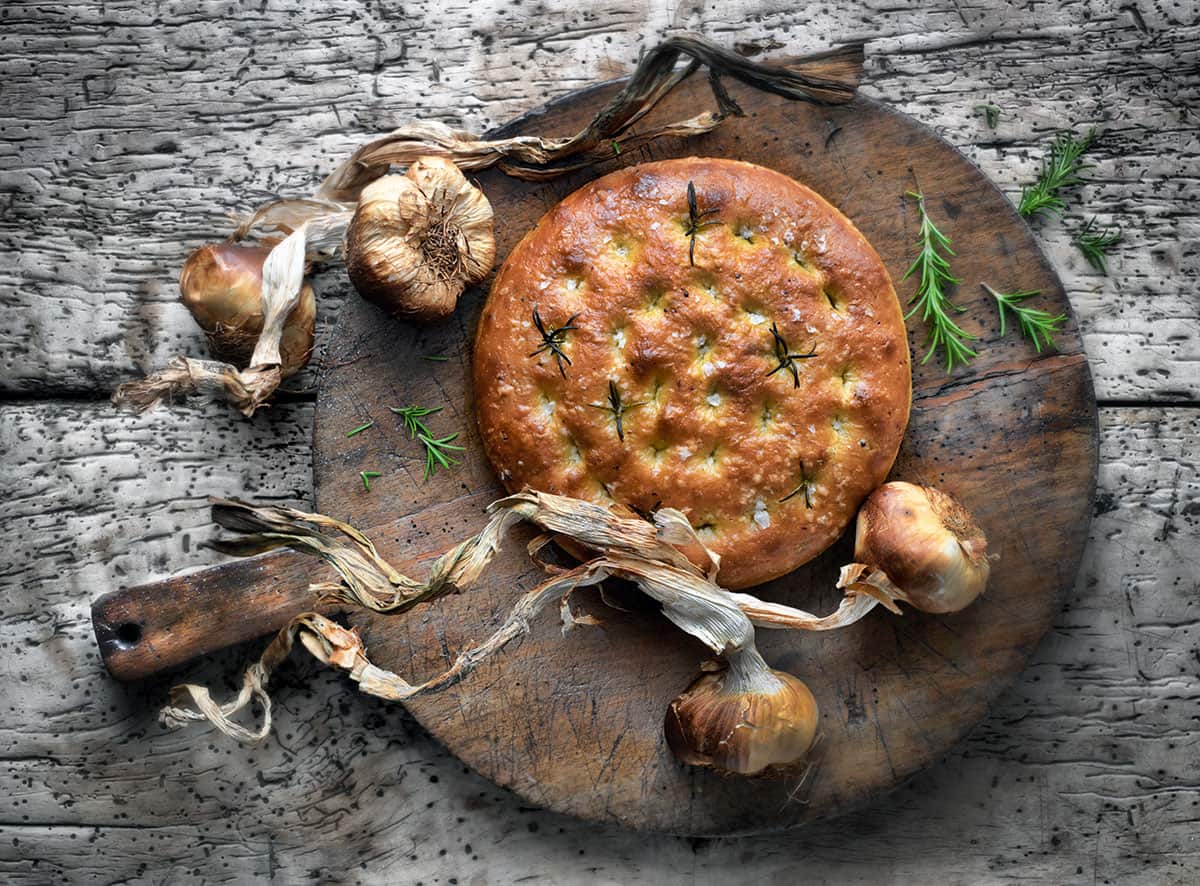
Get Raymond's recipe for smoked garlic focaccia here.
And I truly believe that scientists, gardeners, cooks and consumers have to come together to connect our history, tradition and the knowledge of food and seasonality that has been handed down through generations, with the right kind of research and technology. Only then can we tackle all the challenges we have to face, from desertification and water security to the acidification of the seas, and all the health problems we have brought upon ourselves by shamelessly reducing food to a mere cheap commodity.
I believe that people are demanding individuality and flavour again, and plant breeders and supermarkets are responding to that. At East Malling Research station for example, scientists are now developing some extraordinary varieties of fruit and vegetables, especially strawberries that, yes, have shelf life, and yes, have resistance to disease, but also have wonderful, complex flavours.
I am only a tiny firefly briefly passing by – but I am proud to be a part of this amazing team that is building something that will go beyond me, inviting people to think, and involving and exciting children to see what is possible. We are the generation who ate everything without asking a single question, but I believe that our children will be the ones who will reconnect with the true nourishment of food and where it comes from, embrace sustainable values and harness science in a good way so that they can create their own food revolution.
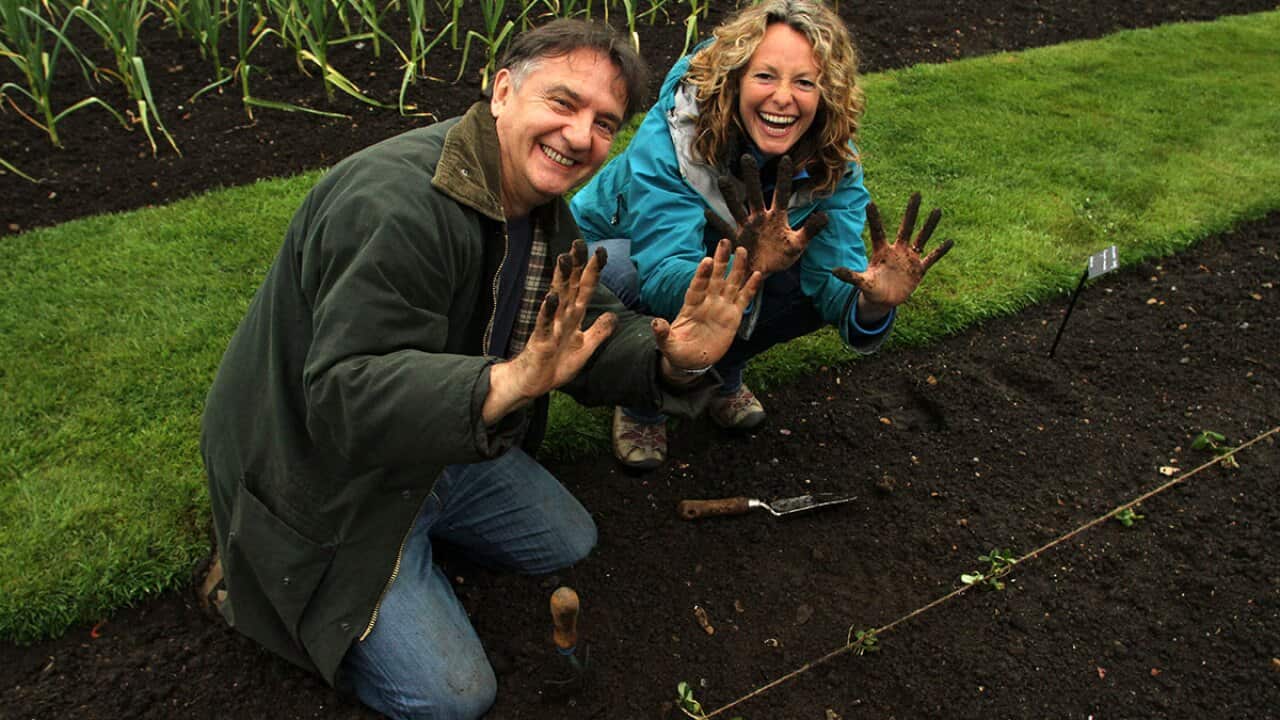
It was such a joy for me to work with Kate Humble who co-presented the TV series – we share a love of growing, of food, and we have similar ideologies and a great respect for the history, botanical knowledge and research that we were privileged to be a part of at Kew. Of course we didn’t take ourselves too seriously; we had a lot of fun with our amazing film crew, and I hope we told our big, big story in an entertaining way.
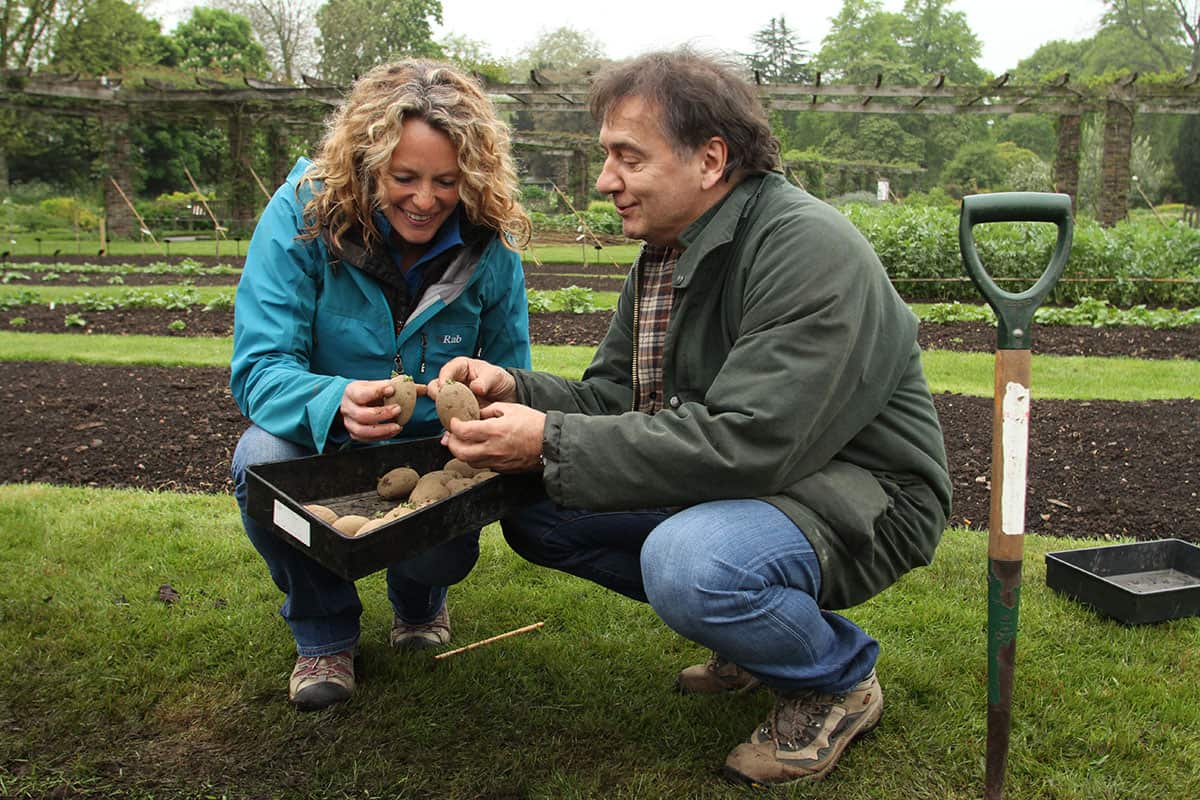
Most of all I owe a huge debt to our wonderful gardeners: the serene Alice Lumb and inquisitive Joe Archer, who nurtured our lovely produce day by day. And my two angels: Anne-Marie Owens, who has been with me for 29 years; and the gentle Anna Greenland, who looks after the vegetable garden and carries old wisdom and a deep understanding of the seasons in her young soul, which is beautiful to see. What a team. Between them they have researched and sowed the seeds and nurtured them. Together we have reaped the harvest, and with Adam and Ben, my trusty lieutenants in the kitchen, I have created completely new recipes to celebrate the purity and nobility of fruit and vegetables.
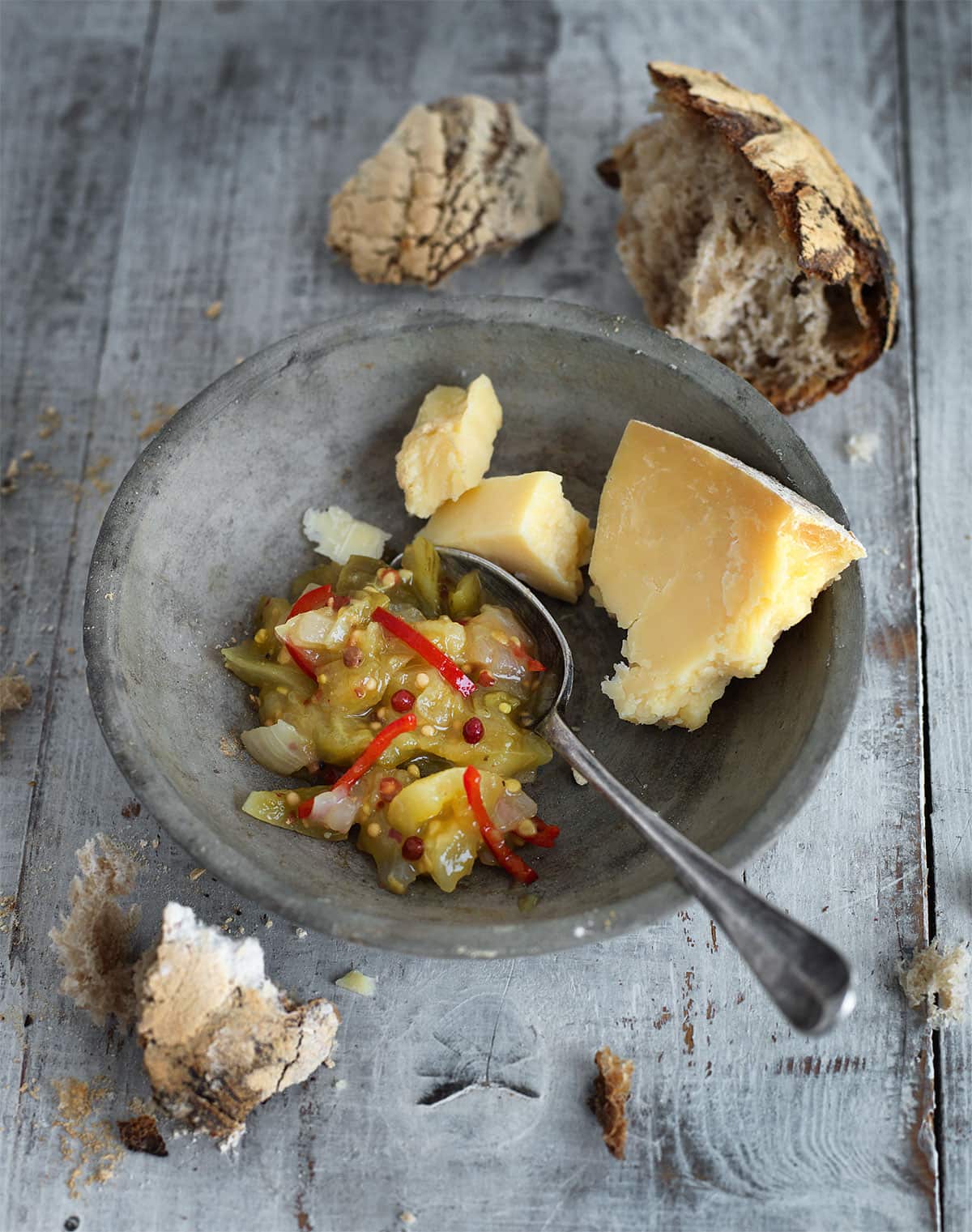
Preserve late summer's green tomatoes in Raymond's chutney.
No more can we sustain the impact on our environment of eating so much meat. Vegetables, especially, are going to find their proper place in our diet – and I have to thank my partner Natalia Traxel for all her nutritional expertise on that subject! Hopefully we will all recognise the power of fruits and vegetables to affect our well-being, above all when they are fresh from the earth – which means growing more produce locally or in our own gardens.
Why not sow some seeds tomorrow, water them and watch them grow, then cook something wonderful for your loved ones. Please, do it.
You are what you eat. The first time I heard that expression I was 19 and deciding I wanted to be a chef. I was reading everything I could about food and health and it seemed like a complete over-statement. But the more I discovered about food and nutrition, the more I totally agreed with it. From seed to plate we have grown, organically, a magnificent garden at Kew, which embraces British heritage, soil and local varietals. Maybe I am a foolish romantic, but I believe this project will go some way to show that food is not a mere commodity; it connects with every part of our lives, and I hope this book will inspire people with these exciting ideas. Why not sow some seeds tomorrow, water them and watch them grow, then cook something wonderful for your loved ones. Please, do it. Because if we begin to reconnect our food with the garden, with seasonality, community, cooking, nutrition, science and the environment, then maybe we can help change the world... just a little.’
This is an extract from Kew on a Plate with Raymond Blanc (Headline, hb, $55). Watch the unfolding of his project at Kew in Royal Gardens On A Plate, in the garden and in the kitchen, starting 8.35pm Thursday January 12 on SBS and then SBS On Demand.
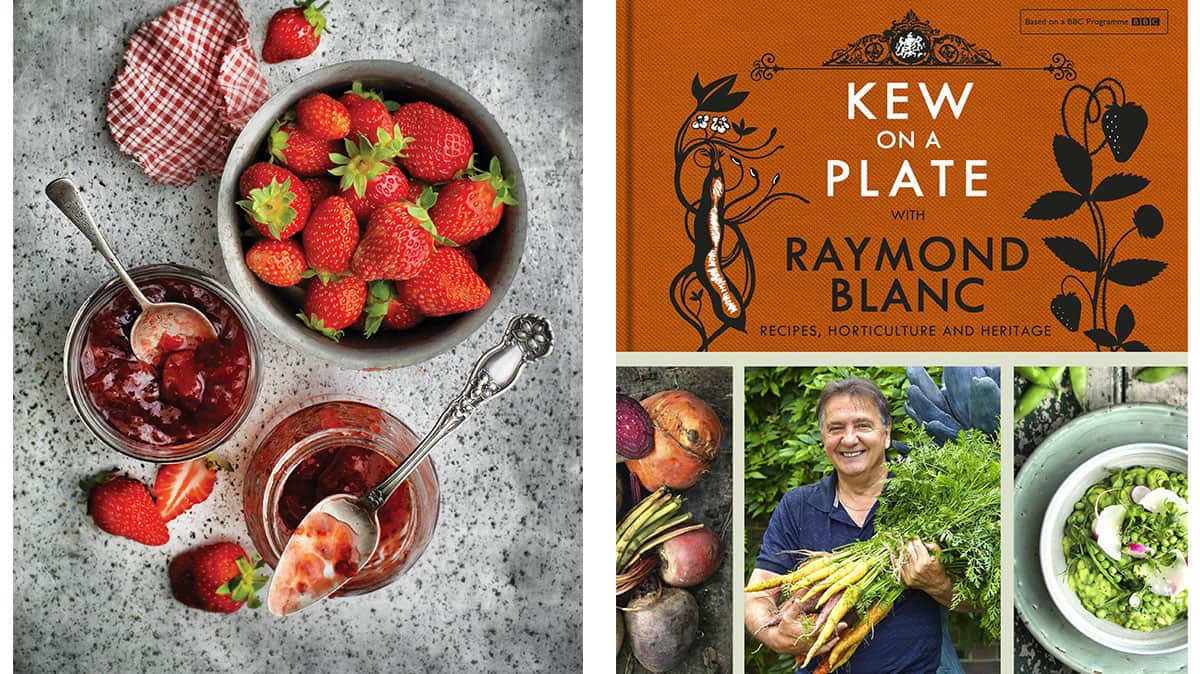
Get Raymond's low-sugar strawberry jam recipe here.
Royal Gardens On A Plate airs Thursdays at 8.35pm on SBS, then catch it on SBS On Demand.

SBS Food is a 24/7 foodie channel for all Australians, with a focus on simple, authentic and everyday food inspiration from cultures everywhere. NSW stream only. Read more about SBS Food

Have a story or comment? Contact Us