You’re standing in the red dust in the middle of the Australian Outback, trying to season your stew, when suddenly ... bam!
You realise you don’t need to import oregano from Italy or black pepper from India. You’ve already got two ancient flavour bombs growing under your feet: saltbush and pepperberry.
They’ve been here for thousands of years, seasoning everything from wallaby to witchetty grub, and honestly, it’s high time we gave them the culinary crown they deserve. This is the real Aussie spice rack, built by the land, nurtured by First Nations peoples, and just waiting to blow your chef’s whites off.
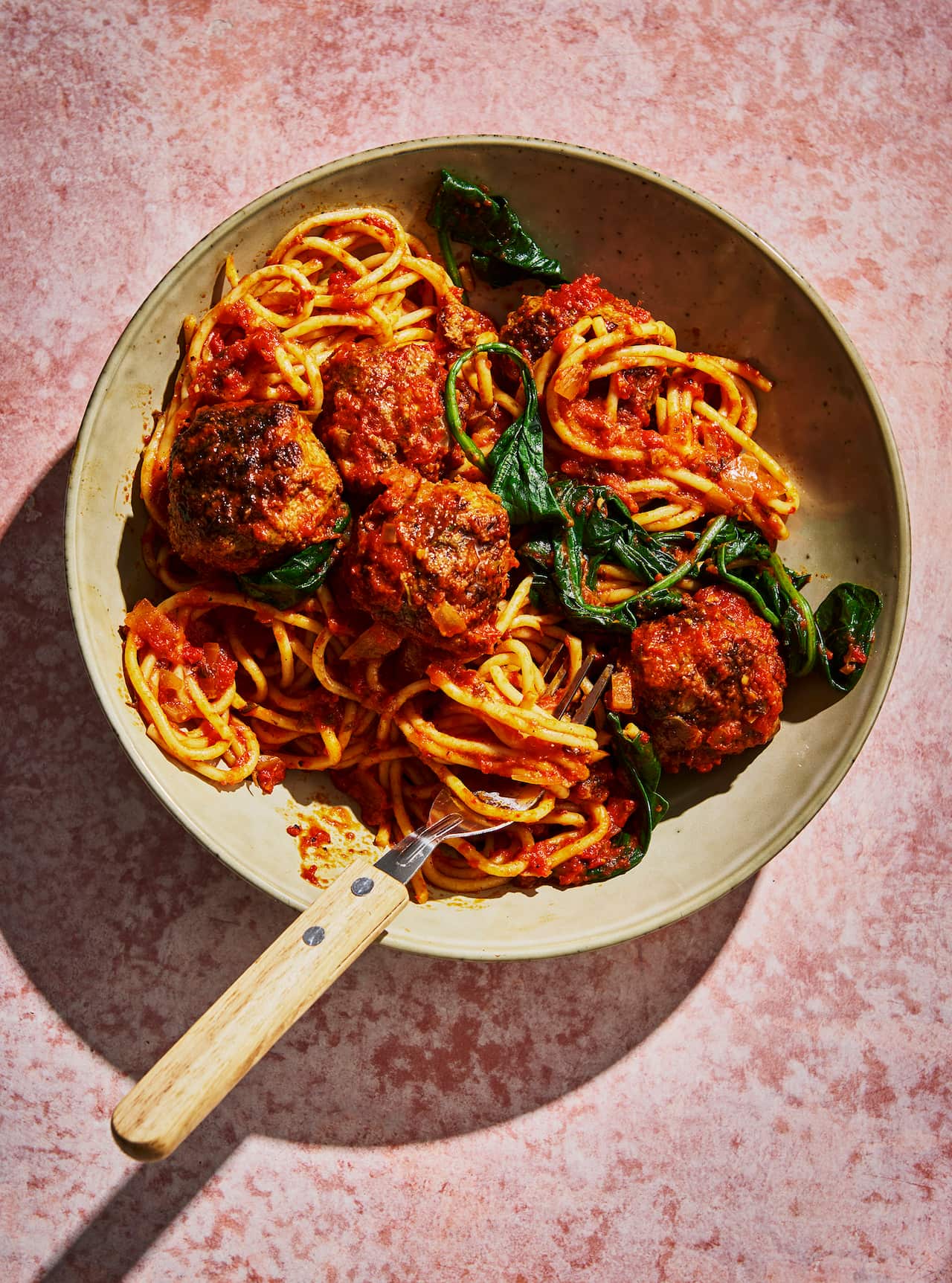
Pepperberry and saltbush join bush tomato in this spaghetti and meatball recipe from Nornie's new book.
Pepperberry: Australia’s sassy little spice grenade
Let’s start with pepperberry (Tasmannia lanceolata) – this is black pepper with a PhD in sass and a makeover from the bush.
At first glance, it’s a cute little berry, purple–black, juicy and innocent looking. You could pop one in your mouth and think, ‘Hey, that’s quite sweet!’ But give it a second. That heat? That slow, creeping burn that hits the back of your throat like a gossip bomb at a family barbecue? Yeah, that’s the numbing pepperberry bite. It’s glorious.
Think black pepper meets clove, with a bit of floral attitude. It doesn’t just want to spice up your food; it wants to make a statement. It’s bold. It’s aromatic. It’s spicy in a ‘you’ll remember me tomorrow’ kind of way. And if you’re into wet grinds (and honestly, who isn’t?), this thing shines. Wet-ground pepperberry becomes a rich, purplish paste, like if chutney had a goth phase. Slather it on kangaroo loin, mix it into a glaze or stir it into mayo and your sandwich will have an identity crisis (in a good way).
Explore pepperberries with Nornie Bero on The Cook Up:
The leaves: real hot gossip
Now, if you think the berries are spicy, wait until you meet the leaves. The leaves of the pepperberry plant are hotter than a Kmart air fryer in summer. You dry them out, crush them up and suddenly your soup, stew or roasted pumpkin has been possessed by the spirit of the bush. Even when fresh, they’re punchy. They’re like bay leaves, but with attitude.
Bush food, bush medicine, bush everything
For First Nations Australians, pepperberry has always been more than a seasoning. It’s been used for medicine, ceremony and flavouring meats long before spice racks were invented. Its antifungal and antibacterial properties made it part of bush medicine, and it’s one of the earliest examples of how Aboriginal communities lived with the land, not just on it.
So, when you use pepperberry, you’re not just seasoning your lamb chop; you’re tapping into a living, breathing culinary tradition that predates any European recipe book by tens of thousands of years.
Saltbush: the Blak man’s oregano
Now, let’s talk about saltbush (Atriplex nummularia), the humble, silvery-leafed shrub that looks like it’s been through a desert and come out seasoned. Literally. This plant is salty, savoury and full of flavour before you even add anything. It deserves a spot next to the basil and thyme in your spice drawer.
I call saltbush the Blak man’s oregano because it’s like oregano if the herb had a run-in with a campfire and came out with a smoky, salty edge and a bit of a chip on its shoulder. It doesn’t whisper like thyme, it shouts. It’s here to season your lamb, your damper, your potatoes, your everything. Rub it on a roast chook and you’ll wonder why you ever bothered with rosemary. It’s herbaceous, earthy and naturally salty, so it’s the lazy chef’s dream. Forget the shaker; this plant is the seasoning.
Eat the leaves? You bet
Saltbush leaves can be eaten fresh or dried. Fresh, they’ve got a spinach-meets-sea-salt kind of vibe. Dried, they become this flaky, herby dust of deliciousness that makes anything taste 45 per cent more Australian. Try tossing some dried saltbush on roast veggies or mixing it into bread dough. Suddenly, your pumpkin scones are singing ‘Waltzing Matilda’.
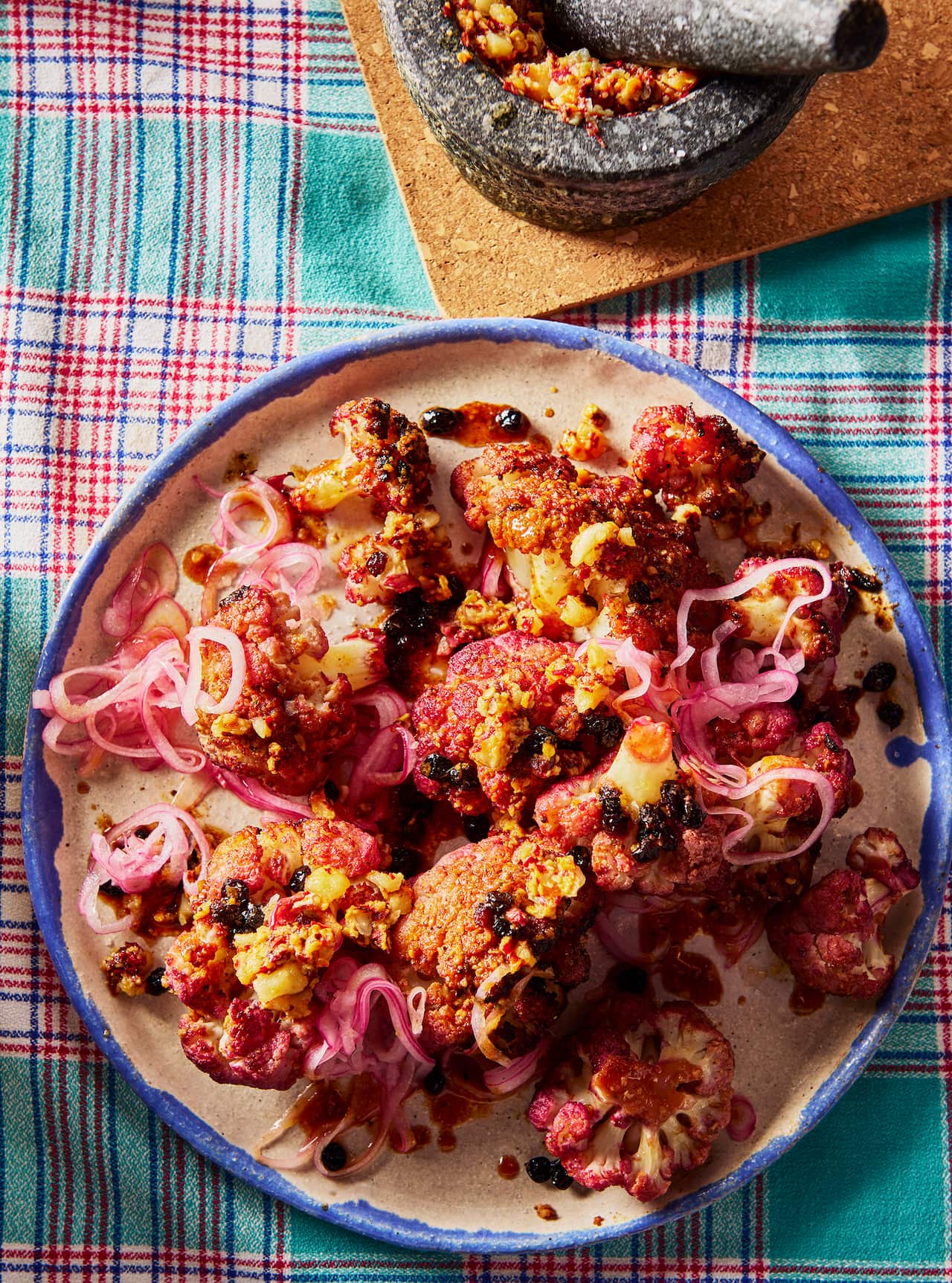
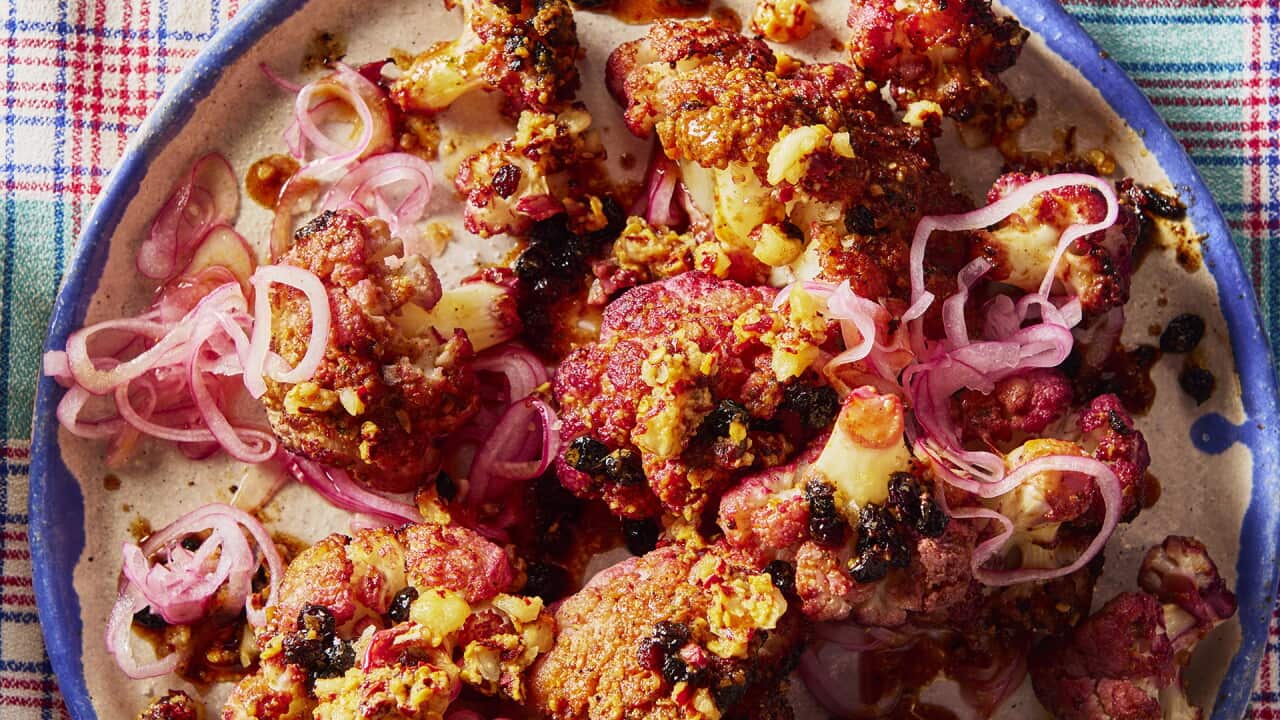
Saltbush joins our native nut, macadamia, in this Nornie Bero recipe.
First Nations knowledge: the original cookbook
Long before colonisers brought their sheep and starchy puddings, saltbush was already a staple for Aboriginal people, who used it for flavour, nutrition and cooking technique. Meats and roots were slow-cooked in underground ovens for hours, wrapped in saltbush to help tenderise, flavour and prevent the food from drying out. Think of it as the ancient sous vide, but smarter and 100 per cent biodegradable.
Pepperberry + saltbush: a flavour power couple
Now here’s the kicker: saltbush and pepperberry together? It’s like putting mum and aunty in a kitchen and letting them cook. One brings the savoury salt, the other brings the spicy drama.
While modern chefs and Instagram foodies are finally catching on to the magic of these ingredients, First Nations communities have known their worth for thousands of years. These aren’t ‘exotic’ or ‘new’ ingredients. They’re ancient, and they’re deeply rooted in Country, culture and knowledge systems that stretch back for many generations.
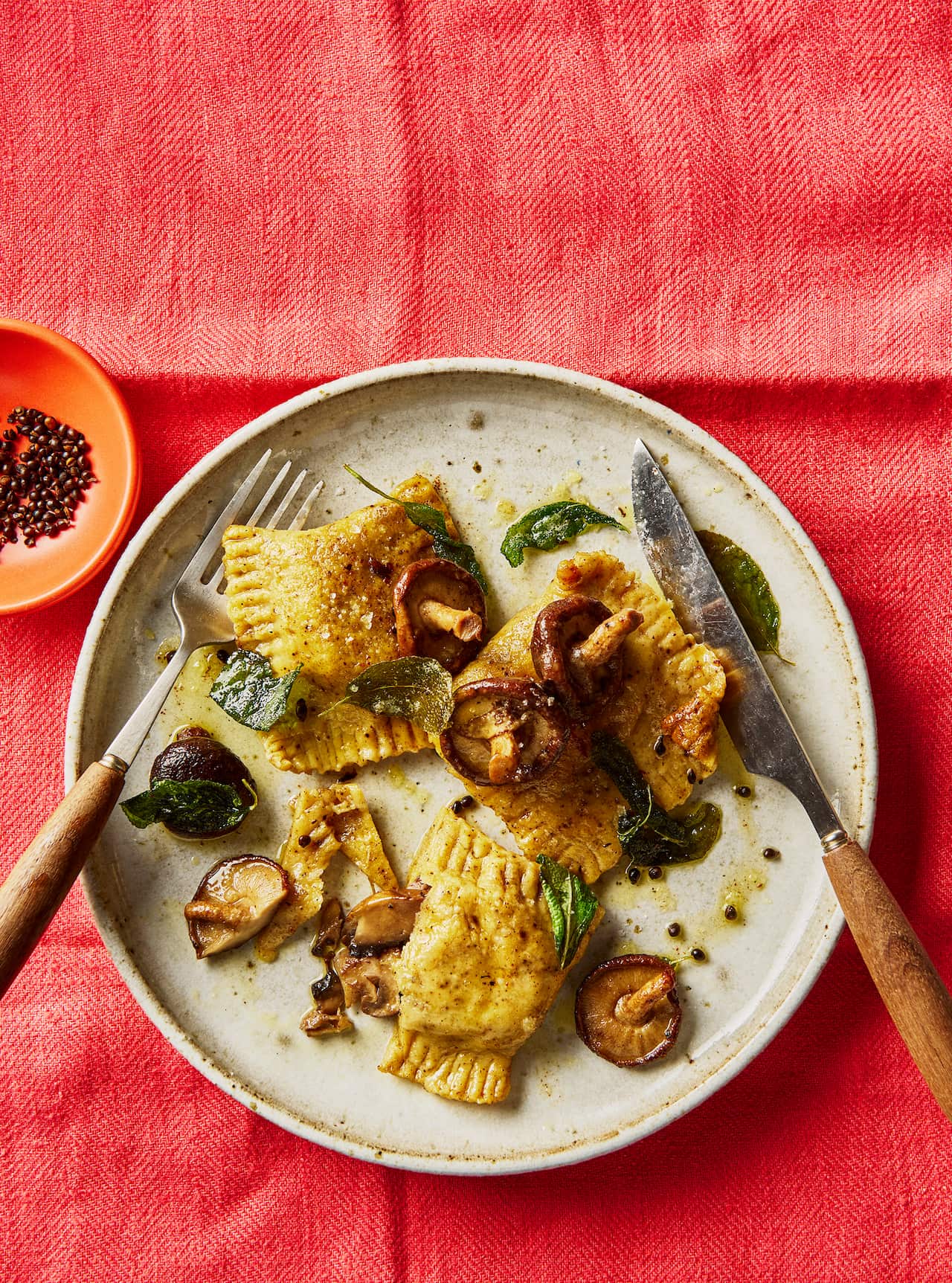
Saltbush and pepperberry join wattleseed to add native flavour to this ravioli recipe.
So, next time you reach for that jar of imported paprika or flaky sea salt, pause for a second. There’s a good chance the real flavour party is already growing in your backyard, on Country, in community and with stories far older than any cookbook.
And remember: saltbush is the Aussie oregano, but tougher. Pepperberry is the bush’s black pepper, but sexier. Together? They’re seasoning sovereignty, deliciously.
This is an edited extract from Native Ingredients Every Day by Nornie Bero (Hardie Grant Books). Photography by Rochelle Eagle.
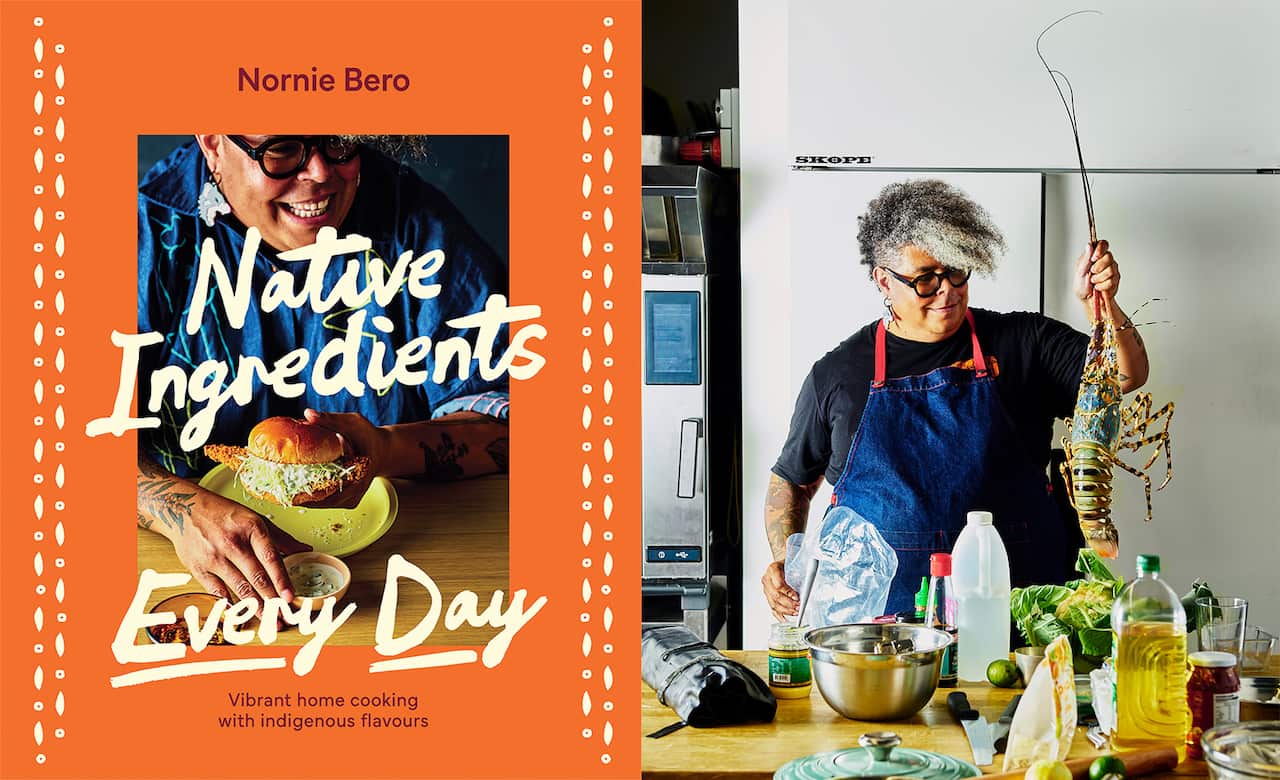
See more from Nornie in the Nornie Bero collection at SBS On Demand, including her delicious series Island Echoes and Torres Strait at Home, and in SBS Food's Nornie Bero recipe collection.

SBS Food is a 24/7 foodie channel for all Australians, with a focus on simple, authentic and everyday food inspiration from cultures everywhere. NSW stream only. Read more about SBS Food

Have a story or comment? Contact Us