At Uluṟu, the ochre sands and desert plants tell food stories far older than any recipe book. This land is home to the aṉangu, the Traditional Owners of Uluṟu and the surrounding desert, and for thousands of years, aṉangu communities have lived with, learned from, and cared for this Country.
Today, their knowledge of native foods remains essential as these Indigenous ingredients make appearances in high tea towers, fine dining menus – and hopefully, home kitchens too.
A taste of tradition
Sharnaya Butterworth is a proud saltwater Butchella, Nunukul and Goenpul woman, and a bush food tour guide at Ayers Rock Resort in Uluṟu-Kata Tjuṯa National Park in the Northern Territory. Her tours highlight the deep connection between food, land, and survival, and reveal how ancient practices continue to influence the Red Centre's dining scene – while introducing visitors to some of the ingredients and traditions that have sustained communities here for generations.
Much of Sharnaya's knowledge has been passed down by talking to the aṉangu women around town, and she is keen to help preserve and share these stories.
One of Sharnaya’s favourite examples of how the land has sustained communities? Old Man Saltbush. "The aṉangu hunters of this area actually knew how to utilise this bush not only for human consumption but also as a hunting tool," she explains.
Beneath the saltbush’s silvery leaves, small reptiles and mammals take shelter – perfect for quick-thinking hunters. "You’d have the aṉangu hunters standing behind two fires on each end. Those lovely little critters… they're going to run out to this side." Aṉangu hunters would then dispatch these animals quickly, "Grab him by the tail and give him a nice boink over the head, there is your dinner," she laughs.
Reinventing Indigenous flavours
Saltbush is still a valuable food source today – and these days, it’s also popping up on some of Uluṟu's most exclusive menus. Across the sand dunes at Tali Wiru, a sunset dining experience at Uluṟu, chef Joseph Lui is putting native ingredients like saltbush and quandong on the plate in new ways.
Lui, a chef from the North Seas of the Torres Strait Islands, was drawn to Uluṟu for its unique flavours. "Here in [the town of] Yulara, we like to use one of our favourite native peaches called a quandong," he says. "It tastes just like a sour strawberry... Anything I could do with a strawberry, I'm excited to try with the quandong."
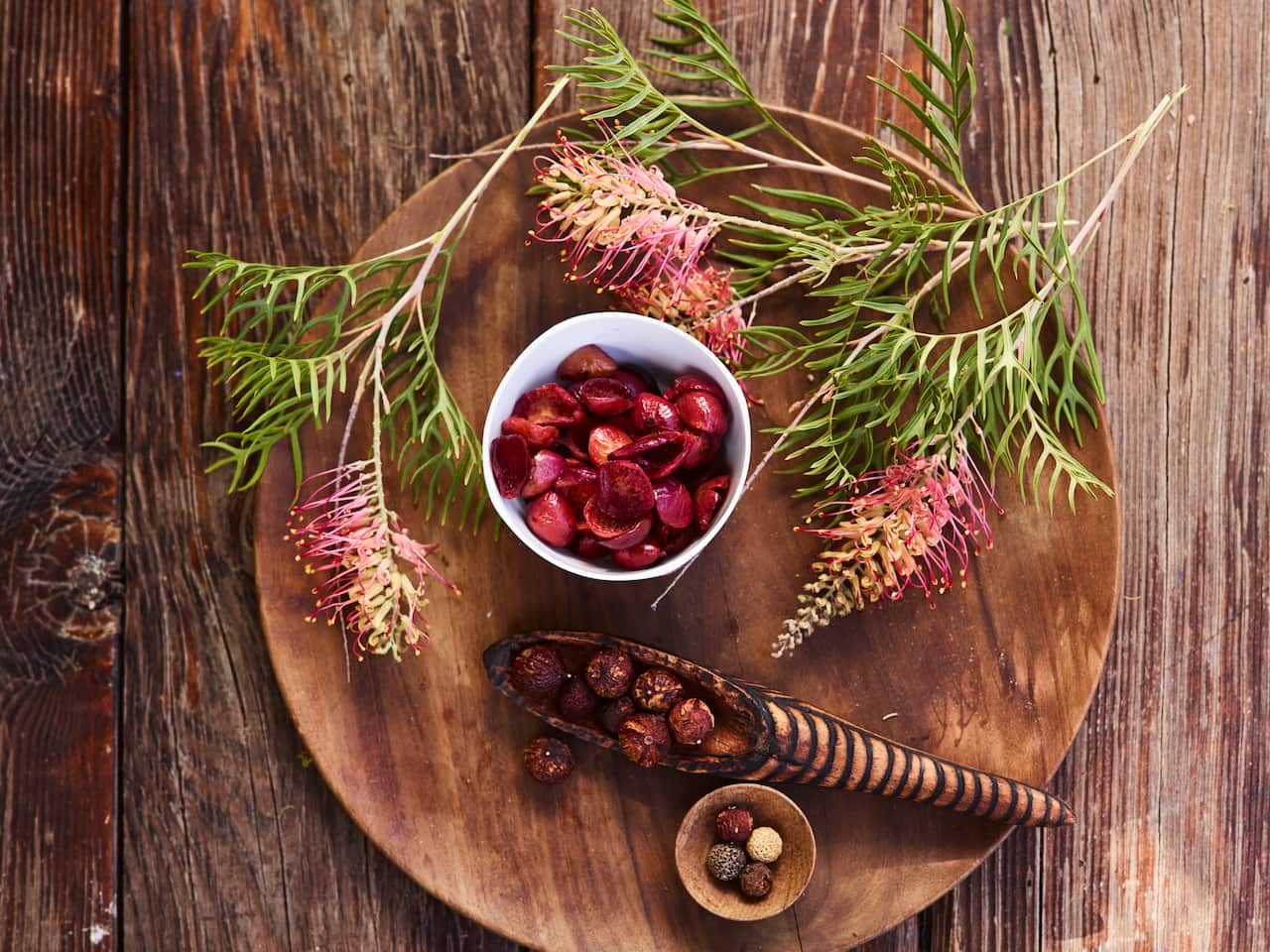
For Lui, cooking with native ingredients is about more than flavour. It's about learning from the land, respecting cultural knowledge, and sharing a deeper understanding of Country. "You have to come here, you have to try it, and it's going to change your life," he says.
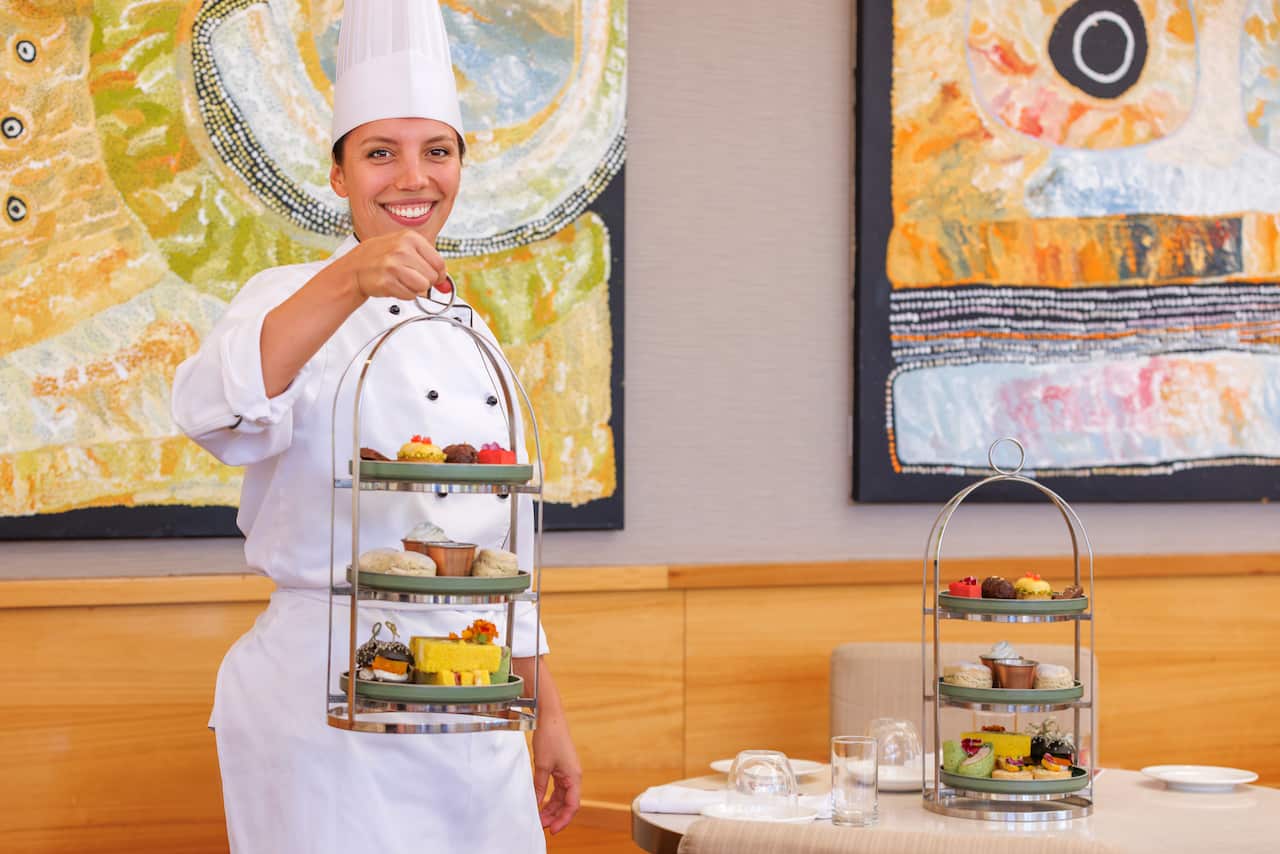
At Ayers Rock Resort's Ilkari Restaurant, pastry chef Graciela Jonen adds a sweeter perspective to Uluṟu's native bounty. Her native Australian high tea features lemon myrtle scones with tangy quandong jam, rich wattle seed truffles, and her personal favourite – a native Tim Tam infused with saltbush. "We dehydrate the saltbush and crush it up and infuse it into the caramel to then create our native Tim Tam," she says.
While these modern menus showcase the versatility of native ingredients, their cultural roots run deep. "These fruits, they actually flourish only two months throughout the entire year," Sharnaya explains, as she introduces visitors to the vibrant quandong tree. Without modern calendars, aṉangu communities turned to the constellations for guidance. "When you see that beautiful Dark Emu up in the sky and you see his lovely head to the far west side of Uluṟu, on the horizon… that's when we gotta go start picking."

The enduring relationship between food, culture, and Country is also reflected in new art initiatives like "Sunrise Journeys," an immersive light and sound show at Uluṟu and painting at the Gallery of Central Australia, co-created with aṉangu artists. "Bush foods depicted in the artwork, such as quandong, bush tomato, and native plums, are integral to aṉangu culture, representing not only sustenance but also ancestral knowledge of the land and its seasonal cycles," says Matt Cameron-Smith, CEO of Voyages Indigenous Tourism Australia.
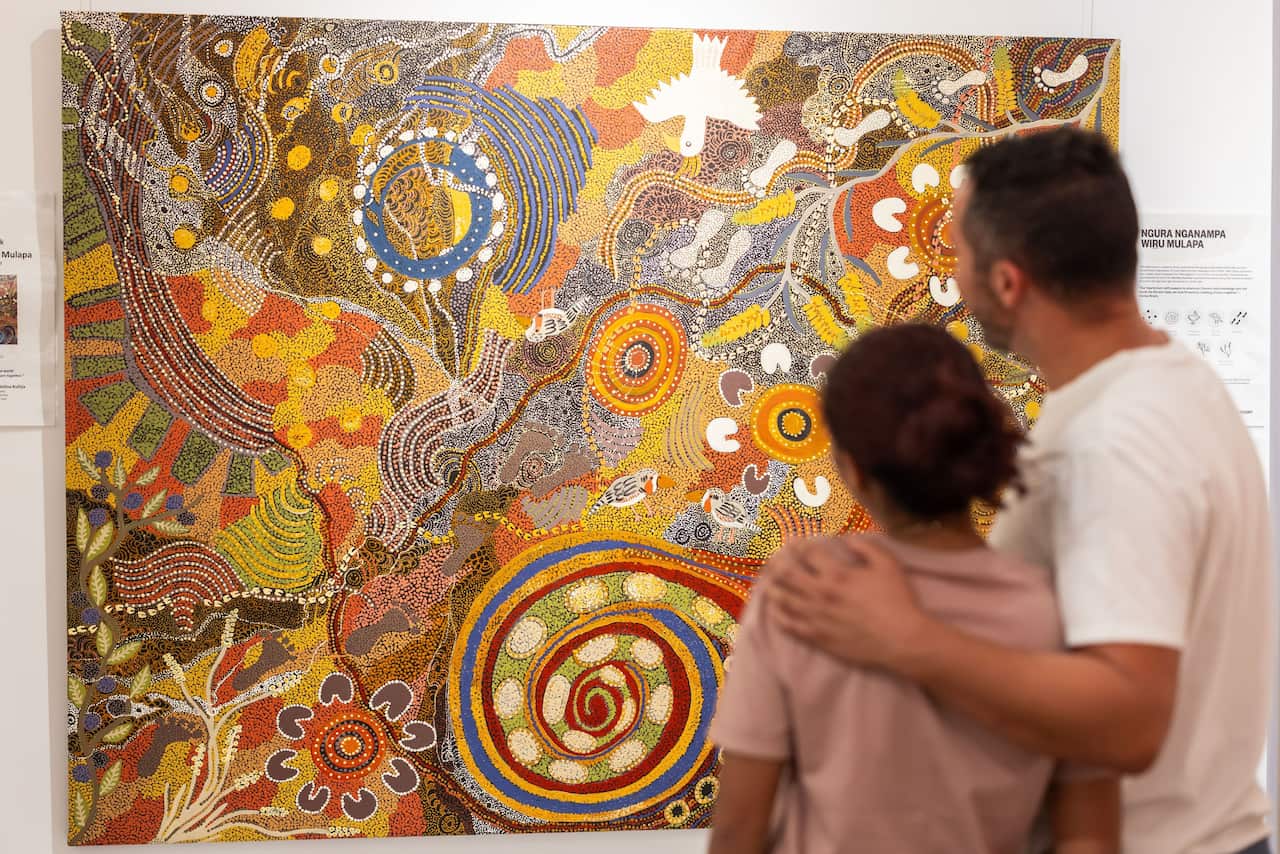
"By incorporating these foods into the artwork, the artists highlight their significance in daily life but also cultural practices, offering viewers insight into the depth of aṉangu expertise in this harsh environment, and the enduring relationship between community and Country."
Storytelling through art and food
Native ingredients once gathered for survival now feature in fine dining menus and large-scale artworks. But their significance remains the same - nourishing both people and culture.
And a visit to sacred Uluṟu offers a chance to engage with these stories firsthand, whether it's tasting native ingredients on a bush food tour, learning from Indigenous guides, or experiencing how traditional knowledge shapes the flavours of the Red Centre today.
For Sharnaya, the invitation is simple. "Let's go on adventure," she says - a reminder that every bite of native food carries stories of Country, connection, and culture.
The writer travelled to Uluṟu as a guest of Voyages Indigenous Tourism.

SBS Food is a 24/7 foodie channel for all Australians, with a focus on simple, authentic and everyday food inspiration from cultures everywhere. NSW stream only. Read more about SBS Food

Have a story or comment? Contact Us