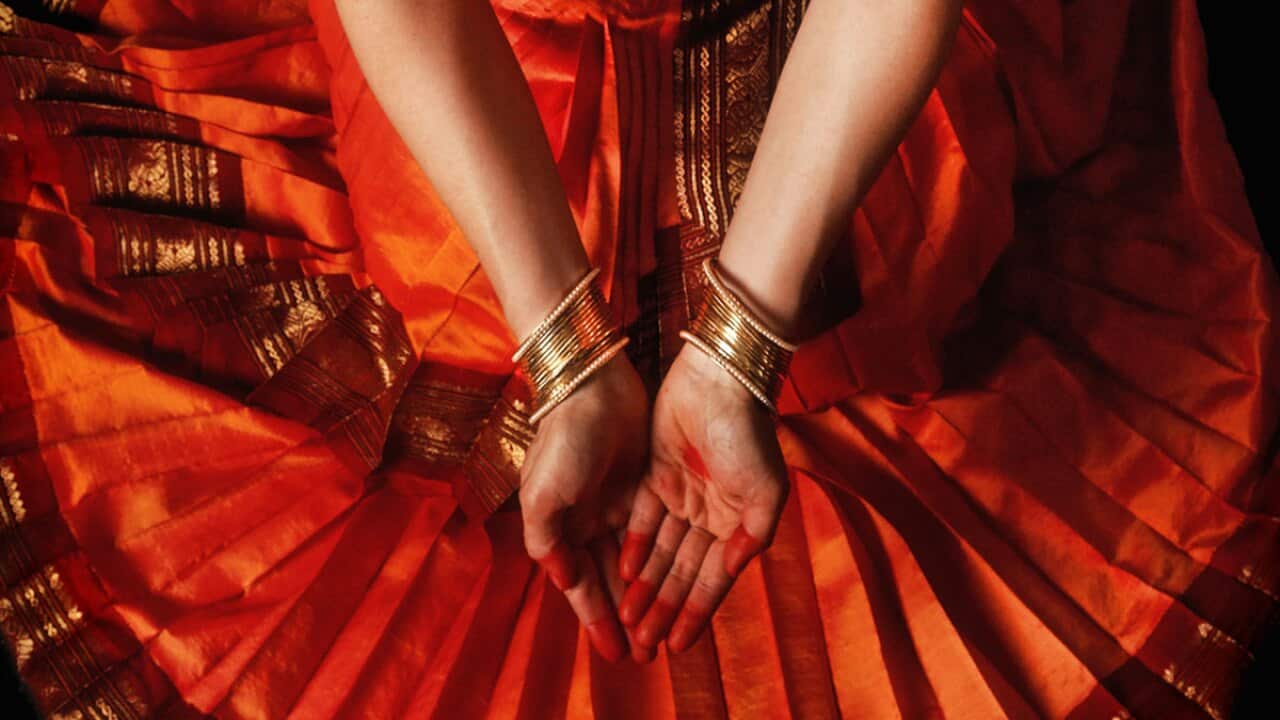
I remember the first time I broke the Hindu fasting vow of Devi Puja. I was in grade 5. And I said yes to a sausage roll.
Morally, I was in unchartered territory. For as long as the ten-year-old me could remember this twice-yearly sacred festival had been, to my own mind, sacrosanct: All meat, eggs and fish (even the cans of tinned tuna) would be cleared from our cupboards and fridge and freezer for the nine-day Hindu festival; the diet of my two brothers and I would become “strictly vegetarian” while Dad would fast – just tea in the mornings, some fruit, a fistful of fried potatoes with salt and a little chilli in the late afternoon, and a grain-less, simple meal in the evening.
At the time I gave no thought at all as to WHY I chose that moment to lose my spiritual virginity. That first bite happened somewhat naturally though not without guilt and it was, for the longest time, a secret that I kept. But I’ve given it plenty of thought since and what I’ve come up with is this: When faced with that tomato soused-sausage roll it wasn’t that I got sick of saying ‘no’ to meat, more I’d found myself dispossessed of all the reasons for fasting to which I’d previously said ‘yes’.
Like most young children I was always content to follow in my parents footsteps including, as it turns out, their religious beliefs and practices. Brush your teeth before bed. Always carry a jumper against the cold. Say no, during Devi Puja, to the seduction of a playground sausage roll.
Morally, I was in unchartered territory. For as long as the ten-year-old me could remember this twice-yearly sacred festival had been, to my own mind, sacrosanct...
But at some point in life we are required to find our own reasons for keeping up the habits instilled by family: Sometimes these actions metamorphose in the keeping, while others are cast off; the clean teeth message was cemented at the end of my dentist’s anaesthetic needle; the jumper I carried until I realised a shawl slung around my neck was far more versatile; but the vegetarian fast of Devi Puja (which starts this year on September 21), well, for a long time it was discarded.
It wasn’t that I wasn’t devout. I was. I am. I (mostly) always have been. There just existed a considerable span of time bridging aged-10 until now where I couldn’t see that my faith was any better served by my being selective about my diet for spiritual gain.
Only very recently has that sentiment changed.
The world’s totem religions acknowledge the idea of the religious fast. Judaism has the Sabbath. Christianity, Lent. Ramadan is a core event in the calendar of Islam. But as with Hinduism and Devi Puja, I have never been driven to intellectualise the reasons as to why. Why limit consumption? Why refrain from certain and specific produce? What does it mean to perform these culinary sacrifices in the name of God?
I was never driven to answer these questions because, from my standpoint, if there was no sensorial compulsion for me to fast, then intellectualising the reasons was certainly no way to change my mind. This is because food choices are, for the most part, sensory: It’s why we find it so hard to give up chocolate; to limit salt or butter – while our mind informs us of one thing, our body has its own relationship with food and it says another.
It wasn’t until I began to more deeply explore my own relationship with the faith that I had inherited that subscribing to the fasting doctrines of Devi Puja began to feel as a natural extension of my belief. This happened because I chose to take God out of the temple and make Him part of me. Once He was part of me I gloried in using those nine days of festive fasting as a way to bodily worship my deities with the same joy I received from intellectual worship – intellectual worship being the faith of which we speak, not necessarily the belief we practice.
Now there’s a postscript to this story.
In October last year, on the first day of the first Devi Puja I had strictly adhered to since that illicit sausage roll, Scott, our two boys and I dropped down to wish my nephew a happy third birthday. The cake was brought out, the candle lit and the song sung. As my sister-in-law prepared to divvy up the thickly iced pieces I put a hand out to cover Cailean and Ashok’s plates.
“They can’t have egg,” I explained, softening my tone as I saw a faint look of alarm creep across her face, “it’s the first day of this nine-day Hindu festival. No meat. No fish. No eggs.”
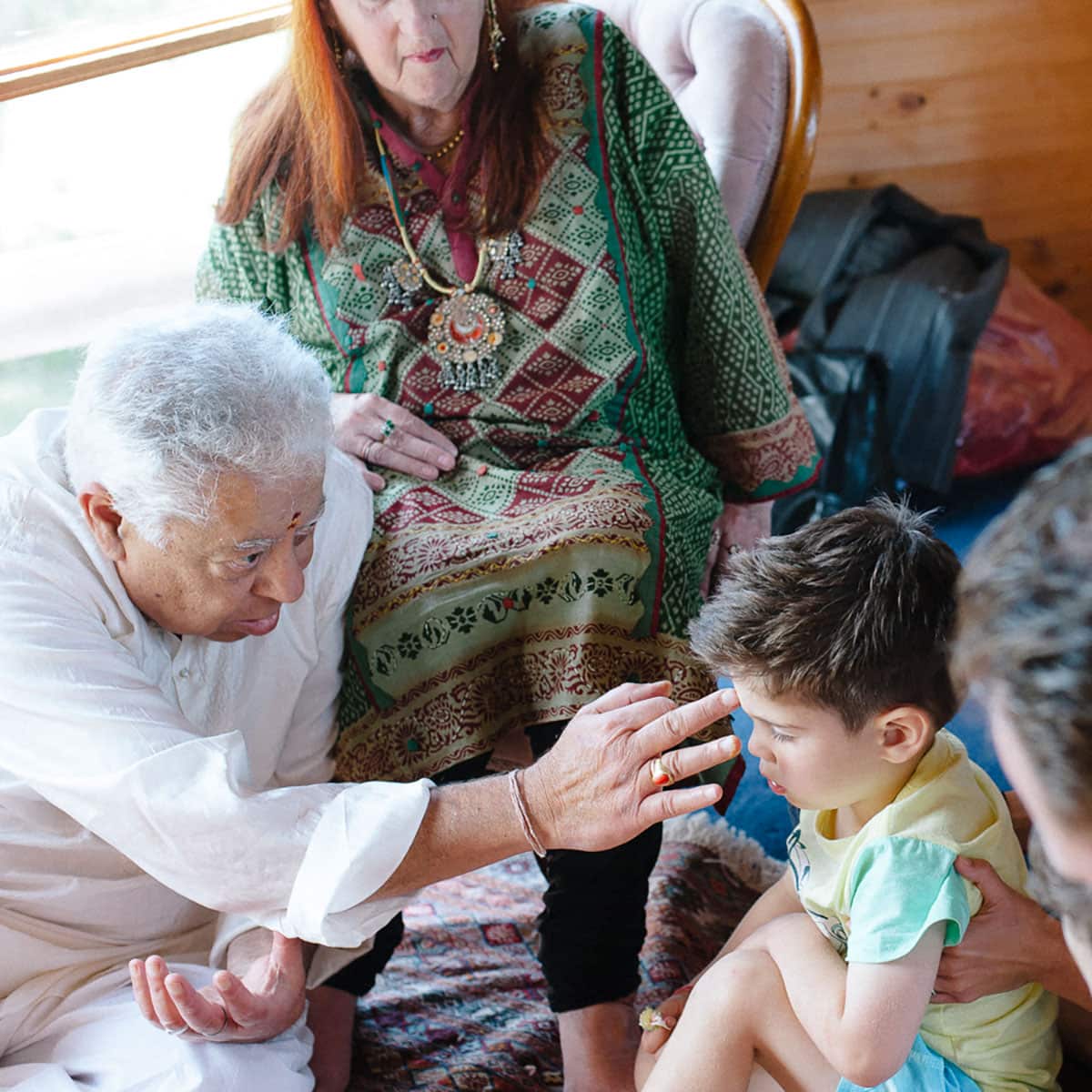
I was overridden. Not by my sister-in-law, but by my husband. He quite rightly pointed out that, being well informed as to what Devi Puja meant, the choice as to whether or not to feed of the forbidden food should belong to our sons. Aged six and nine, they choose cake. But they also chose to spend the rest of the next eight days adhering to the fast.
Moving between acceptance and rejection of culinary faith traditions openly is a necessary part of working out how far we are willing to moderate behaviour for the sake of belief.
I’m proud to watch them begin their independent spiritual journeys. I’m also saddened at the prospect that they might very well choose to leave Hinduism behind.
And yet to preach fundamentalism is no replacement for a thoughtful faith. I hope they find theirs as I have found mine.

SBS Food is a 24/7 foodie channel for all Australians, with a focus on simple, authentic and everyday food inspiration from cultures everywhere. NSW stream only. Read more about SBS Food

Have a story or comment? Contact Us