
Ramadan, the ninth month of the Islamic lunar calendar, is considered the holiest month for Muslims worldwide. Fasting (sawm), one of the Five Pillars of Islam, is intended to cultivate self-discipline, empathy for the less fortunate, and a deeper sense of spirituality. Eid al-Fitr, the festival marking the end of Ramadan, is a time of joy, gratitude and feasting. It is a celebration of the spiritual growth achieved during the month of fasting and a time to come together with loved ones.
Savoury dishes
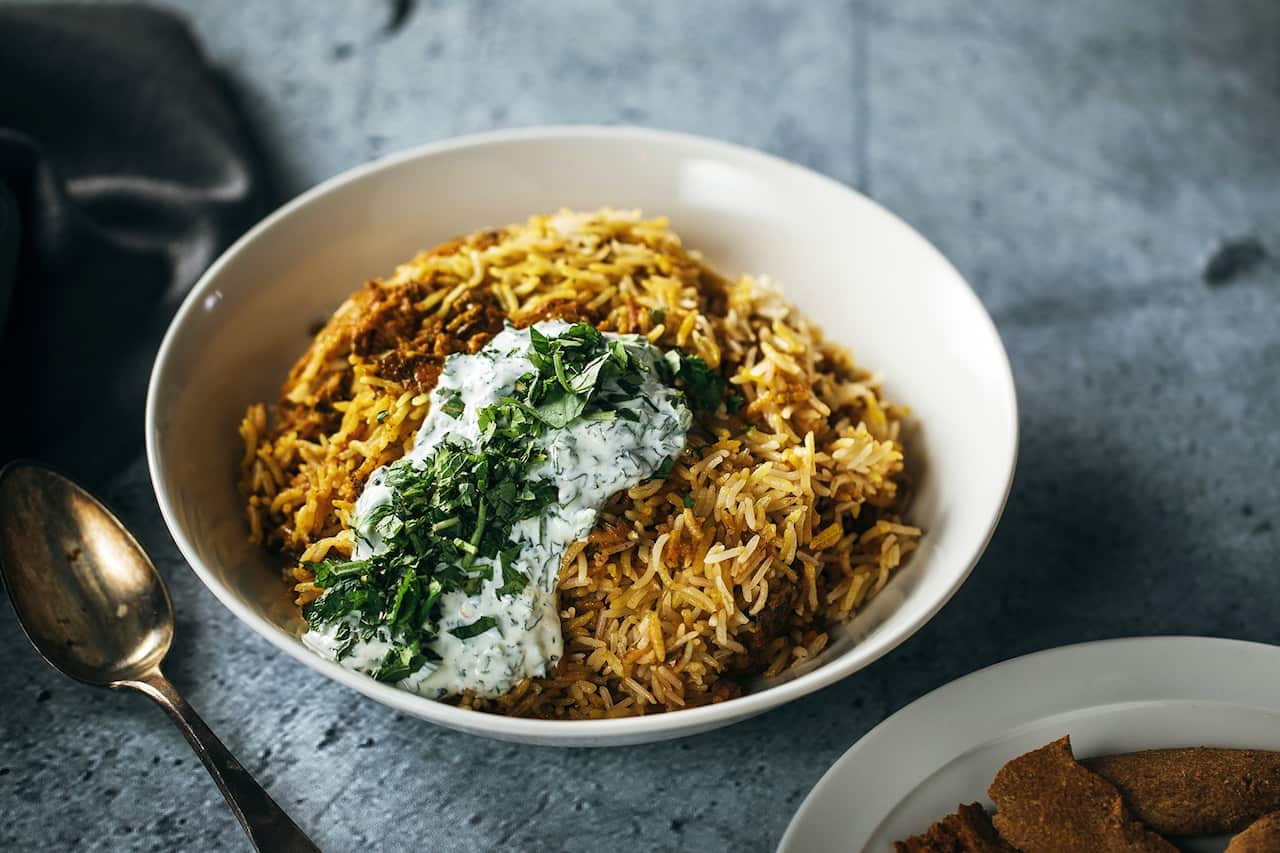
Kachche gosht ki biryani
Though it can be enjoyed year-round, biryani – an aromatic rice dish layered with marinated meat or vegetables – is especially popular during Eid al-Fitr in India, Pakistan, Bangladesh and beyond. It’s often the centerpiece of the feast, served with raita or a tangy chutney. This regional variation is an aromatic Hyderabadi biryani, with diced goat marinated in spiced yoghurt, then cooked with basmati rice and fresh herbs.
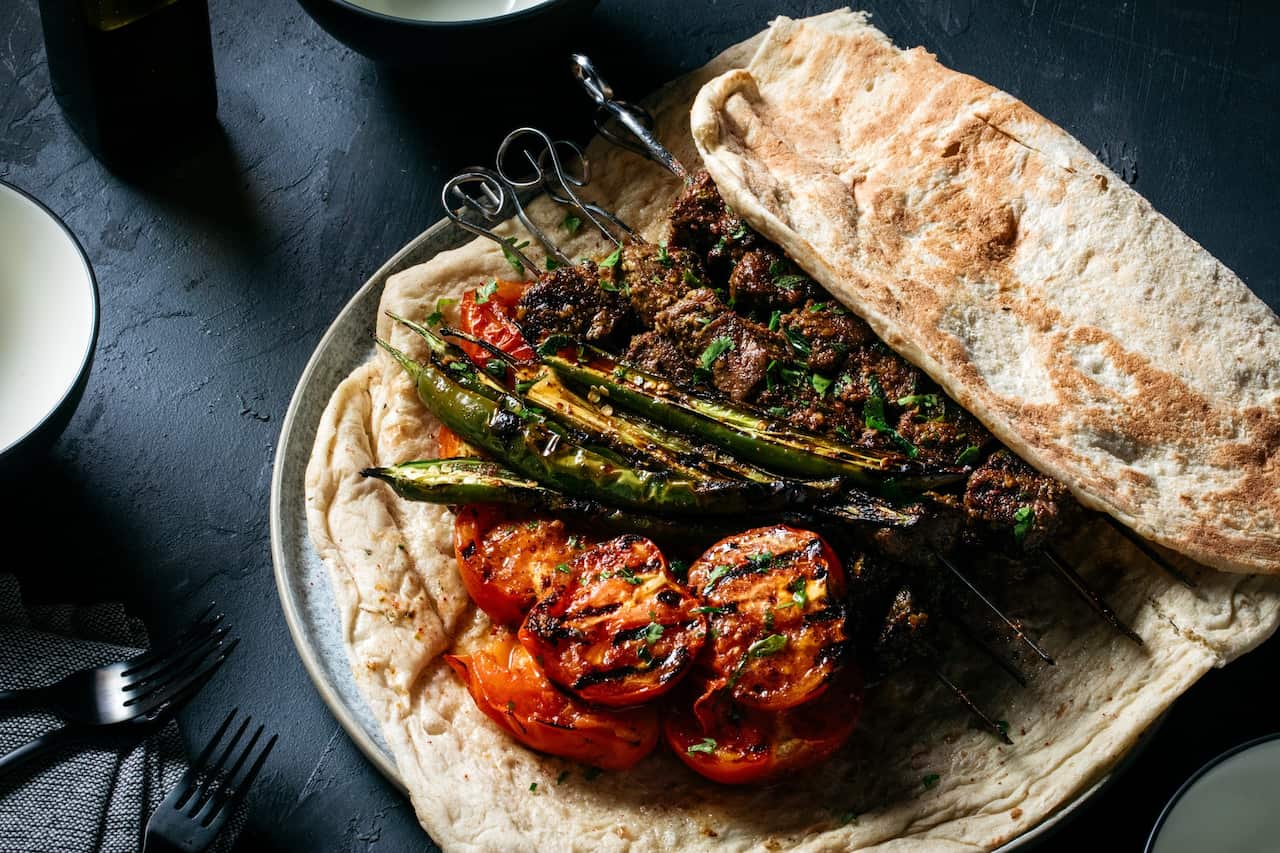
Sweet and sour kebab (kabab torsh)
Whether it’s shish kebab, seekh kebab or torsh, kebabs are a popular choice thanks to their flavourful and succulent taste. Kabab torsh are lovingly moulded around skewers, grilled to perfection and served with rice, flatbread and salads. The tangy marinade, made with pomegranate molasses and walnuts, adds a unique depth of flavour.
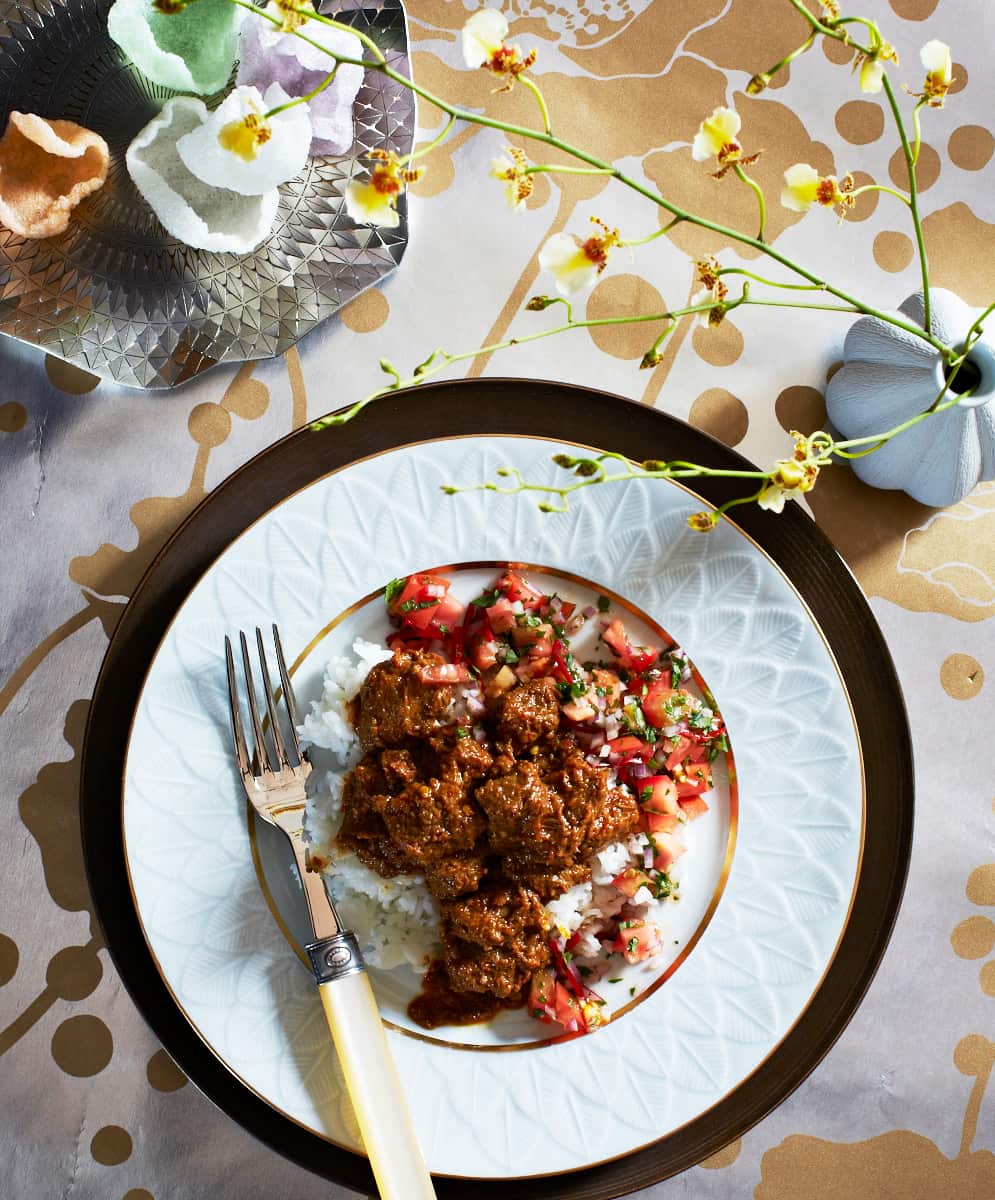
Beef rendang (rendang daging)
A rich, spicy beef curry simmered in coconut milk and a medley of spices for hours. This is labour of love, and the dish's rich, caramelised flavours make it a celebratory dish, representing patience and dedication.
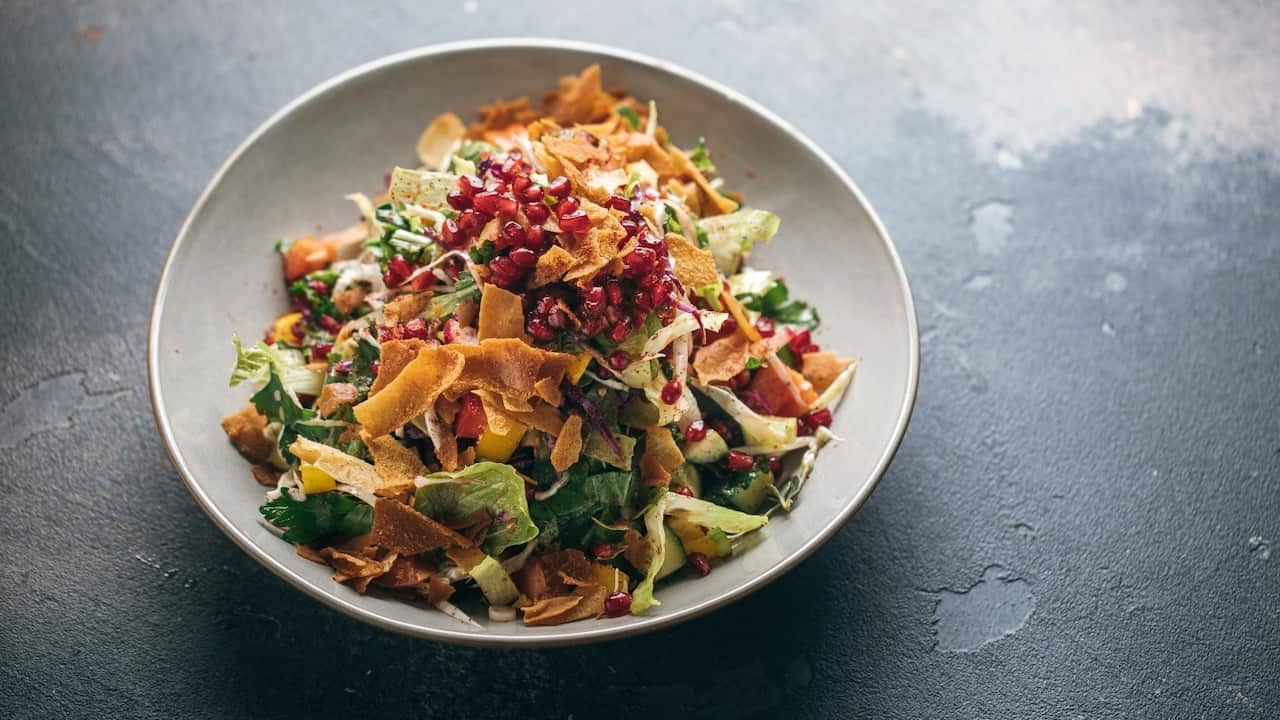
Fattoush
A tangy Levantine salad of crisp pita, fresh greens, and sumac dressing. Light and refreshing, fattoush balances richer Eid dishes, showcasing the region’s tradition of combining diverse and bright flavours for celebratory communal dining.
Lamb manti (kuzu manti)
These delicate dumplings of spiced lamb are topped with tangy yogurt and garlic sauce. Manti is a beloved Eid dish in Turkey and parts of Central Asia, celebrating detailed handiwork and festive sharing.
%20recipe%20image.jpg?imwidth=1280)
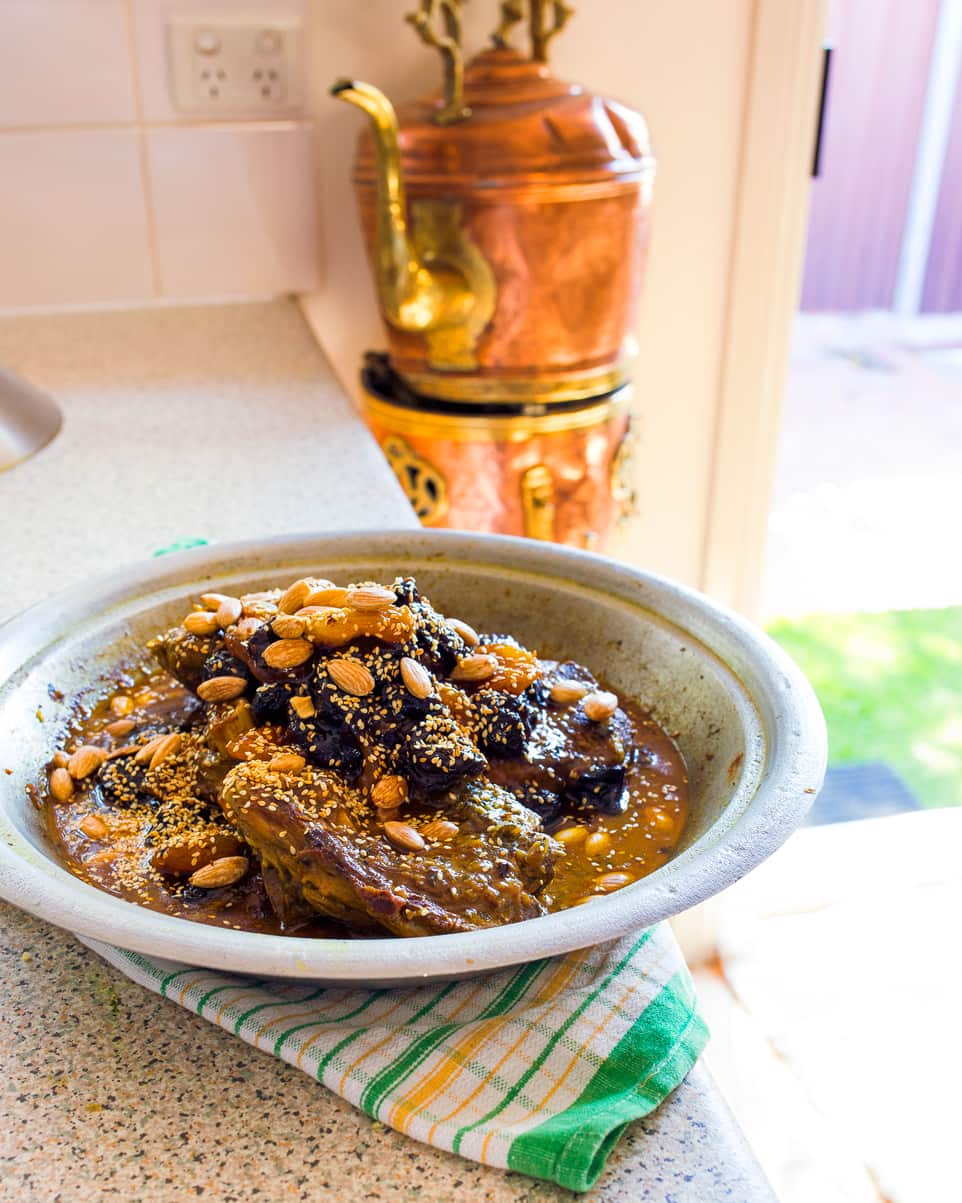
Lamb tagine with stewed apricots and prunes (mrouzia)
This sweet-savoury wonder combines tender lamb with honey, dried fruits and aromatic spices cooked slowly. The contrasting flavours could represent life's diverse experiences, and the long preparation embodies the warmth of family gatherings.
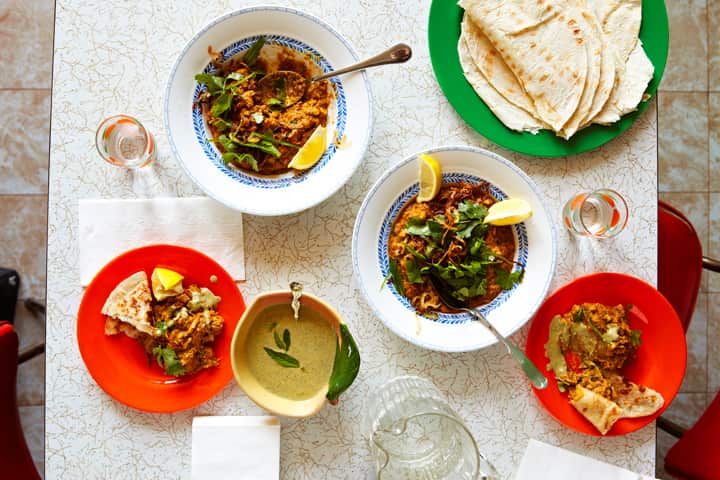
Slow-cooked lamb and lentil stew (haleem)
A nourishing porridge of wheat, lentils, and meat simmered until velvety. Popular during Eid in South Asia and the Middle East, haleem’s long cooking time fosters patience and togetherness.
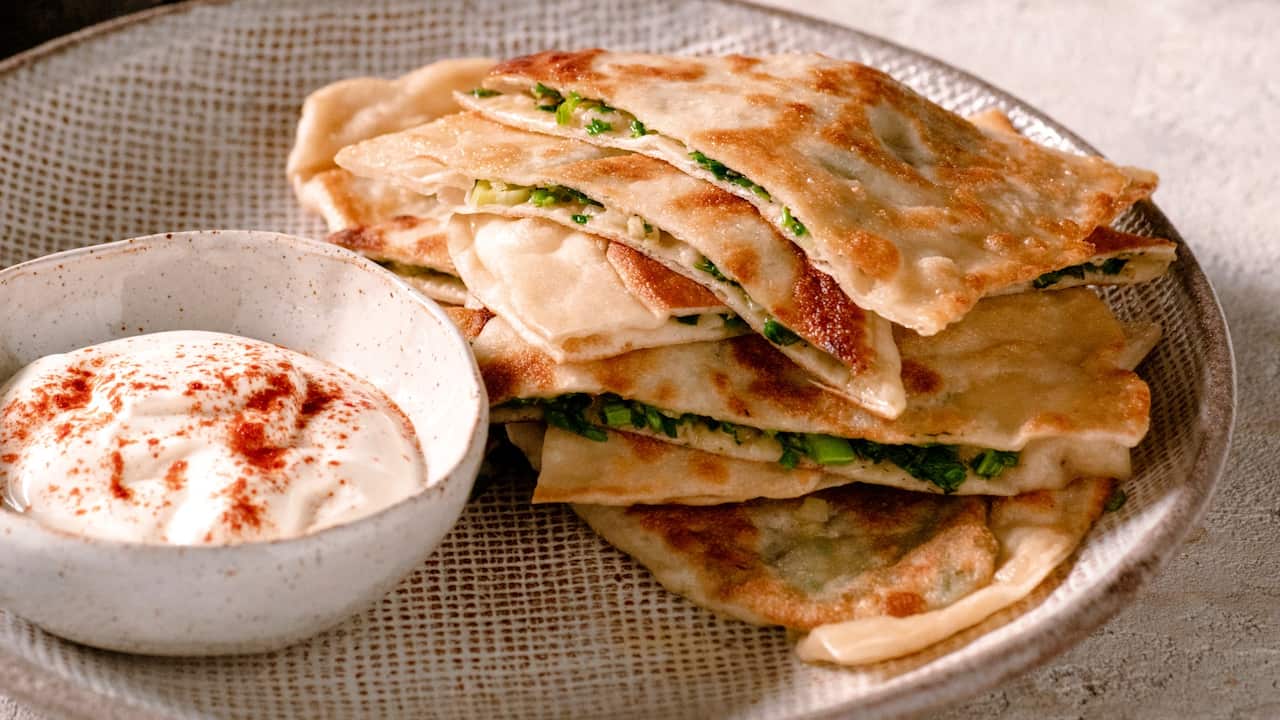
Bolani filled with garden vegetables
Afghan stuffed flatbreads packed with spiced potatoes, lentils, or greens. Crispy and savory, bolani adds variety to Eid tables and complements the many sweets often served during celebrations.
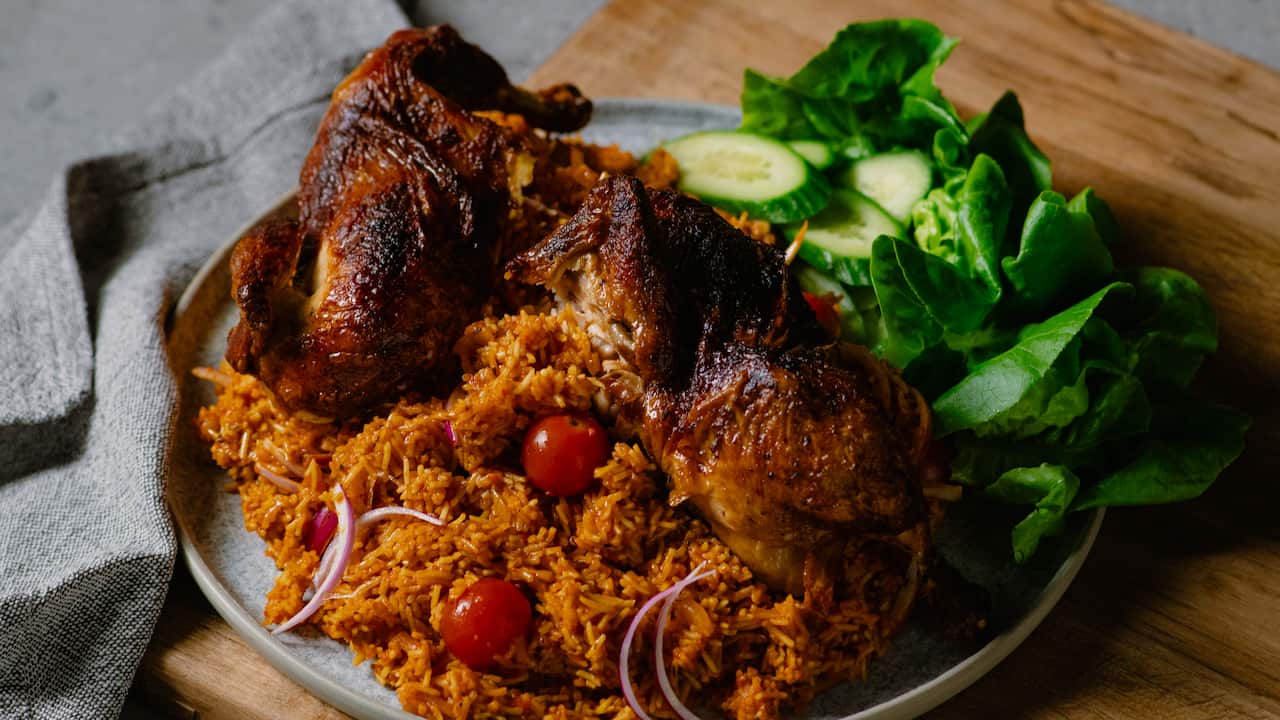
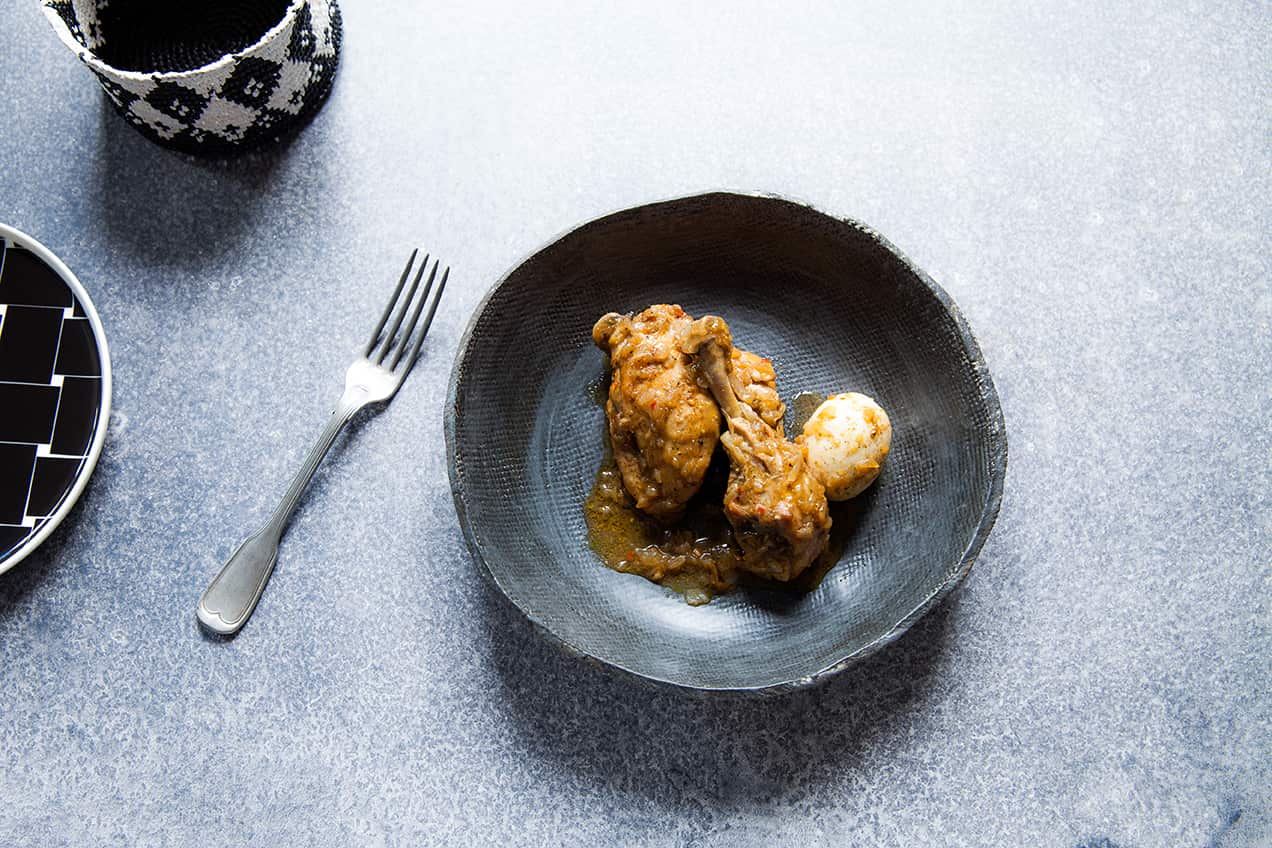
Jollof rice with roast chicken
While popular year-round, specially prepared versions with more elaborate ingredients mark Eid celebrations throughout West Africa. This vibrant one-pot rice dish gets its distinctive orange-red color from tomatoes and peppers, creating a feast for both eyes and palate. During Eid celebrations across Nigeria, Ghana, and Senegal, families prepare their prized versions, often sparking friendly debates about whose jollof reigns supreme.
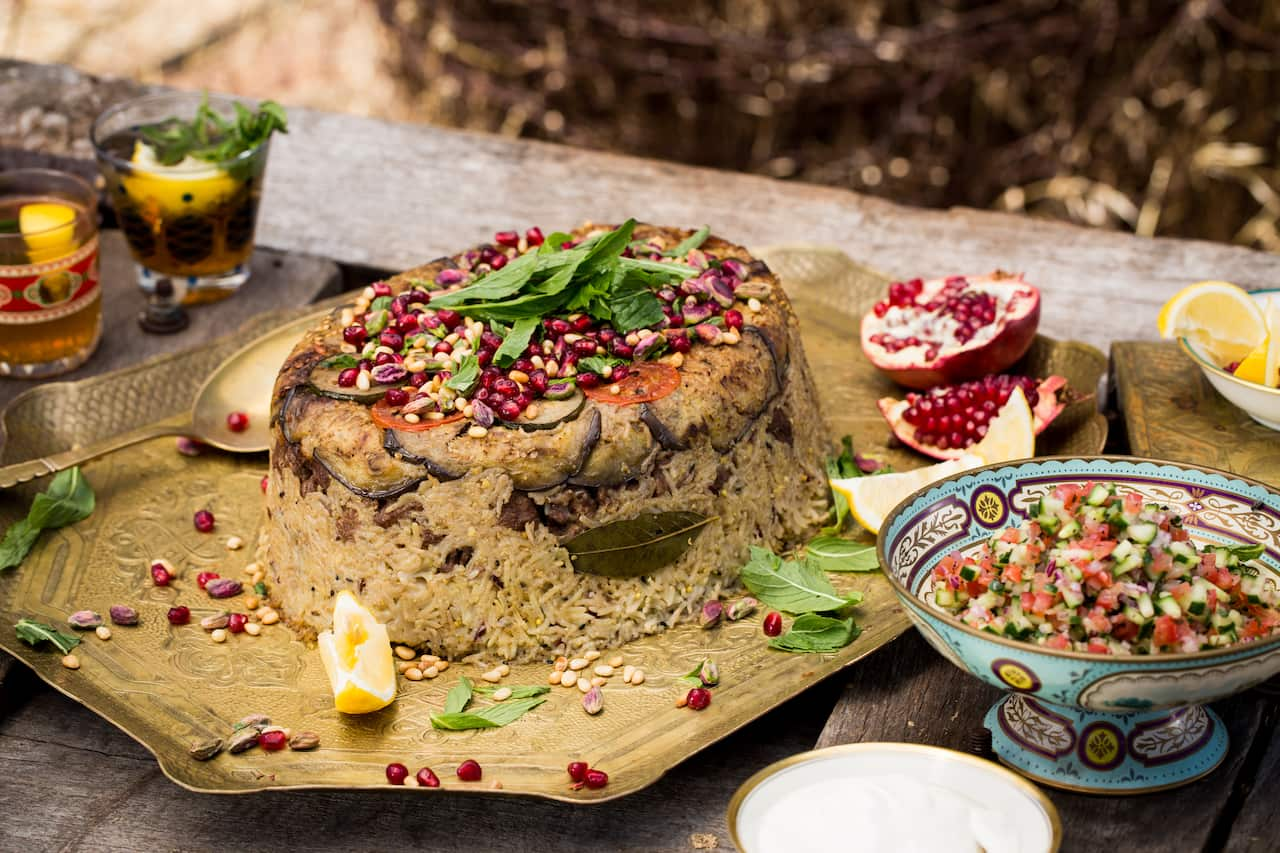
Ancient grain maqlouba
A layered rice dish with meat and vegetables, maqlouba is flipped upside down before serving, symbolising abundance and the sharing of a bountiful meal. Its decorative presentation makes it a festive Eid centerpiece.
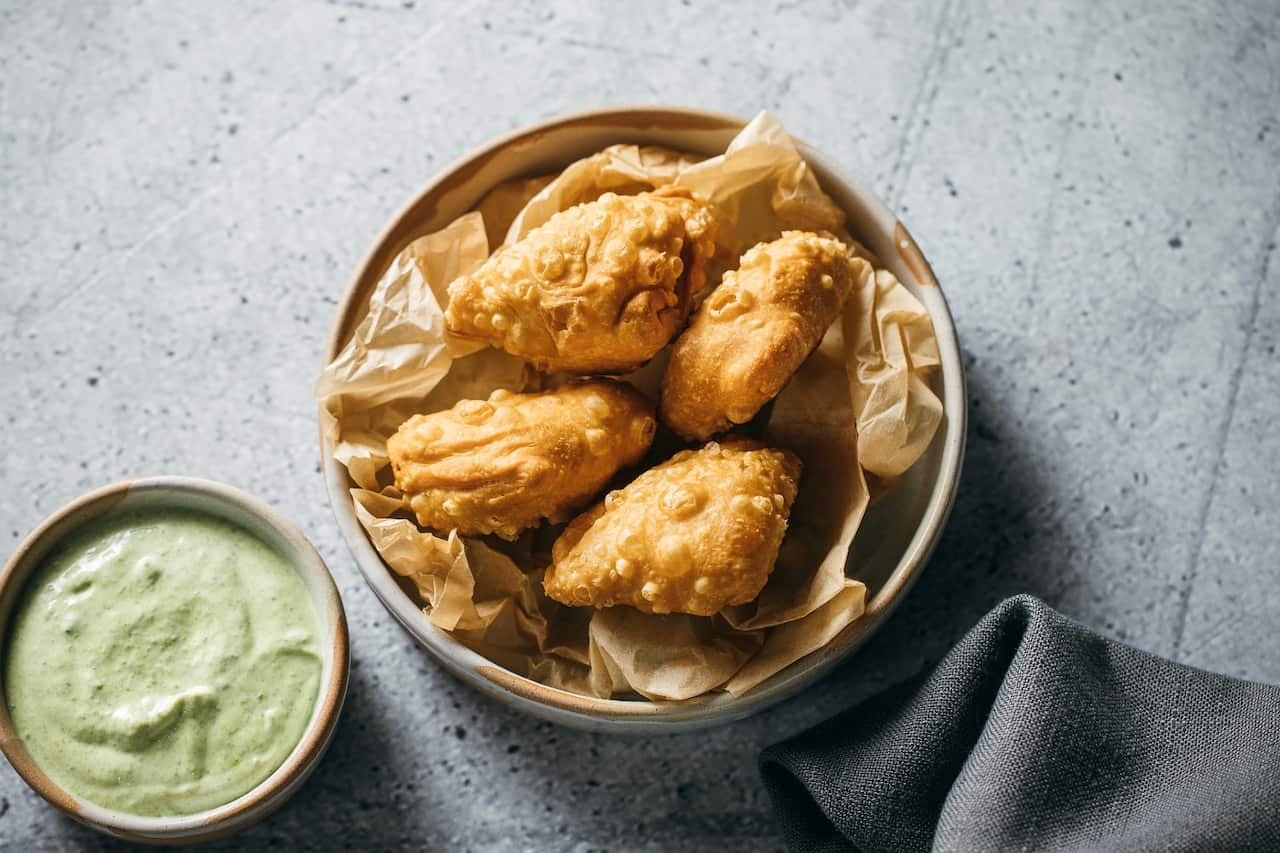
Samosas
Crisp, golden parcels stuffed with an assortment of fillings, meat or vegetables, samosas enliven Eid gatherings from South Asia to the Middle East and Africa. Their easily snackable form and enchanting fillings makes them ideal for hospitality and sharing at an Eid banquet.
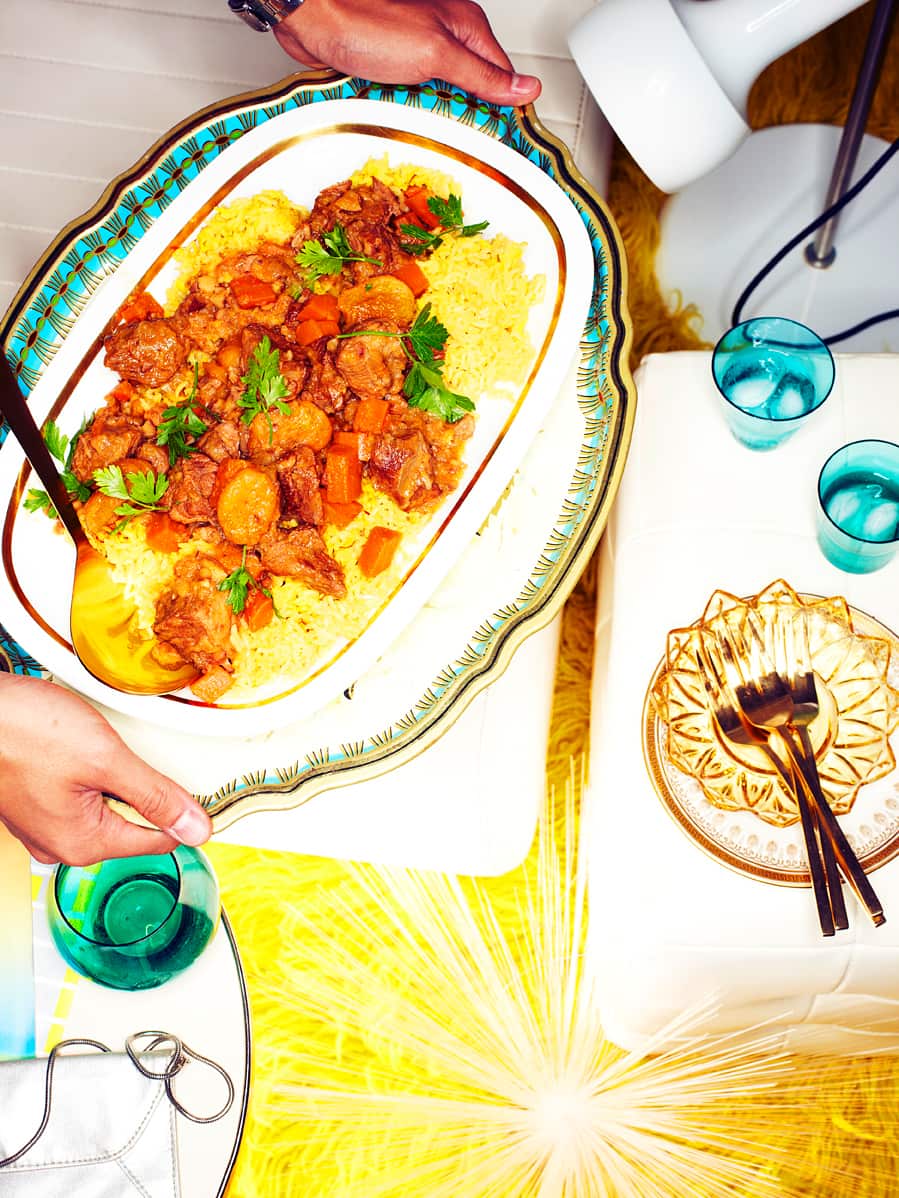
Lamb pilaf (plov)
This festive rice dish with carrots, onions and meat (usually lamb) is central to Eid celebrations across Central Asian countries. Traditionally cooked in large cauldrons, it symbolises abundance and communal sharing.
Ethiopian red chicken stew (doro wat)
A spicy chicken stew simmered with berbere spice and typically served with injera (sourdough flatbread), doro wat is a festive Eid dish. Its bold flavours and communal serving style reflect the spirit of togetherness.
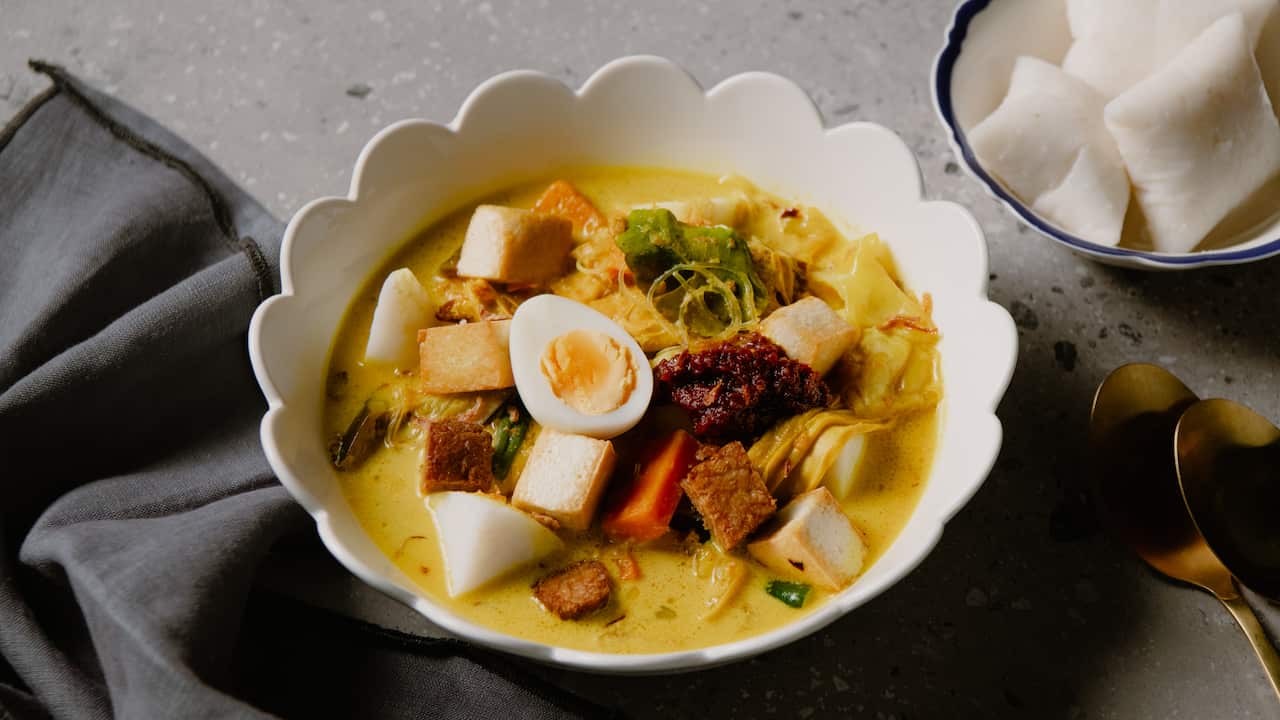
Sayur lemak lodeh
A fragrant vegetable curry cooked in coconut milk and spices, sayur lemak lodeh is a staple during Eid in Indonesia and Malaysia. Its creamy texture and rich flavours symbolise abundance and are often served with ketupat (rice cakes).
Sweet treats
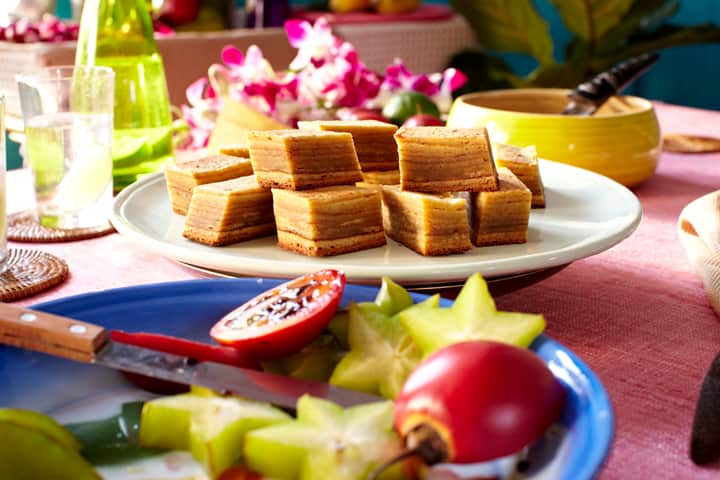
Thousand-layer cake (lapis legit)
A rich, buttery cake with countless layers, lapis legit is a symbol of abundance and blessings during Eid. Its intricate preparation and decadent flavour make it a cherished treat.
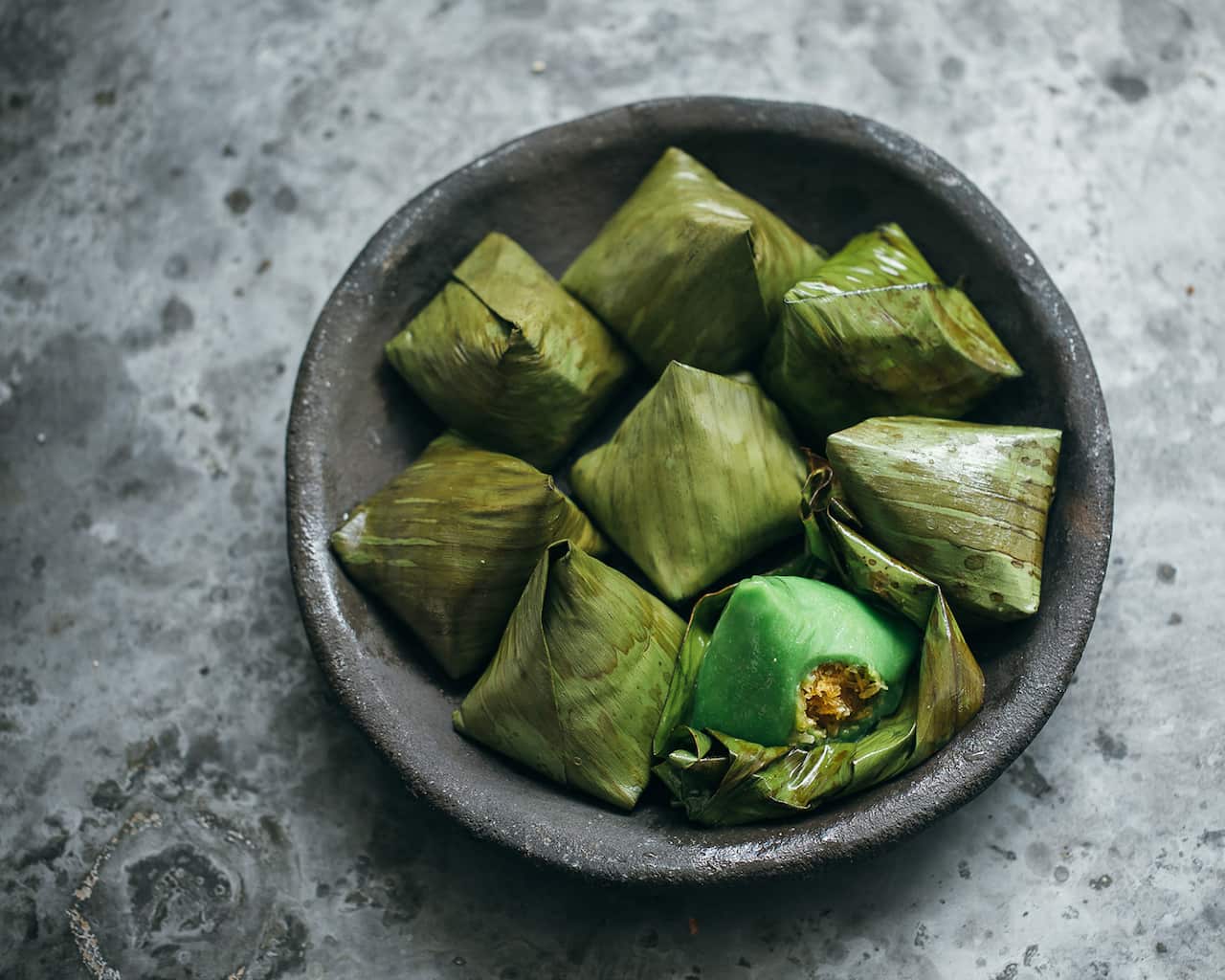
Kueh koci
A Southeast Asian sweet dumpling made from glutinous rice flour, typically filled with coconut or palm sugar. Shared during Eid, it exemplifies hospitality and the delight of bite-sized indulgences.
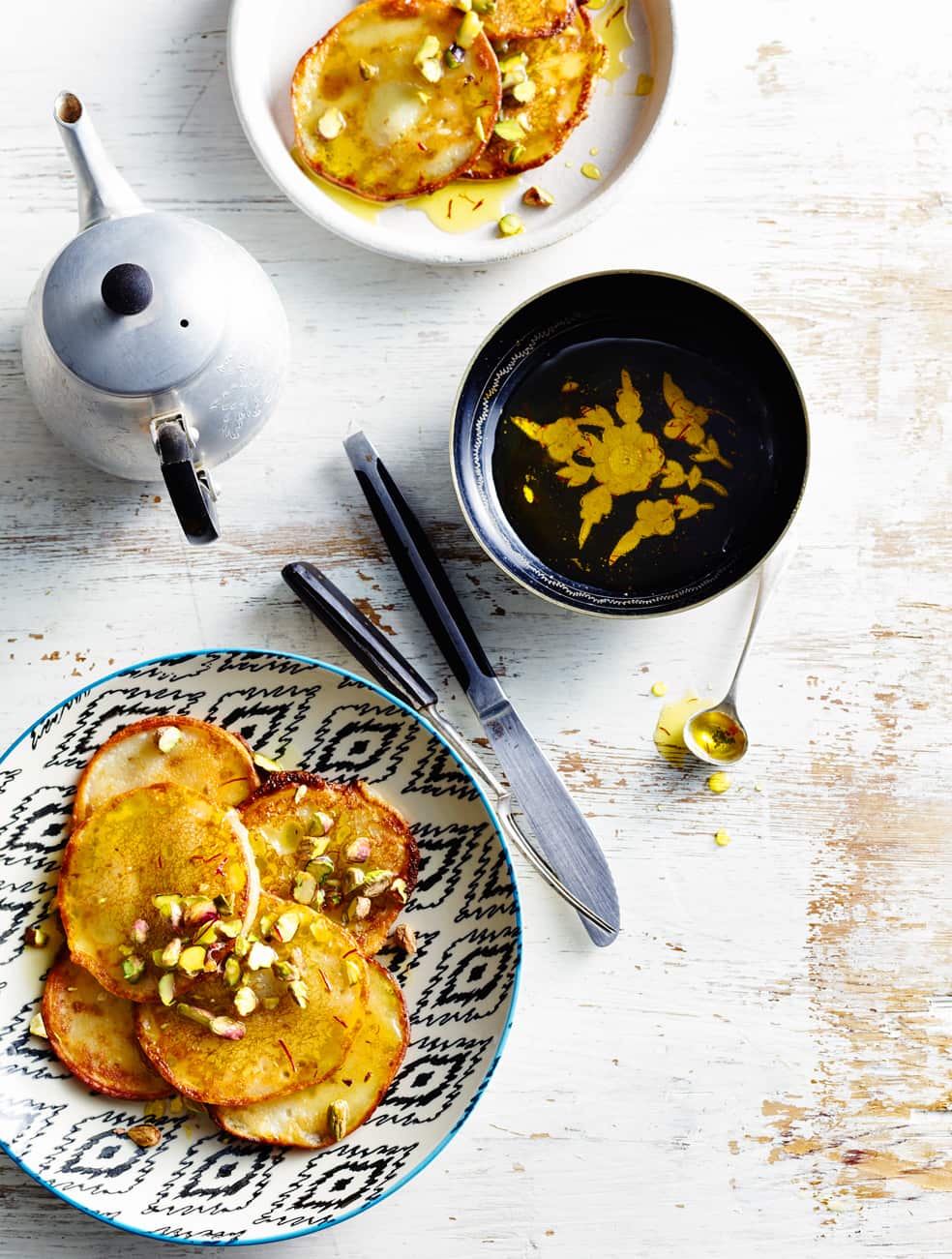
Malpua (pancakes with saffron syrup)
These deep-fried pancakes soaked in saffron-infused sugar syrup are is a decadent Eid dessert. Often garnished with nuts, it represents indulgence and celebration.
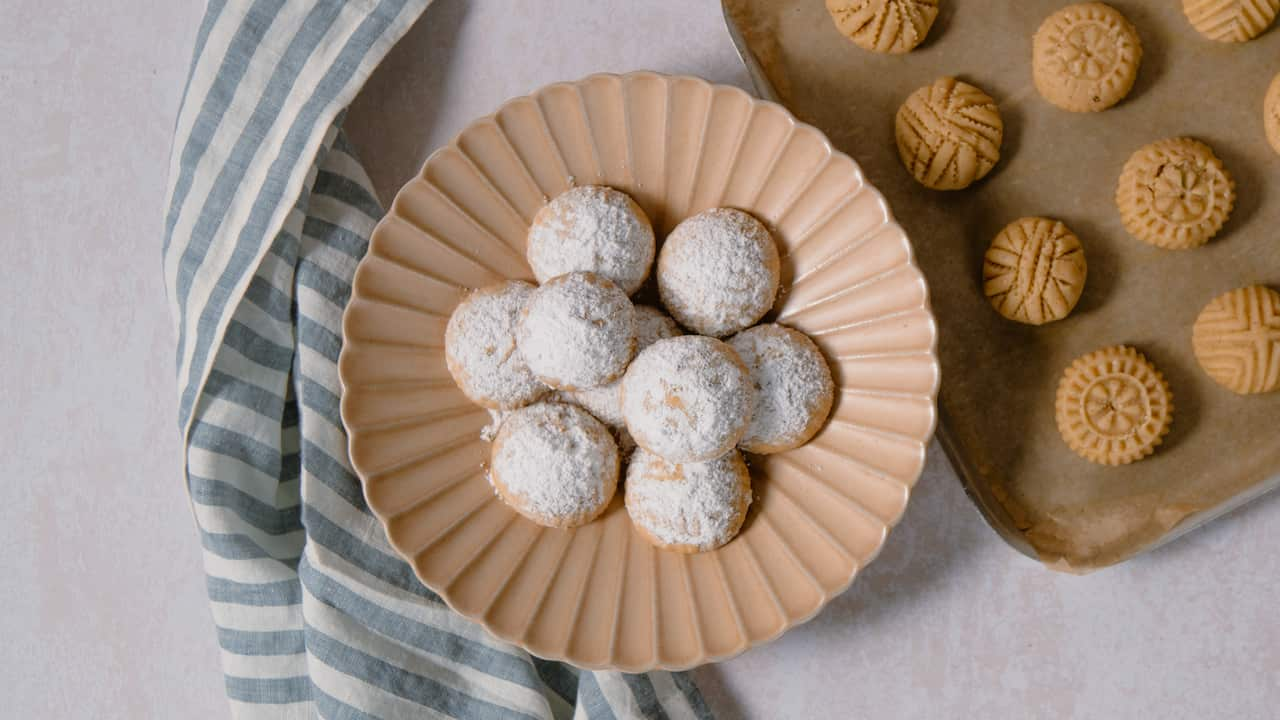
Kahk el-Eid (Egyptian spiced biscuits)
Ornate cookies filled with dates or nuts and dusted with powdered sugar, kahk el-Eid are Egypt’s quintessential Eid treat. Their decorative patterns and rich fillings make them a symbol of family and tradition.
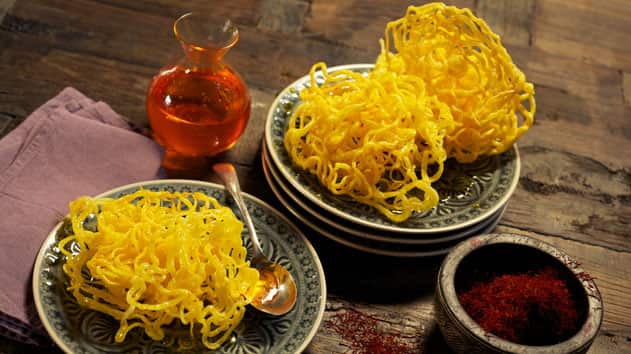
Saffron zoolbia (deep-fried pastry with saffron sugar syrup)
Saffron zoolbia (or zlabia) are crisp spirals of dough soaked in saffron-infused syrup. A Ramadan and Eid favorite in North Africa.
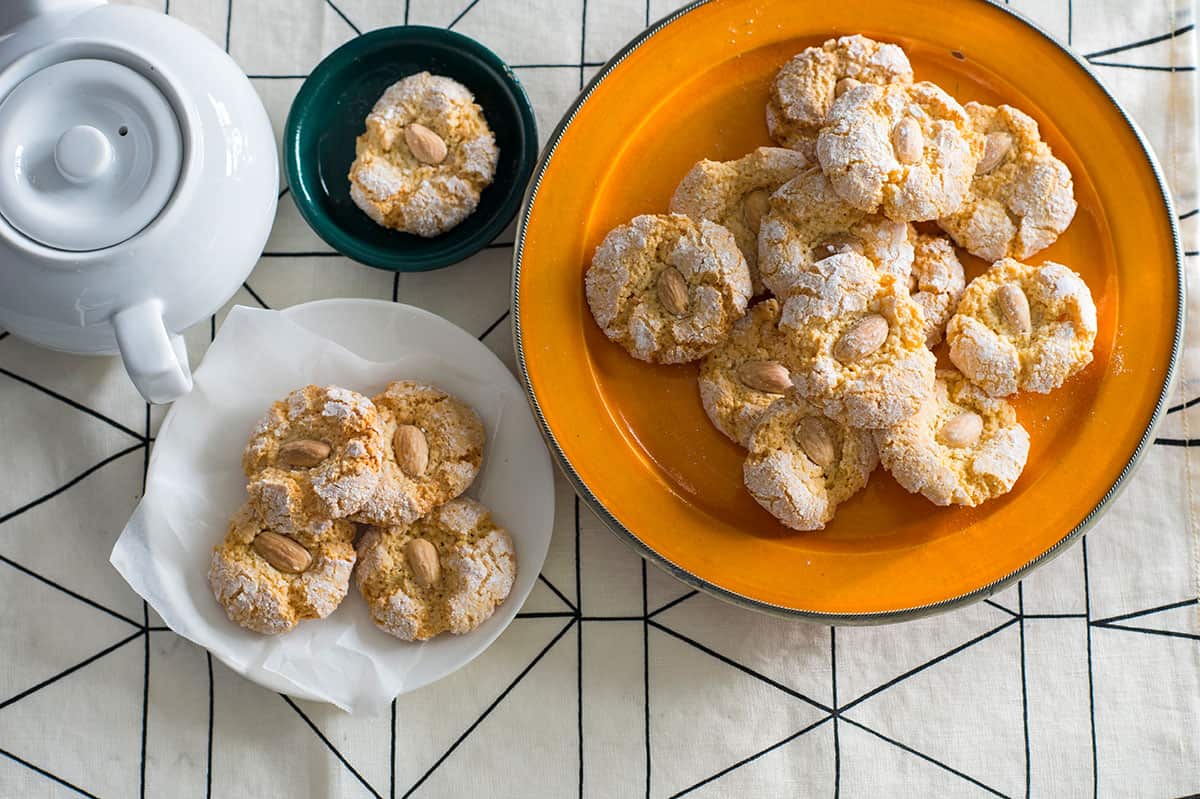
Almond ghoribas
Soft, crumbly almond cookies with a crackled top. Ghoribas grace Eid tables in North Africa, highlighting the region’s penchant for nut-based delicacies.

SBS Food is a 24/7 foodie channel for all Australians, with a focus on simple, authentic and everyday food inspiration from cultures everywhere. NSW stream only. Read more about SBS Food

Have a story or comment? Contact Us