The food of India is as diverse as the country itself. The world's largest democracy is home to over 1.3 billion people who represent over 700 tribal groups and speak over 100 languages.
Such multiplicity means there is actually no uniform agreed "Indian cuisine", but rather regionally-specific food that's as varied as the people who cook it. While much of the country cooks sauce-laden dishes which we think of as "curry", the types and combination of spices, the amount of liquid used, the ingredients chosen and even the cooking style reveals regional preferences.
Northern tandoor
Generally, Australians are most familiar with the north Indian style of cooking, as it's the most prevalent found in Indian restaurants. It uses more dairy (milk, paneer, ghee and yoghurt) than other styles of Indian cooking. Classic dishes like dahl, korma and cooking with paneer are all from the north. The tandoor oven is another characteristic of northern cooking — think tandoori chicken or fish and naan.
Western three
West Indian dishes are heavily influenced by its three main regions: Maharashtra, Gujarat, and Goa. Coconut and seafood recipes dominate coastal Maharashtra's cuisine; Gujarati cooking is mostly vegetarian due to its large Hindu population; Goan food is heavily influenced by its Portuguese trading history — vinegar, cashews, pineapple, potatoes and tomatoes are just some of the ingredients that feature in Goan cuisines that were introduced by the Portuguese.
Eastern light
Dishes from east India tend to be lighter than those of other regions. Spices are minimised and dishes are mainly flavoured using mustard and poppy seeds and mustard oil, giving dishes a unique earthiness. East India is also known for its sweet tooth — many of India's renowned sweets like sandesh and kheer come from here.
Southern dry
Finally, south Indian cuisine is unique again in its preference for both drier curries and soupier, stew-like dishes called sambar. Masala dosa is a typical south Indian dish, featuring a stuffed soft pancake that is dipped in a spicy sambar. The cooking in these regions leans into coconut, lemon, curry leaves, peppercorns and the distinctive tang of tamarind.
Indian cooking tour
Spice is key for authentic Indian cooking, no matter the region. There is also a growing modern Indian food movement that is mixing regions and riffing on food from all over the globe.
Which such a wide variety of dishes to get stuck into, it's definitely time to make a date with your mortar and pestle to grind your way around this remarkable cuisine.
Besan start

Start with a breakfast dish that may or may not have orginated in the Punjab region (northwestern India), but is now eaten in most parts of India. Besen ka puda is a veggie-packed, spicy pancake made with chickpea flour that's refreshingly low-effort to make in the mornings.
Uttapam-cake
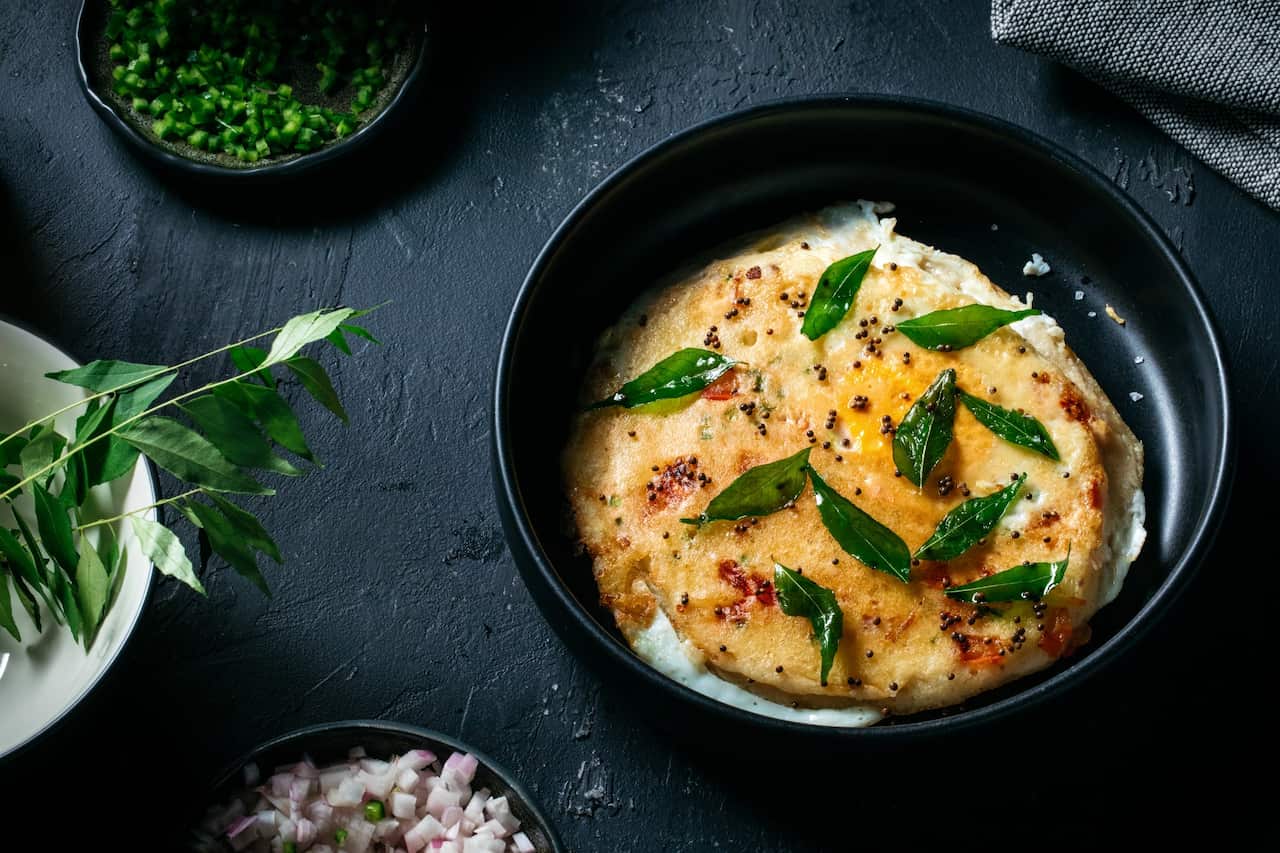
Uttapam, a Tamil Nadu recipe (south India) made from a fermented batter that's cooked until it's crunchy outside but still soft inside. Uttapam is then topped with savoury ingredients like onions, shallots, tomatoes, capsicum, carrots, coriander and ginger.
Muttai mornings
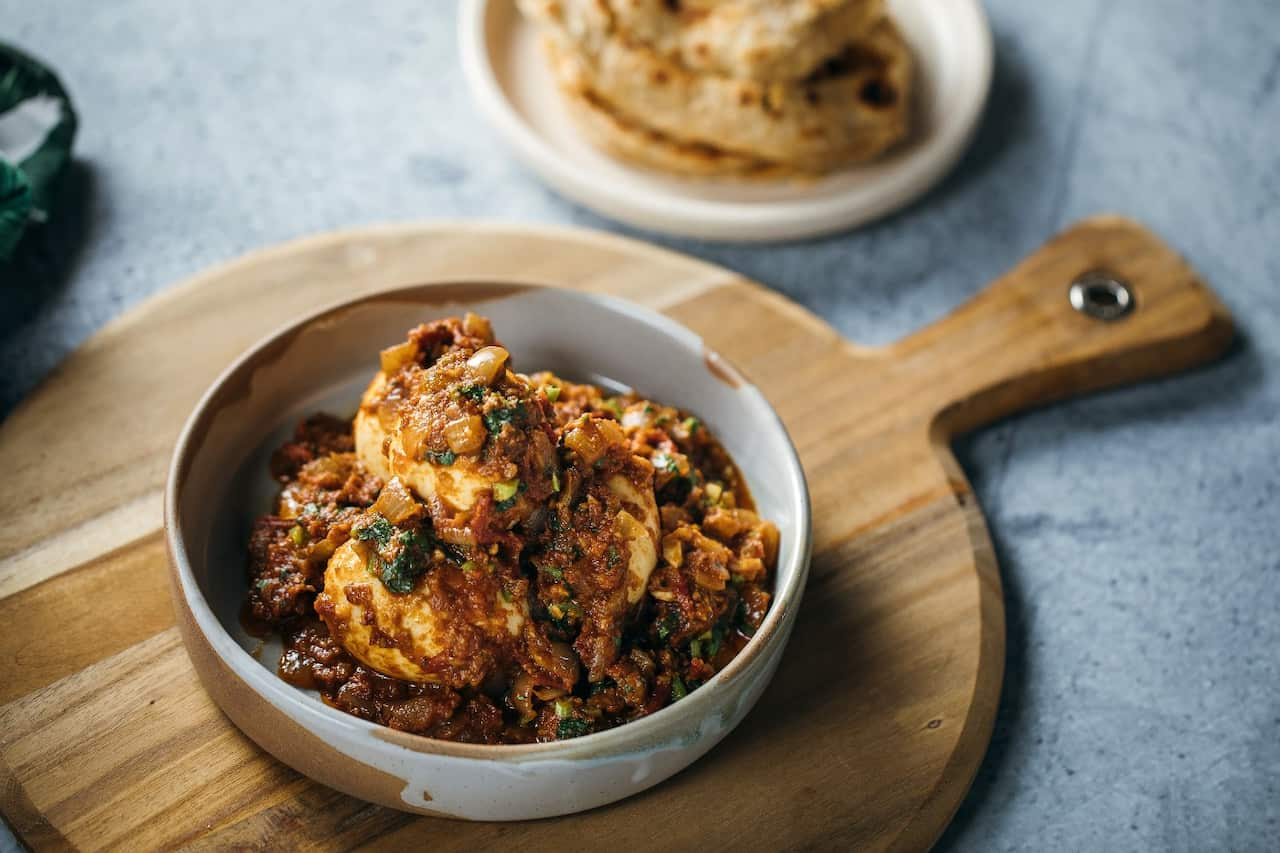
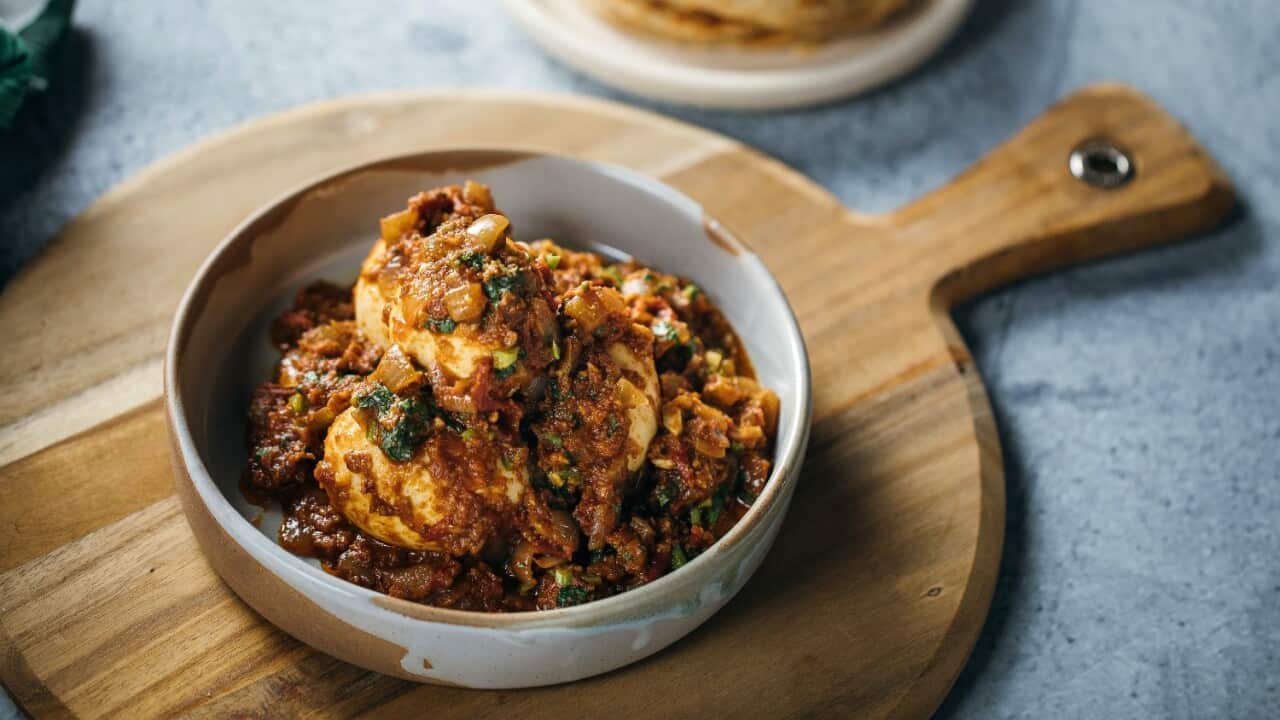
Muttai kozhambu (south India) will start your day off right, especially when served with plenty of paratha for mopping up the rich sauce. It's a traditional Tamil 'egg drop' recipe that's simple and inexpensive to prepare, so it's made often and eaten any time of day.
Stop for chaat
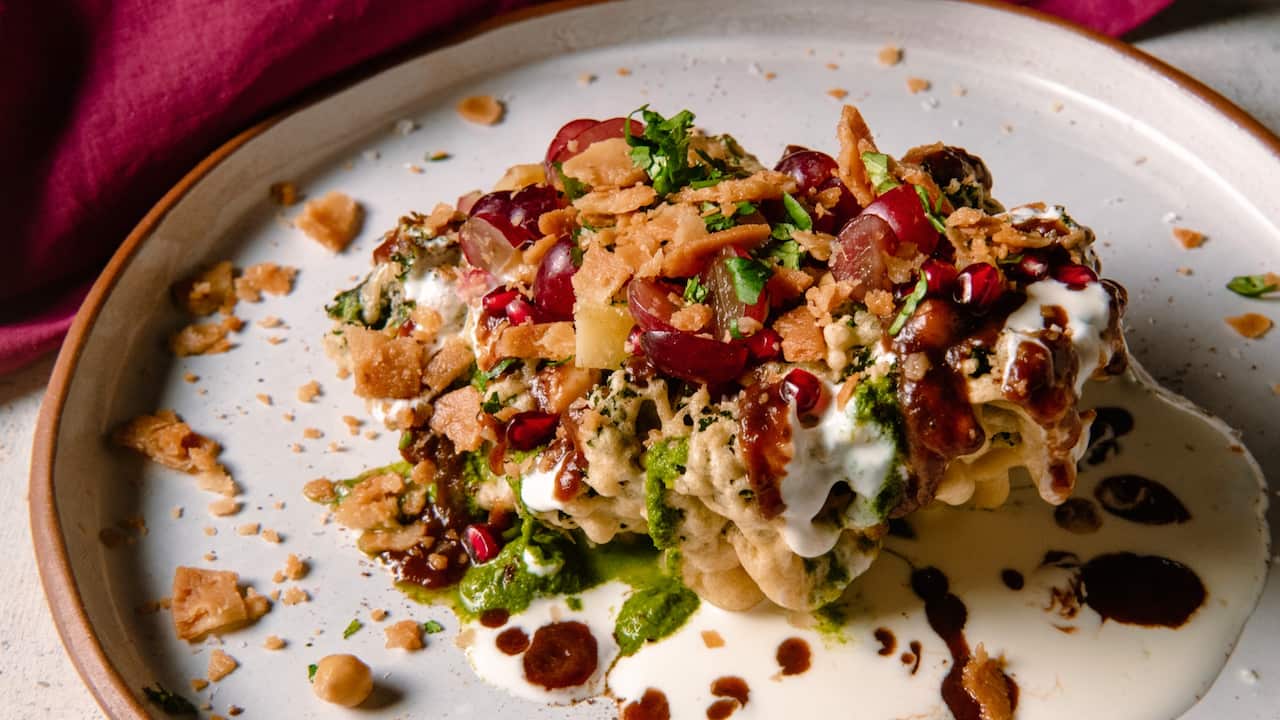
Patta chat (north India) is a street-food snack that's most often made with spinach leaves. This kale version ups both the vitamin C and the satisfying, crunchy texture.
Whole chole
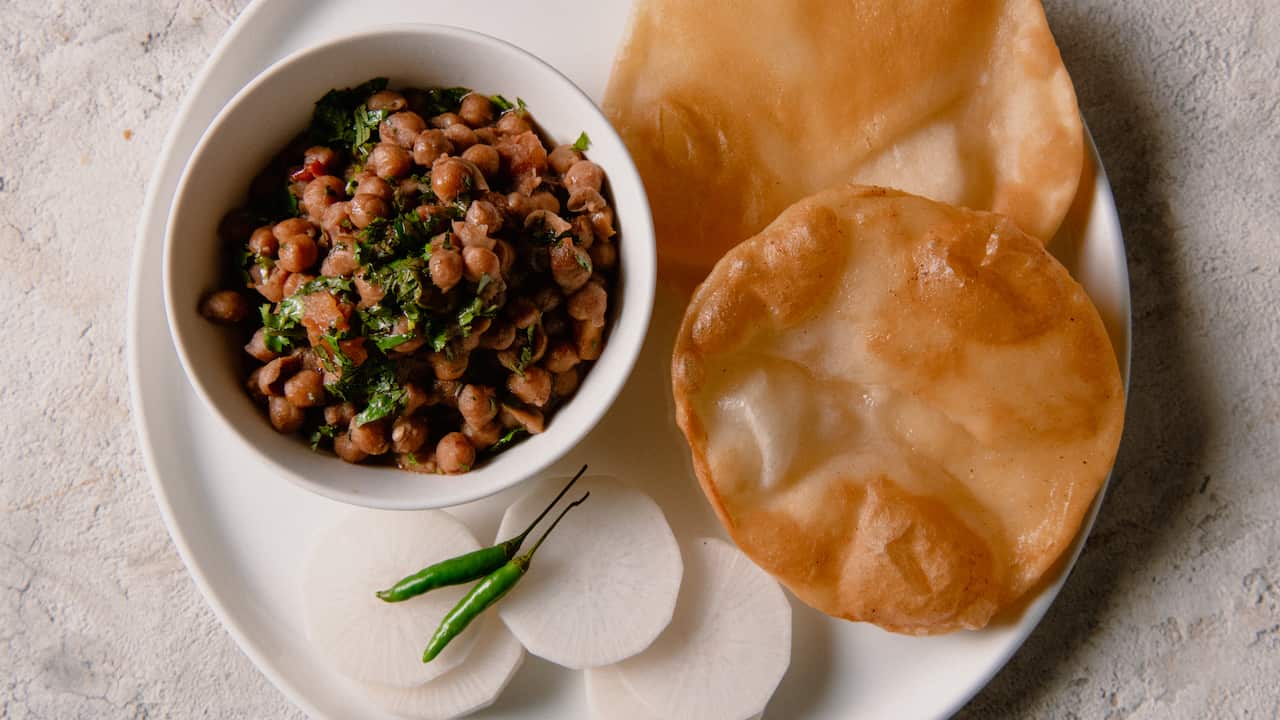
Spicy chole bhature is another dish that originated in the Punjab (north India) that's now enjoyed throughout the country. It's often eaten for breakfast in Dehli, served out of huge vats by street vendors who will also offer an accompanying lassi to cool your screaming jets.
Kuri on
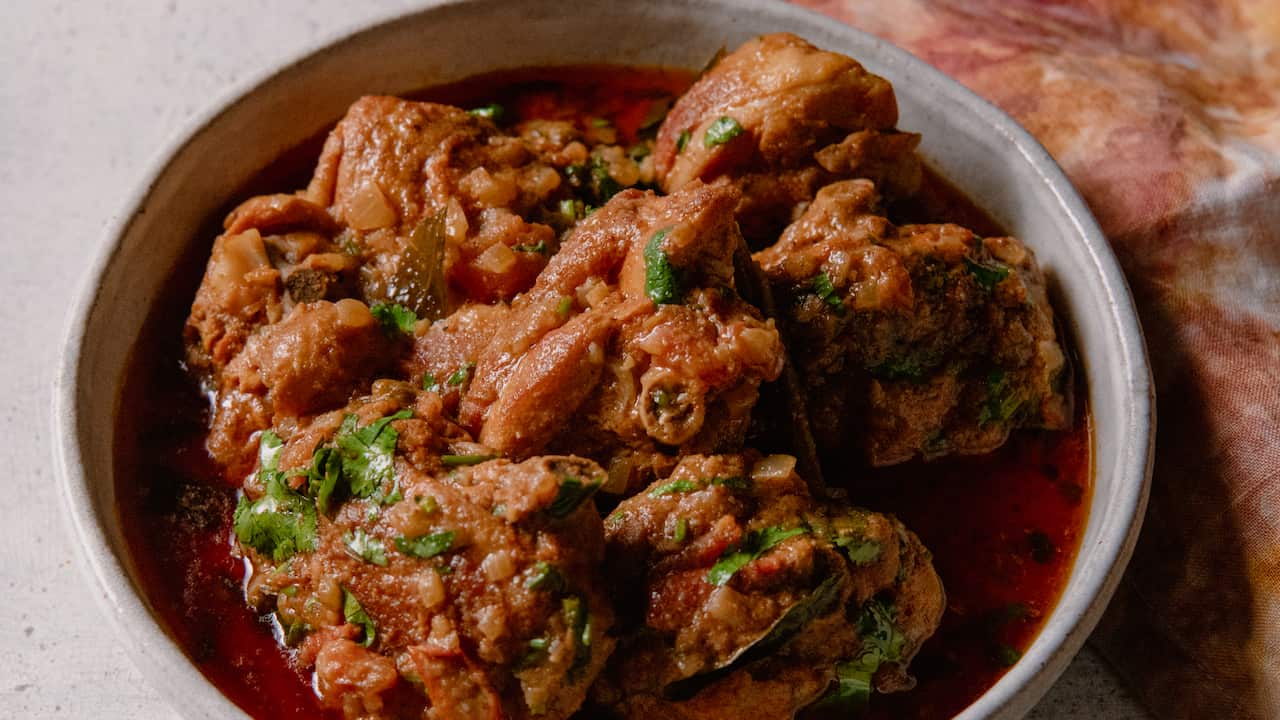
This flavoursome south Indian chicken curry is from Andra Pradesh. It's an area famed for its spices, so be sure to grind your own mix here. Pre-ground just won't be the same.
Sooley all day
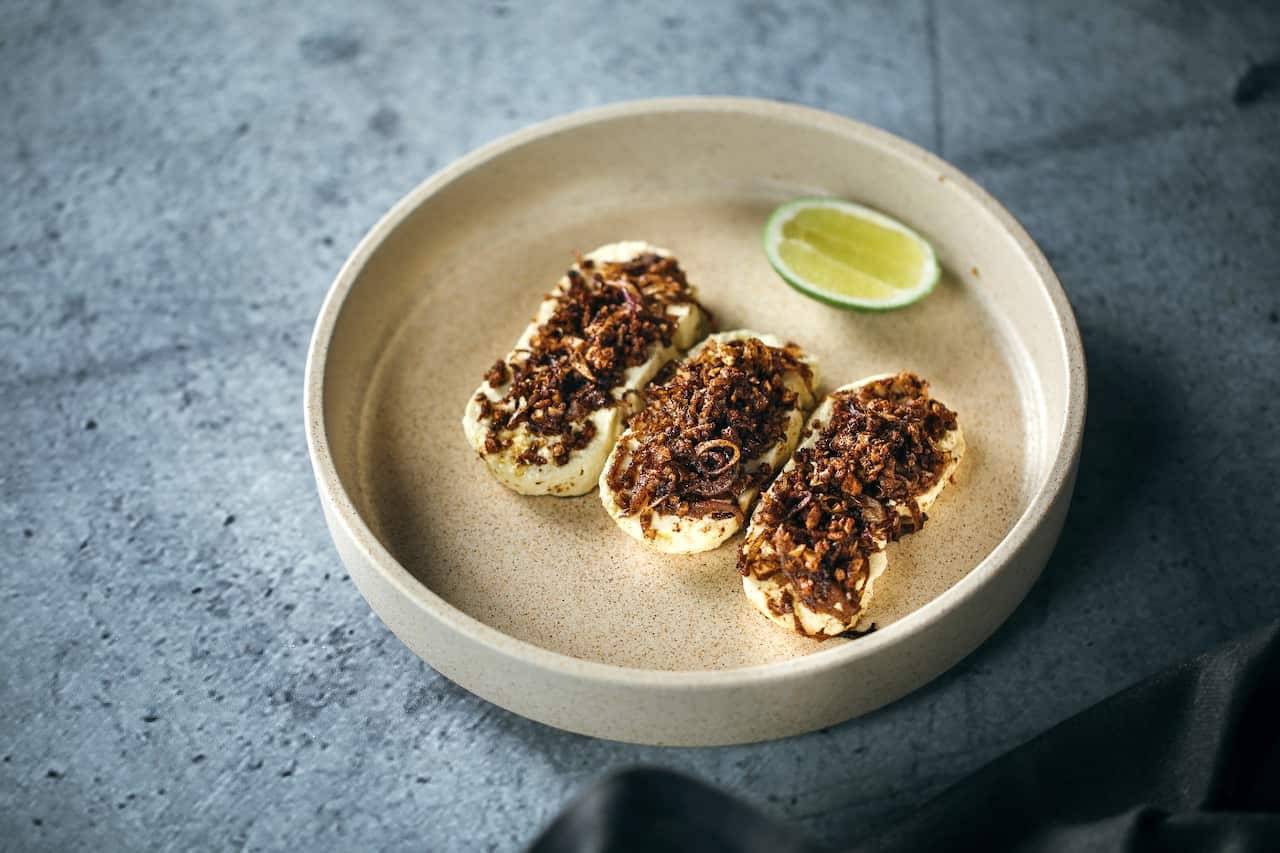
Sooley is a Rajasthani (north India) cooking technique that is most often used on cuts of meat. In this vegetarian take, fresh paneer is given the smoking treatment to great effect.
Dhokla
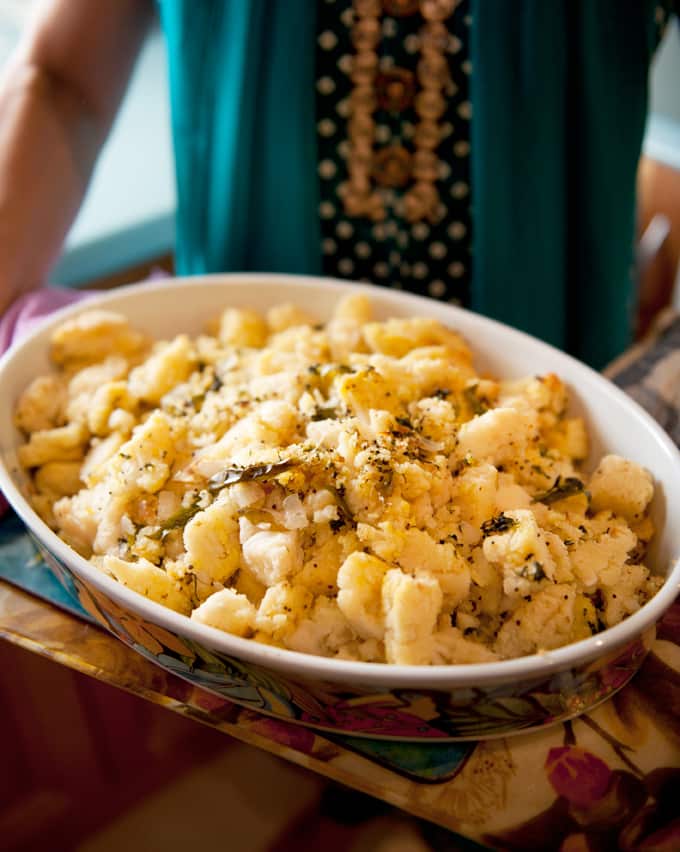
Another excellent accompaniment to a wider feast is dhokla, a classic breakfast dish from Gujarat (west India). This fried semolina dish is now a much-loved comfort food eaten throughout India.
Mulliigatawny magic
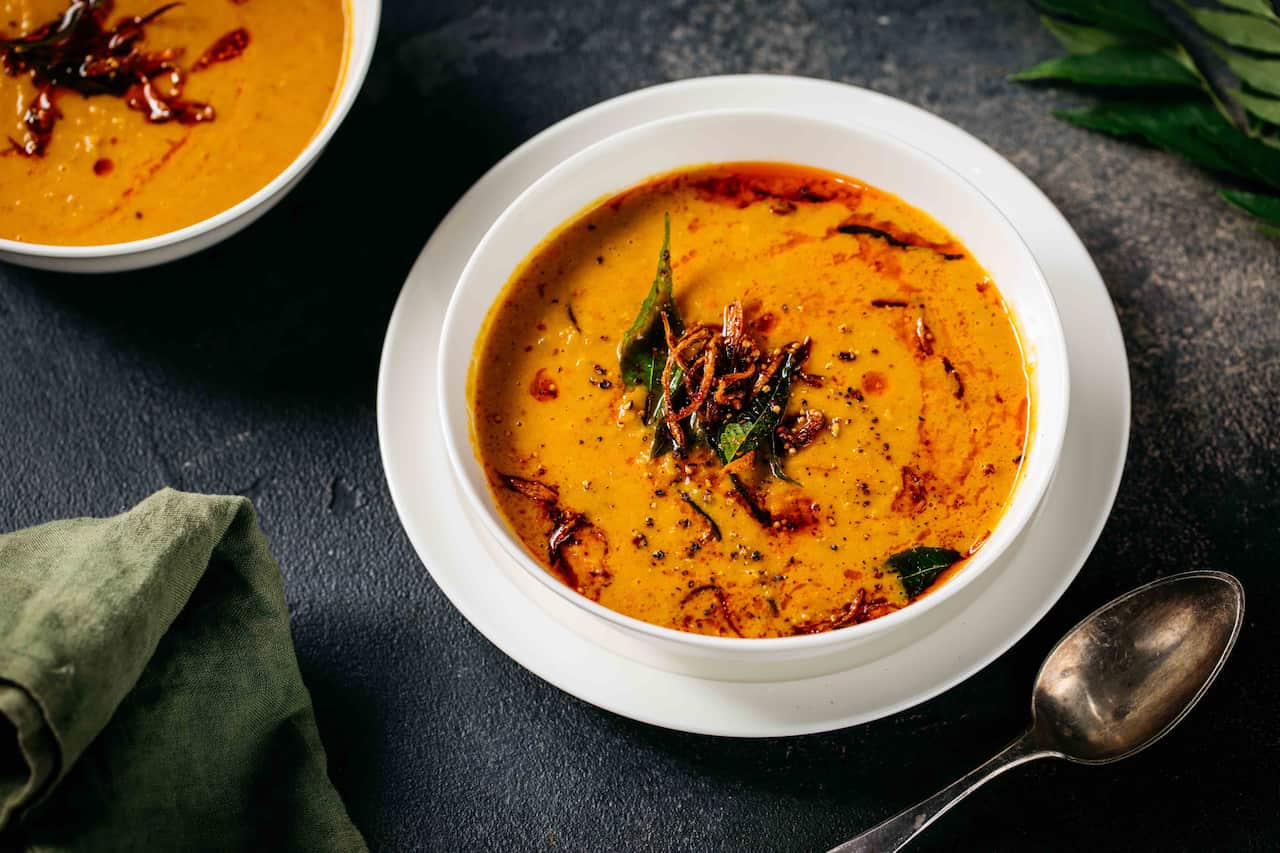
Tadka mulligatawny is the perfect example of the 'soupier' style of south Indian curries. It's definitely more 'soup' than 'stew', but it's as fragrant as the richest curry and equally as unforgettable.
Kidney around
Rajma masala is a traditional north Indian vegetarian curry made with kidney beans. Traditional versions of this dish often use ghee or cream in the sauce, but this version is plant-based friendly.
Biryani talk
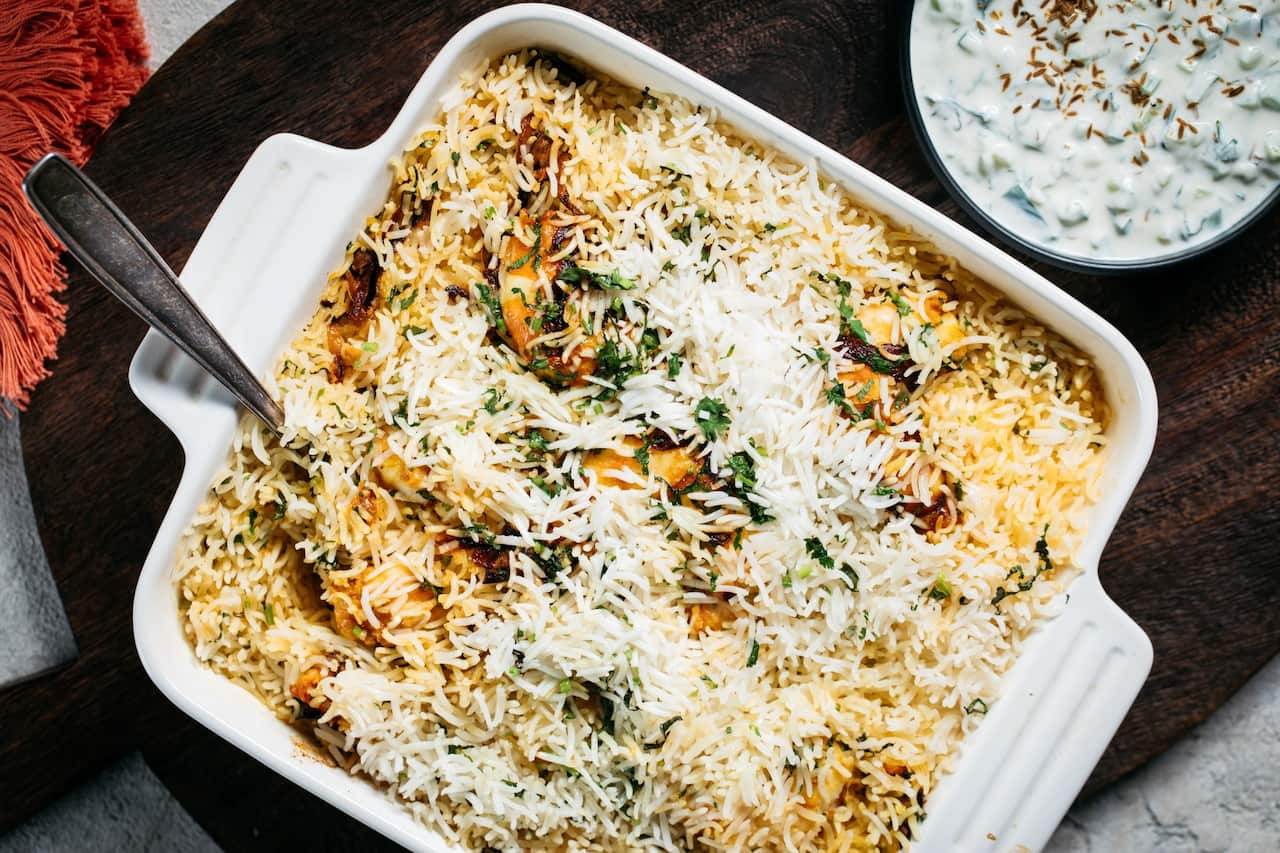
North India also loves a biryani, a dish with origins in Persian cooking. Precisely measuring your ingredients is said to be the secret to the perfect biryani, so don't rush this dish.
Vinda... light

A classic pork vindaloo from Goa (west India) should be every bit as fiery as its reputation asserts. The best thing about making your own is you can adjust the spice to tolerable levels.
65 reasons
Chicken 65 is a deep-fried dish that was created in 1965 in Tamil Nadu (south India). The dish was part of the menu of Buhari Hotel and later versions called Chicken 78, Chicken 82 and Chicken 90 were added.
Halwa finish
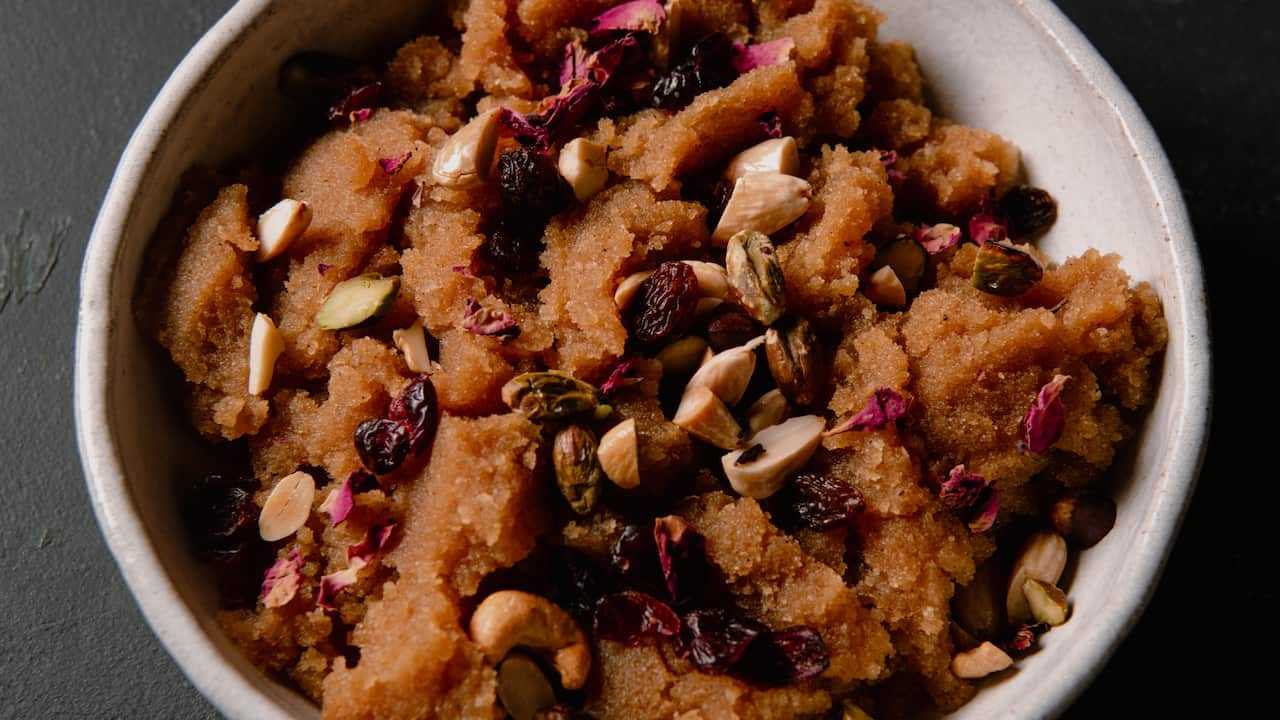
Halwa is a sweet enjoyed in north India on various festive celebrations like Diwali, Eid Ganesh Chaturthi, weddings, birthdays or served as an offering in temples. It's made in as many variations as there are dishes in India, so play around to find your own sweet spot.

SBS Food is a 24/7 foodie channel for all Australians, with a focus on simple, authentic and everyday food inspiration from cultures everywhere. NSW stream only. Read more about SBS Food

Have a story or comment? Contact Us