ወደ ጎን የተገፋውታሪክ፤ የአቦርጂናልና ቶረስ ሰርጥ ደሴተኞች አገልግሎት በአንዛክ ቀን

First Nations Anzac

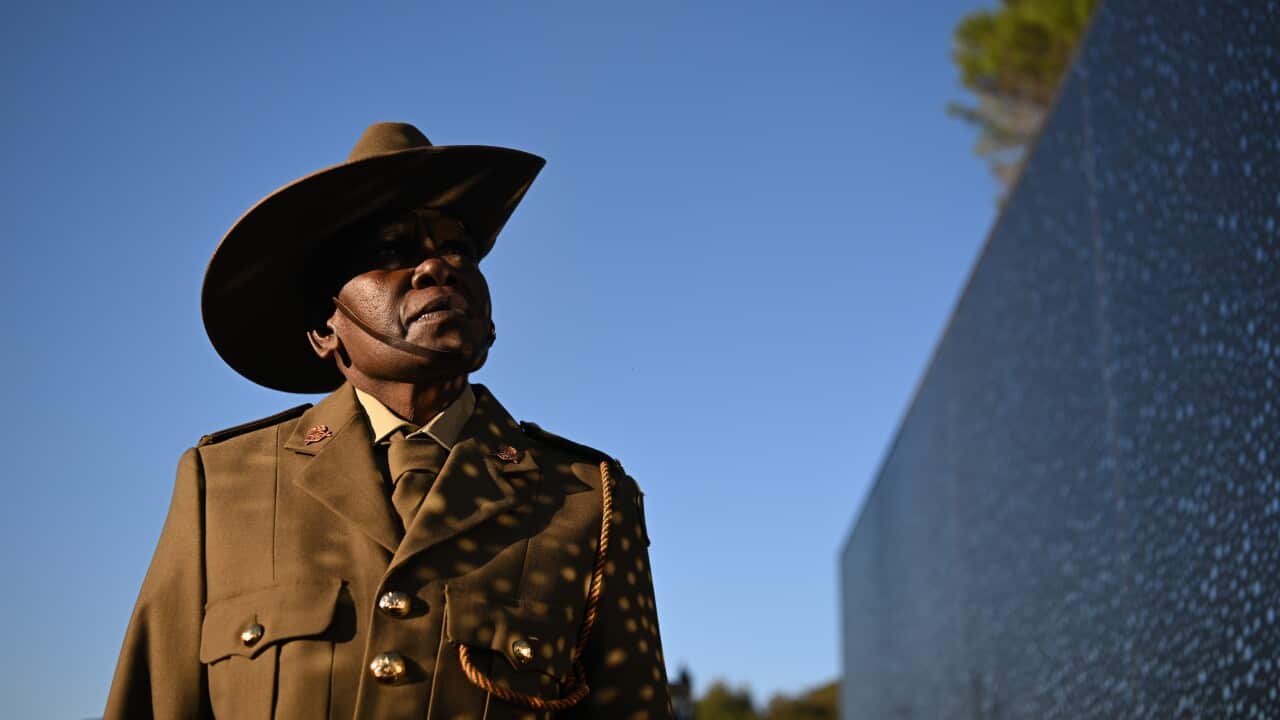
The Australian War Memorial For Our Country memorial recognises the military service of Aboriginal and Torres Strait Islander peoples. Credit: Tracey Nearmy/Getty Images

በየዓመቱ አውስትራሊያውያን የአውስትራሊያና ኒውዝላንድ ጦር ሠራዊት ኮር ቀን (አንዛክ ቀን) ለማክበር ይታደማሉ። እኒያን በጦርነቶች፣ ግጭቶች እና የሰላም አስከባሪ ግዳጆች ተሰማርተው አገልግሎቶቻቸውን አበርክተው የነበሩትን በክብር ለመዘከር። ይሁንና የምንዘክረው የእነ ማንን ታሪክ ነው? አዘውትረን የማንሰማቸው ታሪኮችስ አሉ? በእዚህ ክፍለ ዝግጅት በጣም ጠቃሚ የሆነ ግና ቸል የተባለ ታሪክን እናነሳለን፤ የአቦርጂናልና ቶረስ ሰርጥ ደሴት ሰዎችን አገልግሎት።


Key Points
  • የአውስትራሊያ ጦር መዘክር 1200 የአቦርጂናል ወንዶች በአንደኛው የዓለም ጦርነት እንዲሁም 6,500 በሁለተኛው ዓለም ጦርነት ለውትድርና ለመመልመል ሞክረው እንደነበር ግምቱን አሳድሯል
  • ነባር ዜጎች በጦር ሠራዊት ውስጥ ለመመልመል በርካታ መሰናክሎች ገጥሟቸዋል
  • በርካቶች ለምልመላ ለመብቃት ዝርያቸውን እስከ መደበቅ ደርሰዋል
  • ከዘመቻ መልስም መድልዖና የሕግ ገደቦች ለነባር ዜጎች የጦር አባላት የዕለት ተዕለት ሕይወት ነበር

    በርካታ አቦርጂናልና ቶረስ ሰርጥ ደሴት ሰዎች ምንም እንኳ በይፋ ከቀጠራ ቢታገዱም በአንደኛና ሁለተኛ የዓለም ጦርነቶች ወቅት ነባር ዜጎች ካልሆኑ የአውስትራሊያ ጦር ሠራዊት አባላት ጎን ለጎን ተሰልፈው አገልግለዋል።  

    ዛሬ፤ ታሪካቸው ዕውቅና እንዲያገኝና ለዝክረ መታሰቢያም እንዲበቃ የሚደረጉ ጥረቶች ጠንክረዋል።

    የንጉናዋል/ጎሜሮይ ሰው ማይክል ቤል የእዚያ ሥራ አካል ናቸው። እንደ የአውስትራሊያ ጦር መታሰቢያ አገናኝ መኮንንነታቸው እኒያ የአቦርጂናልና ቶረስ ሰርጥ ደሴተኞች ሰዎች የጦር ደንብ ለብሰውና በሌላም በኩል በሀር ቤት ለጦርነቱ ጥረቶች የየድርሻ አገልግሎትና መስዋዕትነታቸው ያበረከቱቱ ተነቅሰው፤ ሲልም ዕውቅና እንዲቸራቸው እገዛ አበርክተዋል።

    በእዚህ ሥራም፤ ግልፅ ምስል ብቅ ብሎ መታየት ጀምሯል።  

    ምን ያህል የአቦርጂናልና ቶረስ ሰርጥ ደሴተኛ ሰዎች በአንደኛው የዓለም ጦርነትና በሁለተኛው የዓለም ጦርነት ወቅት አገልግለዋል?

    “በአሁኑ ወቅት ከ1200 ትንሽ ከፍ ያለ የነባር ዜጎች ወንዶች በአንደኛው የዓለም ጦርነት ወቅት ተቀጥረዋል ወይም ለመመልመል ሙከራ አድርገዋል፤ እንዲሁም 6,500 ያህል ወንዶች በሁለተኛው የዓለም ጦርነት ወቅት ለቅጥር በቅተዋል” ሲሊ አቶ ቤል ገልጠዋል።
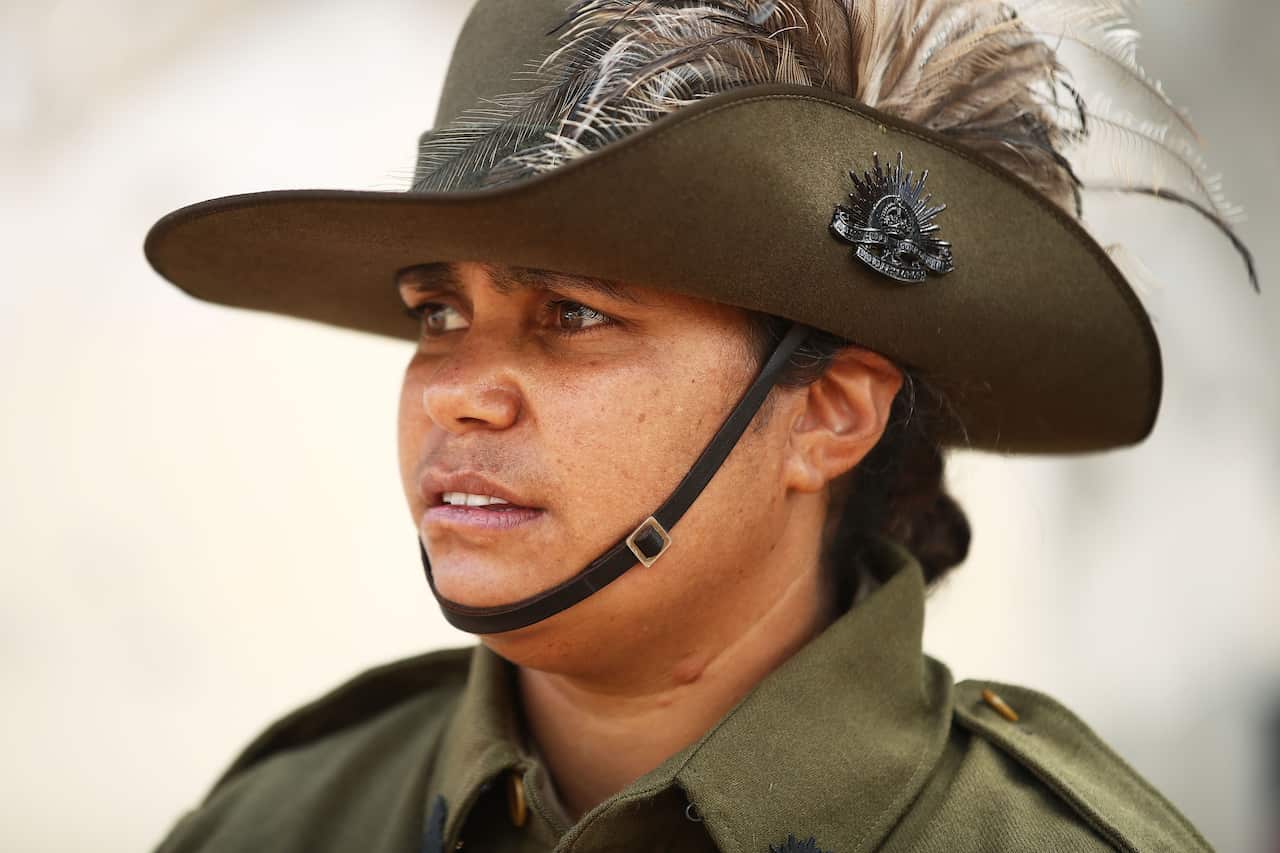
    Indigenous Australians Honoured On Anzac Day At Coloured Diggers March
    Understanding ANZAC Day means recognising the contributions and challenges faced by Aboriginal and Torres Strait Islander peoples.  Credit: Brendon Thorne/Getty Images

    ቁጥሮቹም የተጨማሪ ሬኮርዶች መገኘትን ተከትለው እየጨመሩ ነው።  

    ምንም እንኳ እንከን ቢበዛባቸውም፤ ቁጥሮቹ ቀላል የሚባሉ አይደሉም።

    The rates of enlistments or attestations are the same as their non-Indigenous brothers and sisters.
    Michael Bell

    የአውስትራሊያ ነባር ዜጎች በውትድርና ለመቀጠር ገጥመዋቸው የነበሩ ጋሬጣዎች ምን ነበሩ?

    ነባር ዜጎቹ በጦር ሠራዊት ውስጥ ለመቀጠር ገጥመዋቸው የነበሩ ገደቦች ዘርፈ ብዙ ነበሩ።

    በአገር ውስጥ ከዳር እስከ ዳር የመንቀሳቀስ ገደቦች ነበሩባቸው።  

    እንደ ሙሉ የአውስትራሊያ ዜጎችም አይቆጠሩም ነበር። ሌላው ቀረቶ እንደ ሰው እንኳ ሕጋዊ ዕውቅና አልነበራቸውም።

    ወታደራዊ ፖሊሲዎችም አውሮፓዊ ዝርያ ያላቸውን ካልሆነ በስተቀር ሌሎችን አካታች አልነበሩም።  

    እኒህም አንድ ላይ ተጣምረው ሁነኛ መሰናክሎችን ፈጥረውባቸዋል።

    እንዲያም ሆኖ ግና፤ በርካታዎቹ ለቀጠራ በአዋኪ ሁኔታዎች ውስጥ አልፈዋል። እኩል መብቶችን ለነፈገቻቸው ሀገር ለማገልገል ብርቱ ፍላጎት፣ ፅንዓትና ቁርጠኝነትን አሳይተዋል።
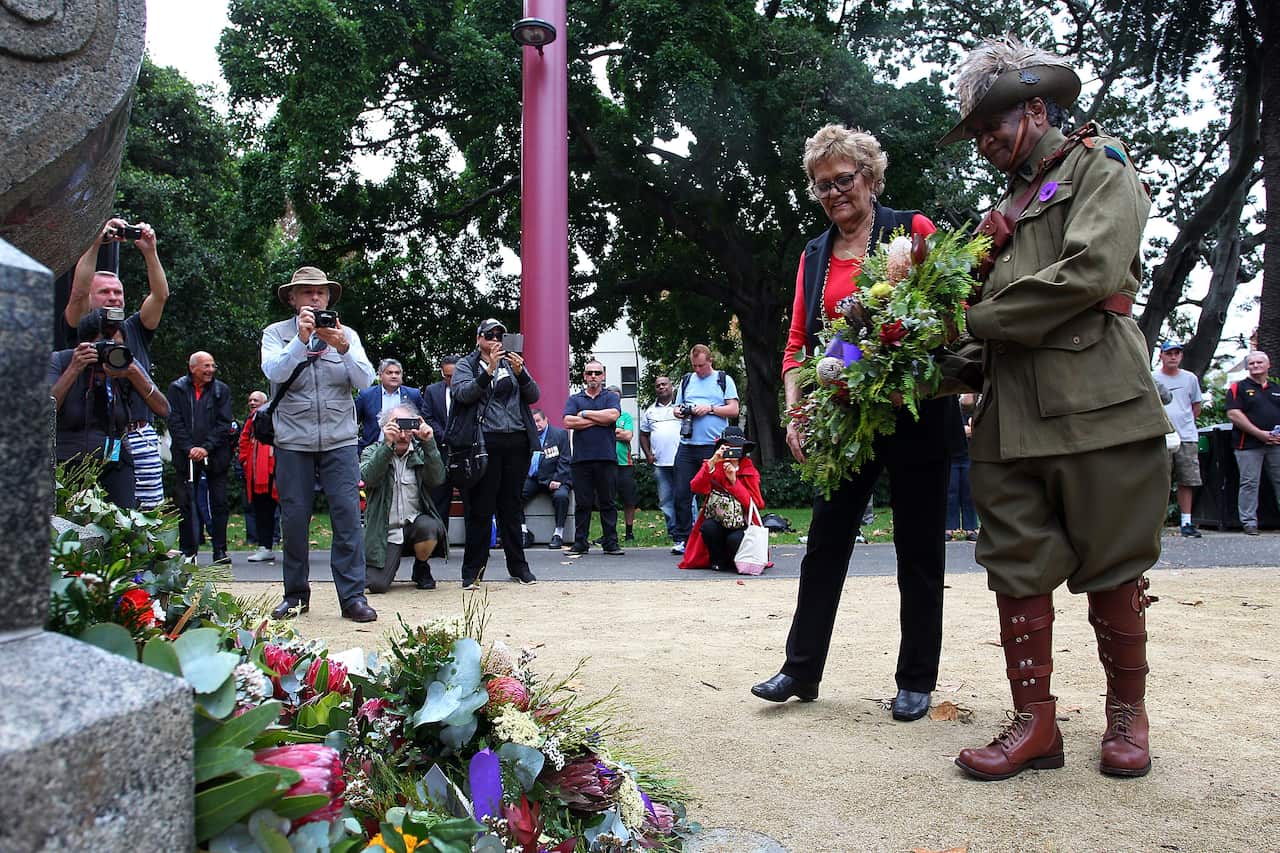
    Aboriginal And Torres Straight Islander Veterans
    A wreath is laid during the annual ANZAC coloured diggers service in Sydney. Credit: Lisa Maree Williams/Getty Images

    ነባር ዜጎቹ ከጦር ሜዳ ሲመለሱ የጠበቋቸው ምንድን ነበሩ?

    ለበርካታ የነባር ዜጎች ወታደሮች መስዋዕትነት እኩልነት ማለት አልነበረም።

    ወደ ሕብረተሰቡ የተቀላቀሉት፤ መድልኦና የገደብ ሕጎች የዕለት ተዕለት ሕይወት አካል ሆነው ሳለ ነው። 

    አቶ ቤል “ወንዶቻችን ለመብቶች በውጭ ጦርነት ተፋልመዋል፤ በገዛ አገራቸው ግና የመብቶች ባለቤቶች አልነበሩም” ሲሉ አመላክተዋል።

    አክለውም “ወደ ሀገራቸው የተመለሱት በእጅጉ እኩል ወደ አልነበረ ሕብረተሰብ ነበር። የተቀላቀሉትም ልየታ፣ የተጓደለ ሕጋዊ ዕውቅና፣ የመሬት ባለቤትነት፣ እኩል ክፍያ፣ ልጆቻችንን በማሳደግ ላይ ገደቦች በተጣሉበት፣ የትውልዶች ስርቆት በአያሌው ዕውን በሆኑበት ሁኔታ ነበር" ብለዋል።

    የተወሰኑ ነባር ዜጎች ጥቅማ ጥቅሞችን ማግኘት ቢችሉም፤ አያሌዎች ግና በመጠነ ሰፊ ማኅበራዊና ፖለቲላዊ ገደቦች ሳቢያ ድጋፍ አልባ በመሆን ተጠቃሚ አልነበሩም።

    ሌላው ቀርቶ ከሌሎች አብረዋቸው ካገለገሉ የቀድሞ ጦር አባላት ጋር እንኳ ለመገናኘት ያዳግታቸው ነበር።  

    የቀድሞና የወቅቱን ወታደሮች ለመዘከር የአንዛክ ቀን ክብረ በዓልን የሚያዘጋጀውና አልክሆልን ጨምሮ የመዝናኛ አገልግሎት ሰጪ የሆነው ከጦር ሜዳ ተመላሽ ወታደሮች ሊግ ክለብ ውስጥ የነባር ዜጎች የቀድሞ ወታደሮች ላይ ገደቦች ነበሩት። 

    አውስትራሊያ የአቦርጂናልና ቶረስ ሰርጥ ደሴተኞችን ወታደራዊ አገልግሎት አሁን የምንዘክረው እንደምን ነው?

    በቅርብ አሠርት ዓመታት ውስጥ የአውስትራሊያ ጦር መታሰቢያ የአቦርጂናልና ቶረስ ሰርጥ ደሴተኞችን አገልግሎት በመግለጥ ንቁ ሚና ከውኗል።  

    “በመላ ማዕከለ ስዕላታችን ታሪኮቻችን በእኩልነትና አግባብነት ተዳርሰዋል” ያሉት አቶ ቤል ሲሆኑ “የነባር ዜጎችን ጠቅላላ አገልግሎት፣ ሁሉንም ማዕከለ ስዕላት፣ ሁሉንም ውክልናዎቻችንን ያቀፉ ይዘቶች አሉን” ሲሉም አክለዋል።

    አያይዘውም “በወታደራዊ ደንብ ልብስ ራሳቸውን የሚያዩት እንደ ምድብ ክፍሎቻቸው አረንጓዴ፣ ሰማያዊ ወይም ግርጫ አድርገው ነው፣ በጦር ሠራዊቱ፣ አየር ኃይልና ባሕር ኃይል የደንብ ልብሶች” ብለዋል።

    በርካታ ነባር ዜጎች ራሳቸውን የሚያዩት በቅድሚያ ከሌሎች ጎን ተሰልፎ እንዳገለገለ ወታደር ስለ መሆኑ አንፀባራቂ ነው።   
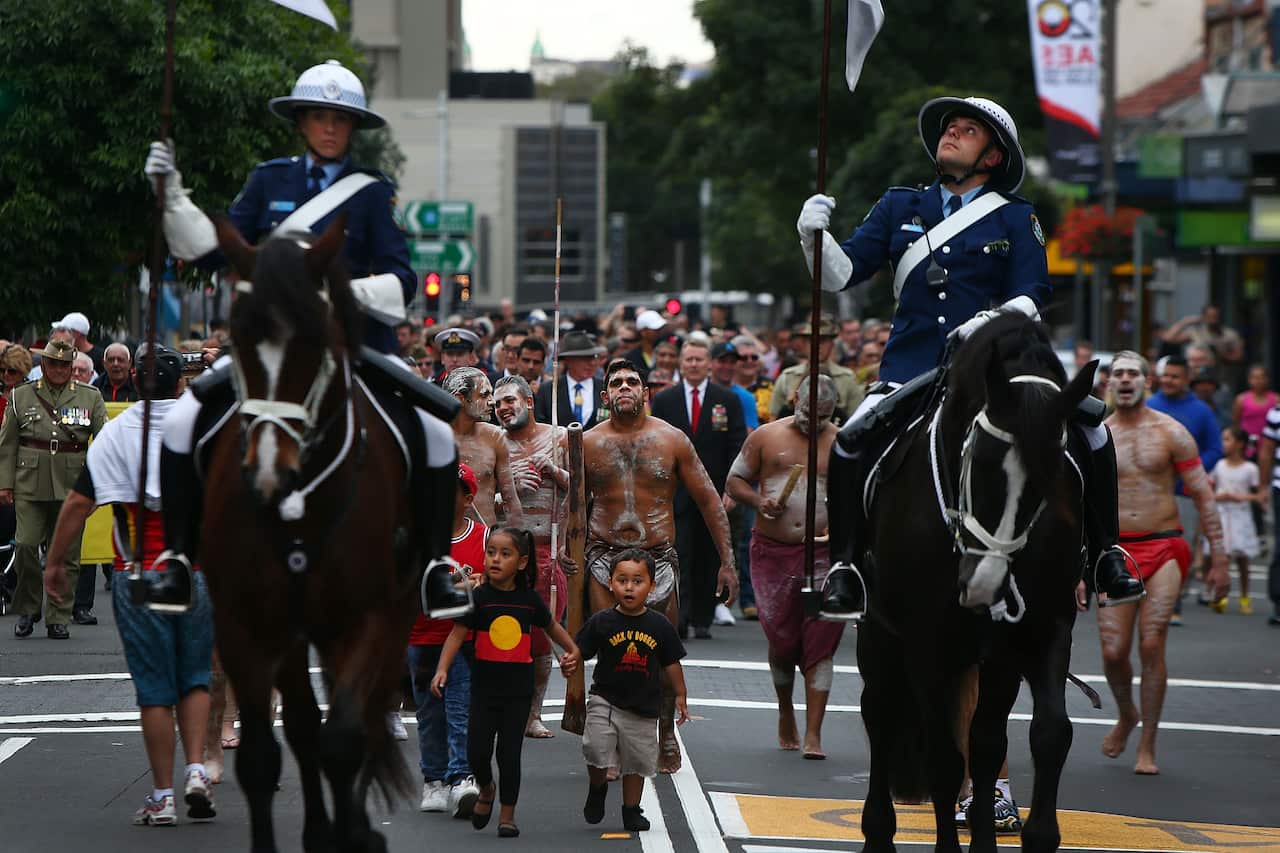
    Aboriginal And Torres Straight Islander Veterans
    The annual ANZAC coloured diggers event in Sydney celebrates the contributions of Aboriginal and Torres Strait Islander servicemen and servicewomen. Credit: Lisa Maree Williams/Getty Images

    በእዚህ አንዛክ ቀን ስለ አቦርጂናልና ቶረስ ሰርጥ ደሴተኞች ታሪክ ማወቅ የሚገባዎት ምንን ነው?

    አንዛክ ቀንን መረዳት ማለት የአቦርጂናልና ቶረስ ደሴተኞች ስለ አበረከቷቸው አስተዋፅዖዎችና ለገጠሟቸው ተግዳሮቶች ዕውቅናን መቸር ነው።

    “ዛሬ ላይ ደርሶ ስላለው ሙሉዕ የአውስትራሊያ ታሪክ ነው” ሲሉ ያመላከቱት አቶ ቤል “ባለፉት ዓመታት ለዕይታ ያልበቃን እንደነበርን ማለት አይደለም። እንደ አንደኛው የዓለም ጦርነት ማንነታቸውን እንደደበቁትም አይደለም፣ የአውስትራሊያን ሙሉዕ ታሪክ እንዲያዩ ነው የምናበረታታው። ዕውቅናን ነፍገው ተፅፈው እንደነበሩት ያለፉት ሥርቶች ሳይሆን” ብለዋል።

    የአንዛክ ቀን እኒህን በጦርነቶችና ግጭቶች ውስጥ አገልግሎቶቻቸውን የሰጡትን መዘከሪያ፤ ለታሪክ ክብር ለመቸርም በጋራ መታደሚያ ነው።  

    ስለ አዲሱ የአውስትራሊያ ሕይወትዎ ተጨማሪ ጠቃሚ መረጃና ፍንጮች ለማግኘት የአውስትራሊያ ስትገለጥ ፖድካስትን ይከተሉ አሊያም ደንበኛ ይሁኑ።   

    ጥያቄዎች ወይም ርዕሰ ሃሳቦች ካለዎት? 

    australiaexplained@sbs.com.au ኢሜይል ይላኩልን።

    spk_0

    SBS acknowledges the Traditional Custodians of Country and their connections and continuous care for the skies, lands and waterways across Australia.

    spk_1

    You're listening to Australia Explained, an SBS audio podcast helping you navigate life in Australia.

    spk_2

    Hello, I'm Lowanna Grant, executive producer of NITV Radio. I'll be your host for this special episode of the Australia Explained. ANZAC Day is one of Australia's most important national days. Each year people gather to remember those who served in wars, conflicts, and peacekeeping missions. But understanding ANZAC Day can take time, especially if you're new in Australia.

    spk_2

    Whose stories are we remembering and are there stories we don't always hear? In this episode, we explore an important part of Australia's history that has often been overlooked, the service of Aboriginal and Torres Strait Islander peoples.

    spk_2

    Many Aboriginal and Torres Strait Islander people served in Australia's armed forces, including during the 1st and 2nd World Wars, often alongside non-Indigenous Australians, even when they were officially barred from enlisting. Today there is a growing effort to ensure these stories are recognised and remembered. Ngunnawal/Gomeroi man Michael Bell is part of that work as Indigenous liaison officer at the Australian War Memorial.

    spk_2

    He helps identify and recognise the service and sacrifice of Aboriginal and Torres Strait Islander peoples, both those who served in uniform and those who supported the war effort on home soil. Through this work, a clearer picture is beginning to emerge.

    spk_3

    We currently have just over 1200 Aboriginal men enlisted or attempted to enlist in the First World War, and approximately we're estimating it's going to be about 6500 men in

    spk_3

    the Second World War. It's an ongoing project and the numbers change weekly as we identify and add and include men on our list.

    spk_2

    These numbers continue to grow as more records are uncovered, but one question often asked is how do these figures compare to non-Indigenous Australians?

    spk_3

    We've statistically viewed the numbers of Aboriginal attestations compared to known populations, and the rates of enlistments or attestations

    spk_3

    are the same to their non-Indigenous brothers and sisters.

    spk_2

    In other words, despite facing significant barriers, Aboriginal people enlisted at similar rates to non-Indigenous Australians. So what were those barriers? Michael Bell explains that restrictions existed at multiple levels. Aboriginal people faced limits on their movement across the country. They were not recognised as full Australian citizens and in some cases, not even recognised as people under the law.

    spk_2

    And military policies often excluded those without European heritage. Together these created major obstacles for those wanting to serve. But even with these restrictions, many people went to extraordinary lengths to enlist.

    spk_3

    Oh, we have an Aboriginal man that's walked from Queensland all the way down to Albury, and on his way, he's tried to enlist 5 times, ultimately to get in and unfortunately didn't get to serve because he passed away of illness on the ship

    spk_3

    on the way over to the battlefield, so it's the dedication and re-enlistment of our men where they've been rejected for being Aboriginal, but go back and try again.

    spk_2

    Stories like this show determination, resilience, and a strong desire to serve country even when that country did not offer equal rights. But what happened after these servicemen returned home? For many Aboriginal veterans, the end of the war did not mean equality.

    spk_2

    They returned to a society where discrimination and restrictive laws were still part of everyday life.

    spk_3

    Our men were fighting for rights in a foreign war that they weren't entitled to in their home countries.

    spk_3

    And to come home to a desperately unequal society and to go back into segregation, the lack of legal acknowledgement, the restrictions on ownership of land, equal wages, the restriction of managing our children, the Stolen Generations were in full swing.

    spk_2

    Some Aboriginal veterans were able to access benefits, but many did not, with broader social and political restrictions limiting support.

    spk_2

    Even connecting with other veterans could be difficult. Returned soldiers were often encouraged to join RSL clubs, community organisations that support veterans and organise events like ANZAC Day ceremonies. But many of these clubs were licenced venues, meaning alcohol was served.

    spk_2

    Because Aboriginal people were often restricted from entering these spaces, they were effectively excluded from both support and connection. Today, there is growing recognition of this history.

    spk_2

    In recent decades, the Australian War Memorial has taken a more active role in uncovering and sharing Aboriginal and Torres Strait Islander service. Mr Bell explains.

    spk_3

    Our stories are shared equally and proportionately throughout all of our galleries. We have Indigenous content in all the services, all of the galleries, all of the stories, all of our representations. There is no Black corner at the Australian War Memorial. What we do is tell the story equally throughout.

    spk_3

    The veterans have asked us to do in the uniform, they could only see themselves as the colour of their service, such as the green, the blue, or the grey for army, air force, and navy.

    spk_2

    This approach reflects how many Aboriginal servicemen saw themselves as soldiers first, serving alongside others. At the same time, long hidden stories are now being rediscovered and shared with families and communities.

    spk_3

    On the occasion where we have the only known

    spk_3

    of an Aboriginal man in our collection and the family haven't seen it or didn't know what their great grandfather or great uncle looked like, we can provide that to them on behalf of recognition of his service and recognition of his contribution, and that's really, really touching and special for me to be able to share that with the families and know that that knowledge and information is held in an institution where we're positively trying to include the previously or lesser known story about Aboriginal and Torres Strait Islander service.

    spk_2

    For families, these moments can be powerful, helping to reconnect with history, identity, and loved ones. So this ANZAC Day, what should you, especially if you're new to Australia, keep in mind?

    spk_3

    It's about the full and total history of Australia and how it is today, not the unseen nation that we have been in previous years and for the First World War guys, you know, having to hide their heritage, where we want to be able to encourage them

    spk_3

    to see the full history of Australia as it is, not as it was written by previous systems that excluded our acknowledgement.

    spk_2

    ANZAC Day is a time to remember those who served in wars and conflicts, and for many Australians, it's a moment to come together to honour history. Understanding ANZAC Day means understanding the full story of Australia.

    spk_2

    That includes recognising both the contributions and the challenges faced by Aboriginal and Torres Strait Islander peoples. As these stories become more widely shared, they help paint a fuller picture of Australia's past and its present.

    spk_2

    Thank you for listening to this episode of Australia Explained. The interview was conducted by Rachael Knowles, sound edit by Melissa Compagnoni, and the Australia Explained managing editor is Roza Germian, and I'm Lowanna Grant. Until next time.

    spk_1

    This was an SBS audio podcast. For more Australia Explained stories, visit SBS.com.au/Australiaexplained.

    spk_4

    Subscribe or follow the Australia Explained podcast for more valuable information and tips about settling into your new life in Australia. Do you have any questions or topic ideas? Send us an email to australiaexplained@sbs.com.au.

    END OF TRANSCRIPT

    Share

    Follow SBS Amharic

    Download our apps

    Watch on SBS

    SBS World News

    Take a global view with Australia's most comprehensive world news service

    Watch now