
Your answers won't impact your visa status, your child's education, or your rights in Australia — but they're important to help understand your community.
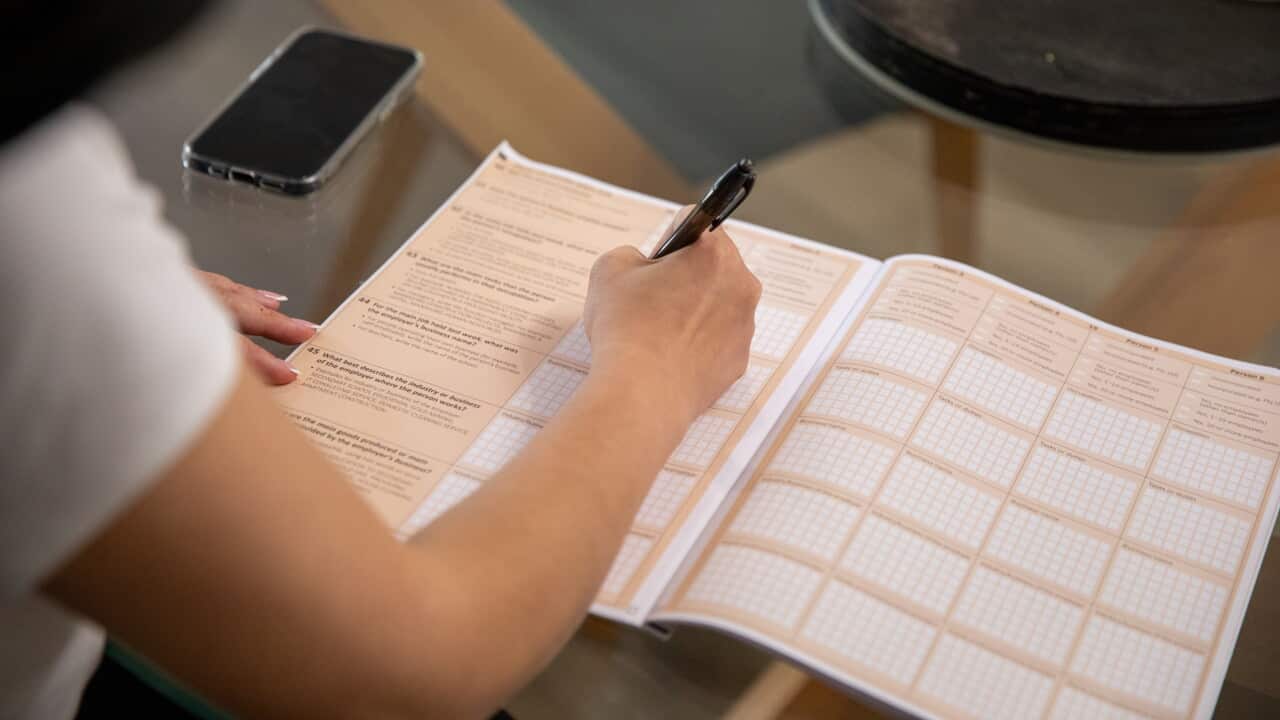
The Census provides the largest collection of data across the country, and it's compulsory for every person in Australia to complete the form.
You'll answer questions about your culture, characteristics, income, work and housing.
Census national spokesperson Emily Walter told SBS Examines: "It's those characteristics of individuals that then build up an aggregate picture of a community ... particularly for culturally and linguistically diverse communities, that really then provides the opportunity for local services to be provided."
Those concerned about giving such answers should know that the information is protected and secured.
"The Privacy Act and the Secrecy Provisions of the Census and Statistics Act mean that we can't share people's information in a way that's likely to identify them or their household," Walter said.
"We never keep those names and addresses associated with that data. It gets held at the ABS as it is and never released to any other government department, including the immigration department."
In this episode of SBS Examines we speak to the Australian Bureau of Statistics to find out more about the upcoming Census, and address misinformation about what happens with your answers.