
Key Points
- A young Dai Le and her family fled Vietnam as Saigon fell and travelled to the Philippines by boat.
- The Philippines is a first asylum country where refugees go prior to permanently moving to another country such as Australia.
- While the Philippines wasn't home to Dai Le and her family, she says the country gave them a sense of normalcy and freedom.
"The Philippines really did the best that they could to provide for the Vietnamese refugees...but in our mind, it was never a place where we would have roots and build."
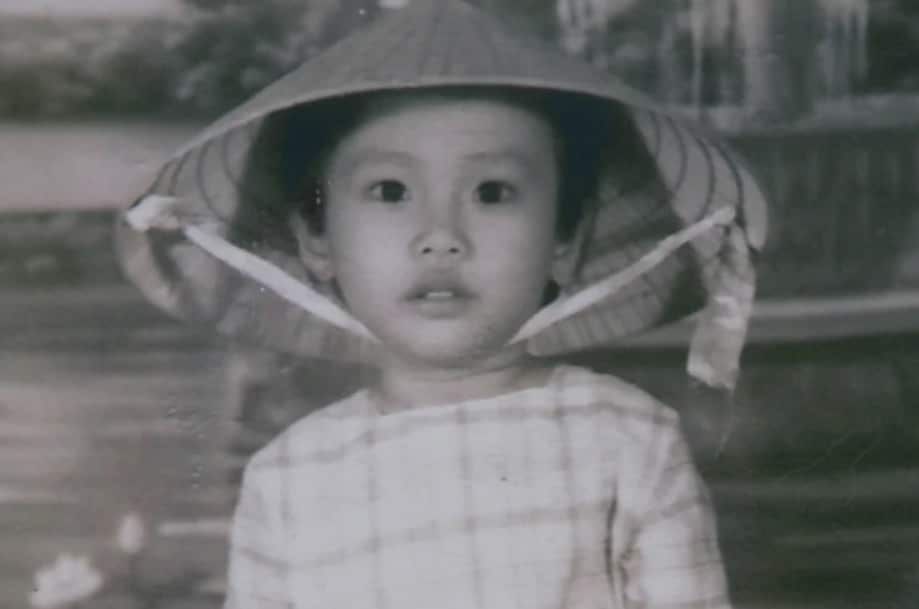
Fowler MP Dai Le and her family were told that the Philippines would not be the endpoint of their long and treacherous journey; but while the country never felt like a permanent home, it served as a temporary sanctuary where life offered her some "beautiful childhood memories".
A country of first asylum
When the Vietnam War ended in 1975, thousands of Vietnamese fled the country by boat, fearing political persecution.
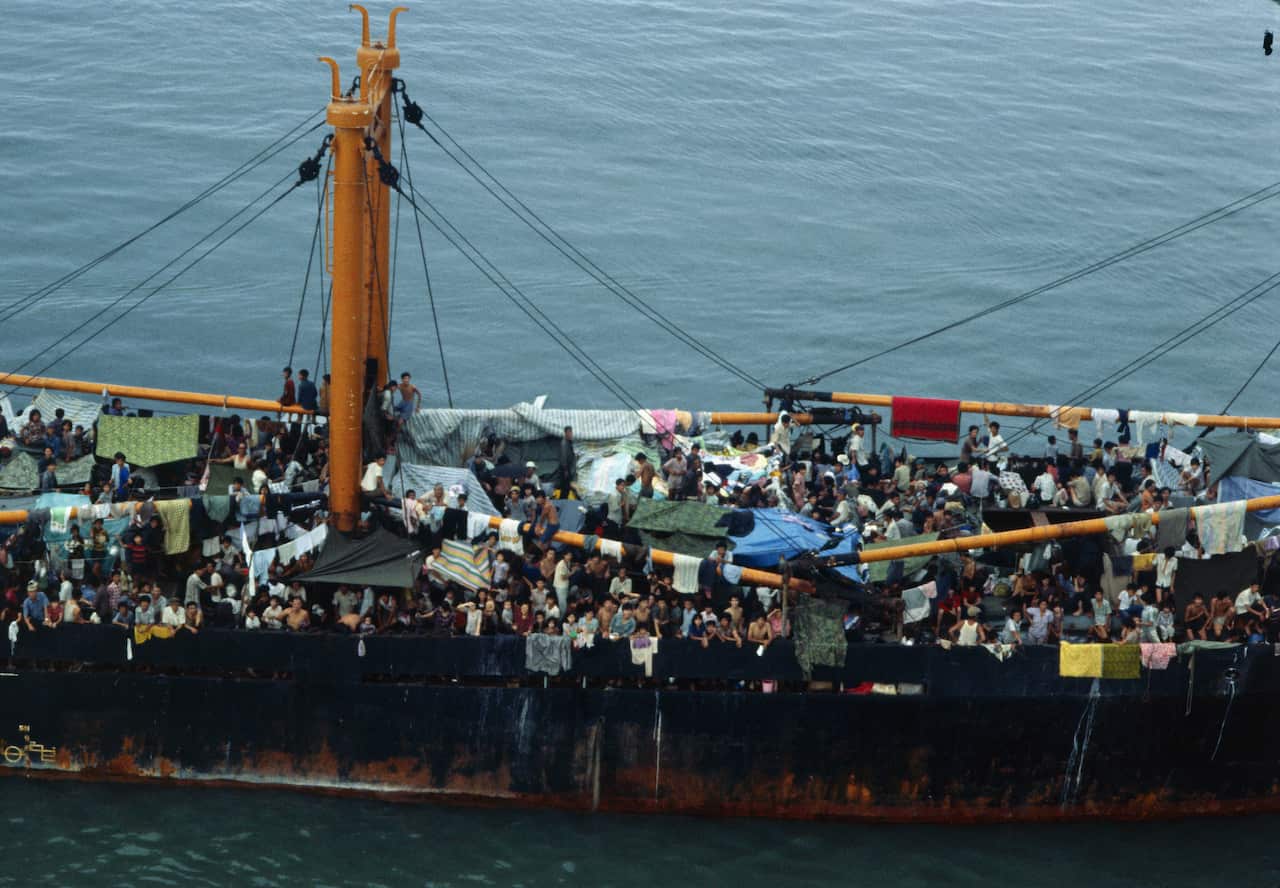
Along with some Southeast Asian countries, the Philippines became a country of first asylum or a temporary sanctuary for refugees before they resettled in other countries such as Australia, Canada and the United States.
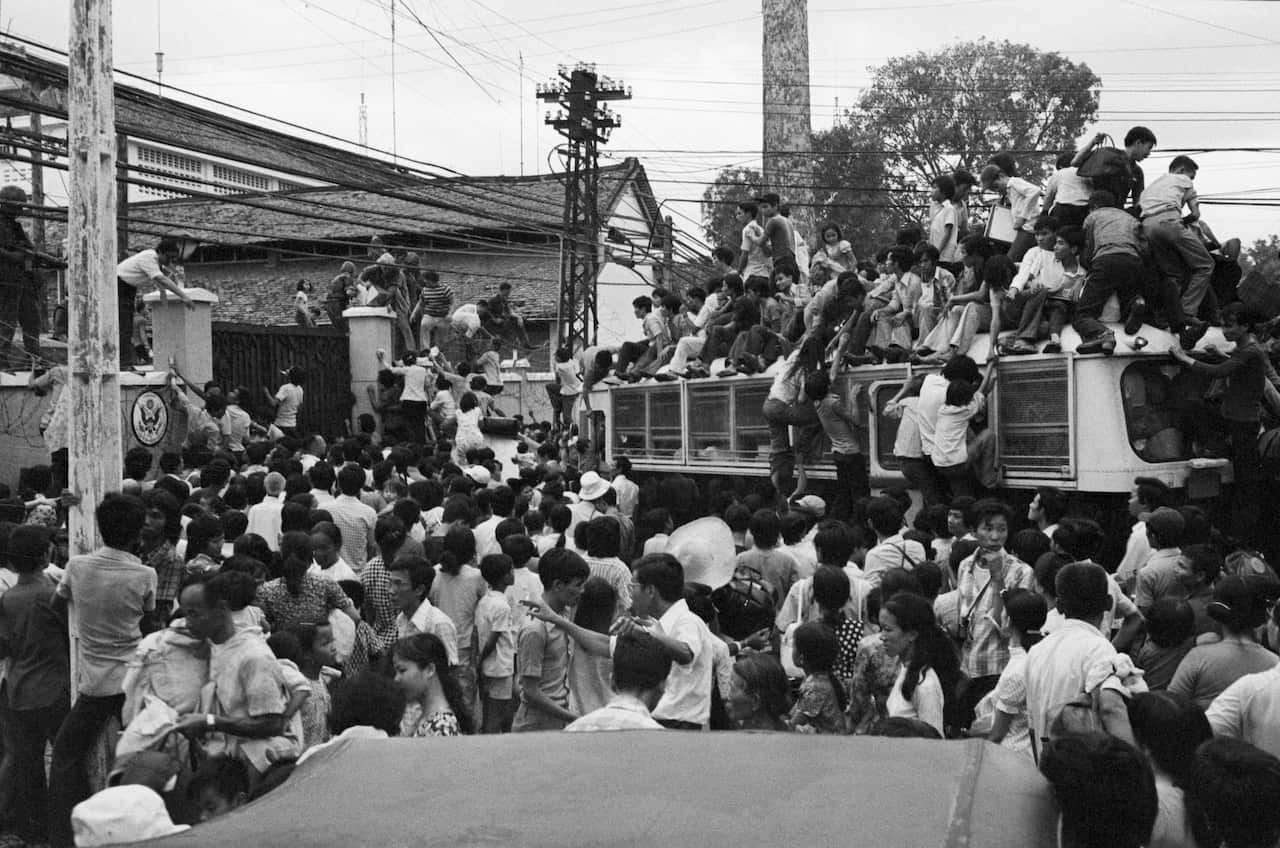
Because the Philippines had not been a signatory to the 1951 Refugee Convention then and only ratified it and its 1967 Protocol on July 22, 1981, the response to the refugees was mostly due to humanitarian reasons.
Along with the government's open-door policy, coastal communities and local fishermen were also known to rescue refugees at sea.
The Catholic church and the UNHCR, worked with the Philippine government to establish asylum centres and refugee communities in the country, the first centre of which was the Philippine First Asylum Center (P.F.A.C.) in Puerto Princesa, Palawan.
'We looked like them'
As for the Le family, their dangerous journey by boat led them to Pandacan in Manila.
"I was 7, so I had no idea what was going on. I was with my mother, my two younger sisters and aunt. I just remember running and we embarked on a boat with so many people.
I remember when we landed in the Philippines, we were brought to this big building. People in military clothes were walking around and giving us lollies and blankets.Dai Le, MP of Fowler, NSW
"We moved around a bit with other refugees until we went to live in Pandacan. There was a small village there where a group of Vietnamese refugees were living."
Le shares that while they didn't speak the local language, she felt like they blended in because of how they looked.
"The Filipinos were very embracing and you know, we looked similar...our olive skin, our dark hair and all of those features meant that we blended in better."
Pandesal and guava trees
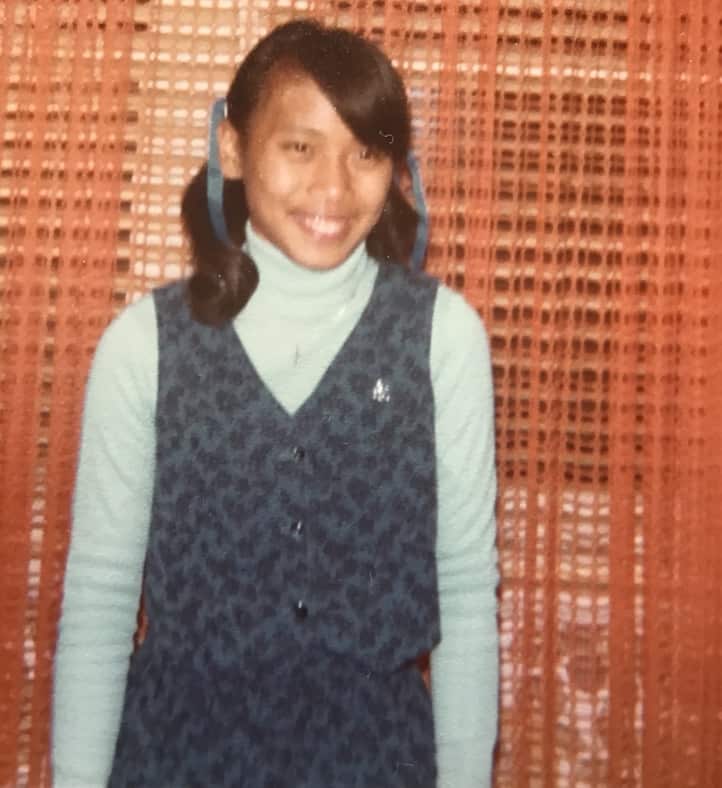
'Blending in' also meant Le and her sister had a sense of normalcy, attending school while her mum and aunt worked.
"We had a life as best as the circumstances [could give]...a good life.
We were free to move around. Mum worked in a restaurant...in a food court. I remember bits and piece of our school, but it's not like a full school education system because we moved around as well.Dai Le, MP of Fowler, NSW
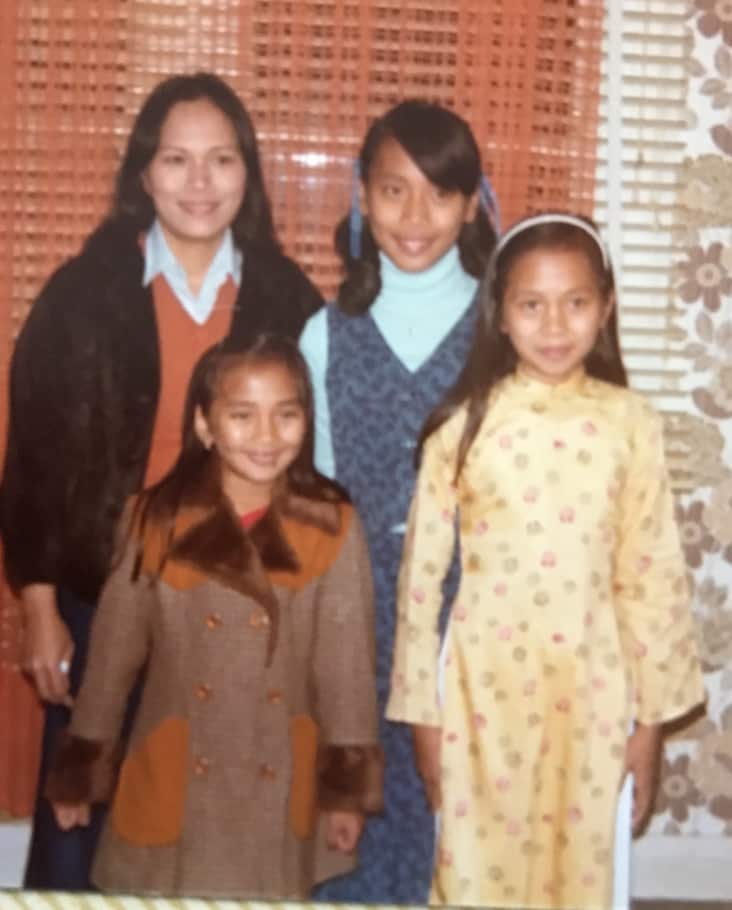
Le shares that they continued to speak Vietnamese at home and ate the food they were used to, but some of her fond memories in the Philippines had to do with what she found in the country.
"It's still imprinted in me how those early mornings, we would walk to the local bakeries and buy pandesal...It was beautiful.
The fresh smell of the pandesal and how we would play hopscotch around there and climb the guava trees...I love guava trees. The Philippines had guava trees like Vietnam did.Dai Le, MP of Fowler, NSW
Journey to Australia
After living in the Philippines for three years, the Le family travelled to Hong Kong and later on, to Australia where they eventually planted their roots.
As the current MP of Fowler, NSW, Le never forgot the continuous plight of refugees who were left behind in the Philippines.
I made a documentary in 2004 or 2005 about Vietnamese stateless people in the Philippines. It was 20 years ago. My gosh, when I went back for the first time, it was 'Woah!' [so different].Dai Le, MP of Fowler, NSW
"I saw how the Vietnamese worked hard. Some of them had businesses and were so entrepreneurial. Some had decided to settle down there. With some, their conditions were poor, but they continued to move around freely."
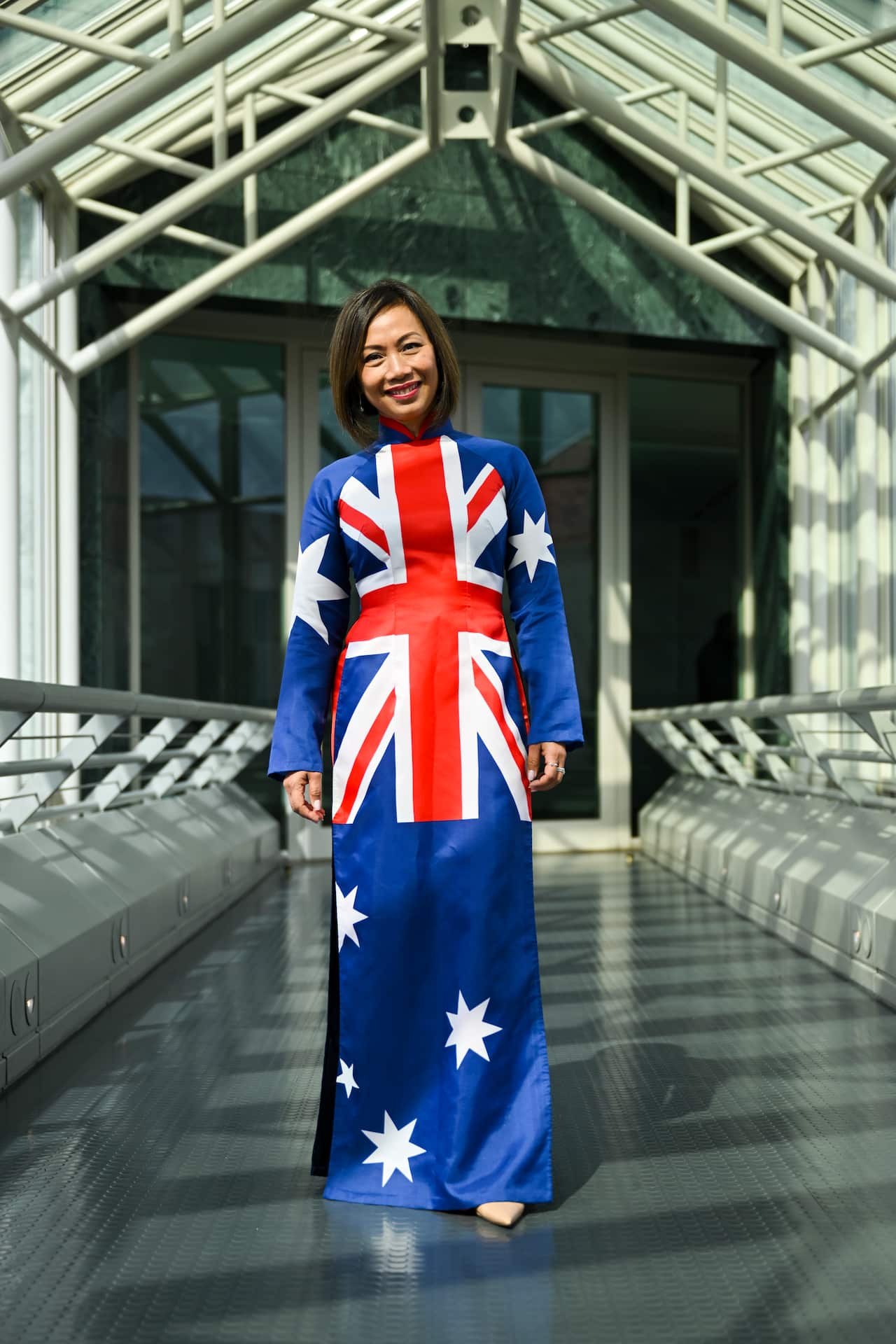
Le shares that sometimes she wonders what would have happened if their mother didn't make the difficult decision to take the dangerous journey to freedom.
"We were called a displaced people. We didn't have a home. We didn't have citizenship. It was very hard, [but we found freedom]."
📢 Where to Catch SBS Filipino
🔊 On Air – Tune in to SBS Filipino on radio stations across Australia and website live stream, and TV Channel 302 from 10 AM to 11 AM AEST daily.
📲 Catch up episodes and stories – Visit sbs.com.au/filipino or stream on Spotify, Apple Podcasts, Youtube Podcasts, and SBS Audio app.
📣 Follow Us on Social Media – Stay updated by following us on Facebook and Instagram.



