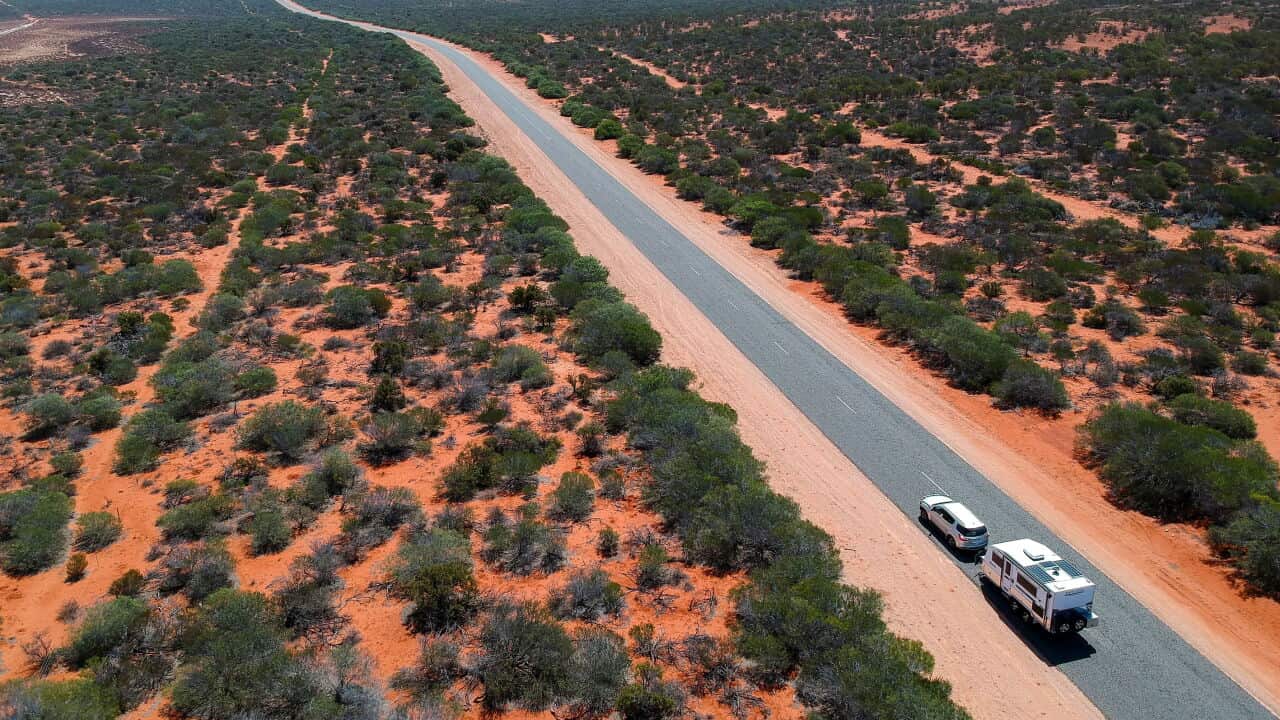

Ang Australia ay isa sa mga pinaka-biodiverse na lugar sa mundo, tahanan ng mga hayop at halamang matatagpuan lamang dito at wala nang iba pa sa planeta. Sa episode na ito ng Australia Explained, alamin kung bakit natatangi ang biodiversity ng bansa, anu-anong banta ang kinakaharap nito, at paano tayo makakatulong sa pagprotekta nito.
Key Points
- Ang Australia ay isang megadiverse na bansa, at dahil sa matagal nitong pagkakahiwalay, tahanan ito ng napakaraming species na hindi matatagpuan saanman sa mundo
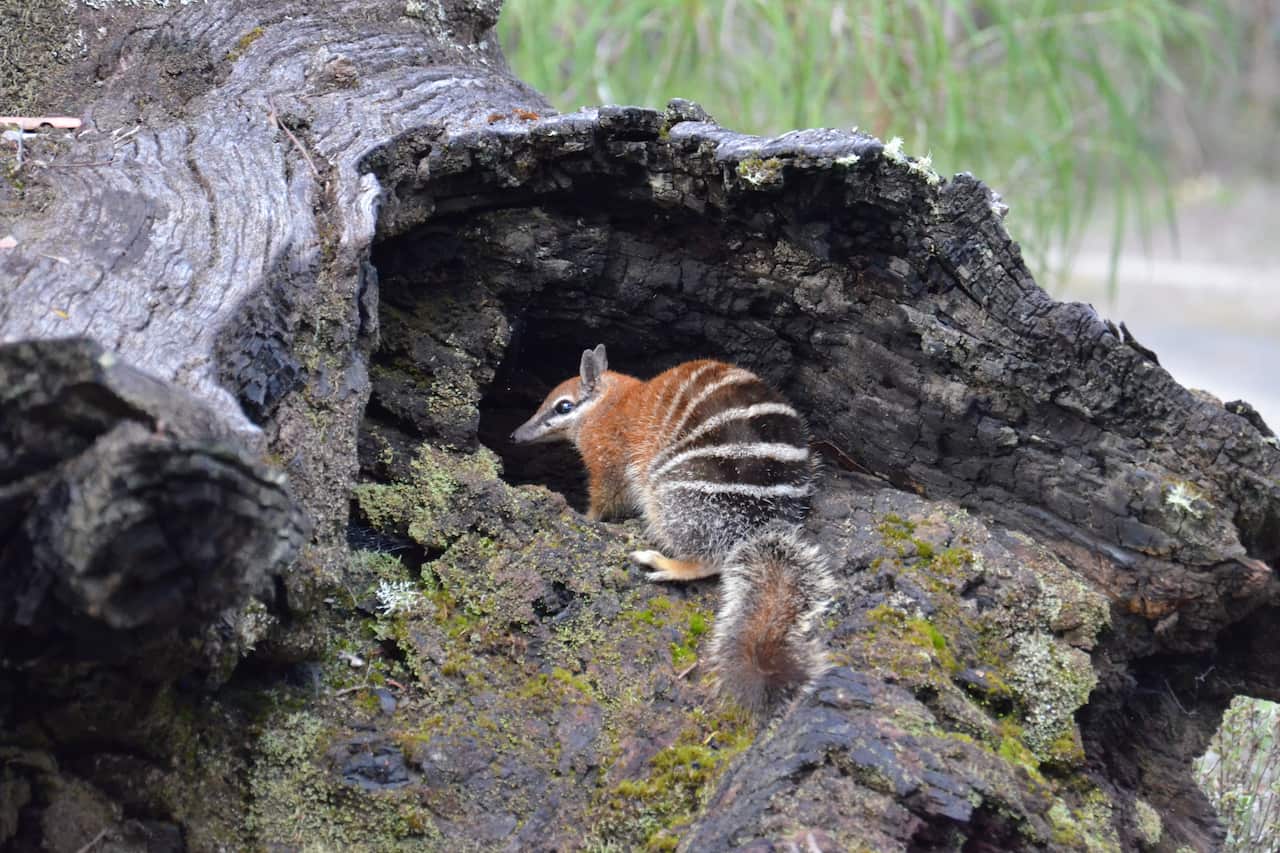
- May pinakamalalang rekord ang Australia sa buong mundo pagdating sa pagkawala ng mga mammal, at mahigit 2,000 species ng mammals, ibon, at invertebrates ang kasalukuyang nanganganib na tuluyang maglaho.
- Maaaring makibahagi ang lahat sa pagprotekta sa mahalagang wildlife o hayop at kanilang tirahan sa Australia sa pamamagitan ng pagsuporta sa mga conservation organisation at mga grupong nagtataguyod ng natural na kasaysayan.
Bakit natatangi ang wildlife o hayop at kapaligiran ng Australia?
Ayon kay Professor Hugh Possingham, co-chair ng Biodiversity Council at vice-president ng BirdLife Australia, ang Australia ang may pinakakakaibang mga halaman at hayop kumpara sa ibang kontinente sa mundo.
“Australia broke away from other continents over 50 million years ago and has been an isolated continent for a very long time.”
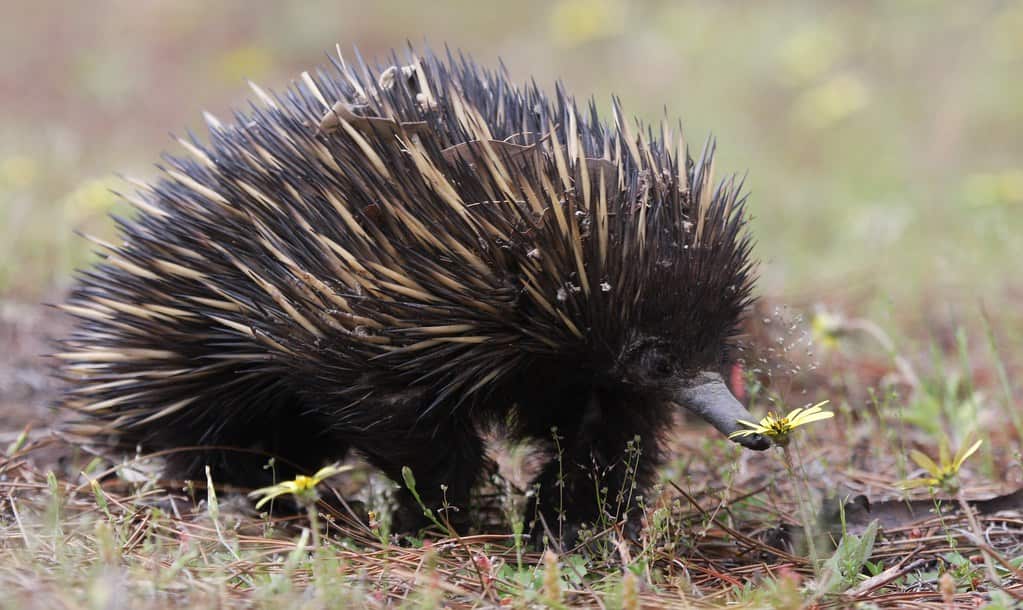
“A lot of our marsupials such as koalas, kangaroos, wombats and gliders, and species like our egg-laying mammals, the platypus and the echidna, aren't found anywhere else in the world.”
Pinaunawa din ni Yilka/Ngaanyatjarra/Narrunga woman Jade Bromilow, mula sa Indigenous Desert Alliance, para sa mga First Nations people ng Australia, ang 'country' ay hindi lang basta lupa kundi pamilya at mahalagang bahagi ng kanilang pagkakakilanlan.
"They're a part of our food systems, our totems, our dreaming tjukurrpa stories and our teachings that we will then teach on to the next generation."
“We've lived alongside these species for thousands of years and we understand the patterns when they move, when they breed, when they're thriving and when something's not right. So when we talk about wildlife and flora being special it's not just because it's unique, it's a part of who we are as Indigenous people.”
Bakit mahalaga ang konserbasyon ng mga hayop at halaman sa Australia?
Mahalaga ang pangangalaga sa natatanging biodiversity ng Australia hindi lamang para sa mga hayop at halamang kasama natin sa paligid, kundi pati na rin para sa kalusugan at kaunlaran ng lahat ng Australians.
“Healthy ecosystems forests, lakes, grasslands these are the things that provide services for humanity. They provide clean air, they mitigate against climate change, and they underpin some of our major industries such as tourism and agriculture,” paliwanag ni Prof Possingham.
“If we lose species, unfortunately the functioning of those ecosystems starts to decline. So the benefits and the services they provide to us as people also decline.”
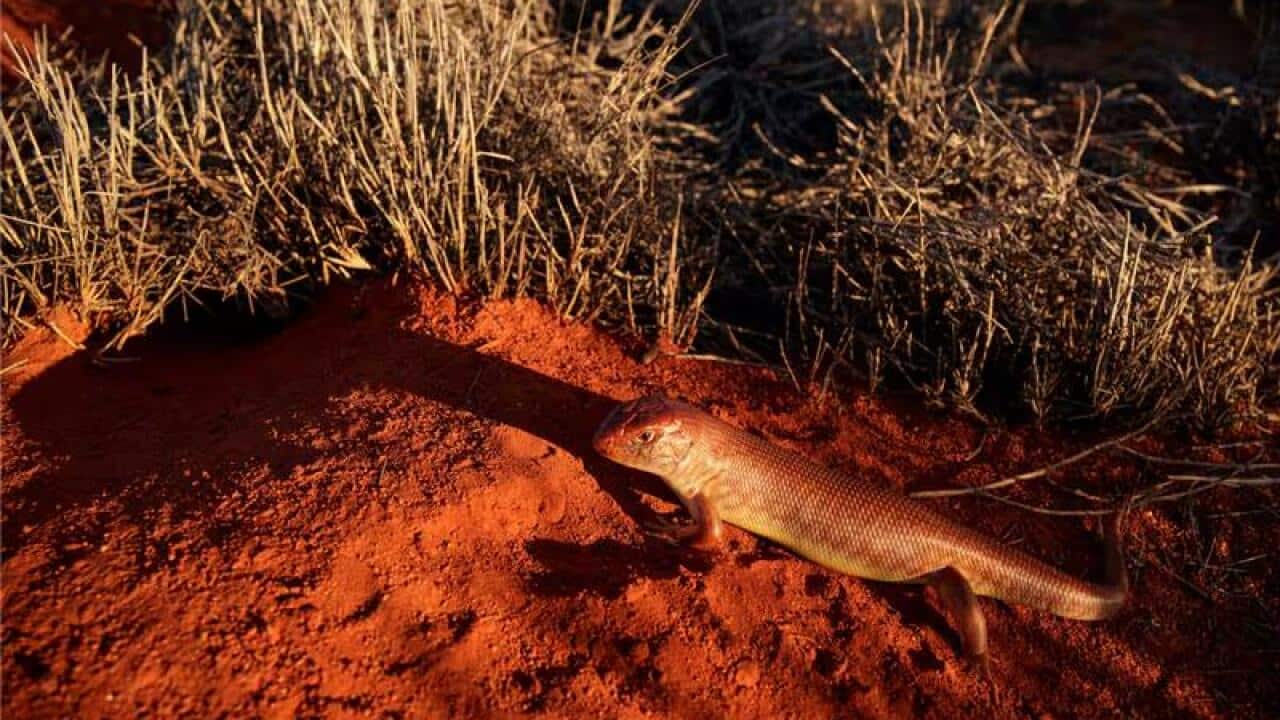
Isa sa mga nanganganib na hayop sa Australia ay ang Great Desert Skink, na may malaking kahalagahan sa kultura ng mga Indigenous people.
“The Great Desert Skink or Tjakura is a small orange lizard that lives underground in a family burrow system. What's beautiful about the Tjakura is that they live together with multiple generations, sharing the same burrow and looking after one another. And this kind of reflects how we in Indigenous communities value our family, our community and caring for country,” dagdag ni Bromilow.
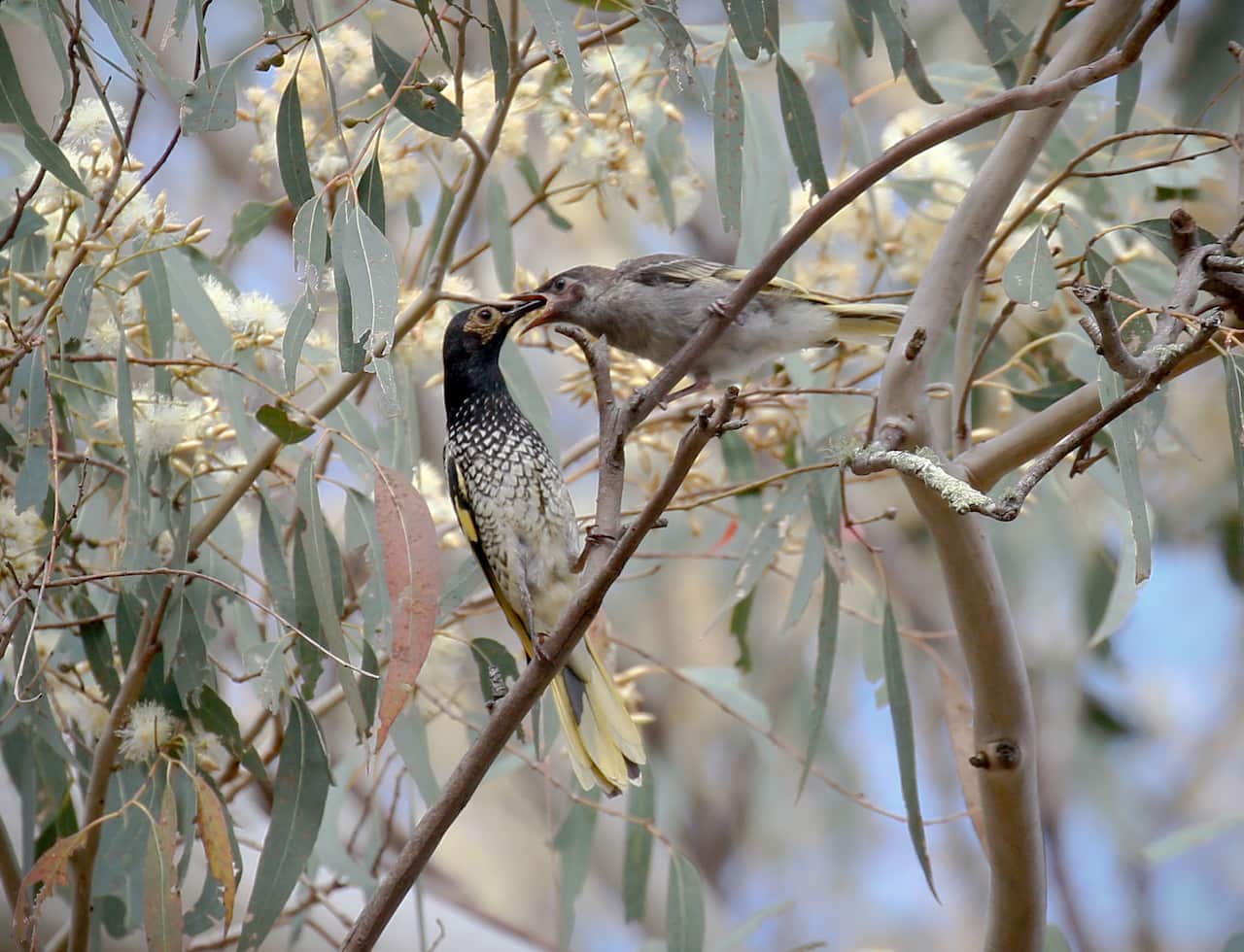
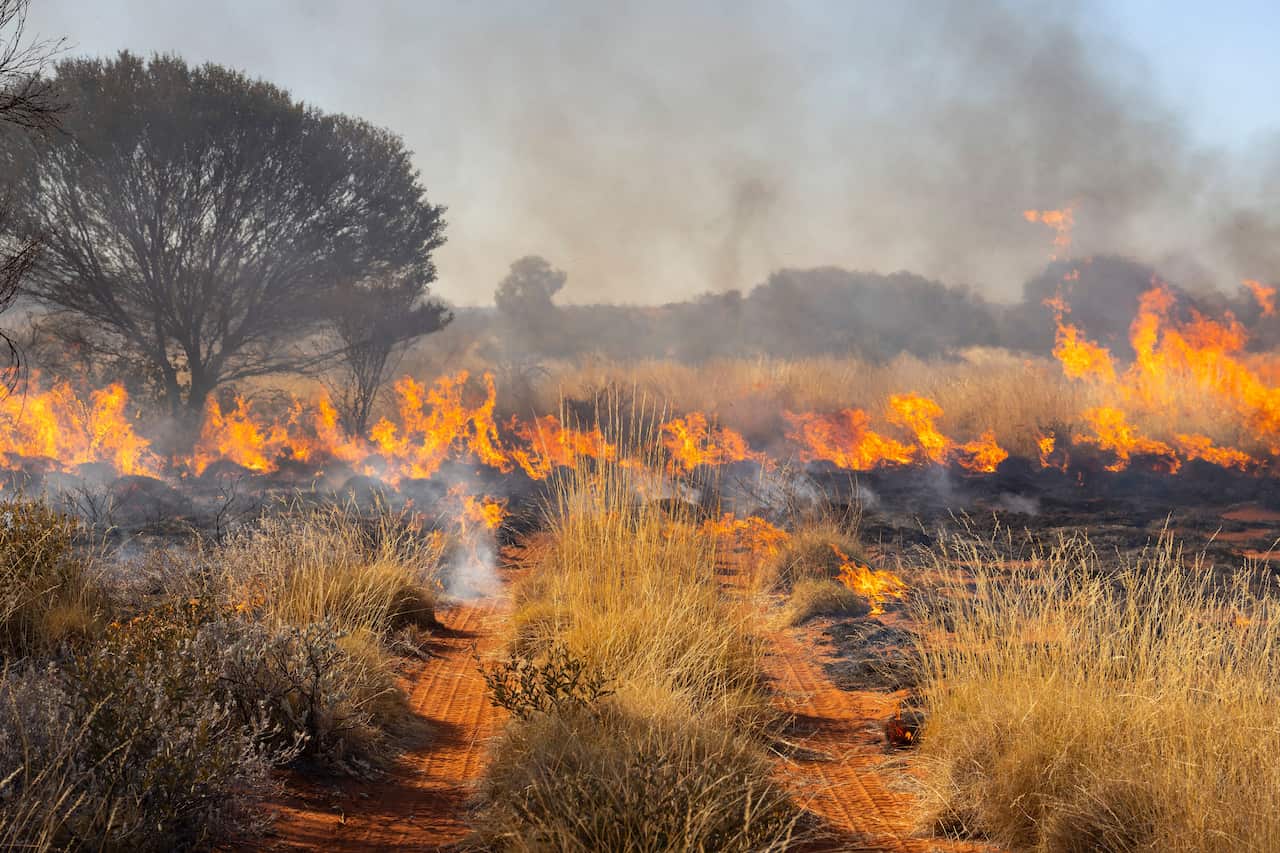
Many species will not be able to adapt to the increased temperatures and increased frequency of catastrophic events, like fire, flood and intense cyclones.Professor Hugh Possingham
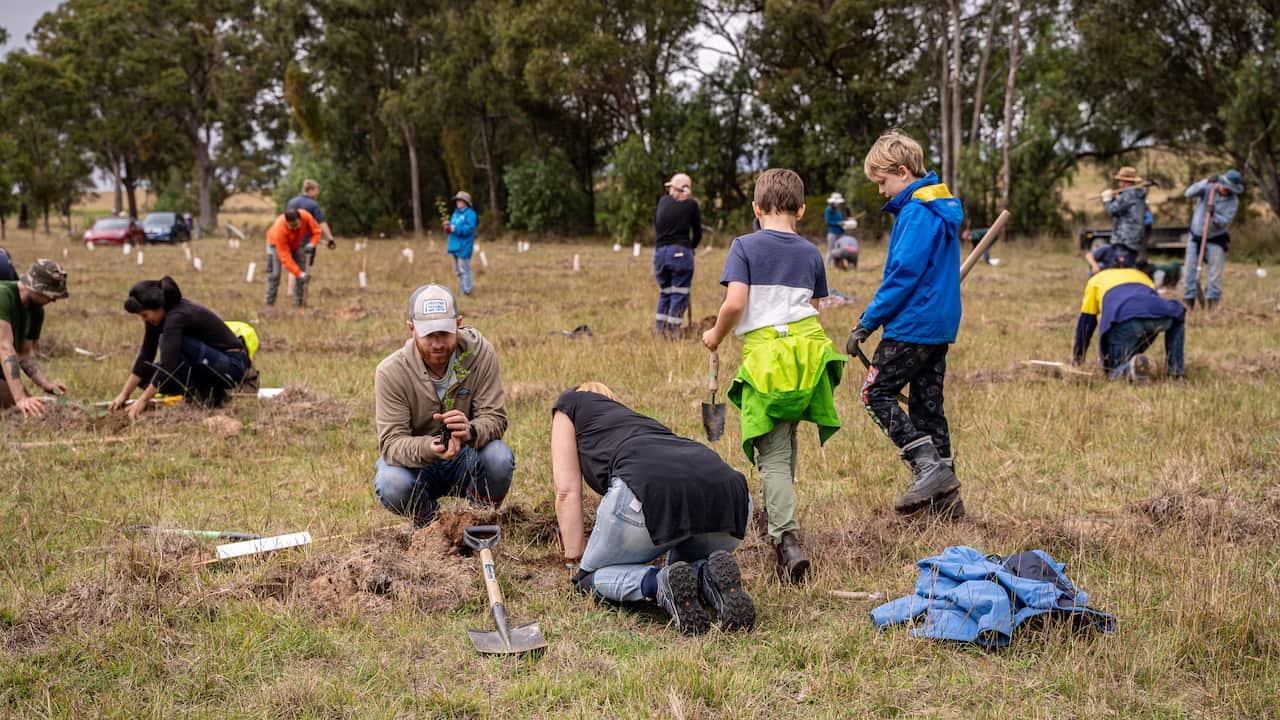
Dagdag ni Jade Bromilow, maaaring mong suportahan ang mga conservation efforts at ranger programs na pinamumunuan ng mga Indigenous community.
"It can start with something as simple as learning whose Country you're on and listening to and respecting local knowledge.
And when communities are coming together and they're listening, learning and taking responsibility, we're protecting the place that we all feel is special. And it's important for not just Indigenous people, but everyone in Australia that if we look after Country, Country will look after us.”
Mga links para sa karagdagang impormasyon:
Mag-subscribe o i-follow ang Australia Explained podcast para sa natatanging at mahahalagang impormasyon at tips sa pagsisimula ng bagong buhay sa Australia.
May mga tanong ka ba o paksa na gustong pag-usapang? Mag-email sa australiaexplained@sbs.com.au
📢 Where to Catch SBS Filipino
🔊 On Air – Tune in to SBS Filipino on radio stations across Australia and website live stream, and TV Channel 302 from 10 AM to 11 AM AEST daily.
📲 Catch up episodes and stories – Visit sbs.com.au/filipino or stream on Spotify, Apple Podcasts, Youtube Podcasts, and SBS Audio app.
📣 Follow Us on Social Media – Stay updated by following us on Facebook and Instagram.