
As we are entering the year of תשפ"ז - the 5787 year in the Jewish calendar - many wish for gentler and kinder times. For the occasion, SBS Hebrew speaks with Rabbi Daniel Rubin from Caulfield Shule.
The Hebrew letters for the incoming New Year of the Jewish calendar are תשפ"ז - pronounced 'Tashpaz'.
In Hebrew, the word Paz (פז) means pure gold or can be interpreted as the shining of gold or golden-coloured. Serendipitously, this befits the background story of the Jewish New Year practice:
In the common Gregorian calendar, the new year falls in the dead of winter. However, for members of the 'The Tribe' around the world, it falls this week through the Australian spring and late Israeli summer.
This year, on Friday the 11th of September, we celebrate Rosh Hashanah, the Jewish New Year. To appreciate why this festival falls in Levantine autumn, we have to go back thousands of years.
In the ancient biblical world, time was tied to the soil and the stars. The Hebrew calendar actually recognised four different new years throughout the seasons for crops, animals and kings.
Originally, the Bible called the day Yom Teruah, often translated as the Day of Trumpet Blasts or the Day of Acclamation. This day was not the first month of the year; it was the seventh. How did the seventh month become the Head of the Year?
By the second century, Jewish scholars had codified teachings linking Rosh Hashanah with creation, judgment and renewal. Jewish tradition teaches that this day marks the anniversary of creation and the beginning of a new spiritual year.
By tradition, Synagogues around the world echo with the sound of the shofar - made from a ram's horn. It is the defining voice of the holiday, not only a call to celebration but also to look inward and heal relationships. It marks the start of the "Days of Awe" - a period of deep self-introspection leading to Yom Kippur, the Day of Atonement.
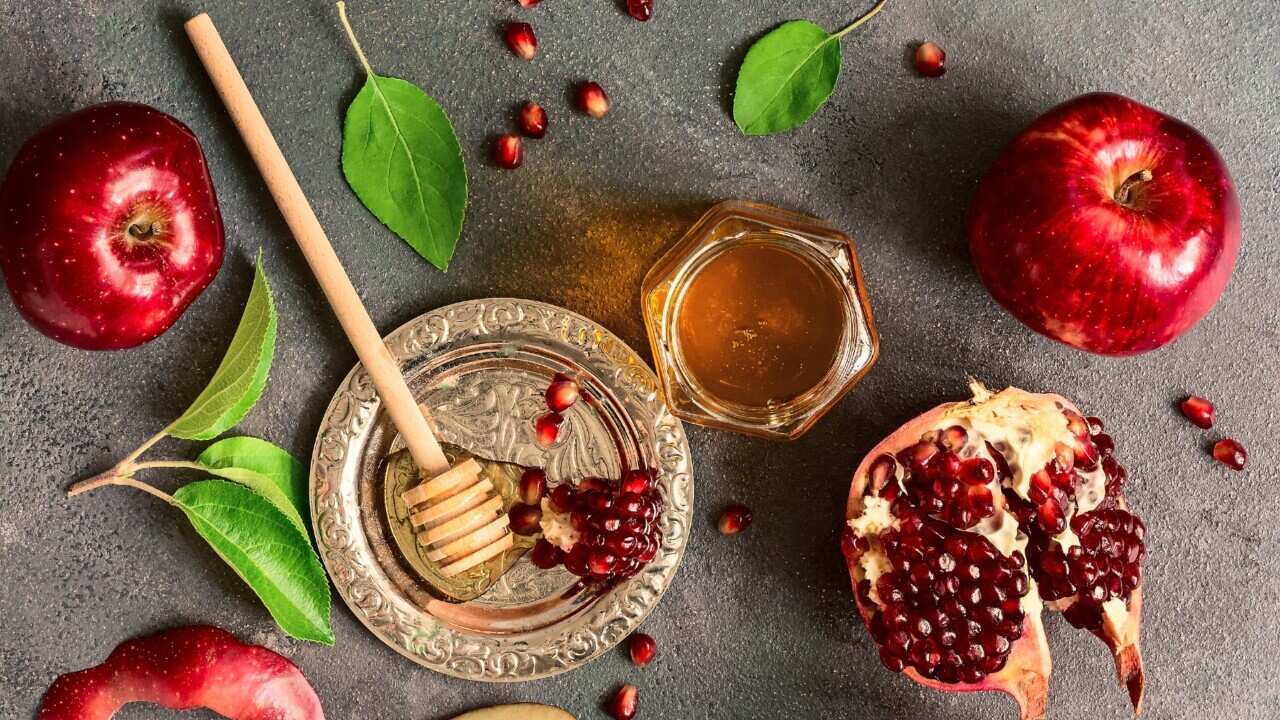
Yet, Rosh Hashanah is a very sweet holiday. Families gather around tables with visual prayers for the future, dipping apples in golden honey, cutting into round, braided loaves of challah bread, often symbolising the cycle of the year and divine kingship, and enjoying pomegranates, wishing that their good deeds will be as numerous as the seeds inside.
It is a beautiful tapestry of history, law, and hope. A tradition that reminds us that no matter what the past year brought, this time offers us a chance to harvest our lessons and begin again. From all of us here at the station, Shanah Tovah U'metukah, may you have a good and sweet new year.
Rabbi Daniel Rabin serves as the Senior Rabbi of Caulfield Shule and has been in the field of Jewish education and community leadership, as well as pastoral care, for many years. He has taught Jewish studies both here and abroad, has been a visiting university chaplain, served as a leader within the broader Melbourne Jewish community, and was a member of the local Rabbinical Council of Victoria.