Key Points
- The Indian Prime Minister visited Australia after almost a decade.
- Bilateral pacts on green energy, enhanced trade, and defence cooperation signed.
- PM Albanese addressed the voices of protest in the Indian community.
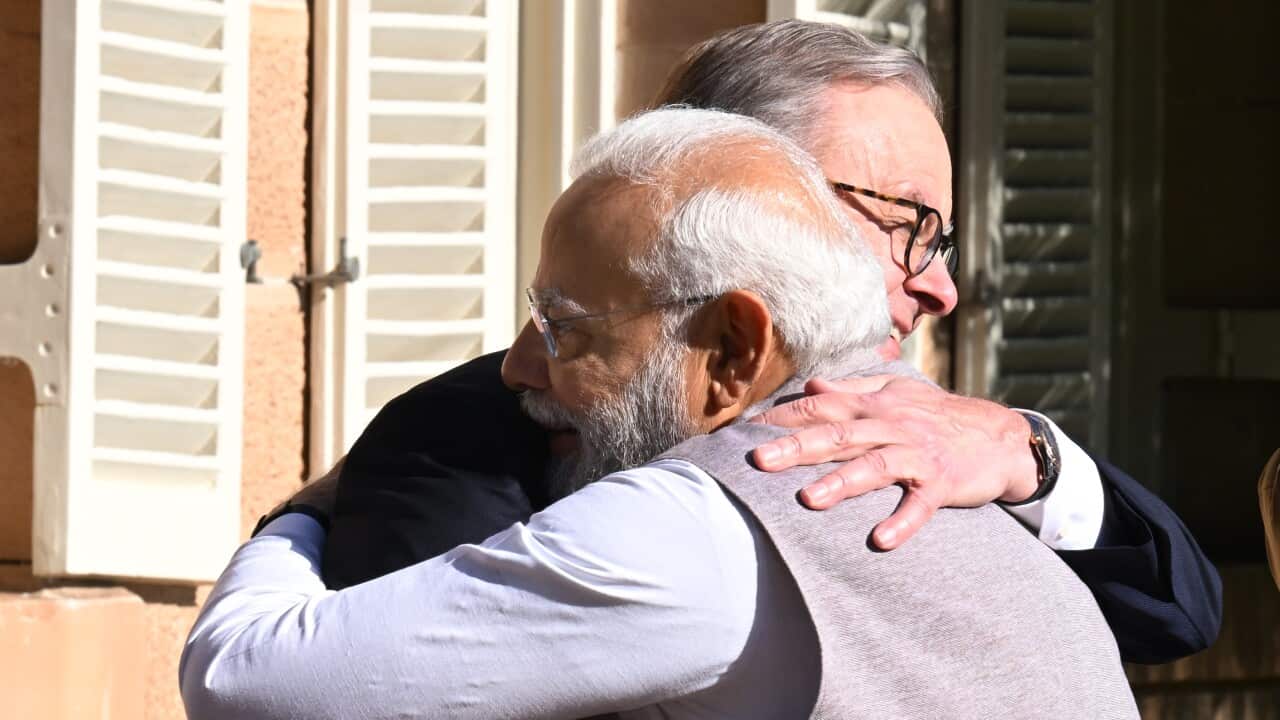
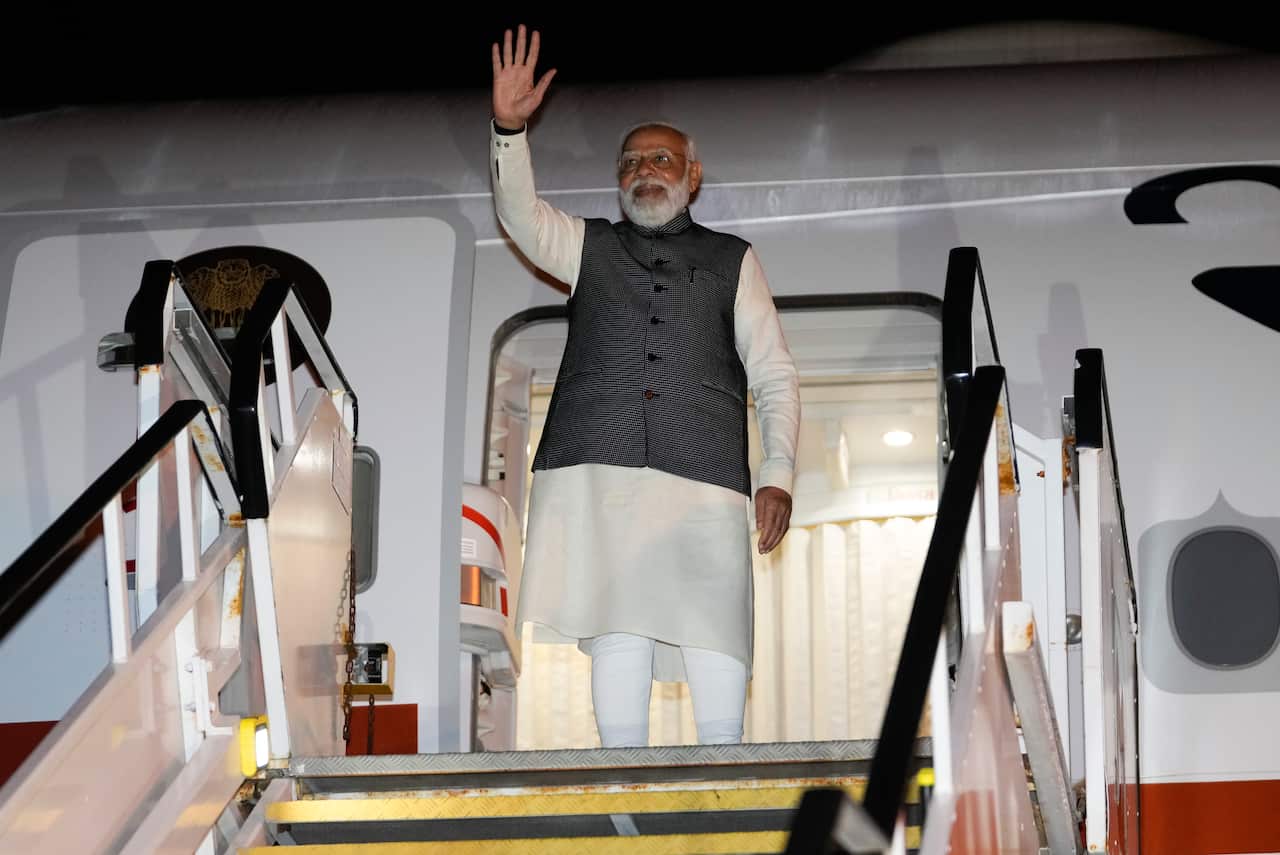
India's Prime Minister returned home on 24 May after a three-day visit to Australia which began with a warm welcome from the Indian-Australian community.
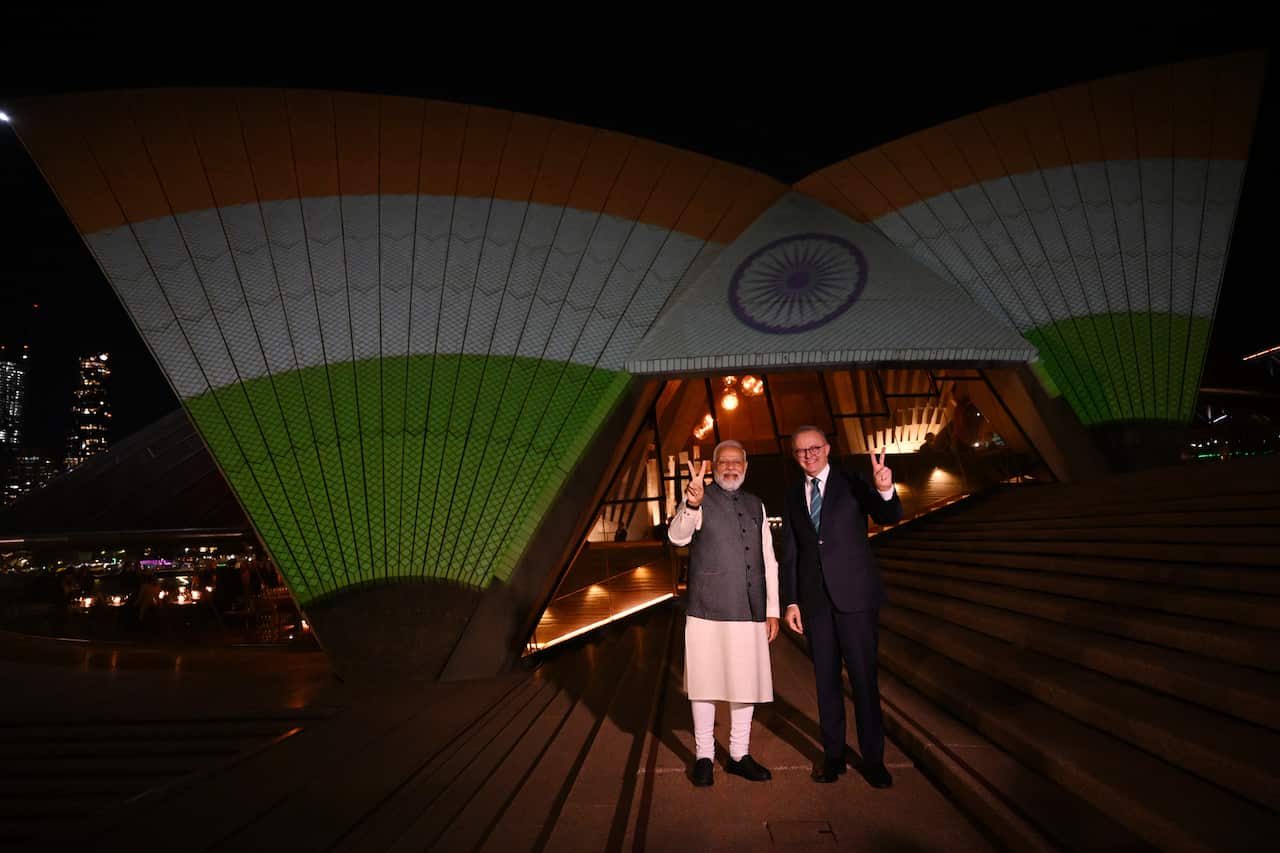
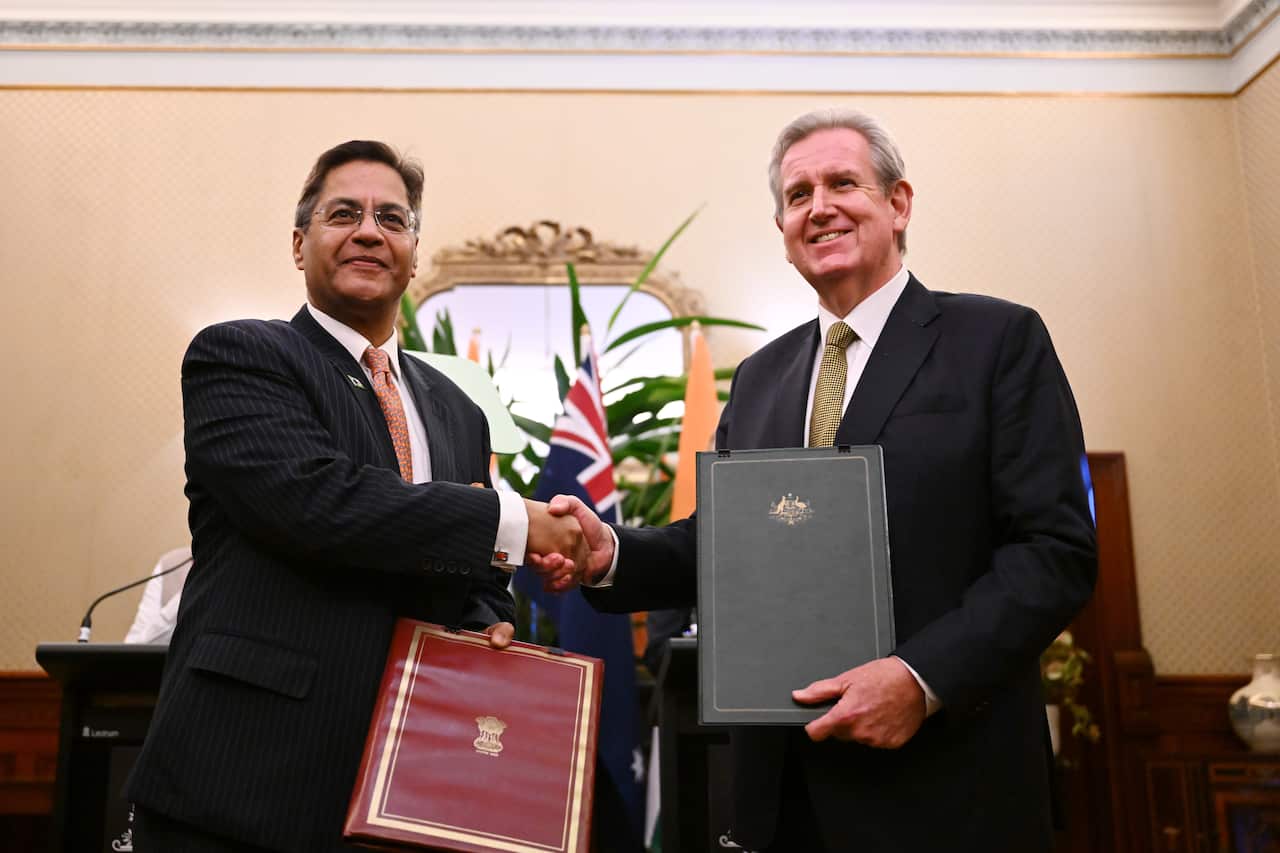
His visit culminated with the signing of the Australia-India Migration and Mobility Partnership Arrangement. The two leaders also signed the terms of reference for the Australia-India Green Hydrogen Taskforce.
Prime Minister Anthony Albanese said, "Our strong partnership with India will deliver benefits for Australia in trade, investment and business, and regional security and stability."
This is a relationship we need to invest in.Anthony Albanese, Australian Prime Minister
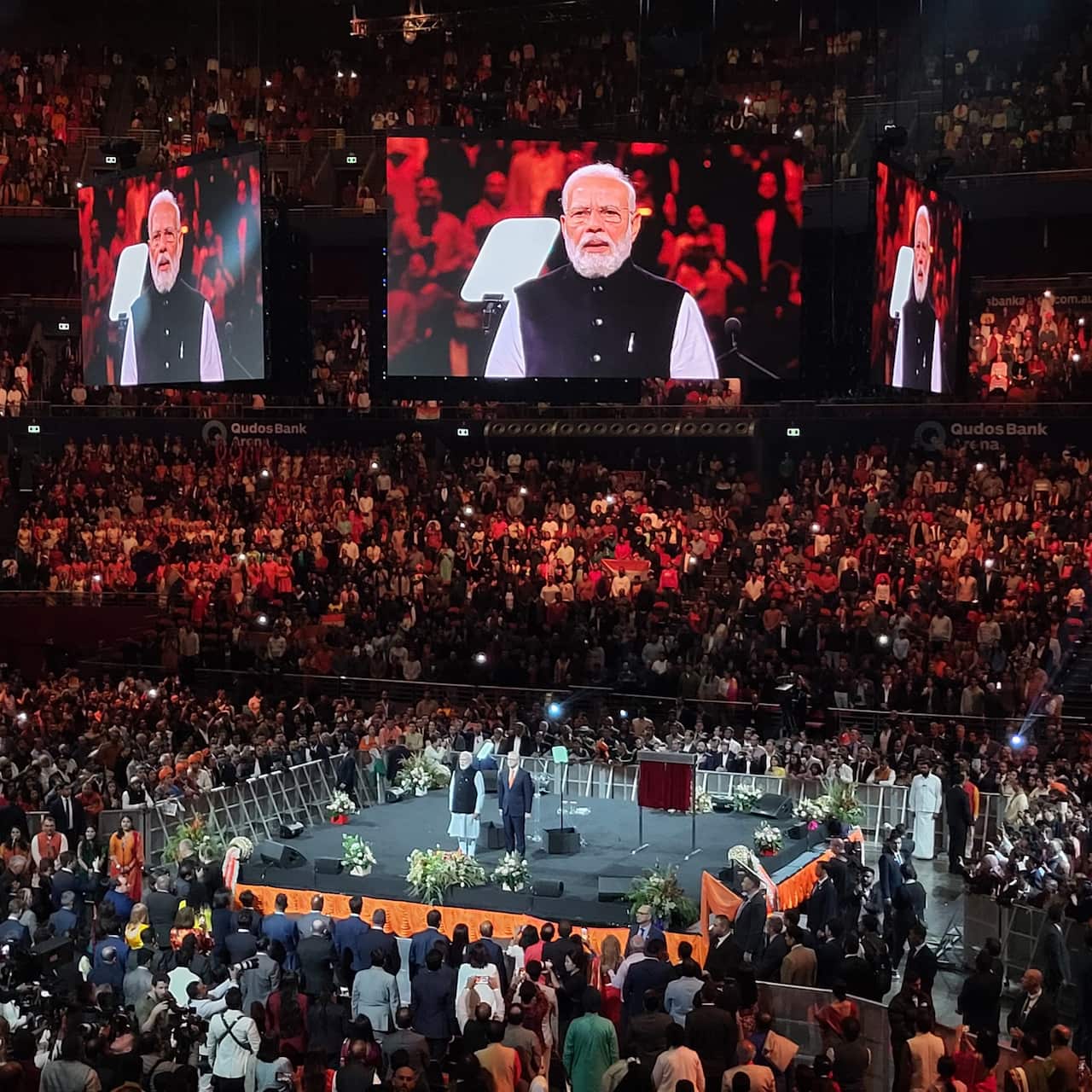
In his address to the community, Mr Modi highlighted numerous initiatives of his government in fin-tech (computer programs and other technology used to support or enable banking and financial services), medicine, global cooperation and strategic advancement. He said he could see the optimism from the business community in Australia.
He said, "We will look forward to greater Australian investment in India. India will soon become the third-largest economy in the world."
Mr Modi hailed the Indian diaspora of Australia as the true reason for the strong mutual bond between the two countries.
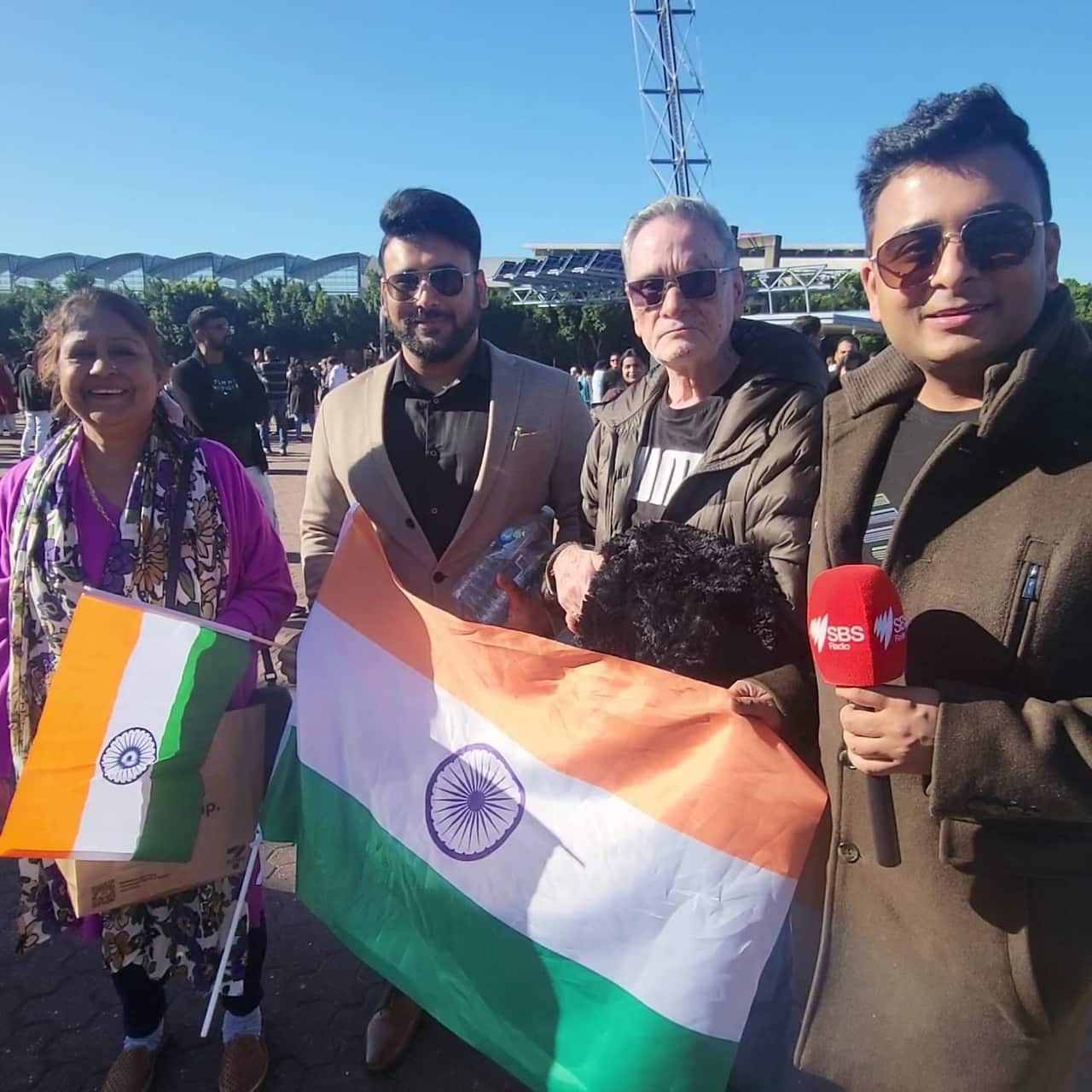
One of the attendees of the community welcome, Bhupendra Sethia, had travelled from Brisbane to listen to Mr Modi. He said, "Mr Modi is a true leader and has put India on a global map for good."
A business roundtable and CEOs' forum saw Mr Modi interact with some of Australia's foremost business leaders, heads of leading banks and vice-chancellors of major universities.
An India Prime Minister's Office (PMO) media release said Mr Modi had encouraged the CEOs to "take advantage of investment opportunities in India" in sectors such as infrastructure, IT, space, mining, fin-tech, and others.
However, the Indian community was divided in welcoming the Indian Prime Minister. Various protests were carried out in Sydney during a bilateral meeting between Australian and Indian representatives.
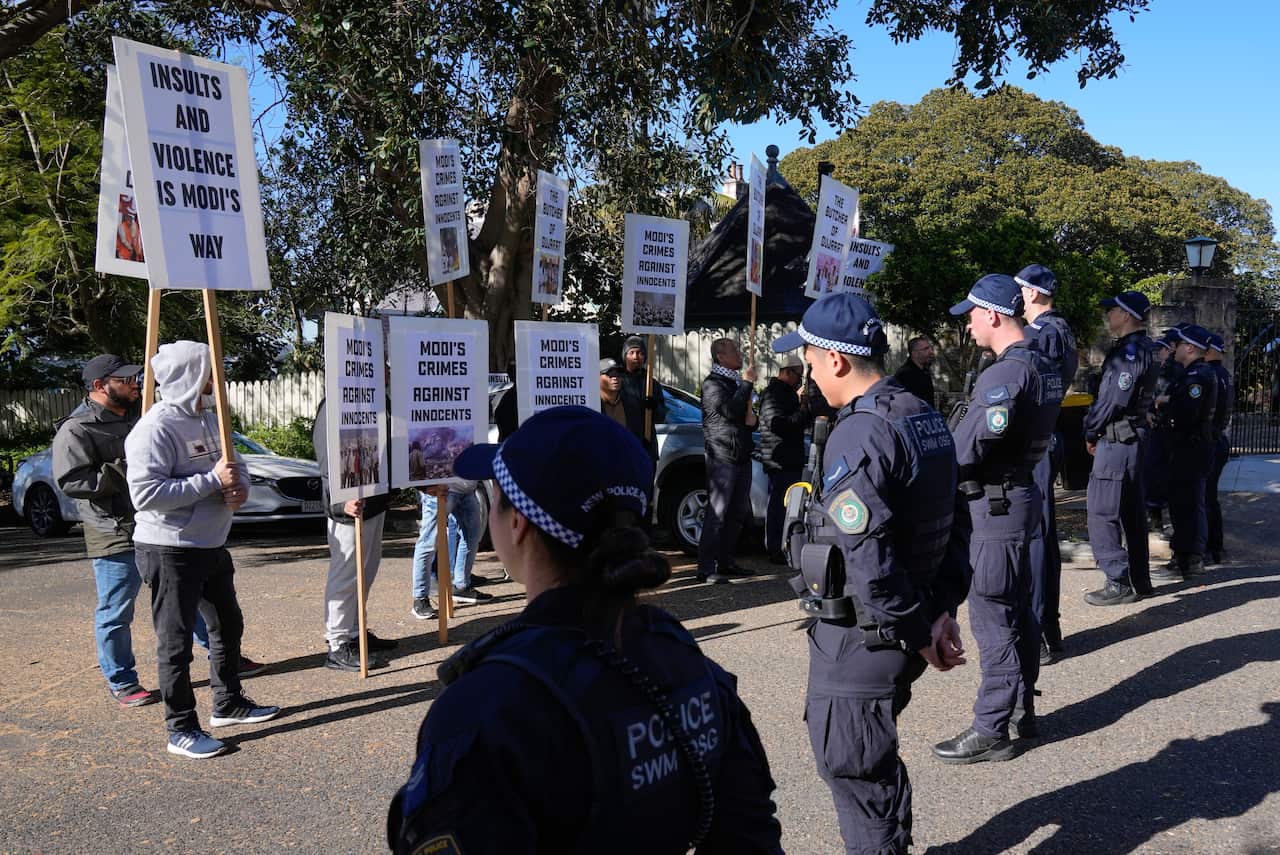
The community reception for Mr Modi at Qudos Bank Arena saw protests over alleged human rights abuses against minorities in India. The Australian Greens party wrote an open letter to Mr Albanese and Foreign Affairs Minister Penny Wong urging them to rethink Australia's close ties with India.
The controversial BBC documentary on Mr Modi, 'Modi in Question', was screened at Parliament House in Canberra with the Australian Greens supporting the event.
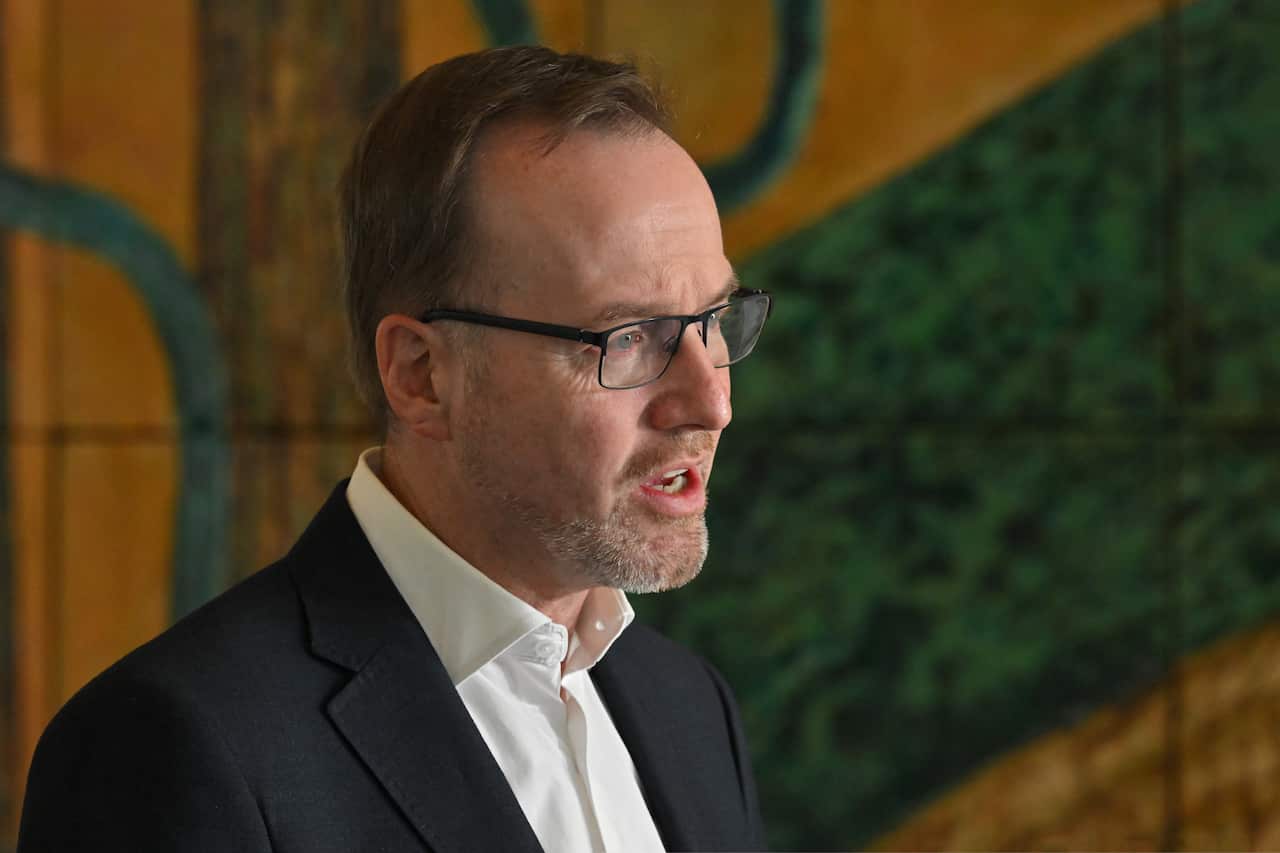
In his address to the gathering after the screening, Senator David Shoebridge said, "In India, telling the truth can be a crime. This film is a small taste of what people in India have been experiencing with the administration there."
In India, telling the truth can be a crime.Greens Senator David Shoebridge
Greens member and social justice activist Deepak Joshi echoed Mr Shoebridge's words.
He said, "India has ranked historically low on various democracy and press freedom indices. The politics have become increasingly divisive over the years."
Mr Joshi said that whereas earlier, one could politically disagree amongst friends in the Indian community, now, it could lead to broken, interpersonal relationships.
Here in Australia, of course, people have a right to express their views in a peaceful way, and ... we all have different views about people in politics.Anthony Albanese, Australian Prime Minister
When asked about the various protests against Mr Modi in Sydney, Mr Albanese told the ABC, "Australia, of course, always stands up for human rights, wherever it occurs anywhere in the world."
Both nations' heads will meet again for the G20 Summit in India at the end of this year.
Tune into SBS Hindi at 5pm every day and follow us on Facebook and Twitter.