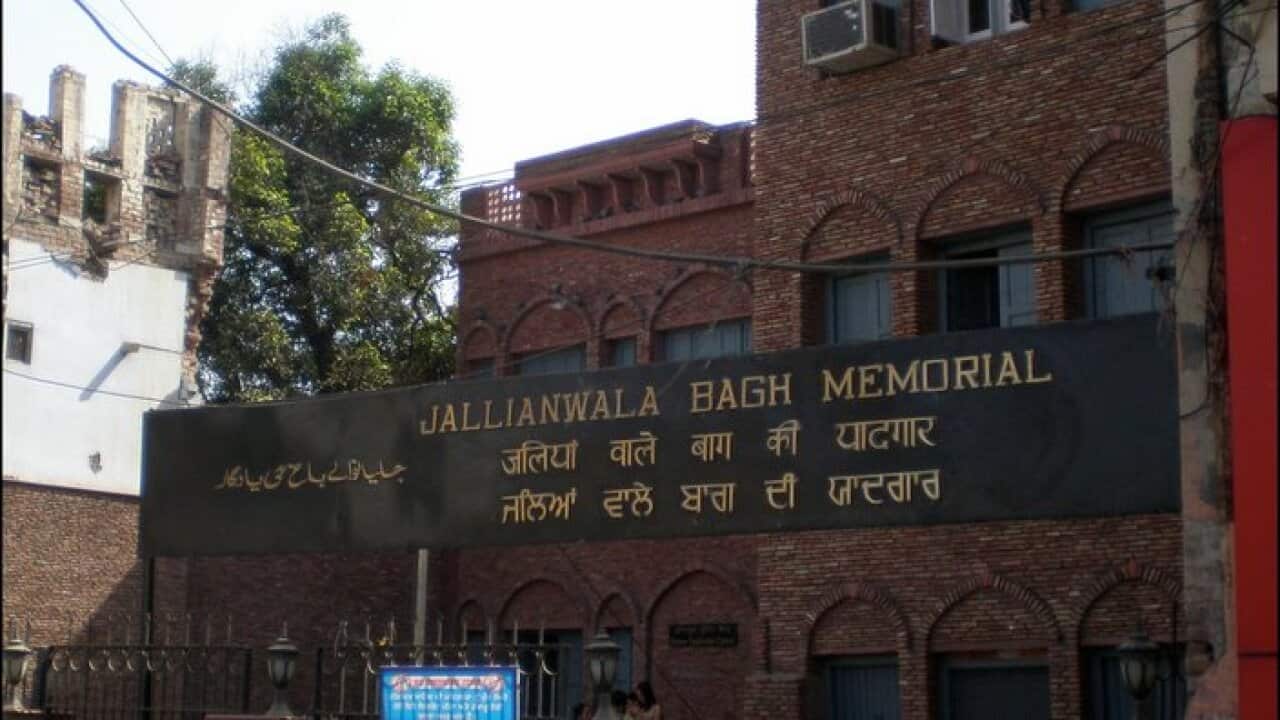

Commemorating 100 years of the Jallianwala Bagh massacre on 13th April 1919, we trace the history of this incident and its aftermath.
1,650 bullets, more than a 1,000 corpses of children, men and women and the soul of India was shattered. Even after 100 years, the Jallianwala Bagh massacre rankles in the heart of India.
A 100 years ago on 13th April 1919 at 5:00 pm on the joyous occasion of Baisakhi in the holy city of Amritsar’s Jallianwala Bagh the massacre of innocent people took place. Brigadier Brigadier-general Reginald Dyer marched into the park with his soldiers and started firing. The Park at that time was a quadrangular wasteland surrounded by houses on all sides and the entrance could be accessed by a single narrow passage. About 20,000 people had gathered there, among whom some were gathered there for an outing, others had returned from the Golden Temple after offering prayers and yet others were present to hear about the arrest of National leaders under the Rowlatt Act.
Speaking to SBS Hindi about what prompted General Dyer to shoot indiscriminately at a crowd of innocent people, Mr Ajit Somers, a former member of the African National Congress and an associate of Nelson Mandela says, “The British Raj experienced rolling mass action, in the form of resistance and mass mobilisation of people against British rule."
"The state of Punjab was a hotbed for such agitation. To quell this situation, specifically, the British authorities passed the Rowlatt Act on 18 March 1919, which gave the colonial administration a wide range of unlimited powers, or detention, repression, and tyranny.
"M. K. Gandhi made a proposal and plea that such draconian laws be immediately withdrawn forthwith and he called for general mass action on 18 March 1919, which was later delayed till 6 April 1919. This general strike had paralysed political India. The most severe agitations occurred in the state of Punjab, where troops were deployed and Marshall Law declared.”
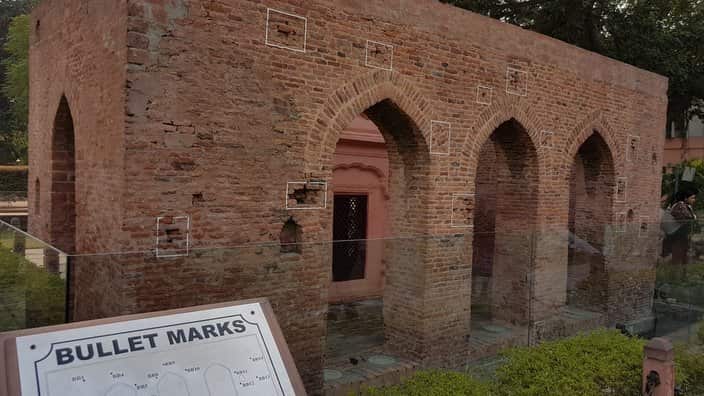
Unknown to the general public General Dyer had issued his own proclamation. This proclamation prevented the people from leaving the holy city, without written permission and banned any demonstrations, and processions. However, on this fateful day of 13th April, 1919 people gathered at the Jallianwala Bagh from Amritsar and surrounding villages. General Dyer commanded his soldiers to fire every bullet until no bullet was left in their rifles. The soldiers fired 1,650 bullets within ten minutes and were commanded to fire straight at the heads or chest of the people gathered there, without wasting a single bullet.
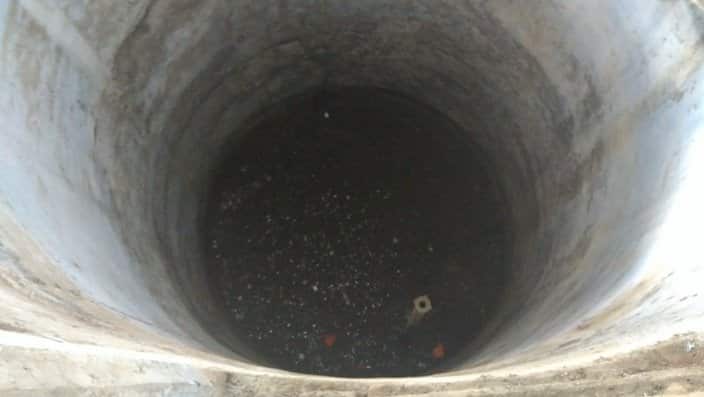
The crowd was given no warning, neither were any shots fired in the air. The only entrance was blocked by the British soldiers and people had no way to escape. According to the British records, 379 were killed and 1,137 were injured. According to the figures of the Indian National Congress, more than 1,000 were killed and about 1,500 were injured. The maiden was strewn with the blood and dead bodies of men, women and children. To escape the firing many jumped into the single well in the Bagh. More than 100 dead bodies, mainly of women and children were found in the well.
The Hunter Commission was set up for an inquiry into Dyer’s actions. He had said that taking the injured to a hospital was not his responsibility Addressing the Hunter Commission General Dyer stated that he had gone to the Bagh with the deliberate intention of opening fire if he found a crowd assembled there. I think it quite possible that I could have dispersed the crowd without firing but they would have come back again and laughed, and I would have made, what I consider, a fool of myself."
Secretary of State for War Winston Churchill referred to it as "monstrous" and condemned the massacre.
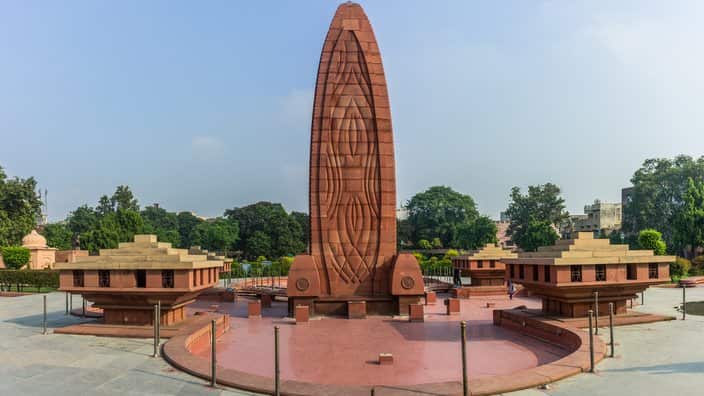
Talking about the aftermath of the Jallianwala Massacre Mr Ajit Somers told SBS Hindi, “The Jallianwala Bagh massacre was a watershed in Indian politics and helped galvanise millions of Indians who previously did not think of their political identity before that fateful Sunday 13 April 1990. The Nobel Prize winner for literature and India’s poet laureate of India Rabindranath Tagore returned his knighthood to the British King. It ingrained in Mohandas Karamchand Gandhi an unflinching resolve and an undiluted faith in the freedom struggle against colonial rule.”
India's Independence movement gained momentum after the Jallianwala Bagh massacre.
The British government has expressed regret over the Jallianwalla Bagh massacre but never extended a formal apology thus far.
Dr Amandeep Bal the Head of the History Department at the GNDU of Amritsar told SBS Hindi, “It’s a matter of personal opinion whether the British Government should extend an apology, but many people who are emotionally attached to this issue, feel that a formal apology should be extended.”