

Social Media giant Facebook restricted users in Australia from sharing or viewing Australian and international news content on the platform on Thursday morning.
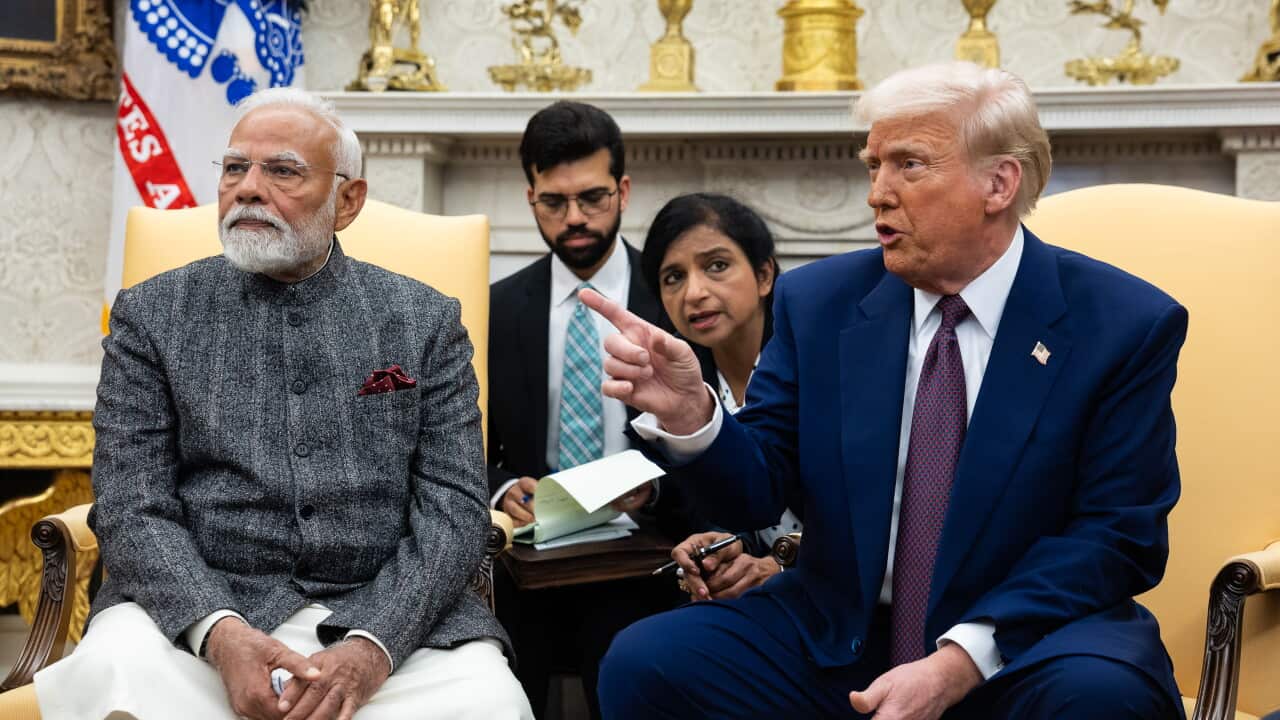
Facebook's ban on news in Australia will impact migrant communities adversely, says Dr Vikran Kishore, Senior Lecturer & Course Director in Film, Television & Animation at Deakin University.
Highlights:
- Facebook has restricted users from sharing or viewing Australian and international news content.
- The move was in response to the federal government's proposed legislation to force internet platforms to pay for news content.
- Australian publishers will not be able to share or post content on Facebook pages, while news content from non-Australian publishers will not be viewed or shared by Australian users.
How will communities be impacted, listen to this podcast:
"It has come as a rude shock to many, that Facebook has banned news sharing in Australia. Especially in the Indian community, many are concerned regarding restriction on news, as the consumption of news via Facebook feed/share has become very common; thus, instead of navigating news portals for Indian community, or India based news, many rely on their Facebook feed, which often is a faster source," Dr Kishore said.
"In fact, for me also, navigating social media sites like Facebook and Twitter provides a better overview of important news, that I am interested in."
This is going to affect the migrant communities adversely as they depend on social media for many important updates and information.
Concerns have also been raised over how the news ban will impact people's access to health information during the pandemic, including in-language services run by SBS.
In a blog post, the US-based company said that the move was in response to the federal government's proposed legislation to force internet platforms to pay for news content.
Facebook's decision means Australian publishers will not be able to share or post content on Facebook pages, while news content from non-Australian publishers will not be viewed or shared by Australian users.
Users outside Australia will not be able to view or share Australian news content on Facebook or content from Australian news pages.
Campbell Brown, Facebook's VP of global news partnerships, said it had been a tough decision.
"Today we made an incredibly difficult decision to restrict the availability of news on Facebook in Australia," Ms Brown said in a statement.
"Contrary to what some have suggested, Facebook does not steal news content. Publishers choose to share their stories on Facebook. From finding new readers to getting new subscribers and driving revenue, news organisations wouldn't use Facebook if it didn't help their bottom lines."
Dr Kishore says the this code is intended to stop social media giants like Facebook and Google from getting access to news content from providers free of cost and makes it mandatory for them to pay for the news content they use.
"Personally, I am still deliberating if this move is good, or bad! I am an advocate of free internet but seems that is never going to happen. Thus, deliberating on some of the pros and cons, one might feel that getting the social media pay for the news that are being shared on their platform has some merit (as many social media get their consumers to pay for boosting their content, also earn a huge amount via ads), but if this law is to just benefit big media houses, then I think it is flawed."
Facebook ban has cut Australian migrant communities from their home countries too.
Facebook has not just restricted sharing Australian news, you cannot share or read other countries' news too on this social media platform.
"The strong way Facebook has implemented this ban, which has also impacted many community, health, and educational pages, it is not good. I would have liked they act with such fervour to curb the online trolling, bullying, harassment, and hate speech," suggests Dr Kishore adding that
Facebook's move to remove news organisations from its platform has captured non-news, official pages including governmental health organisations, social services, union groups including, temporarily, the Bureau of Meteorology.
Anti-domestic violence groups including the national sexual assault, domestic family violence counselling service 1800Respect and Queensland's DV Connect were also stripped of posts.
In a statement to SBS News, Facebook said it would reverse the ban on pages "inadvertently impacted" but that it was forced to take a "broad definition" of what constituted news as part of the draft media bargaining laws.
"Government Pages should not be impacted by today's announcement," a company spokesperson said in a statement to SBS News.
You may have noticed SBS Hindi is no longer available on Facebook.
Here's where else you can find our content and follow us:
SBS Hindi website: Save our website sbs.com.au/hindi as a favourite.
SBS Radio app: Download our app from Apple's App Store or Google Play and subscribe to the alerts.
Twitter: Follow us at twitter.com/SBSHindi