
The last parliamentary sitting of the year in Australia has turned out chaotic but eventually led to the passage of new encryption laws. The Coalition Government has struck a deal with the Opposition, which agreed to pass the encryption laws on the condition the Government agreed to assess Labor's so-called Nauru bill.
The Federal Opposition has agreed to pass the Government's new encryption laws so they can be in operation over the long Christmas parliamentary break.
But Labor's proposed amendments on medical transfers to Australia for refugees and asylum seekers on Nauru and Manus island will not be passed before February next year.
That was the outcome of a tortuous final sitting day of parliament for the year after Labor originally withheld its approval on encryption while trying to force equally quick action on the refugees.
In the end, the Opposition agreed to drop its amendments to the encryption bill on the condition the Government agreed to assess Labor's Nauru bill when parliament returns.
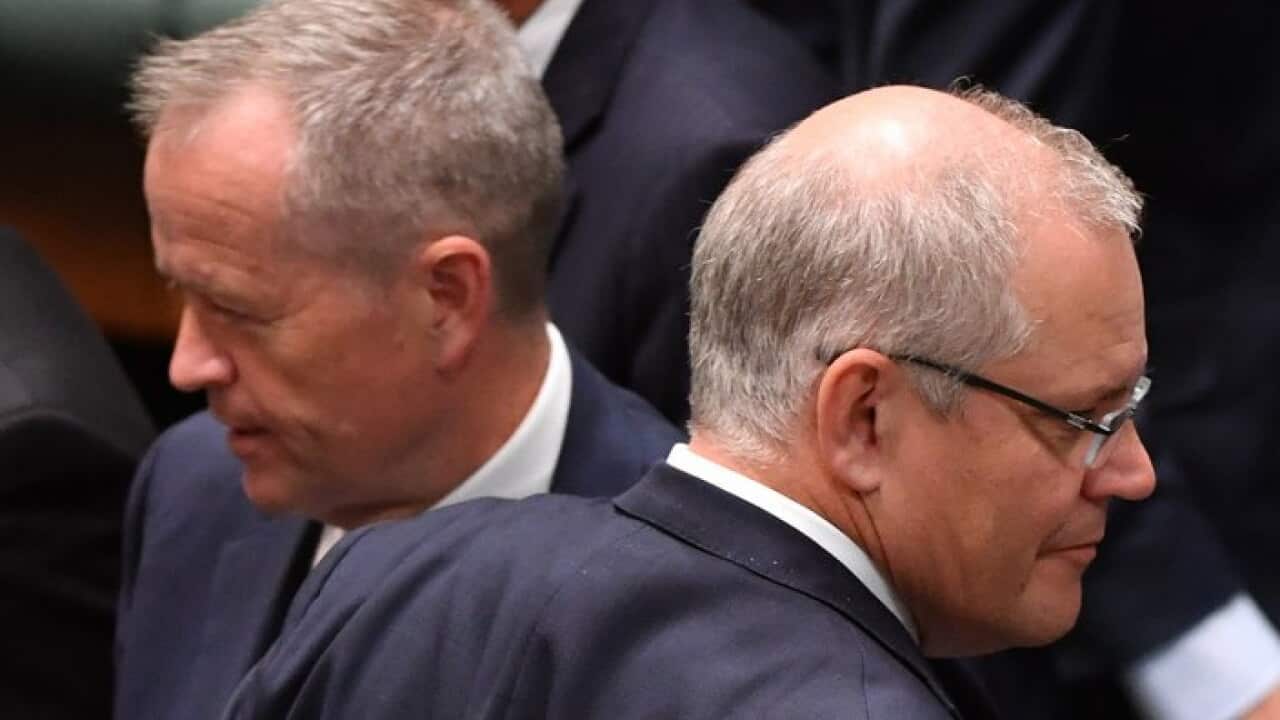
Opposition Leader Bill Shorten says the best thing Prime Minister Scott Morrison and his Coalition Government can do now is come back to work.
"We all know that the Government went home and didn't deal with national-security laws because they didn't want to deal with 'kids off Nauru.' That's what's happened. So then the ball's in our court.* Do I go home and say, 'Well, I hope nothing happens, and I hope that the Government's politics don't backfire on the safety of Australians'? I'm not prepared to do it. So if Mr Morrison wants to get up and say he's some sort of fantastic guy, do you know what? Whatever. But I've got to live with myself long after I live with what this Government does. And in good conscience, I'm not going to go home when I know we can make Australians safer. But the Government must honour what they said unanimously in a committee with their amendments."
The Government’s much-debated encryption laws would give intelligence agencies new powers to force tech companies to help them crack encrypted devices.
But despite gaining enough support for its Nauru bill in the Senate, the Opposition ran out of time in the House of Representatives when the Government closed it for the Christmas break.
Scott Morrison had promised earlier in the day to use any tactic necessary to stop the legislation.
"I will do everything in my power to ensure that these suggested changes that would undermine our border-protection laws never see the light of day. I will do whatever I can -- whatever I can. I'll fight them using whatever tool or tactic I have available to me to ensure that we do not undermine our border-protection laws."
If passed, that legislation would have allowed critically ill refugees to be flown to Australia for medical treatment on the advice of two doctors.
Minor-party senators Pauline Hanson and Cory Bernardi led time-wasting filibusters in the Senate, scuttling hopes the bill could then be debated in the House after Senate passage.
Mr Shorten says, with the bill likely to gain enough support for final passage, Scott Morrison put his pride ahead of sick children.
"This Government should be ashamed of itself. It has put its own pride, its own political bacon,** ahead of the children on Nauru, ahead of national security and the people of Australia."
Refugee Action Coalition spokesman Ian Rintoul says it has been a shocking display, with the Government trying to undermine the democratic process.
"They delayed, obstructed and finally allowed the parliament to close before that vote could be carried. So the result is there are still children and families on Nauru, there are still desperately sick people who are on Manus and Nauru who need to come here. But we'll be back to fighting them (the Government) case by case, if need be, through the courts to get the court orders to make those transfers, even against the determination of Peter Dutton and the Government."
Doctors For Refugees founder Barri Phatarfod says she is deeply disappointed with the outcome.
"It is really quite extraordinary the lengths that the Government and some of these Independents will go to just to deny people proper healthcare. It's unbelievable. Healthcare is a basic human right. Now what opinions people may hold about the size of Australia or how strong our borders should be, you can't deny people basic health rights. That's just barbaric."
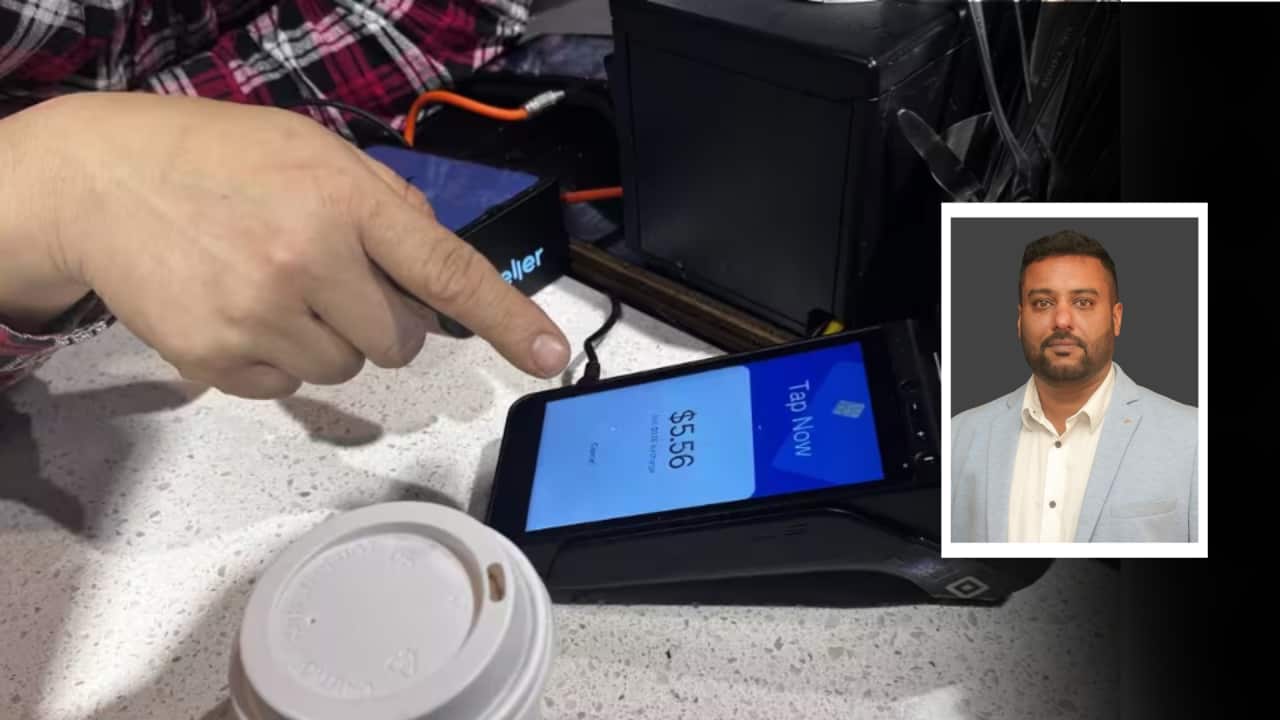
Mohit Pandit is research fellow in Information Technology department of RMIT University.
He says, ‘People should understand that agencies will not spy on normal citizens, there are a lot of permissions to be granted before this law is implemented on someone.”