
Artificial intelligence, or AI, has long been used in the medical field to read imaging results such as X-rays and CT scans. This form of AI differs from AI-based large language models (LLMs) like ChatGPT. Two doctors in Australia discuss the role of AI in healthcare and how much the general public can rely on LLMs for their health needs.
Note: The information shared in this interview is of a general nature and may not apply to your personal situation. Please consult your healthcare provider or doctor for advice specific to your circumstances.
The development of AI in medicine is moving at a rapid pace, said Dr Anthony P. Sunjaya, a medical doctor with expertise in the heart and lungs who co-leads the Digital Health and AI Hub at the School of Population Health, UNSW Sydney. However, the AI used in clinics today is largely not LLM-based, but rather built on conventional deep learning models trained on labelled image data, Dr Sunjaya said.
One increasingly common application is AI scribe, a tool that helps doctors document and summarise patient consultations for electronic medical records. The technology does more than save time, as it also reduces the cognitive load on doctors, allowing them to consider a broader range of diagnostic possibilities during consultations, Dr Sunjaya said.
LLMs still have significant limitations, Dr Sunjaya said. Research shows that around 25 to 30 per cent of LLM outputs are inaccurate, and approximately 15 per cent could be potentially harmful, he said. Having a medical professional interpret AI-generated results, therefore, remains essential, he added.

For patients who already have a diagnosis, LLMs can be useful for understanding their condition or learning about potential medication side effects, provided they remain critical and cross-check information with reliable sources such as Health Direct, Dr Sunjaya said. For those yet to receive a diagnosis, LLMs can help prepare questions ahead of a doctor's appointment, he said. Even so, LLMs should never be used as a substitute for professional diagnosis, Dr. Sunjaya said.
Dr Helmut Gosal, a general practitioner based in Chatswood, Sydney, shared a similar view. Diagnosis involves direct observation, taking a patient's medical history, and physical examination, none of which an LLM can replicate, Dr Gosal said. He said he once treated a young male patient who arrived convinced he had an enlarged prostate after researching his symptoms on ChatGPT, and who came in asking for a prescription outright.
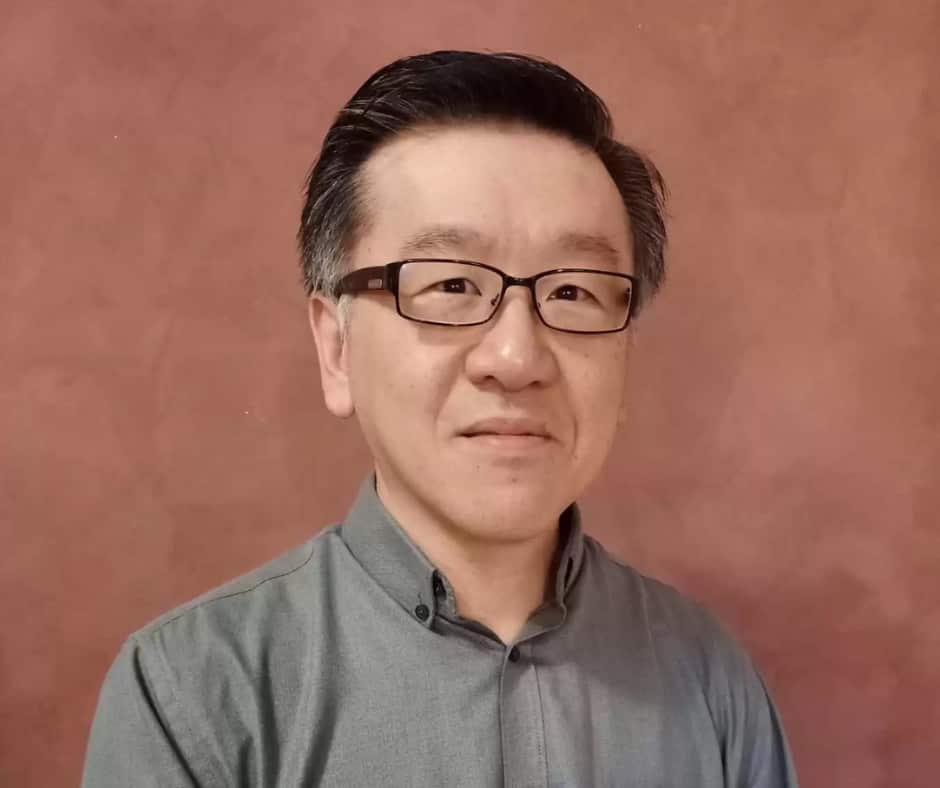
Rather than dismissing the possibility, Dr Gosal said, he followed standard procedure, taking a thorough history and ordering further tests. The results showed the patient's prostate was normal, he said.
LLMs can still be a helpful source of information and education for mild symptoms, or for people with chronic conditions looking to better manage their lifestyle, Dr. Gosal said. But if symptoms persist or worsen, seeing a doctor is a step that simply cannot be skipped, he said.
Listen to SBS Indonesian's full conversation with Dr Anthony P. Sunjaya and Dr Helmut Gosal to find out more.