
There are many different studies whose subjects are indigenous people, for example research on culture, health, and so on. With the best of intentions in mind, we may assume that the results and data of the research will be used to the best purposes for those indigenous communities, but is that how it will always play out in the real world, and how would it be possible to guarantee that the data would be used according to what the community wants?
The Indigenous Data Network (IDN), a national network founded by -amongst others - the Australian National University and the University of Melbourne, calls for indigenous data sovereignty, where indigenous data is defined as information or knowledge, in any format or medium, which is about and may affect Indigenous peoples both collectively and individually.
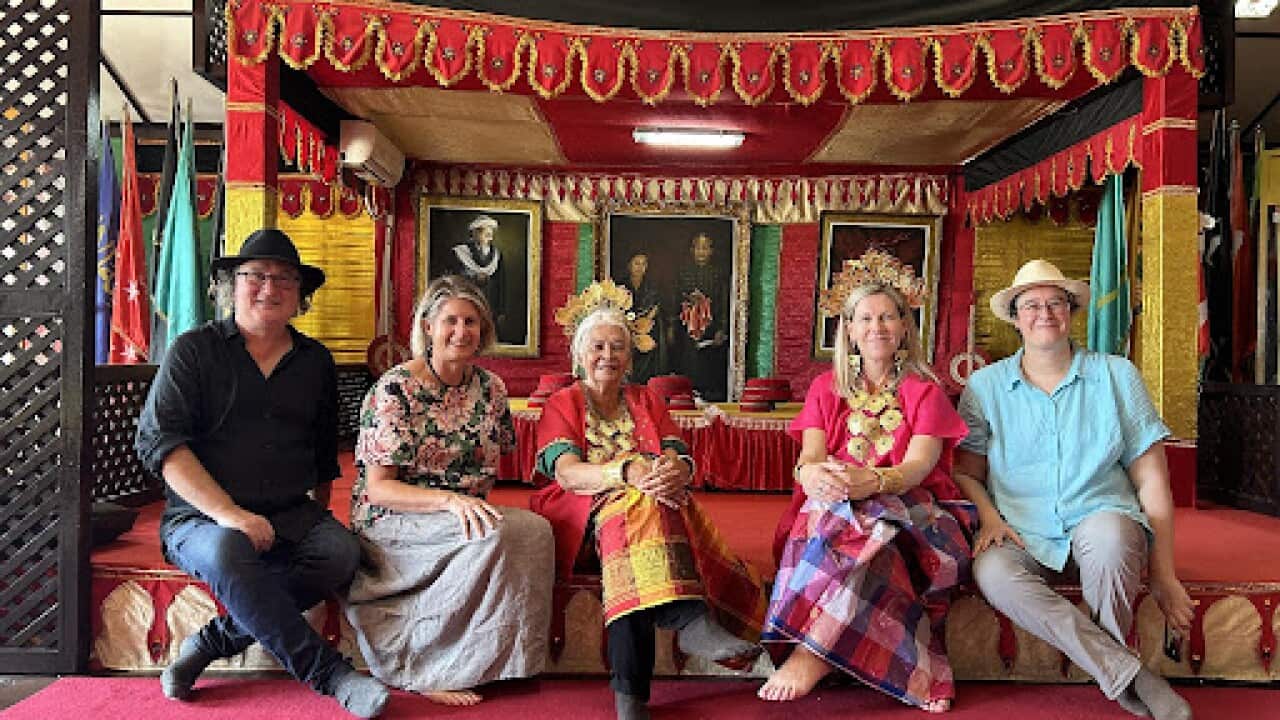
In its work, the network collaborated with Indonesian researchers and artists, particularly on the subjects of culture and history, since there is a history of centuries-long trade and friendship between the first nations people in the north of Australia and several tribes of the Indonesian archipelago such as the Bugis and Makassans.
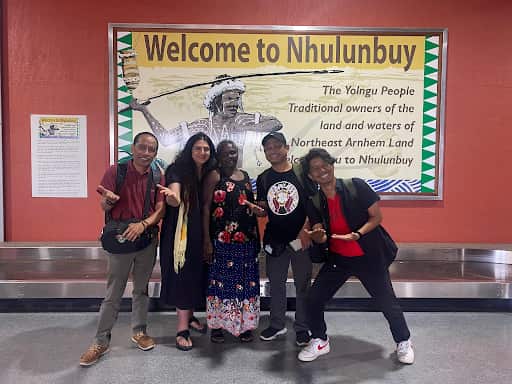
SBS Indonesian chats with Kristen Smith from the Indigenous Data Network and Professor Muhlis Hadrawi from Hasanuddin University on the subject of this collaboration and indigenous data sovereignty in Indonesia and Australia.