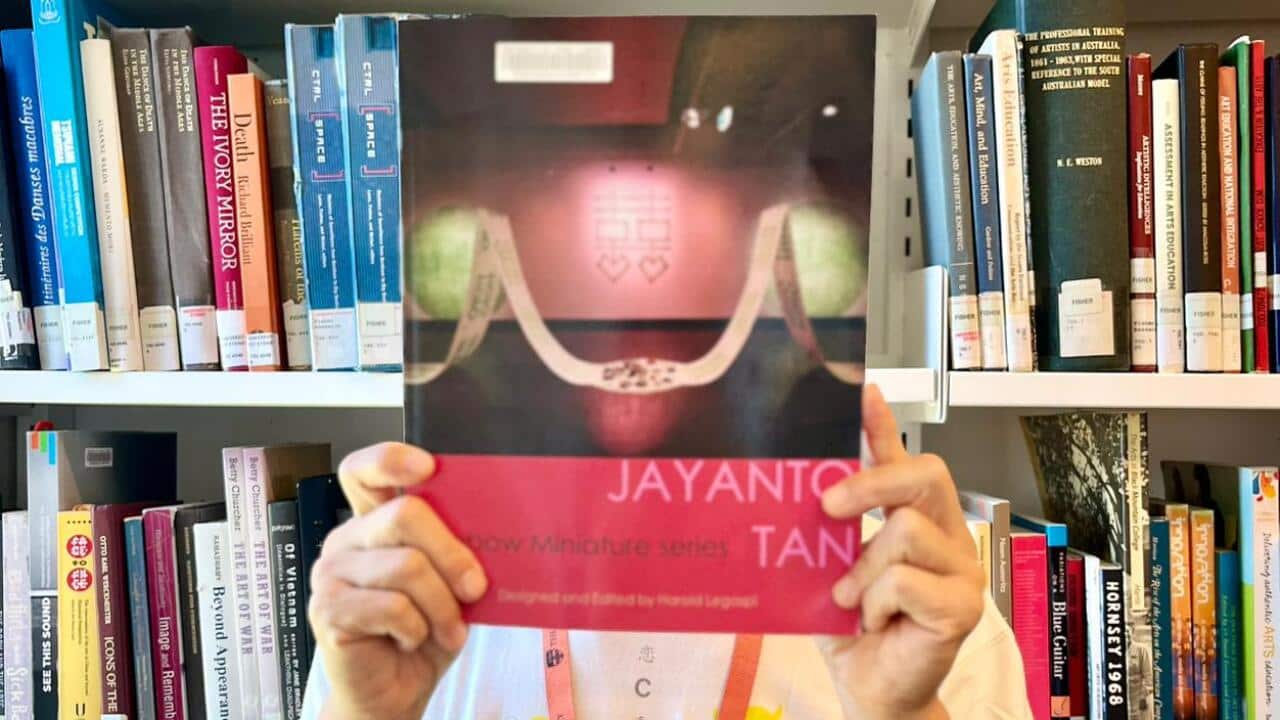

The book, “Jayanto Tan - Rainbow Miniature Series” is not just a diary, but an in-depth exploration of identity, family history, and art that bridges the longing for hometown with the reality of life from artist Jayanto Tan.
The life journey of a diaspora artist often harbors deep layers of storytelling, going beyond mere geographical displacement.
Jayanto Tan, an artist from North Sumatra who has now settled in Australia, poured fragments of his life through a collaborative biographical book written by Harold Legaspi, a Filipino writer with a keen interest in the issues of the Asian diaspora in Australia.
The process of compiling the book took about a year and a half, involving in-depth research into Jayanto's extended family in Sumatra to ensure historical accuracy, including searching for old documents and family papers that had been stored for decades.
One of the main core of the book is the homage to Jayanto's maternal figure.
Through the chapter “In Memory of Mother”, readers are introduced to a formidable female figure who lived through the colonial era of the Dutch and Japanese without obtaining a formal education.
The mother, who has dyslexia challenges and communicates through symbols, is an extraordinary figure who was able to raise 13 children on her own after being widowed at the age of 43.
The identity of the mother who is a mix of Malay, Hokkien (Fujian), and Batak ethnicities is also an important highlight, illustrating how rich the cultural diversity that runs in Jayanto's blood is.
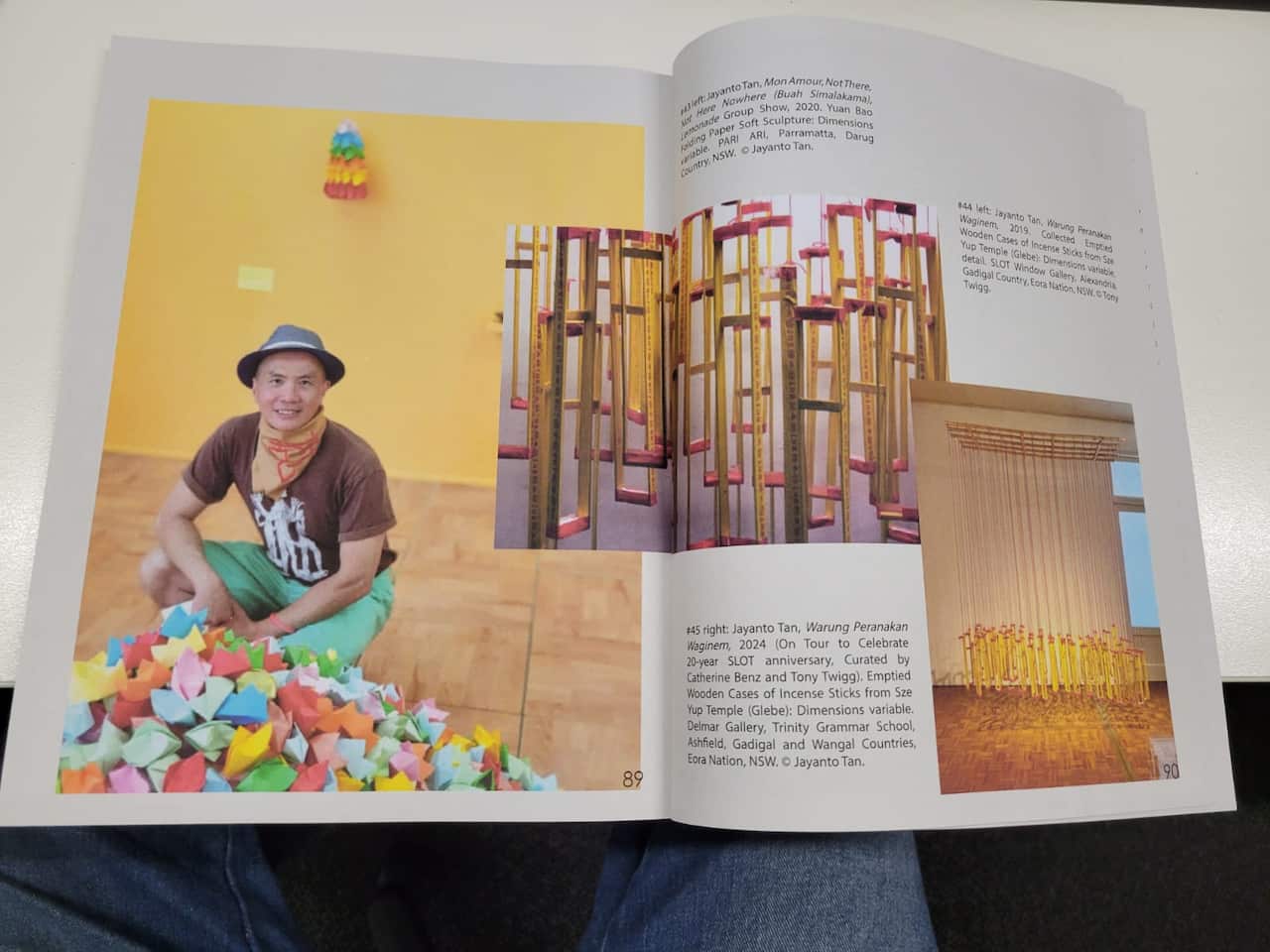
In addition to the personal aspect, the book documents Jayanto's artistic journey, from his first work to exhibitions at renowned universities and galleries.
Works such as “Ritual of My Beautiful Curse”, “Ritual of Cheng Beng”, to the pandan-based installation titled “Fairytale from this Little Garden” are discussed in depth.
Art for Jayanto was a medium for expressing his complex cultural hybridity. He not only uses visual language, but also incorporates elements of regional language and symbols of tradition that challenge the Australian audience's understanding of diaspora art.
Through a concluding chapter entitled “Homemaking with Immortals,” the book offers a philosophical perspective that human life is an unbroken circle.
He hopes the book, which is now available in various national libraries and universities in Australia, can inspire younger generations not to rush to judge a person's identity just from outward appearances.
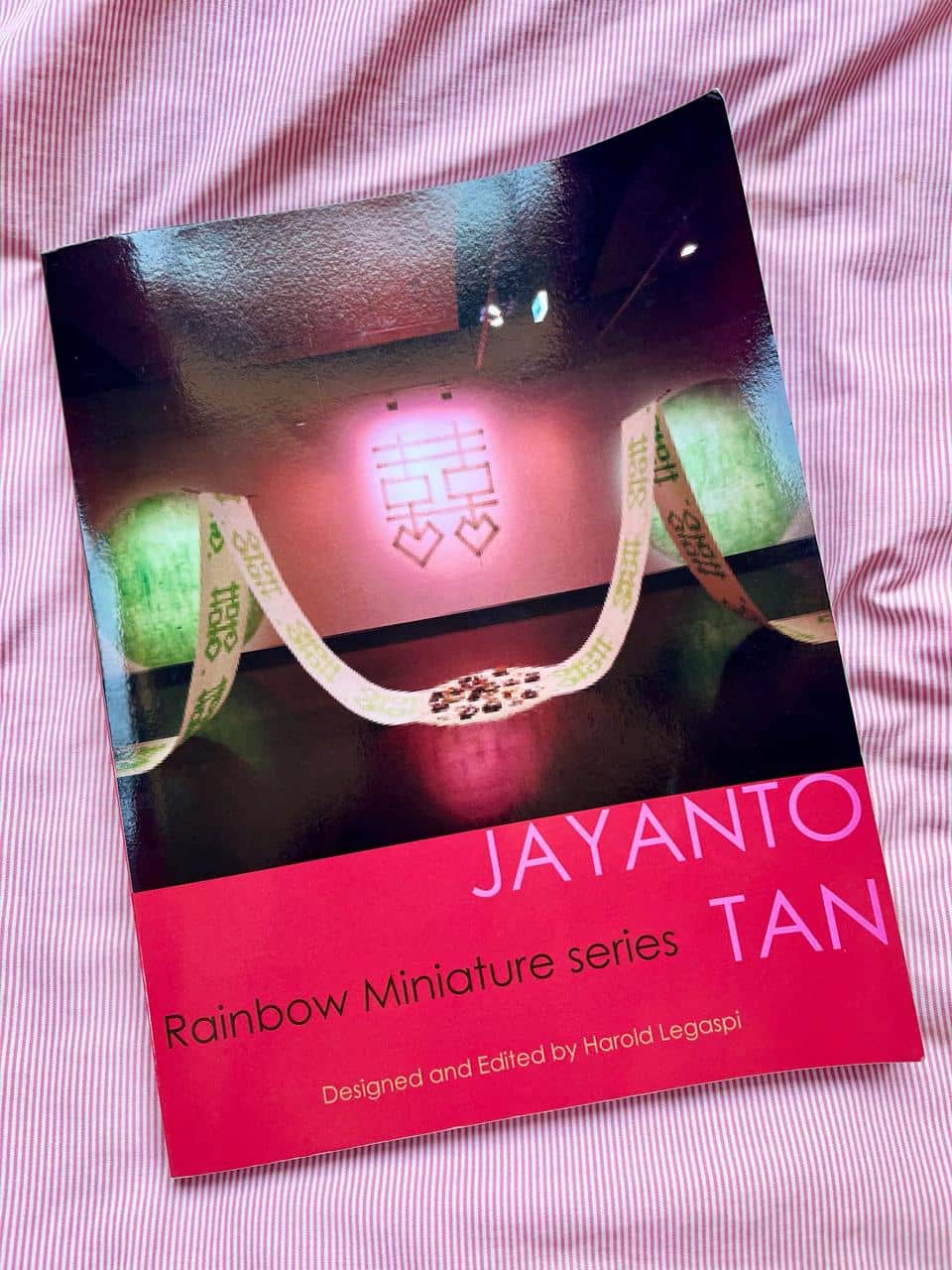
For him, identity is not about a single color, but a harmonious rainbow, a representation of the diversity that unites people beyond racial and cultural divides.