

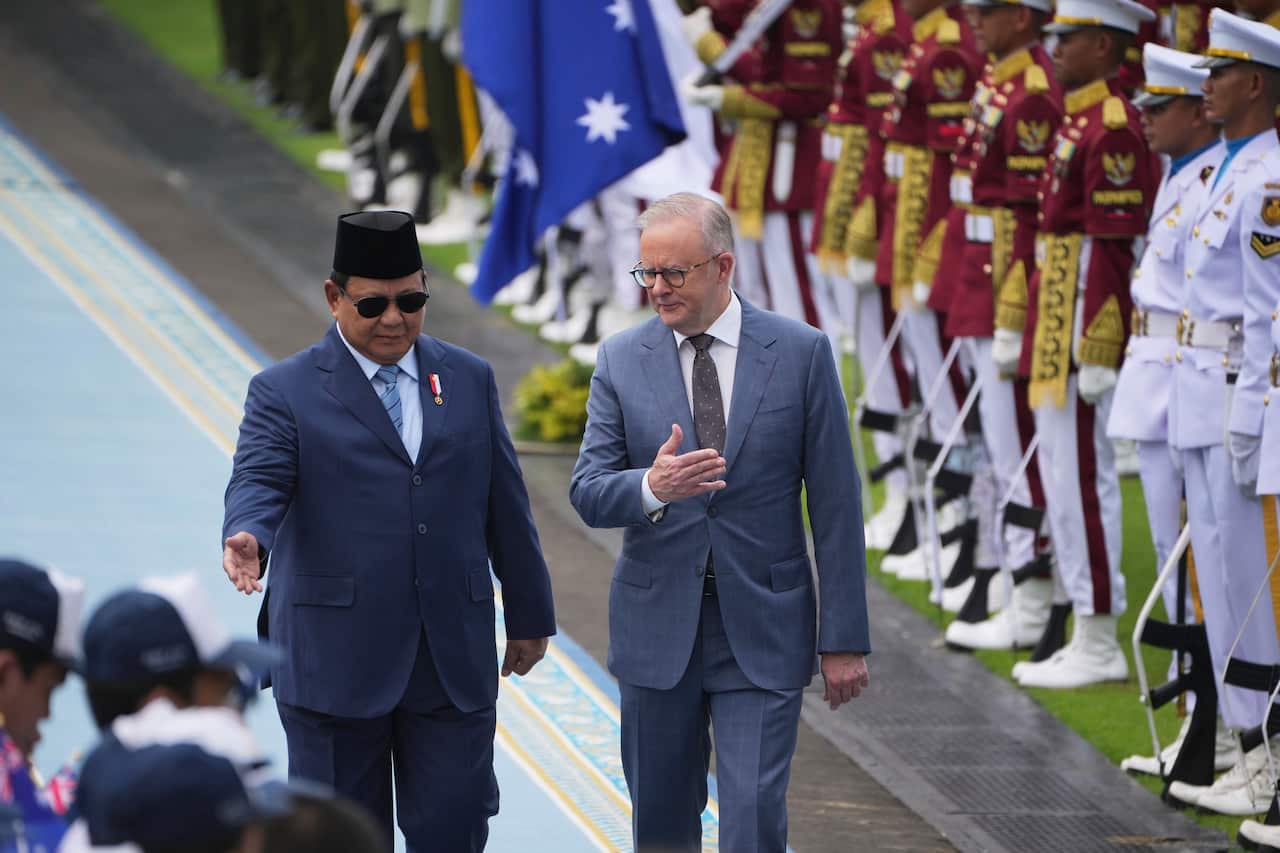
Research conducted by Australian research institute Roy Morgan noted that public confidence in President Prabowo's government is up 8 percent from the level of trust in the government two decades ago in the same period.
In research conducted from April 2024 to March 2025, covering 6 months of President Prabowo's presidency, there was a significant increase in confidence levels. In addition, the respondents also said that the current government is doing a pretty good job for the country, and respondents also believe that democracy is doing well in Indonesia.
“Roy Morgan's latest research shows increased public confidence in the government of President Prabowo Subianto. Confidence in his leadership has risen to 69 percent by early 2025, up 8 percentage points from 61 percent before his inauguration in October 2024,” said Michele Levine, CEO of Roy Morgan.
In addition, Levine also said that during the same period, the approval rate of the government's performance rose sharply to 79 percent, a 7 percent increase.
Although trust in democratic institutions remains stable, with 75 percent of Indonesians agreeing that “democracy is doing well,” concerns about corruption remain high.
In conducting his research, Roy Morgan asked 10,939 respondents representing Indonesia during the period April 2024 — March 2025, covering the first six months of President Prabowo's term (October 2024 — March 2025) and the last six months of the previous President's term (April 2024 — September 2024).
Roy Morgan also noted that Prabowo, who campaigned on anticorruption reform and is widely considered firm on the issue, has maintained a public focus on eradicating corruption.
Last week, Roy Morgan published a list of key issues facing Indonesia, and 'eradicating corruption' is considered the second most important issue for the new President -- mentioned by 41 percent of Indonesians.
Responding to this research, Doktor Faisal Riza, a lecturer and political observer from the Islamic State University of North Sumatra in Medan, said one of the reasons was the absence of opposition in the government.

However, Riza also sees a hidden transcript in understanding government policy.
Riza agrees that Prabowo's government has so far been dominant in creating discourse. Therefore, regardless of the conditions, Indonesians tend to be able to accept. He refers to the term governmentality to describe opposing conditions at the same time. In this situation, explains Riza, the government manages democracy, but it also manages authoritarianism.
It was in this context that Riza acknowledged that public policy narratives from the government were indeed more dominant. If those narratives get to the community, they tend to believe it just so. This is what keeps the level of trust to the government high.
Referring to bad phenomena in society, such as rising prices and the difficulty of finding a job, does not seem to be in line with the results of this research, according to Riza this is what is called the Prabowo paradox.
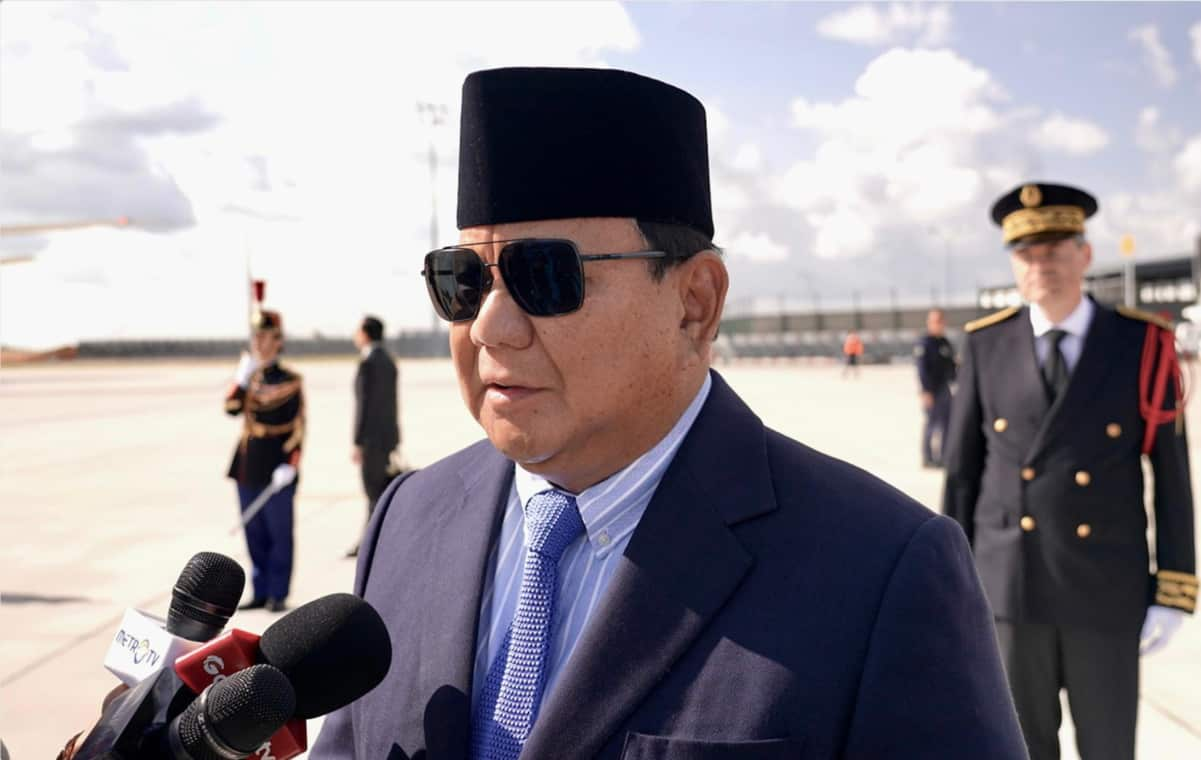
In addition, Prabowo also implemented various programs that were immediately perceived by the public and quite popular, such as Free Nutritious Meals and the Village Movement Bachelor program. Such programs become jobs for thousands of people and make society judge, they can get involved in them.
The challenge in the second term of government for Prabowo is to streamline these programs so that the benefits are felt.
The results of this study also confirm Riza's observation, regarding the lack of presence of critical groups in Indonesia.
Government policy is not an important discussion in society, nor are civil society organizations that tend to be silent in these months.
The middle classes also tend to wait, as if to question themselves, whether it's time to launch criticism or still have to shut up.
Listen to SBS Indonesian every Monday, Wednesday, Friday and Sunday at 3pm.
Follow us on Facebook and Instagram, and don't miss our podcasts.