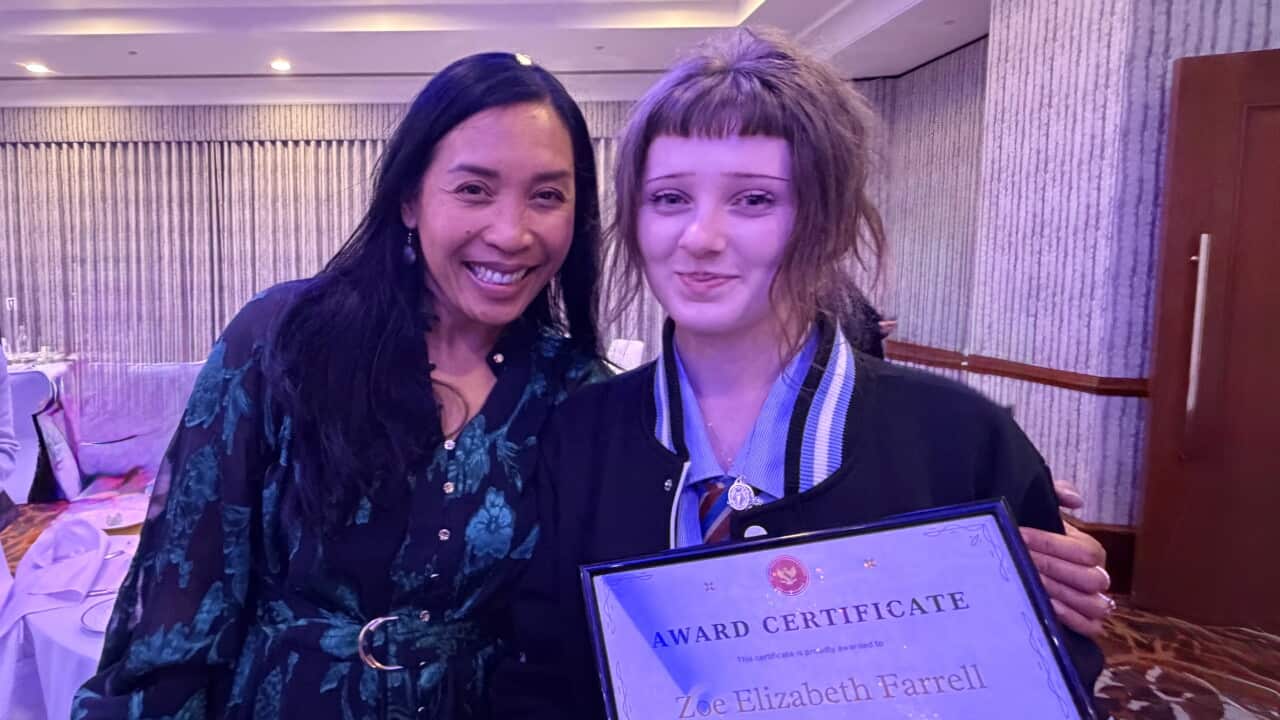
The role of teacher at school and parents at home in explaining the meaning of fasting to children from an early age.
Australia is known as a multicultural country with diverse religions, cultures, and ethnic backgrounds. Within this diversity, instilling the values of fasting in children is not only part of religious education, but also an important aspect of character building and identity formation.
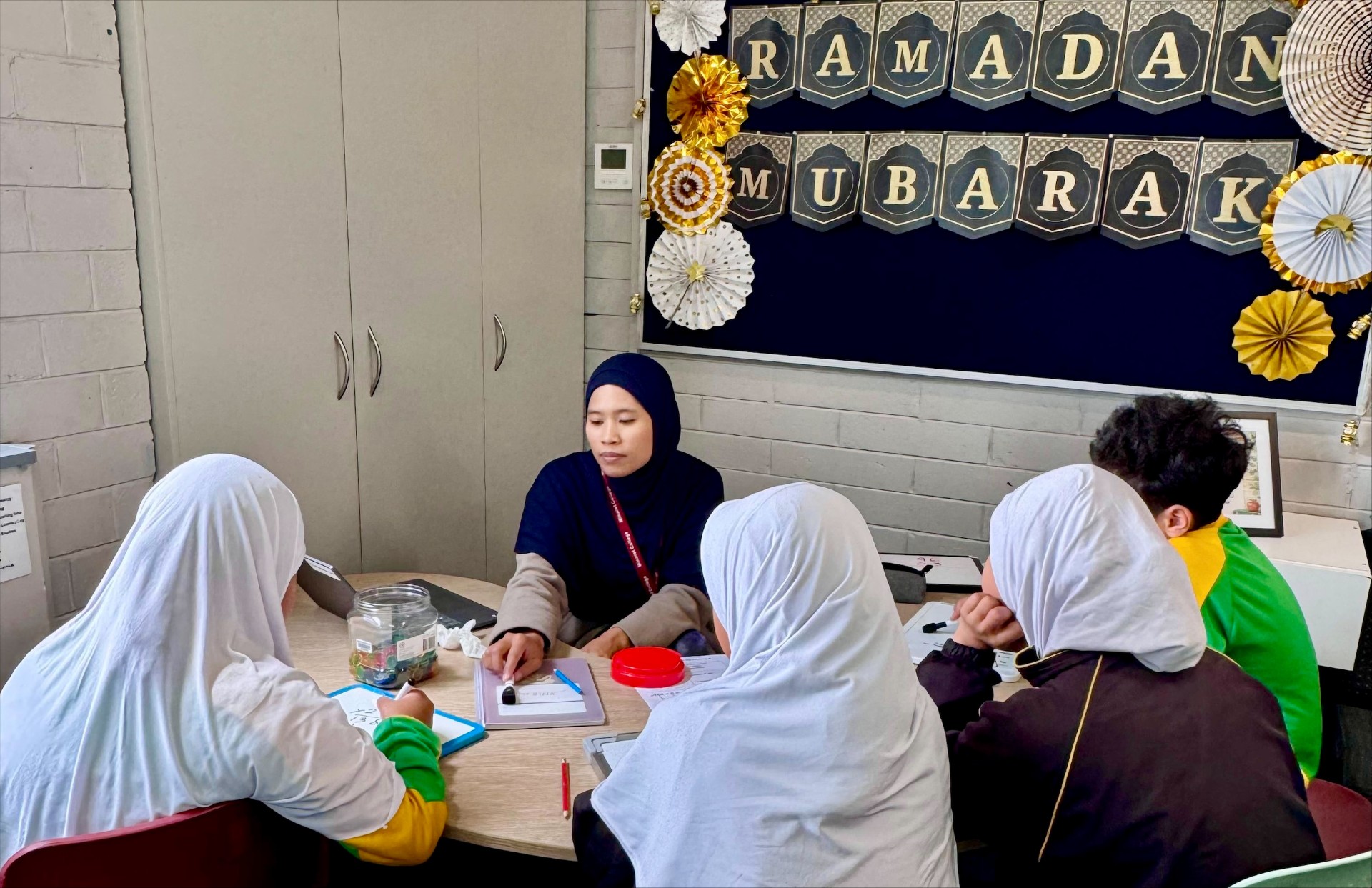
Teachers play a strategic role in helping children understand the meaning of fasting in a contextual and inclusive way. This time, we had the opportunity to interview Rina Febrina Sarie, a teacher at one of the Islamic schools in Australia, Minaret College. Rina is also a madrasa teacher at Tahsin for Kids, South East. Values of fasting, such as empathy and social care, can be connected to lessons about diversity, tolerance, and community life.
Parents are the first and primary educators for their children. At home, the values of fasting are taught through example and direct experience. As a parent, Aya Nuzli also emphasizes that children can be gradually trained to fast so they can understand the process without feeling forced.

The values embedded in fasting, such as patience, empathy, discipline, and gratitude, have universal relevance and can be applied in children’s daily lives, both at school and at home.