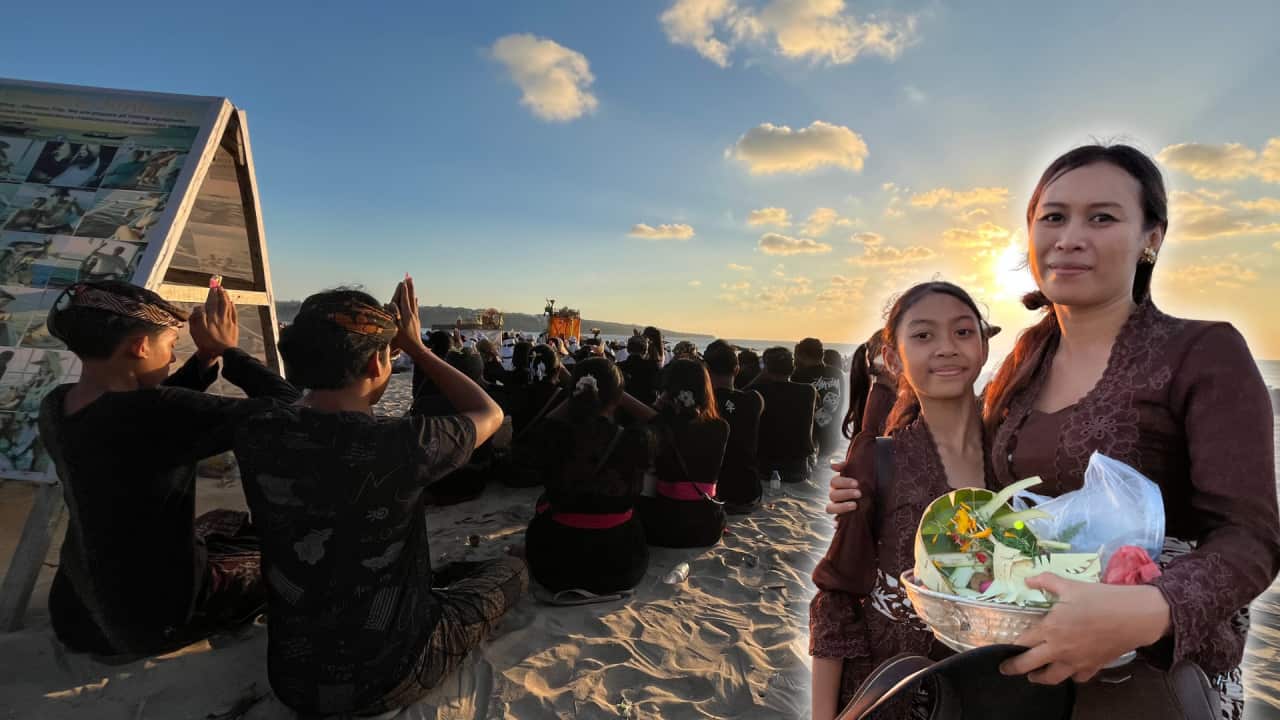

Sungai Watch co-founder Gary Bencheghib said Bali is on "red alert" after the closure of South Bali's main landfill triggered open burning and illegal dumping, while a waste-to-energy plant remains over a year away.
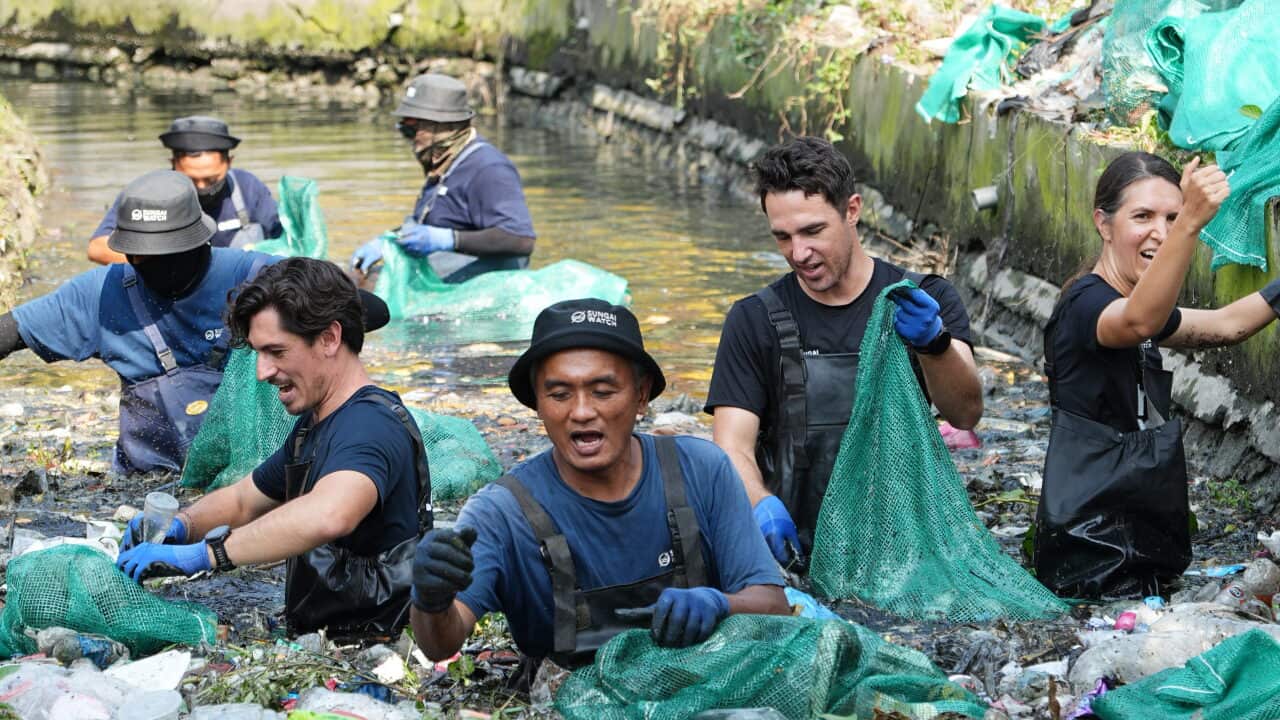
Bali residents have started burning rubbish in their backyards and dumping it into rivers after South Bali's main landfill, Suwung, stopped accepting organic waste in April 2026. Full closure is set for August 2026, but no alternative infrastructure exists, Sungai Watch co-founder Gary Bencheghib told SBS Indonesian. Sungai Watch is an NGO that installs floating barriers along rivers across Bali and East Java to stop plastic from reaching the ocean.
The landfill serves Denpasar, Tabanan, Gianyar, and Badung, processing about 1,300 tonnes of waste daily, Bencheghib said. Since the partial closure, Sungai Watch's floating trash barriers in South Denpasar have collected sharply higher volumes of plastic, he added.
Bali is not expected to open a waste-to-energy plant until 2028, leaving a months-long gap with no clear solution, Bencheghib said.
The crisis touches a destination that Australians know well. Bali welcomed nearly 6.95 million foreign tourists in 2025, and Australians accounted for the largest share, at roughly 23 per cent, according to Indonesia's statistics agency.
Bencheghib said many people blame tourists for the waste, but the real problem lies in the infrastructure. Tourism brings more spending power to the island, which increases packaging and consumption across the board, but without a functioning waste management system, the rubbish has nowhere to go, he said.
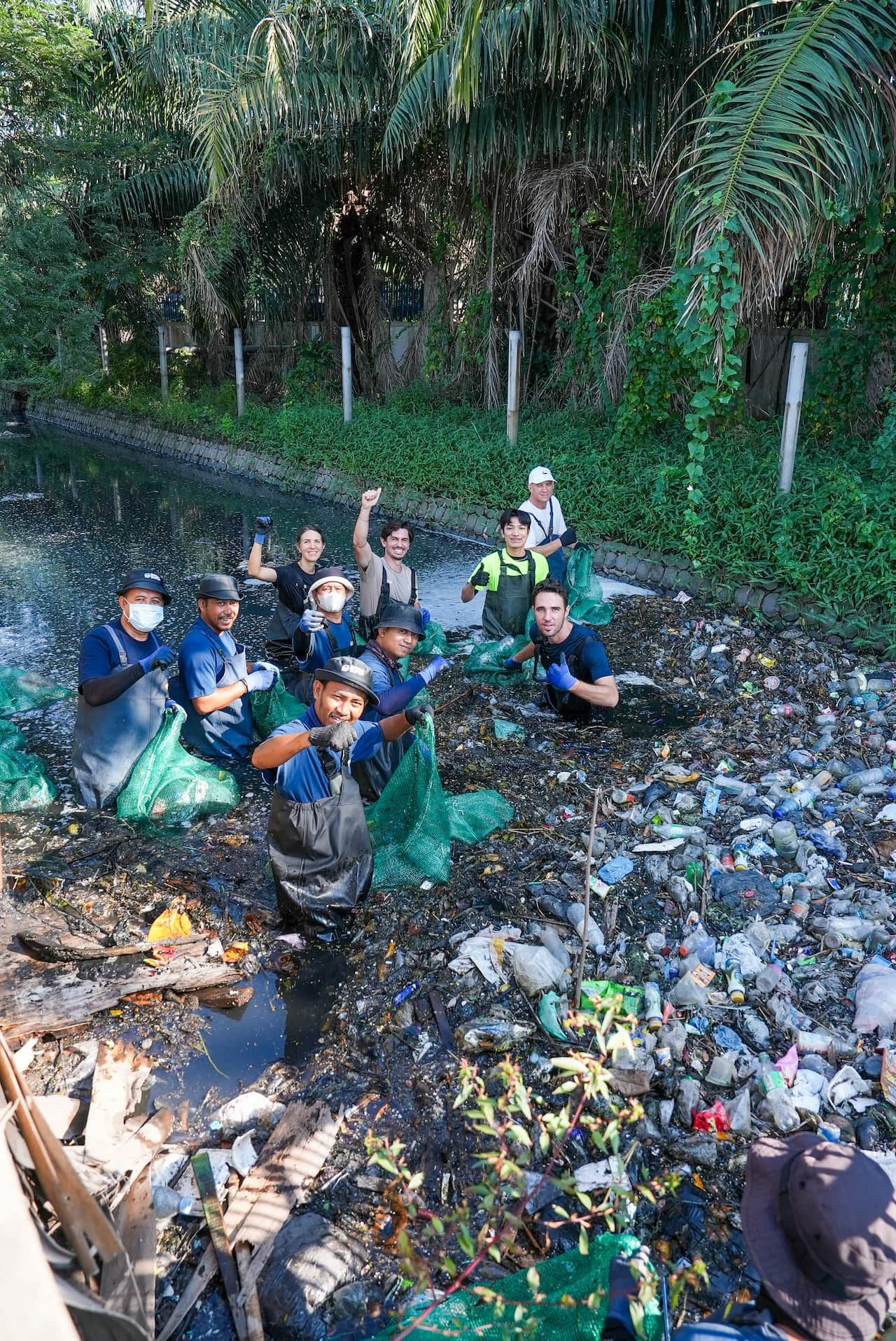
Bali is really on red alert now when it comes down to waste management with open fires every night.Gary Bencheghib - Co-founder, Sungai Watch
Waste management in Bali operates at the village level, split between cultural and administrative governance structures, which makes island-wide coordination extremely difficult, Bencheghib said. Many local sorting centres are full or not operating, and government-funded equipment often sits idle, he added.
Indonesia is also upgrading its extended producer responsibility (EPR) framework, which would require manufacturers and importers to manage the collection, sorting and recycling of their product packaging. The policy has existed in some form since 2008. But the push to make it mandatory and enforceable has been ongoing for about four years, Bencheghib said.
[The waste problem] can still be solved, but we need to do it all together.Gary Bencheghib - Co-founder, Sungai Watch
Bencheghib is not waiting for this solution. In March 2026, he and his co-founders and siblings, Kelly and Sam Bencheghib, set off on a 1,200-kilometre run from Bali to Jakarta over 57 days to expand Sungai Watch's river protection work across Java. They also aim to bring the case for a system-level change to waste management directly to the Indonesian president.
Along the way, they met high-level officials and political figures, including former President Jokowi, mapped pollution hotspots, and discovered regions that offer real hope, he said.

Bencheghib pointed to Surabaya, Indonesia's second-largest city, which recently won an environmental award for its cleanliness, and to the Banyumas regency in Central Java, which runs a structured waste-collection system similar to Australia's. Bencheghib said he hopes to bring those proven models back to Bali's government after the run.
Listen to the full SBS Indonesian conversation with Gary Bencheghib to hear his story in detail.