
SBS Italian News bulletin, read slowly.
DOWNLOAD the script in Italian and English side by side.
Italian
** Timori per una carenza globale di carburante mentre l'Iran avverte che i prezzi potrebbero più che raddoppiare
** Il Consiglio di sicurezza dell'ONU chiede all'Iran di cessare gli attacchi contro i paesi del Golfo, dopo aver approvato una risoluzione
Si teme che l'Iran abbia piazzato mine anti-nave lungo la più grande rotta petrolifera del mondo, lo Stretto di Hormuz, nel tentativo di bloccare l'approvvigionamento globale di petrolio.
Gli Stati Uniti riferiscono di aver intercettato 28 navi iraniane incaricate di posare le mine.
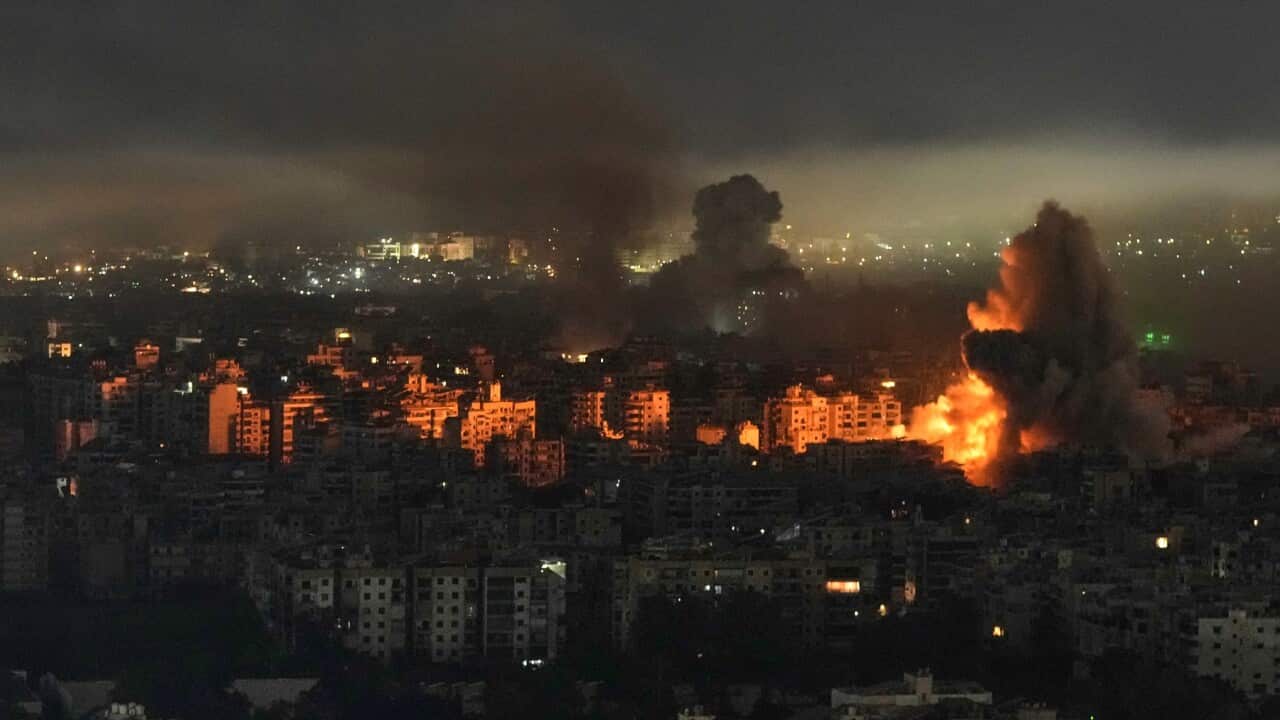
L'Iran continua a lanciare missili e droni contro Israele, le basi militari statunitensi e le infrastrutture in tutto il Golfo.
Il portavoce militare iraniano Ebrahim Zolfaqari ha dichiarato che l'instabilità nella regione porterà inevitabilmente a un drastico aumento dei prezzi dell'energia a livello globale.
"You will not be able to keep oil and energy prices artificially low. As we have already warned, if the war spreads across the region, expect oil to reach $200 per barrel. Oil prices follow the level of security in the region and the source of that insecurity is you."
I Paesi del G7 hanno concordato il più grande sblocco di riserve petrolifere di emergenza della storia, mentre l'Iran minaccia che il prezzo del petrolio è destinato a più che raddoppiare.
Il regime iraniano ha affermato che il petrolio arriverà a costare 200 dollari al barile, rispetto all'attuale prezzo di 90 dollari al barile.
Le conseguenze, tra cui la carenza di approvvigionamenti di carburante e le ripercussioni economiche, saranno significative, e hanno portato allo stanziamento di 400 milioni di barili di petrolio gestiti dall'Agenzia internazionale per l'energia.
Il presidente francese Emmanuel Macron, che ha ospitato il vertice dei leader del G7, ha dichiarato che questo provvedimento rappresenta 20 giorni di flusso di petrolio attraverso lo Stretto di Hormuz.
(French to English VO) "In parallel with this, we will take all necessary measures to encourage maximum production from everyone producing during this period and to address the consequences of this war, which, I remind you, for oil and gas, means that about 20% of our capacities are blocked or off the market during this time."
Il Consiglio di Sicurezza delle Nazioni Unite sta chiedendo all'Iran di cessare gli attacchi contro le nazioni non coinvolte nel conflitto con gli Stati Uniti e Israele, citando una violazione del diritto internazionale.
Una bozza di risoluzione sulla questione è stata votata con 13 voti a favore e nessuno contrario ed è stata sostenuta da oltre 130 Stati membri dell'organo più potente delle Nazioni Unite.
La Cina e la Russia, alleati chiave dell'Iran, non hanno partecipato al voto, consentendo l'approvazione della mozione senza il loro veto.
L'ambasciatore del Bahrein presso le Nazioni Unite, Jamal Alrowaiei, afferma che l'agenzia deve agire per proteggere i suoi membri.
"This unprovoked aggression is a heinous crime. All our air force and air defense, due to their high readiness, have been successfully and collectively intercepting more than 954 Iranian missiles, more than 2,500 drones and 17 aircrafts since 28 February. They continue to intercept them as we speak now.”
English
** Fears over global fuel shortages as Iran warns prices will more than double
** The UN Security council demands Iran stop attacking Gulf nations, after passing a resolution
There are concerns Iran has laid sea mines through the world's biggest oil shipping route, the Strait of Hormuz as it seeks to choke global oil supply.
The U-S reporting it has intercepted 28 Iranian mine-laying ships.
Iran continues launching missiles and drones at Israel, U-S military bases and infrastructure across the Gulf.
Iranian military spokesperson Ebrahim Zolfaqari says instability in the region will inevitably push global energy prices dramatically higher.
"You will not be able to keep oil and energy prices artificially low. As we have already warned, if the war spreads across the region, expect oil to reach $200 per barrel. Oil prices follow the level of security in the region and the source of that insecurity is you."
G-7 countries have agreed to the largest release of emergency oil supplies in history, as Iran threatens the price of oil will more than double.
The Iranian regime says oil will cost 200 U-S dollars a barrel, up from its current price of 90 dollars a barrel.
The consequences, including fuel supply shortages and economic ramifications will be significant, triggering the release of 400 million barrels of oil managed by the the International Energy Agency.
French President Emmanuel Macron, who hosted the G7 leaders meeting, says this release represents 20 days of oil flow through the Strait of Hormuz.
(French to English VO) "In parallel with this, we will take all necessary measures to encourage maximum production from everyone producing during this period and to address the consequences of this war, which, I remind you, for oil and gas, means that about 20% of our capacities are blocked or off the market during this time."
The United Nations Security Council is demanding Iran stop its attacks on nations not involved in its conflict with the US and Israel, citing a violation of international law.
A draft resolution on the issue, was voted 13 to zero and has been supported by more than 130 member states of the U-N's most powerful body.
China and Russia, key allies of Iran, did not participate in the vote, allowing it to pass without their vetos to block the motion.
Bahrain’s U-N Ambassador Jamal Alrowaiei says the agency must act to protect its members.
"This unprovoked aggression is a heinous crime. All our air force and air defense, due to their high readiness, have been successfully and collectively intercepting more than 954 Iranian missiles, more than 2,500 drones and 17 aircrafts since 28 February. They continue to intercept them as we speak now.”
Report by SBS News
Ascolta SBS Italian tutti i giorni, dalle 8am alle 10am.
Seguici su Facebook e Instagram o abbonati ai nostri podcast cliccando qui.