
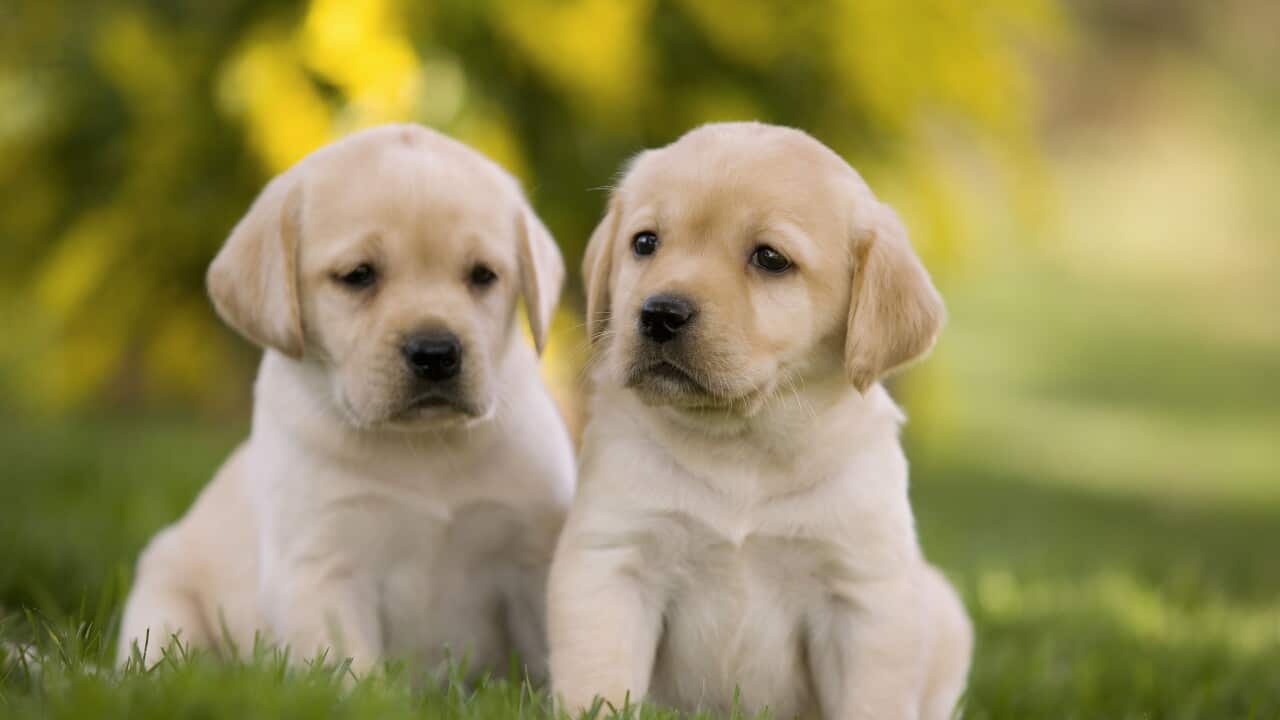

Spesso vengono definiti i migliori amici dell’uomo, ma a quanto pare questa amicizia risale a tempi ancora più remoti di quanto pensassimo.
SCARICA la trascrizione col testo a fronte in inglese.
Italiano
I cani fanno parte della vita dell'uomo da migliaia di anni.
Ma una nuova ricerca dimostra che questo rapporto risale a tempi ancora più remoti di quanto pensassimo.
Due nuovi studi pubblicati sulla rivista Nature hanno analizzato alcuni dei campioni di DNA canino più antichi mai recuperati e hanno scoperto che i cani vivevano già al fianco degli esseri umani circa 16.000 anni fa, ovvero prima dell'agricoltura e molto prima delle città.
William Marsh, del Museo di Storia Naturale di Londra, ha spiegato l'importanza di questi risultati.
"We know that dogs stem from a wolf population. Now we don't know where this wolf population came from, but what we do know is that dogs were around about 6,000, 7,000 years earlier than we thought."
La ricerca si basa su resti antichi rinvenuti in tutta Europa e in alcune zone dell'odierna Turchia, tra cui una mandibola di cane risalente a 14.300 anni fa scoperta in una grotta in Inghilterra.
Gli scienziati ne hanno analizzato il DNA e lo hanno confrontato con quello di oltre un migliaio di cani e lupi moderni e antichi provenienti da tutto il mondo.
Ciò che hanno scoperto è che i cani si sono effettivamente diffusi in Eurasia insieme ai primi esseri umani.
Il dottor Pontus Skoglund, coautore di questa ricerca, afferma che, nonostante l'enorme differenza tra la vita di allora e quella di oggi, quel rapporto poteva sembrare familiare.
"Not only have we pushed back the origin of dogs by 5,000 years, but we've found that the way that humans were interacting with these dogs 16,000 ago is akin to the ways that we might interact with dogs today that are living in our homes."
Ciò che non è ancora chiaro è come tutto abbia avuto inizio.
Gli scienziati ritengono che i cani si siano evoluti dai lupi grigi: a un certo punto, alcuni lupi iniziarono ad avvicinarsi agli accampamenti umani; quelli meno aggressivi venivano tollerati e ricompensati con avanzi di cibo.
Col passare del tempo, si sentirono sempre più a loro agio in presenza delle persone e, alla fine, iniziarono a vivere al loro fianco.
I ricercatori ritengono che questa relazione abbia probabilmente cambiato entrambe le specie: gli esseri umani ottennero aiuto nella caccia e nella protezione, mentre questi primi cani ottennero cibo, sicurezza e un posto all'interno dei gruppi umani.
I ricercatori pensano anche che dopo l'ultima era glaciale, con il riscaldamento del clima e lo spostamento dei cacciatori-raccoglitori in nuove aree in tutta Europa, i cani si siano spostati con loro; il dottor Skoglund ipotizza che i cani fossero già molto diversi dai lupi a quel tempo.
"It's actually quite striking when you look at this nuclear genome, the difference between dogs and wolves. They are immediately distinct, there's nothing in between them other than these wolf-dog hybrids that people have created in the 1930s and 50s."
Questo ci dice che l'addomesticamento non è stato un processo graduale: a un certo punto è stata superata una soglia.
Anche con l'arrivo di nuove popolazioni umane in seguito alla diffusione dell'agricoltura, il patrimonio genetico di questi primi cani europei è rimasto immutato.
Un'altra scoperta fondamentale riguarda la rapidità con cui i cani si sono diffusi.
Resti rinvenuti a migliaia di chilometri di distanza l'uno dall'altro – dal Regno Unito fino alla Turchia – mostrano sorprendenti somiglianze.
"We were expecting them to be completely genetically different because they're associated with completely different human groups. And these human groups don't really have anything to do with one another. But when we look at their DNA, they're actually incredibly genetically similar, so what that suggests is that we need a way of these dogs spreading rapidly across the continent. And what we think is that there's this group of hunter-gatherers that moves from the Italian Balkan Peninsula area and recolonizes the whole of Western Europe after the last glacial maximum. And we think that they are spreading the dogs to these far-flung corners of the world."
Inglese
Dogs have been a part of human life for thousands of years.
But new research shows that relationship goes back even further that we thought.
Two new studies published in the journal Nature have analysed some of the oldest dog DNA ever recovered, and found that dogs were already living alongside humans around 16,000 years ago - that’s before farming and long before cities.
William Marsh, from London's Natural History Museum, explains the significance of the findings.
"We know that dogs stem from a wolf population. Now we don't know where this wolf population came from, but what we do know is that dogs were around about 6,000, 7,000 years earlier than we thought."
The research is based on ancient remains found across Europe and parts of modern day Turkiye, including a 14,300-year-old dog jawbone discovered in a cave in England.
Scientists analysed its DNA and compared it with over a thousand modern and ancient dogs and wolves from around the world.
What they found was that dogs actually spread across Eurasia alongside early humans.
Dr Pontus Skoglund co-authored this research and says that despite the huge difference between life back then and now that relationship may have looked familiar.
"Not only have we pushed back the origin of dogs by 5,000 years, but we've found that the way that humans were interacting with these dogs 16,000 ago is akin to the ways that we might interact with dogs today that are living in our homes."
What is still unclear is how it all started.
Scientists believe dogs evolved from grey wolves, at some point, certain wolves began hanging around human camps, the less aggressive ones were tolerated, and rewarded with scraps.
Over time, they became more comfortable around people, and eventually, began living alongside them.
Researchers believe this relationship likely changed both species, humans gained help with hunting and protection, and these early dogs, gained food, safety- and a place among human groups.
Researchers also think that after the last Ice Age, as the climate warmed and hunter gatherers moved into new areas across Europe, dogs moved with them - with Dr Skoglund speculating dogs were already very dissimilar to wolves at that time.
"It's actually quite striking when you look at this nuclear genome, the difference between dogs and wolves. They are immediately distinct, there's nothing in between them other than these wolf-dog hybrids that people have created in the 1930s and 50s."
This tells us that domestication wasn’t a gradual process, at some point some line was crossed.
Even as new human populations arrived with the spread of agriculture, the genetics of these early European dogs stayed consistent.
Another key discovery is just how quickly dogs spread.
Remains found thousands of kilometres apart - from the UK all the way to Türkiye - show striking similarities.
"We were expecting them to be completely genetically different because they're associated with completely different human groups. And these human groups don't really have anything to do with one another. But when we look at their DNA, they're actually incredibly genetically similar, so what that suggests is that we need a way of these dogs spreading rapidly across the continent. And what we think is that there's this group of hunter-gatherers that moves from the Italian Balkan Peninsula area and recolonizes the whole of Western Europe after the last glacial maximum. And we think that they are spreading the dogs to these far-flung corners of the world."
Report by SBS News
Ascolta SBS Italian tutti i giorni, dalle 8am alle 10am.
Seguici su Facebook e Instagram o abbonati ai nostri podcast cliccando qui.