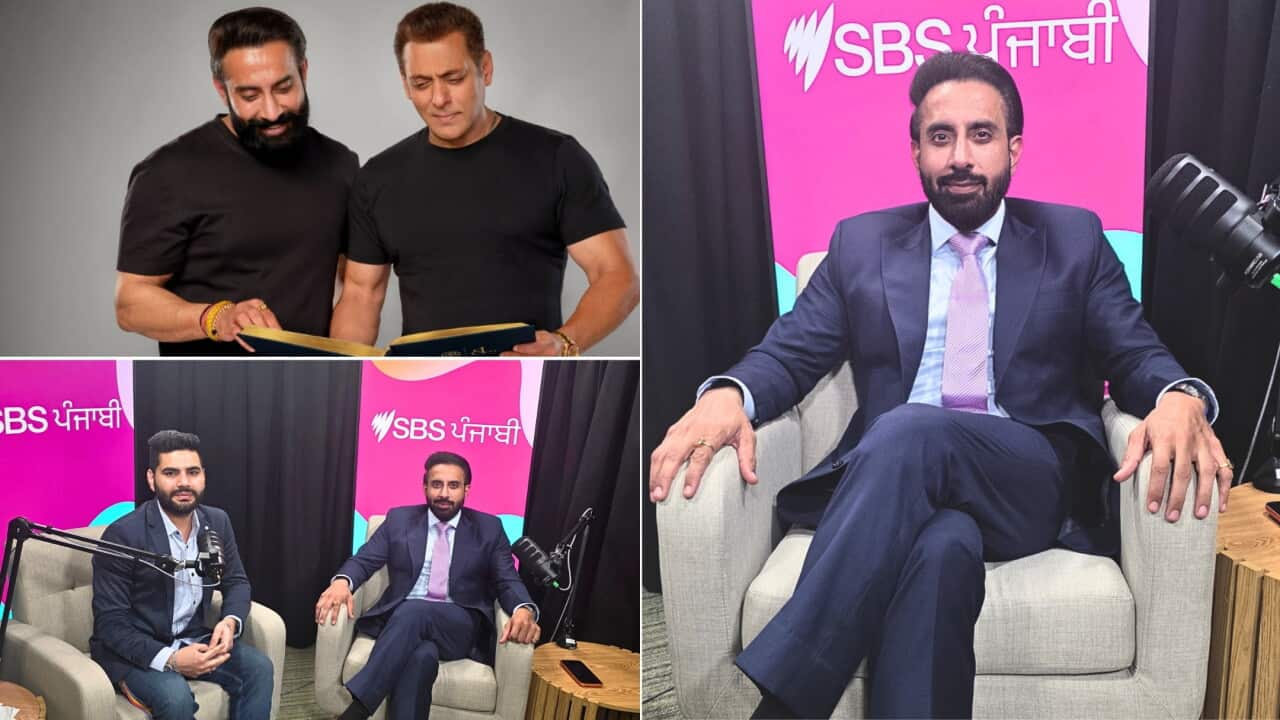


What kind of a medical condition can make a patient eligible for choosing the time and mode of his/her death under Victoria's landmark law? A Punjabi legal expert explains in detail in this interview.
In June, Victoria became the first state in Australia to enact a law which legalised voluntary assisted dying. This means a terminally-ill patient can choose the timing and method of his or her death.
The Voluntary Assisted Dying Bill 2017 was introduced in the Parliament of Victoria two years ago.
Prof. Neera Bhatia of the Deakin Law School in Melbourne has for long been examining and researching the legal and ethical issues regarding voluntary assisted dying in Australia. She simplifies the provisions of this landmark law in an interview with SBS Punjabi.
She also highlights why voluntary assisted dying should not be termed euthanasia.
So first of all, what is voluntary assisted dying?
Prof Bhatia explains: “It is a law passed in Victoria this June that gives people choices about the end of their life and how they’d like the end of their life to come about. It’s a very conservative law which is not available to every single person but only to those who meet very strict criteria.”
Is euthanasia the same as voluntary assisted dying?
“It is sometimes used but it’s not the correct term. The correct term is voluntary assisted dying, when someone voluntarily chooses to die by being assisted by some medication. Euthanasia may suggest forcible dying or suicide whereas voluntary assisted dying is all about the person making a choice for his/her death,” she says.
Who can opt for voluntary assisted dying?
Prof. Bhatia emphasises that the eligibility criteria for taking this end-of-life decision is very strict.
“The person must be of aged 18 or over, a citizen of Australia and a resident of Victoria and most importantly, of sound mind and should have been diagnosed with an illness that will cause death within six months or 12 months if it’s a neuro-degenerative medical condition,” she explains.
Prof. Bhatia adds that this law has a very important component which is an advance care plan made by the person eligible for voluntary assisted dying.
“It is almost like a will. Under the guidance of a doctor, the patient writes down how s/he wishes to be treated when her/his decision making gets impaired. For example, some people may or may not want a heart bypass surgery if the situation occurs,” says she.
Dr Bhatia also touches upon how the Indian community is likely to see voluntary assisted dying.
“Death is topic we don’t like to talk about in the Indian community. It’ll take time for our community to consider that we don’t have to think about death in this way. We must know we can make choices ahead of time where we choose to not die of suffering and pain. I hope with this interview on SBS Punjabi, this conversation will get started,” says Prof. Bhatia.
To listen to this feature in Punjabi and English, click on the player at the top of the page.
Listen to SBS Punjabi Monday to Friday at 9 pm. Follow us on Facebook and Twitter.