
Migrants relying on an employer to sponsor them to gain permanent residency face up to two years in limbo while their visa applications are processed.
Increasing waiting times for permanent residency visas are putting migrant workers in Australia at greater risk of exploitation and deportation, according to unions and migration agents. Migrants relying on an employer to sponsor them to gain permanent residency face up to two years in limbo while their visa applications are processed.
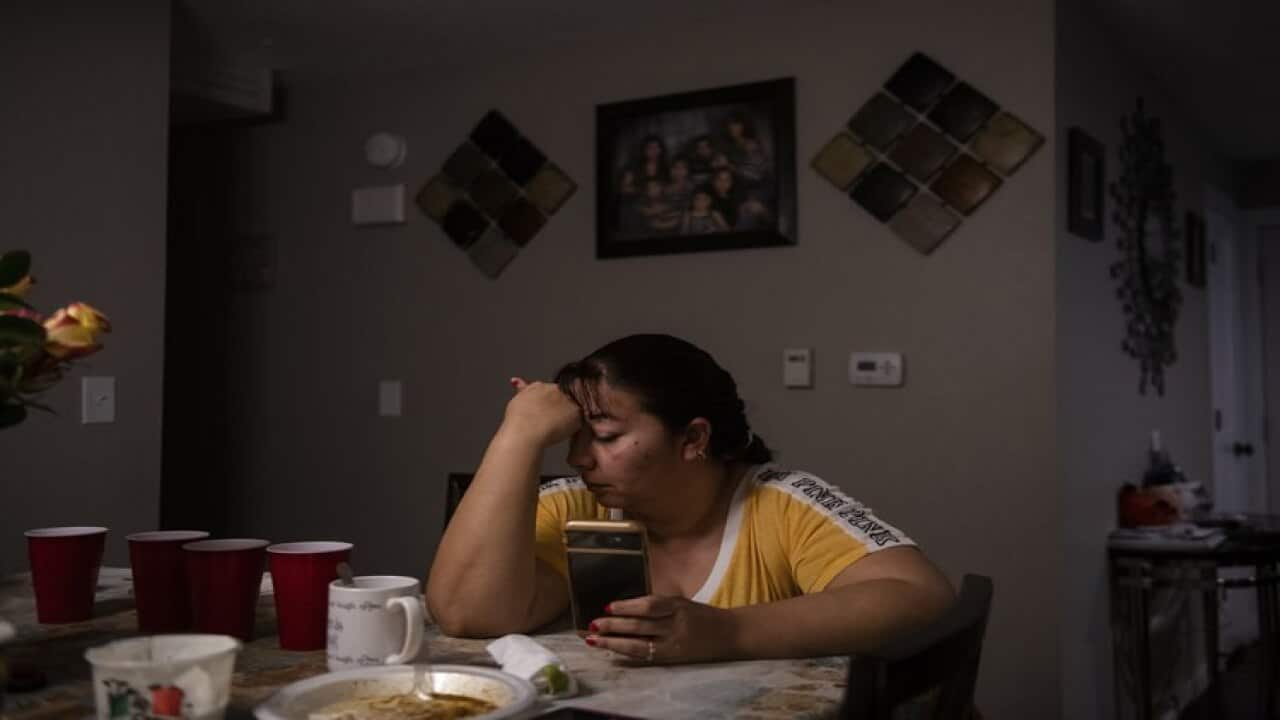
Chinese national Wei Chen, also known as Mira twice came close to securing permanent residency in Australia, where she has been living with her husband for five years. But both times the collapse of the business she was working for ruined her chances and she now faces deportation to China.
“I have been living here for five years, it will be a struggle to go back. I think we made a lot of effort in our jobs and in our visa applications. We were thinking we had a future in Australia and now it’s all gone"
The junior chef first applied with the backing of the owners of Jamie’s Italian in Perth - a restaurant chain founded by British celebrity chef Jamie Oliver. When the owners, Keystone Group declared bankruptcy, the new owners of Jamie's Italian in Canberra offered her a job and sponsorship, so she moved across the country and lodged a fresh $3500 visa application. But in April last year, she received a worrying phone call from the head chef asking her to come in on her day off.
“He said 'no need to bring my apron' and I realised there must be something wrong, and when I got there they said 'we’re shutting down our business from today'. I was like, how did this happen to me again in two years’ time?"
While the Department of Home Affairs is yet to make a decision on Ms Chen's visa application, she faces certain rejection and deportation within 28 days of the decision. Since lodging the most recent application, the rules have changed which mean even if Ms Chen secures another job she no longer meets the visa criteria to stay as she falls one year short of the three years' work experience now required. Migration agents say Ms Chen is a victim of excessive visa application processing times, with the typical wait time for the 187 subclass of visa she applied for currently standing at 21 months. Nicholas Houston is the director of Canberra-based migration agency VisAustralia and says people are left on bridging visas in the meantime and exposed to risk.
“From the perspective of the visa applicant it can create a lot of upset, consternation but I mean If there’s no job, then a person should not be receiving a permanent visa for a job that doesn’t exist and that’s fair enough, but it’s the processing timeframes and the methods of processing these applications where we have the issues.”
Lyndal Ryan, the ACT Secretary of the union representing hospitality workers, says there are many cases like Wei Chen's.
“When businesses collapse - which is fairly frequent, particularly in some industries - they leave behind carnage and it’s particularly hard on workers on visas.”
The union believes employers have too much power over workers, particularly during the wait time.
“It takes so long, it leaves people in terrible insecurity they fear ever making a complaint against their employer. We have many many cases, not disimilar to Mira's situation where workers are too fearful to make any sort of complaint … because if their employer terminates their employment they can be deported.”
Migration agents like Nicholas Houston accused the department of deliberately allowing wait times to blow out to put a brake on migration, citing even longer waiting times for parent and partner visas.
They’re using the queue to basically control immigration numbers, so instead of changing the law to restrict the ability of employers to sponsor people, for example, they’re allowing the timeframes to blow out.
Melbourne-based migration agent Kirk Yan agreed waiting times had increased substantially and the government’s own quotas were not being met. He said wait times were longest for parent and partner visas. According to freedom of information documents obtained by Mr Yan, it has caused numbers on the waiting list for a contributory parent visa alone to surpass 43,000 as of February this year.
“Lots of the new migrants from China, they are single child family and they would like to have their parents by their side.”
The government has cited increased demand and scrutiny of applications and necessary checks for longer processing times. A department spokesperson told SBS News:
“Visa processing times are driven by a range of factors including the volume of applications received, completeness of the application, how promptly applicants respond to any requests from the department and the complexity of assessments in relation to integrity, health, character and national security requirements."
The department has also introduced a temporary parent visa, allowing an applicant's parents to remain in the country for up to five years, to make it easier for families to reunite.