Watch FIFA World Cup 2026™ LIVE, FREE and EXCLUSIVE

Hadithi iliyopuuzwa: Huduma yawa Aboriginal na wana Visiwa wa vya Torres Strait katika siku ya ANZAC

First Nations Anzac

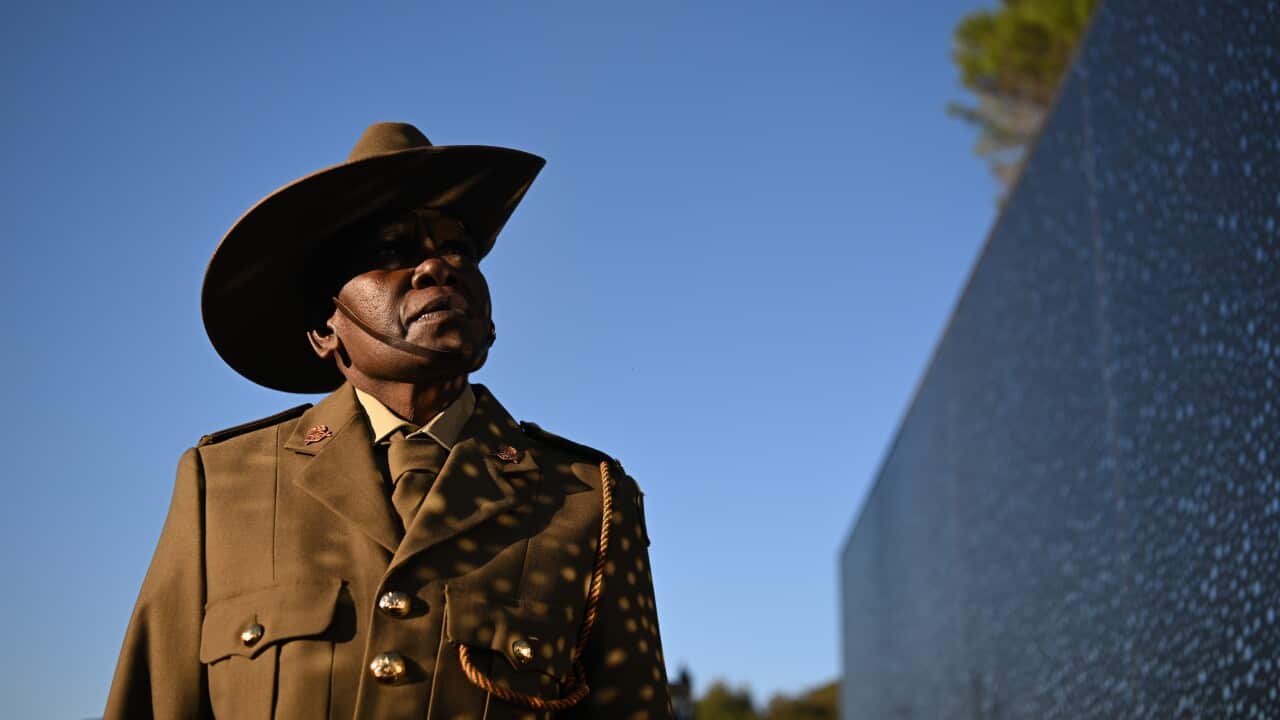
The Australian War Memorial For Our Country memorial recognises the military service of Aboriginal and Torres Strait Islander peoples. Credit: Tracey Nearmy/Getty Images

Kila mwaka Waaustralia hujumuika katika siku ya ANZAC kuwakumbuka waliohudumu katika vita, migogoro na misheni za kulinda amani. Lakini tunakumbuka hadithi za nani? Je, kuna hadithi ambazo hatuzisikii kila wakati? Katika makala haya tunachunguza sehemu muhimu ya historia ya Australia ambayo mara nyingi imekuwa ikipuuzwa—huduma ya watu wa Asili na wakaazi wa Visiwa vya Torres Strait.


Key Points
  • The Australian War Memorial estimates 1200 Aboriginal men attempted to enlist in the First World War, and 6,500 in the Second World War.
  • Aboriginal people faced many restrictions to enlisting in the armed forces.
  • Many went to extraordinary lengths to enlist including hiding their heritage.
  • On their return, discrimination and restrictive laws were still part of everyday life for Aboriginal veterans. 

Wa Aboriginal wengi na wakaazi wa Visiwa vya Torres Strait walihudumu katika vikosi vya jeshi la Australia, ikiwa ni pamoja na wakati wa Vita vya Kwanza na vya Pili vya Dunia, mara nyingi pamoja na Waaustralia wasio wa asili—hata walipopigwa marufuku rasmi kujiandikisha katika jeshi.

Leo, kuna juhudi zinazoongezeka za kuhakikisha hadithi zao zinatambuliwa na kukumbukwa.

Michael Bell ni mwanaume kutoka ukoo wa Ngunnawal/Gomeroi, yuko sehemu ya kazi hiyo. Kama Afisa wa Uhusiano wa watu wa Asili katika Ukumbusho wa Vita vya Australia, yeye husaidia kutambua huduma na kafara ya watu wa Asili na Wana visiwa wa Torres Strait— waliohudumu wakiwa wamevaa sare na wale waliounga mkono juhudi za vita nchini.

Kupitia kazi hii, picha iliyo wazi zaidi inaanza kujitokeza.

Niwa Aboriginal na wakaazi wangapi wa Visiwa vya Torres Strait walio hudumu katika Vita vya Kwanza vya Dunia na Vita vya Pili vya Dunia?

"Kwa sasa tuna zaidi ya wanaume 1200 wa asili yaki Aboriginal waliojiandikisha au kujaribu kujiandikisha katika Vita vya Kwanza vya Dunia, na tunakadiria kuwa kutakuwa na wanaume wapatao 6,500 katika Vita vya Pili vya Dunia," Bw. Bell anasema.
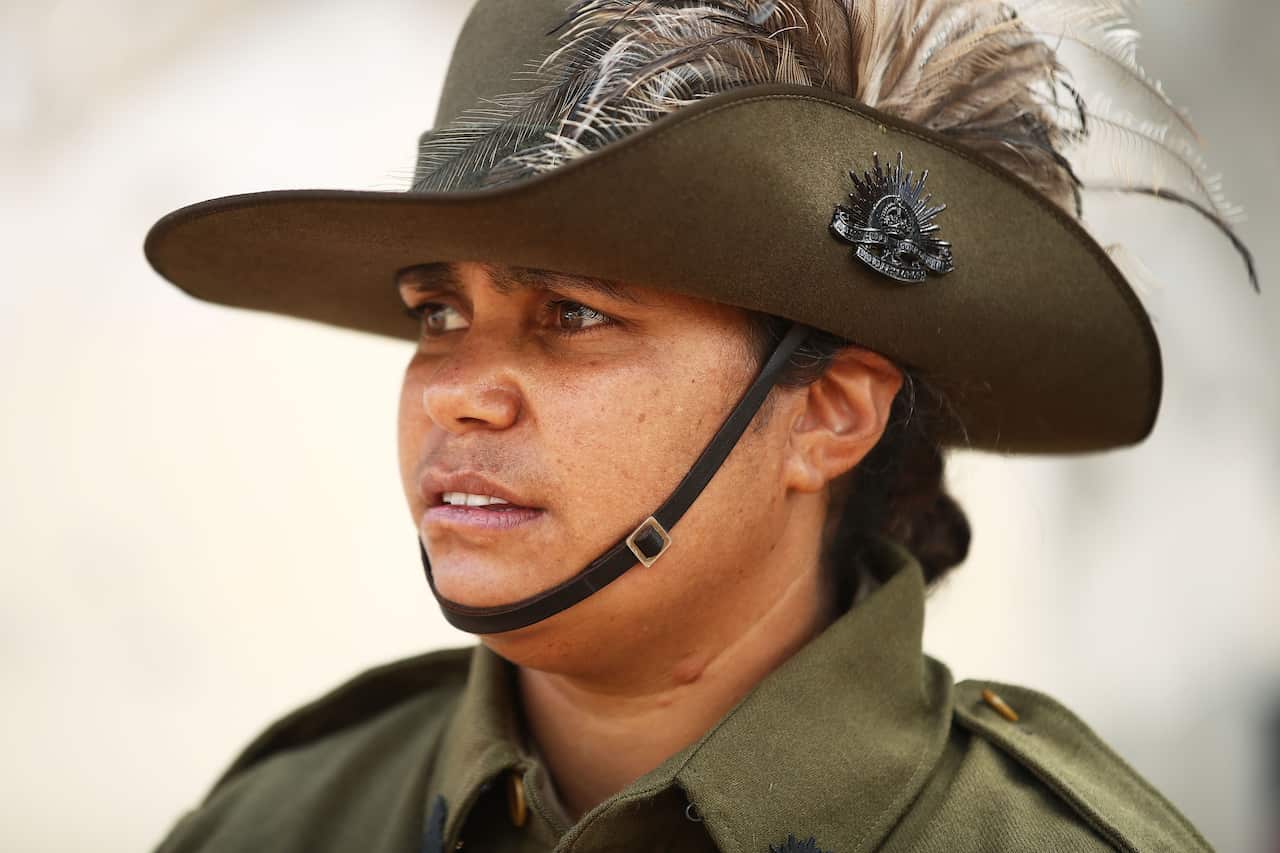
Indigenous Australians Honoured On Anzac Day At Coloured Diggers March
Understanding ANZAC Day means recognising the contributions and challenges faced by Aboriginal and Torres Strait Islander peoples.  Credit: Brendon Thorne/Getty Images

Idadi hii inaendelea kuongezeka kadri rekodi zaidi zinavyogunduliwa.

Ukumbusho wa Vita umeangalia kitakwimu idadi ya walioandikishwa na idadi inayojulikana ya watu wa asili.

Licha ya kukabiliwa na vikwazo vikubwa, idadi hiyo ni kubwa.nt.

Viwango vya uandikishaji au uthibitishaji ni sawa na kaka na dada zao wasio Wa asili
Michael Bell

Ni vikwazo gani Waaustralia wa Mataifa ya Kwanza walikabiliana navyo walipokuwa wakijaribu kujiandikisha jeshini?

Wa Aboriginal walikabiliwa na vikwazo walipokuwa wakijaribu kujiandikisha katika jeshi. Vizuizi hivi vilikuwa katika ngazi nyingi.

Waaboriginal walikabiliwa na vikwazo katika harakati zao kote nchini.

Hawakutambuliwa kama raia kamili wa Australia, na katika baadhi ya matukio, hawakutambuliwa kama watu chini ya sheria.

Na sera za kijeshi mara nyingi ziliwatenga watu ambao hawakuwa na asili ya Ulaya.

Kwa pamoja, sera hizi ziliunda vikwazo vikubwa kwa wale wanaotaka kutumikia.

Hata kwa vikwazo hivi, watu wengi walijitahidi sana kujiandikisha. Mtu mmoja kama huyo alitembea kutoka Queensland hadi Albury, Bw. Bell anaelezea.

“Akiwa njiani alijaribu kujiandikisha mara tano, hatimaye akaingia jeshini, na kwa bahati mbaya hakupata kuhudumu kwa sababu alifariki kutokana na ugonjwa kwenye meli akiwa njiani kuelekea uwanja wa vita. Kwa hivyo ni kujitolea na kuandikishwa tena kwa wanaume wetu ambapo wamekataliwa kwa kuwa Wa Aboriginal, lakini rudi nyuma na ujaribu tena.”

Hadithi kama hizi zinaonyesha azimio, ustahimilivu na hamu kubwa ya kuitumikia nchi, hata wakati nchi hiyo haikutoa haki sawa.
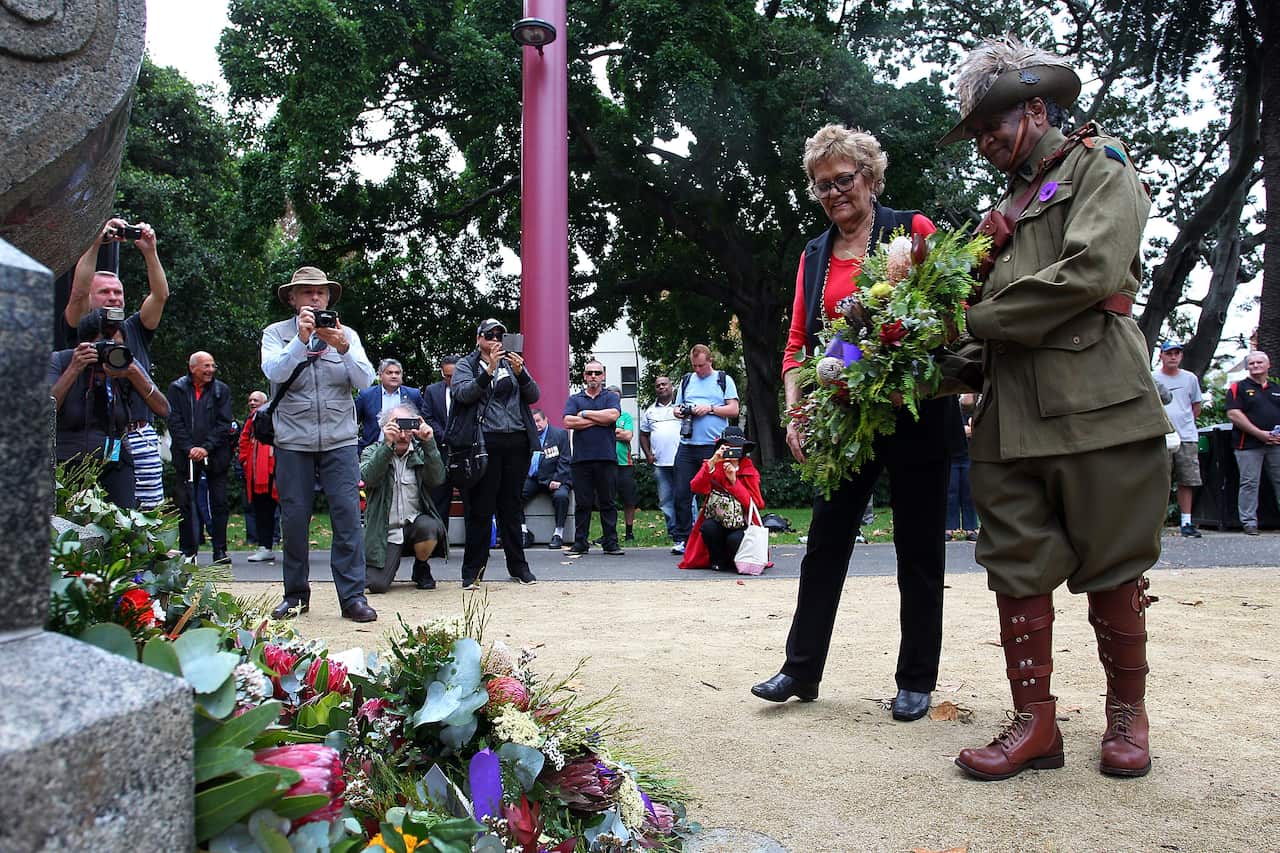
Aboriginal And Torres Straight Islander Veterans
A wreath is laid during the annual ANZAC coloured diggers service in Sydney. Credit: Lisa Maree Williams/Getty Images

Ni nini kiliwapata wanajeshi wa Mataifa ya Kwanza waliporudi nyumbani kutoka vitani?

Kwa maveterani wengi wa asili, kujitolea kwao haku kumaanisha usawa.

Walirudi kwenye jamii ambapo ubaguzi na sheria kali bado zilikuwa sehemu ya maisha ya kila siku.

"Wanaume wetu walikuwa wakipigania haki katika vita vya kigeni ambavyo hawakuwa na haki navyo katika nchi zao," Bw. Bell anasema. "Na kurudi nyumbani kwenye jamii isiyo na usawa kabisa, na wanarudi kwenye ubaguzi, ukosefu wa kutambuliwa kisheria, vikwazo vya umiliki wa ardhi, mishahara sawa, vikwazo vya kuwasimamia watoto wetu, Vizazi Vilivyoibiwa, vilikuwa vinaendelea kikamilifu."

Baadhi ya maveterani wa asili waliweza kupata manufaa, lakini wengi hawakuweza, huku vikwazo vipana vya kijamii na kisiasa vikizuia usaidizi.

Hata kujumuika na maveterani wengine kunaweza kuwa vigumu.

Mara nyingi wanajeshi waliorudi walihimizwa kujiunga na mashirika ya kijamii kama vile vilabu vya RSL vinavyowaunga mkono maveterani na kuandaa matukio kama vile sherehe za Siku ya ANZAC.

Lakini vilabu vingi kati ya hivi vilikuwa na maeneo yenye leseni, ikimaanisha pombe ilitolewa, na watu wa asili mara nyingi walizuiliwa kuingia katika maeneo haya.

Walitengwa kutoka kwa usaidizi na muunganisho. 

Australia inatambuaje huduma ya kijeshi yawa Aboriginal na Wakazi wa Visiwa vya Torres Strait leo?

Katika miongo ya hivi karibuni, Ukumbusho wa Vita vya Australia umechukua jukumu kubwa zaidi katika kugundua na kuchangia huduma yawa Aboriginal na Wakazi wa Visiwa vya Torres Strait.

"Hadithi zetu zinashirikiwa kwa usawa na kwa uwiano katika matunzio yetu yote," Bw. Bell anaelezea. "Tuna maudhui yawa Aboriginal katika huduma zote, matunzio yote, hadithi zote, uwakilishi wetu wote."

Hakuna kona ya Weusi kwenye Ukumbusho wa Vita vya Australia. Tunachofanya ni kusimulia hadithi hiyo kwa usawa kote, kama maveterani walivyotuomba tufanye.
Michael Bell

"Wakiwa wamevaa sare, wangeweza kujiona kama rangi ya huduma yao kama vile kijani kibichi, bluu au kijivu kwa jeshi, jeshi la anga na jeshi la wanamaji."

Mbinu hii inaonyesha jinsi wanajeshi wengi wa asili walivyojiona—kama wanajeshi kwanza, wakihudumu pamoja na wengine.

Wakati huo huo, hadithi zilizofichwa kwa muda mrefu sasa zinagunduliwa upya na kuchangiwa na familia na jamii.

“Katika tukio ambalo tuna picha pekee inayojulikana ya mwanaume wa asili katika mkusanyiko wetu, na familia haijaiona… tunaweza kuwapa hiyo kwa niaba yao kwa kutambua huduma yake…na hilo linagusa moyo sana na ni maalum kwangu—kuweza kuchangia hilo na familia zinazojua maarifa na taarifa hii ni katika taasisi ambapo tunajaribu kujumuisha hadithi ambayo hapo awali au isiyojulikana sana kuhusu huduma yamu Aboriginal na mkaazi wa visiwa vya Torres Strait.”

Kwa familia, nyakati hizi zinaweza kuwa na nguvu, na kusaidia kuungana tena na historia, utambulisho na wapendwa.
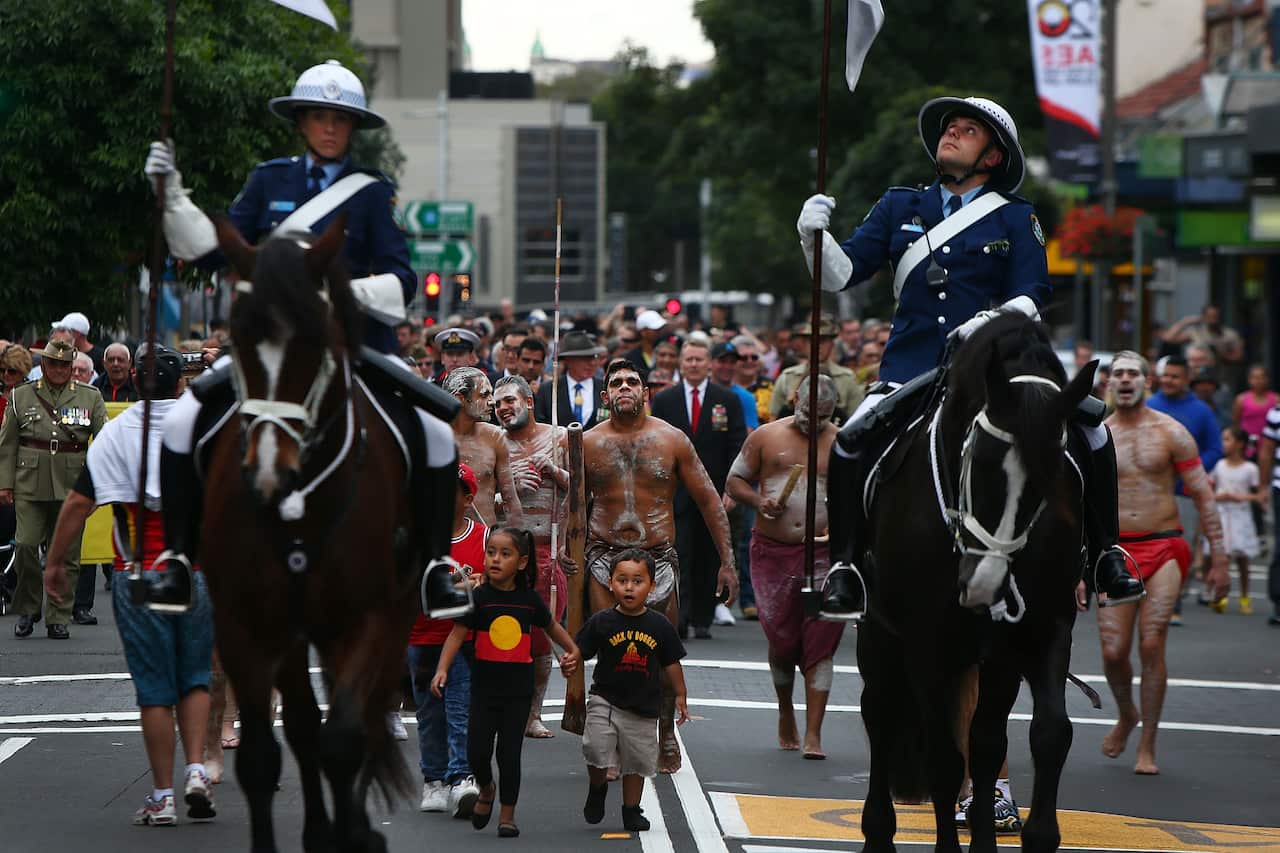
Aboriginal And Torres Straight Islander Veterans
The annual ANZAC coloured diggers event in Sydney celebrates the contributions of Aboriginal and Torres Strait Islander servicemen and servicewomen. Credit: Lisa Maree Williams/Getty Images

Unapaswa jua nini kuhusu historia yawa Aboriginal na Wakaaji wa Visiwa vya Torres Strait katika siku hii ya ANZAC?

Kuelewa Siku ya ANZAC kunamaanisha kutambua michango na changamoto zinazowakabili watu wa Asili na Wakaaji wa Visiwa vya Torres Strait.

"Ni kuhusu historia kamili ya Australia na jinsi ilivyo leo," Bw. Bell anasema, "si taifa lisiloonekana ambalo tumekuwa nalo miaka iliyopita. Na kwa ajili ya watu wa Vita vya Kwanza vya Dunia, wanaolazimika kuficha urithi wao, tunataka kuweza kuwatia moyo, kuona historia kamili ya Australia jinsi ilivyo, si kama ilivyoandikwa na mifumo ya awali ambayo iliondoa utambuzi wetu."

Siku ya ANZAC ni wakati wa kuwakumbuka waliohudumu katika vita na migogoro na kwa Waustralia wengi, ni wakati wa kujumuika pamoja kuheshimu historia.

Kadri hadithi hizi zinavyozidi kusambazwa, husaidia kuchora picha kamili ya zamani ya Australia—na ya sasa. 

Jiandikishe au fuata podikasti ya Australia Yafafanuliwa kwa taarifa na vidokezo muhimu kuhusu kuanza maisha yako mapya nchini Australia.

Una maswali au pendekezo ya mada? tuandikie kwa barua pepe australiaexplained@sbs.com.au

spk_0

SBS acknowledges the Traditional Custodians of Country and their connections and continuous care for the skies, lands and waterways across Australia.

spk_1

You're listening to Australia Explained, an SBS audio podcast helping you navigate life in Australia.

spk_2

Hello, I'm Lowanna Grant, executive producer of NITV Radio. I'll be your host for this special episode of the Australia Explained. ANZAC Day is one of Australia's most important national days. Each year people gather to remember those who served in wars, conflicts, and peacekeeping missions. But understanding ANZAC Day can take time, especially if you're new in Australia.

spk_2

Whose stories are we remembering and are there stories we don't always hear? In this episode, we explore an important part of Australia's history that has often been overlooked, the service of Aboriginal and Torres Strait Islander peoples.

spk_2

Many Aboriginal and Torres Strait Islander people served in Australia's armed forces, including during the 1st and 2nd World Wars, often alongside non-Indigenous Australians, even when they were officially barred from enlisting. Today there is a growing effort to ensure these stories are recognised and remembered. Ngunnawal/Gomeroi man Michael Bell is part of that work as Indigenous liaison officer at the Australian War Memorial.

spk_2

He helps identify and recognise the service and sacrifice of Aboriginal and Torres Strait Islander peoples, both those who served in uniform and those who supported the war effort on home soil. Through this work, a clearer picture is beginning to emerge.

spk_3

We currently have just over 1200 Aboriginal men enlisted or attempted to enlist in the First World War, and approximately we're estimating it's going to be about 6500 men in

spk_3

the Second World War. It's an ongoing project and the numbers change weekly as we identify and add and include men on our list.

spk_2

These numbers continue to grow as more records are uncovered, but one question often asked is how do these figures compare to non-Indigenous Australians?

spk_3

We've statistically viewed the numbers of Aboriginal attestations compared to known populations, and the rates of enlistments or attestations

spk_3

are the same to their non-Indigenous brothers and sisters.

spk_2

In other words, despite facing significant barriers, Aboriginal people enlisted at similar rates to non-Indigenous Australians. So what were those barriers? Michael Bell explains that restrictions existed at multiple levels. Aboriginal people faced limits on their movement across the country. They were not recognised as full Australian citizens and in some cases, not even recognised as people under the law.

spk_2

And military policies often excluded those without European heritage. Together these created major obstacles for those wanting to serve. But even with these restrictions, many people went to extraordinary lengths to enlist.

spk_3

Oh, we have an Aboriginal man that's walked from Queensland all the way down to Albury, and on his way, he's tried to enlist 5 times, ultimately to get in and unfortunately didn't get to serve because he passed away of illness on the ship

spk_3

on the way over to the battlefield, so it's the dedication and re-enlistment of our men where they've been rejected for being Aboriginal, but go back and try again.

spk_2

Stories like this show determination, resilience, and a strong desire to serve country even when that country did not offer equal rights. But what happened after these servicemen returned home? For many Aboriginal veterans, the end of the war did not mean equality.

spk_2

They returned to a society where discrimination and restrictive laws were still part of everyday life.

spk_3

Our men were fighting for rights in a foreign war that they weren't entitled to in their home countries.

spk_3

And to come home to a desperately unequal society and to go back into segregation, the lack of legal acknowledgement, the restrictions on ownership of land, equal wages, the restriction of managing our children, the Stolen Generations were in full swing.

spk_2

Some Aboriginal veterans were able to access benefits, but many did not, with broader social and political restrictions limiting support.

spk_2

Even connecting with other veterans could be difficult. Returned soldiers were often encouraged to join RSL clubs, community organisations that support veterans and organise events like ANZAC Day ceremonies. But many of these clubs were licenced venues, meaning alcohol was served.

spk_2

Because Aboriginal people were often restricted from entering these spaces, they were effectively excluded from both support and connection. Today, there is growing recognition of this history.

spk_2

In recent decades, the Australian War Memorial has taken a more active role in uncovering and sharing Aboriginal and Torres Strait Islander service. Mr Bell explains.

spk_3

Our stories are shared equally and proportionately throughout all of our galleries. We have Indigenous content in all the services, all of the galleries, all of the stories, all of our representations. There is no Black corner at the Australian War Memorial. What we do is tell the story equally throughout.

spk_3

The veterans have asked us to do in the uniform, they could only see themselves as the colour of their service, such as the green, the blue, or the grey for army, air force, and navy.

spk_2

This approach reflects how many Aboriginal servicemen saw themselves as soldiers first, serving alongside others. At the same time, long hidden stories are now being rediscovered and shared with families and communities.

spk_3

On the occasion where we have the only known

spk_3

of an Aboriginal man in our collection and the family haven't seen it or didn't know what their great grandfather or great uncle looked like, we can provide that to them on behalf of recognition of his service and recognition of his contribution, and that's really, really touching and special for me to be able to share that with the families and know that that knowledge and information is held in an institution where we're positively trying to include the previously or lesser known story about Aboriginal and Torres Strait Islander service.

spk_2

For families, these moments can be powerful, helping to reconnect with history, identity, and loved ones. So this ANZAC Day, what should you, especially if you're new to Australia, keep in mind?

spk_3

It's about the full and total history of Australia and how it is today, not the unseen nation that we have been in previous years and for the First World War guys, you know, having to hide their heritage, where we want to be able to encourage them

spk_3

to see the full history of Australia as it is, not as it was written by previous systems that excluded our acknowledgement.

spk_2

ANZAC Day is a time to remember those who served in wars and conflicts, and for many Australians, it's a moment to come together to honour history. Understanding ANZAC Day means understanding the full story of Australia.

spk_2

That includes recognising both the contributions and the challenges faced by Aboriginal and Torres Strait Islander peoples. As these stories become more widely shared, they help paint a fuller picture of Australia's past and its present.

spk_2

Thank you for listening to this episode of Australia Explained. The interview was conducted by Rachael Knowles, sound edit by Melissa Compagnoni, and the Australia Explained managing editor is Roza Germian, and I'm Lowanna Grant. Until next time.

spk_1

This was an SBS audio podcast. For more Australia Explained stories, visit SBS.com.au/Australiaexplained.

spk_4

Subscribe or follow the Australia Explained podcast for more valuable information and tips about settling into your new life in Australia. Do you have any questions or topic ideas? Send us an email to australiaexplained@sbs.com.au.

END OF TRANSCRIPT

Share

Follow SBS Swahili

Download our apps

Listen to our podcasts

Get the latest with our exclusive in-language podcasts on your favourite podcast apps.

Watch on SBS

SBS World News

Take a global view with Australia's most comprehensive world news service

Watch now